
Best Air Purifier Under 50 for 2026: A Budget Buying Guide
Disclosure: We may earn a commission when you buy through links on this page, at no extra cost to you. As an Amazon Associate I earn from qualifying purchases. Learn more

Dust coming back fast in a small room? Compare filters, honest coverage, noise and filter costs to pick the best air purifier under 50.
You dust the bedroom shelves on Saturday, and by Tuesday a gray film is back on every surface. In a small room, that cycle usually means airborne dust is settling faster than you can wipe it up, and a compact purifier running a few hours a day can slow it down. The catch is that the best air purifier under 50 dollars is a small machine with real limits, so the money works only when you match it to a small, closed room.
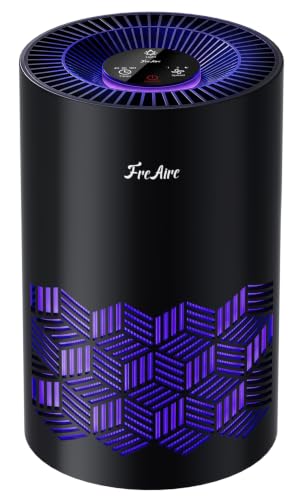
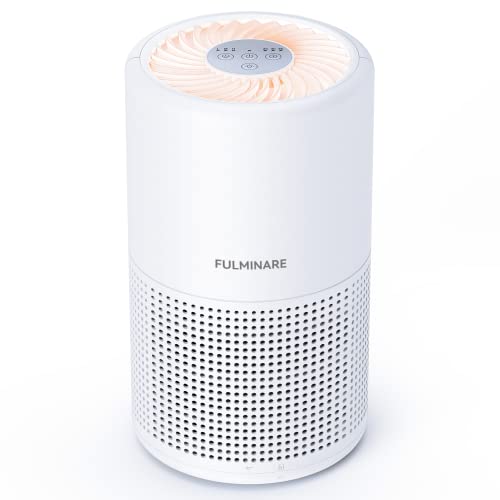
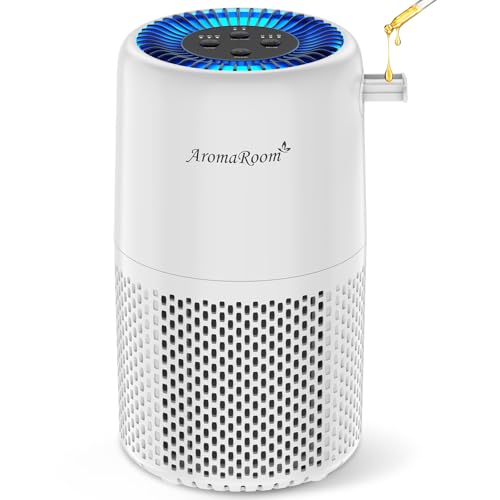
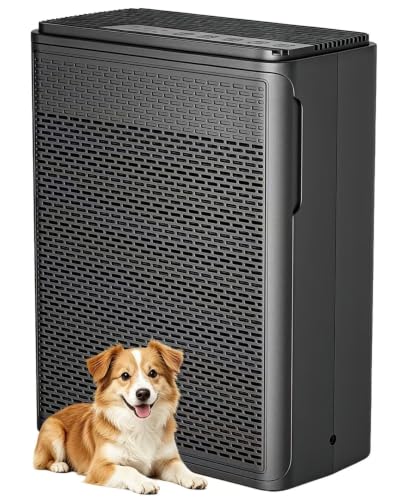
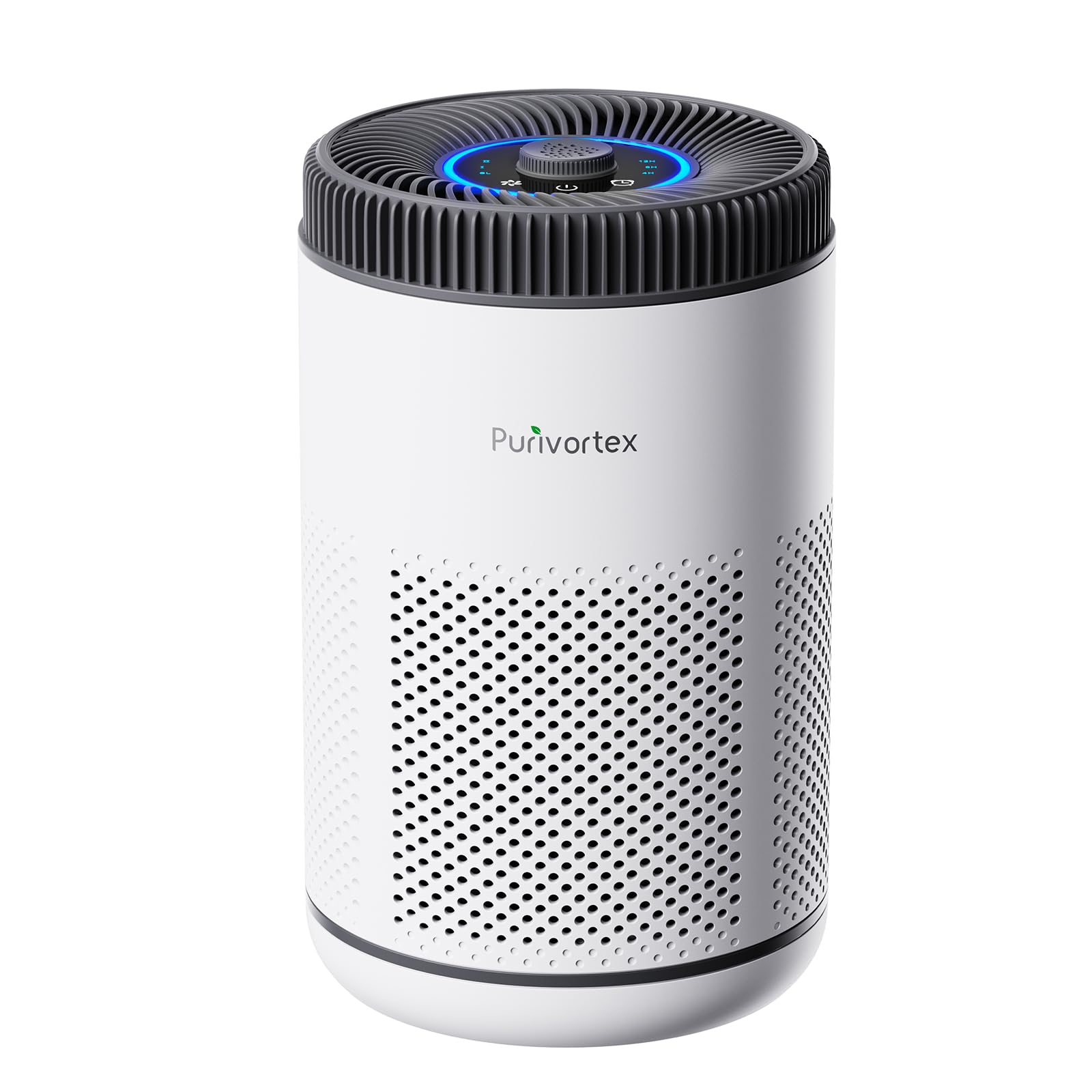
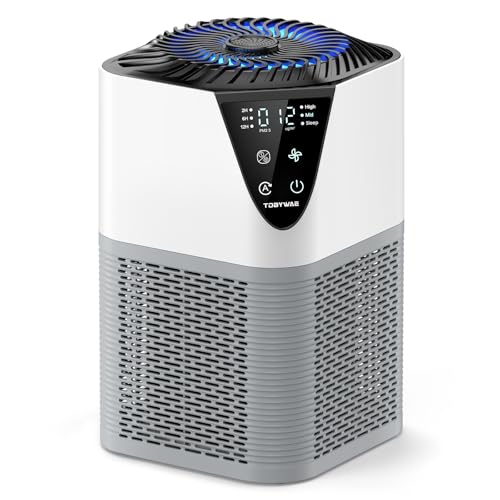
This guide explains what a purifier at this price can honestly do, which filter types are worth having, and which corners are cut to reach the price. The comparison table below sums up the main options at a glance, and the sections after it walk through sizing, running costs, and placement so a tight budget still buys cleaner air and less dusting.



Who Should Buy an Air Purifier Under $50?
Small Bedroom Sleepers Tired of Dusting
If your bedroom or dorm room is under about 150 square feet and the door stays closed most of the time, a compact purifier fits your life. It will not transform the whole home, but it can cut the dust that lands on nightstands and bedding, which means less wiping between deep cleans. Choose a model with a quiet sleep speed, because a unit you switch off at night does nothing for the eight hours you breathe that air most closely.
One Cat or One Small Dog in a Compact Space
A single pet in a studio or small apartment sheds a manageable amount of hair and dander, and a budget purifier with a washable prefilter can keep loose hair from drifting onto every surface. The prefilter catches the visible hair before it reaches the main filter, which stretches the life of the part you pay to replace. If pet hair is your main complaint, our guide to the best air purifier for pets explains the filter setups that handle heavier shedding.
Renters Fighting Cooking Smells in a Studio
When the kitchen is ten feet from the bed, last night's dinner lingers in the curtains. A small purifier with a carbon filter layer can soften those odors between laundry days, as long as you accept that carbon at this price is a thin pad, not a heavy canister. It takes the edge off rather than erasing smells, and the pad needs replacing more often than the main filter. For a studio, that trade is often still worth it.
What Under $50 Actually Buys You
At this price, expect a desktop or small tower unit rated for a desk corner, a nursery, or a modest bedroom. Marketing claims sometimes promise coverage of several hundred square feet, but that figure usually assumes one air change per hour at full speed, which is too slow to keep up with dust and too loud to sleep through. A more honest working range is a small room where the unit can cycle the air several times an hour on a medium setting.
Spending a little more changes the picture quickly. Models around $50 to $100 usually add a true HEPA filter and a stronger fan, while purifiers about $100 to $200 bring larger filters that last longer and cost less per year to run. If your room is bigger than a small bedroom, the best air purifier guide covers the full range of sizes and budgets. Under $50 makes sense as a targeted fix for one small room, not as a whole home solution.
Key Features to Compare
Filter Type and What It Actually Traps
The filter decides what leaves your air. A true HEPA filter traps very fine particles such as dust, pollen, and pet dander, while cheaper HEPA type or HEPA style filters catch less of the finest material. At this price you will see both, so read the wording closely. A purifier can reduce airborne particles in a room, but it is not a medical treatment, and anyone managing asthma or serious allergies should treat it as one small part of a plan discussed with their doctor. Our guide to the best air purifier for allergies goes deeper on filter grades for sensitive households.
Room Size Ratings and CADR Honesty
CADR, the clean air delivery rate, tells you how much filtered air a purifier moves, and it matters more than the coverage number printed in large type. A simple check is that the smoke CADR should be at least two thirds of your room's square footage for solid performance. Budget models often skip a certified CADR entirely, which is a sign to size down your expectations and your room.
Carbon for Odors and Cooking Smells
Activated carbon absorbs gases and smells that a particle filter cannot touch. In this price range the carbon is usually a thin pad stuck to the prefilter, so it saturates in a few weeks of heavy cooking rather than lasting a season. If odors are your main problem, look for a model with a separate carbon stage you can replace on its own, so you are not throwing away a good particle filter just because the pad smells stale.
Noise Levels and Fan Speeds
A purifier cleans only while it runs, and it runs only if you can stand the sound. Budget fans get loud on their top speed, so the low and medium speeds do most of the real work. Look for a stated noise figure for the lowest setting and a sleep mode that dims the display lights. Placing the unit a few feet from the bed rather than on the nightstand also helps, since the hum blends into background noise instead of sitting next to your ear.
Replacement Filter Cost and Availability
The purchase price is only the first payment. Many budget purifiers use small filters that need replacing every three to six months, and a filter costing around $15 to $25 each time can double the real price of the machine within two years. Check the replacement price and whether filters are sold widely before you buy, because an obscure model with no filters in stock becomes landfill. A slightly plainer unit with cheap, easy to find filters is usually the smarter budget buy.
Size, Power Source, and Controls
Most models under $50 are compact enough for a desk or dresser, but they differ in how they draw power. USB powered units are handy for a desk yet often move very little air, while plug in models with a proper fan do the real cleaning. Simple mechanical dials outlast touch panels at this price, and a filter change reminder is genuinely useful because a clogged filter quietly stops cleaning long before it looks dirty.
How to Place a Small Purifier So It Actually Helps
Placement makes or breaks a small machine. Leave several inches of clearance on all sides so air can enter the intake, and keep it away from curtains that can block the vents. Put it near the source of the problem, such as a few feet from the litter box or beside the bed, rather than in a far corner of the room. Run it with the door closed whenever you can, because an open door lets unfiltered air from the rest of the home dilute the cleaned air faster than a budget fan can replace it.
Moisture changes the plan. In a damp bathroom or basement corner, smells often come from mold growth, and a purifier can only trap floating spores, not fix the leak or the damp drywall feeding them. Deal with the moisture source first, then use a purifier to help with the air; our guide to the best air purifier for mold explains that order of operations in more detail.
Common Mistakes to Avoid
- Buying for a room that is too big: an undersized purifier runs constantly, cleans little, and wears its filter out fast.
- Trusting the headline coverage number: that figure assumes slow air changes at top speed, so your room stays dusty.
- Ignoring replacement filter prices: cheap machines with costly filters end up more expensive than a mid range model within two years.
- Choosing an ionizing model for a bedroom: some budget units release ozone as a byproduct, which can irritate airways, so pick plain fan and filter designs and check that the listing says ozone free.
- Leaving the filter sealed in plastic: many new purifiers ship with the filter wrapped inside the unit, and running it that way cleans nothing at all.
How to Make Your Air Purifier Last Longer
Vacuum or rinse the prefilter every few weeks, following the manual, because a hair clogged prefilter starves the main filter and makes the fan work harder. Keep the main filter dry and never wash a HEPA filter unless the maker explicitly says it is washable, since water ruins the fine fibers. Replace filters when the air coming out starts to smell dusty or the indicator stays lit after a reset, not just when the calendar says so.
Wipe the intake grilles and the sensor lens, if your model has one, with a dry cloth during your regular cleaning round. Keep the unit out of direct sun and away from steam, because heat and humidity age the plastic and the carbon pad.
FAQ
Does an air purifier under $50 remove dust from a bedroom?
Yes, within limits. A budget purifier with a decent particle filter pulls floating dust out of the air in a small closed room, so less of it settles on furniture between cleanings. It will not remove dust already sitting on surfaces, and it cannot keep up with a large or open plan space. Expect shelves to stay cleaner for longer, not a dust free room.
How often does a cheap air purifier filter need replacing?
Most small filters last about three to six months of daily use, and homes with pets or smokers sit at the short end of that range. A useful extra check is to hold the filter up to the light: if it looks uniformly gray and the airflow feels weak on a speed that used to feel strong, it is done. Keeping the prefilter clean can add weeks of life to the main filter.
Can an air purifier under $50 run all night in a bedroom?
It can, and steady overnight use is where a small purifier earns its keep, since bedroom doors stay closed for hours. Choose a model with a sleep speed and no bright display, and set it a few feet from the bed. If the hum bothers you, a lower speed still beats switching it off.
Are ionizing air purifiers under $50 safe to use?
Be cautious. Some ionizing and ozone generating designs release ozone, and ozone irritates lungs, especially for children and anyone with asthma. Fan based purifiers with a physical filter do the same particle job without that concern. If a listing for a budget model advertises ionization as its main technology and does not state that it is ozone free or certified to a strict ozone limit, choose a different design.
Will a small air purifier help with pet smells?
A little. The particle filter traps dander and hair, and a carbon pad softens litter box and wet dog odors near the unit, but the pad saturates fast and needs frequent changes. Scooping the litter box daily and washing pet bedding weekly still do more for smell than any machine at this price. Think of the purifier as support for your cleaning routine, not a replacement for it.
Final Thoughts
A small purifier is a narrow tool, and it works when the job is narrow too: one small room, a closed door, and a filter you can afford to replace. Use the product table above to compare the filter type, honest coverage, and running costs of the best air purifier under 50 dollars for your space, and skip any model whose replacement filters are hard to find. Set it up near the source of your dust or odor problem, keep the prefilter clean, and it will quietly cut down the dusting on your weekly list.


