
Best Air Purifier Under 500 for 2026: A Buying Guide for Large Spaces
Disclosure: We may earn a commission when you buy through links on this page, at no extra cost to you. As an Amazon Associate I earn from qualifying purchases. Learn more

Cleaning air in a great room or open floor? Compare airflow, filter life and warranty to choose the best air purifier under 500.
Great rooms are hard on air. A vaulted living space open to the kitchen holds an enormous volume of air, fireplace smoke drifts for hours, and the dog shakes out a cloud of hair that seems to land on every shelf at once. Cleaning that much air takes a machine with a big motor, a very large filter, and the build quality to run for years, which is the territory of the best air purifier under 500 dollars.
At this level you are paying for capacity and durability rather than gadgets. This guide covers how to judge airflow for very large rooms, why filter life matters more than filter price, and which premium touches are worth having. The comparison table below outlines the main styles, and the sections that follow help you decide whether one flagship unit or a pair of mid range machines serves your home better.
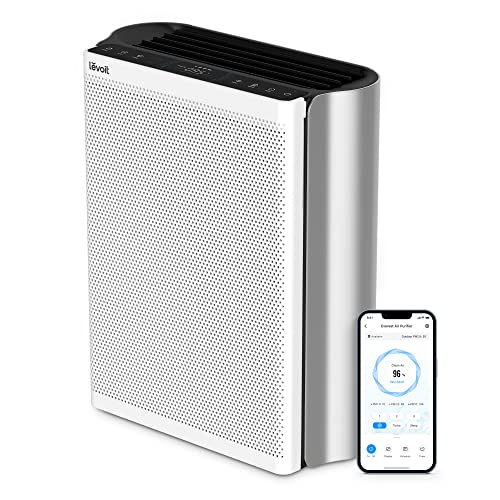


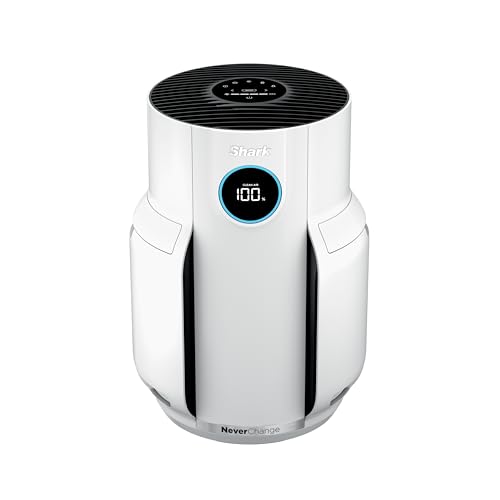
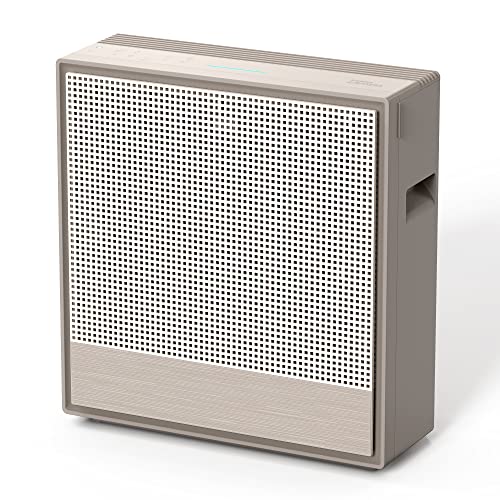
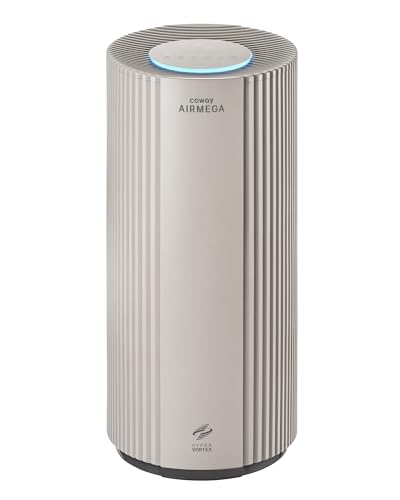
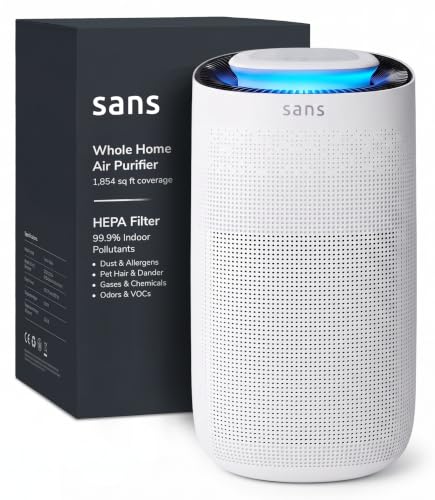

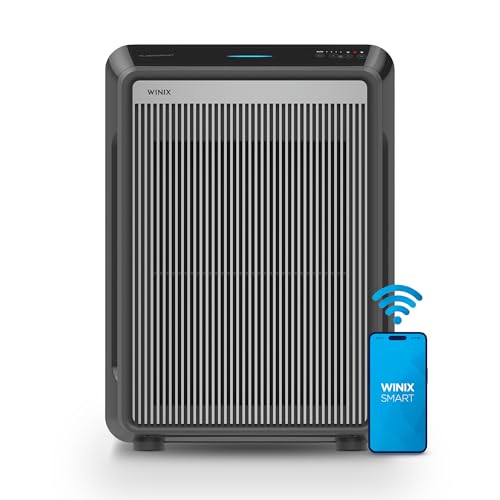
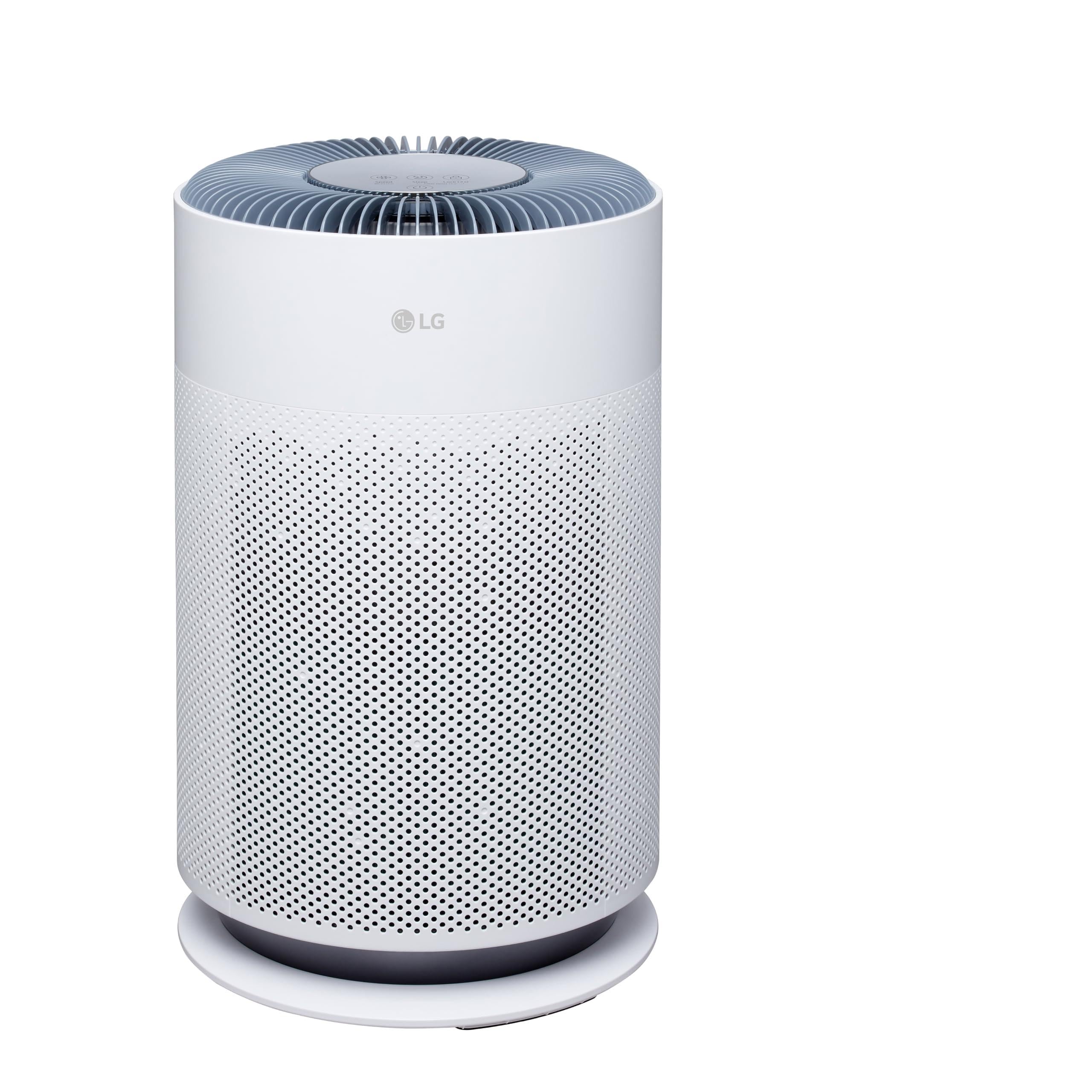
Who Should Buy an Air Purifier Under $500?
Owners of Large Open Plan Homes
If your main floor is one connected space of 700 square feet or more, smaller purifiers spend their lives at full speed and still fall behind. A high capacity model covers that volume at a moderate, livable noise level and keeps dust from settling across the whole floor between cleanings. Measure the entire open area, not just the seating zone, before you shop.
Households With Heavy Shedding Pets and High Traffic
Several large dogs, a busy household, and doors that open forty times a day push a constant stream of hair and dander into the air. Big prefilters and high airflow keep up without clogging every fortnight. If that sounds like your home, our guide to the best air purifier for pets adds more detail on filter setups built for serious shedding.
Buyers Who Want One Purchase to Last for Years
Some people would rather buy a well built machine once than replace a flimsy one every couple of years. Premium models justify themselves with sturdier housings, better motors, longer warranties, and filters that can last a year or more. If you clean a large home weekly and hate shopping for appliances, that long view is the real product here.
What the Premium End of the Budget Buys
The headline gain is airflow headroom. High end purifiers post CADR figures that suit rooms of 800 square feet and beyond, often with dual intakes that pull air from two sides, which keeps the footprint smaller than a single intake design of the same power. Filters scale up too: deep HEPA media with far more surface area, and carbon stages measured in pounds rather than sheets, so odor control lasts months instead of weeks.
Build quality is the quieter gain. Metal or thick molded housings rattle less, casters and handles appear because the machines are heavy, and warranties stretch longer. If you are comparing across the whole market before settling on a budget, the best air purifier guide maps the ranges from desktop units to these flagships.
Key Features to Compare
Airflow, CADR, and Dual Intake Designs
Apply the same sizing rule as anywhere else: smoke CADR should be at least two thirds of the room's square footage, and very large rooms simply demand very large numbers. Dual intake models draw air through two filter banks, doubling the media area and slowing the air across each filter, which improves capture and stretches filter life. Check the CADR for the speed you will actually use, because a flagship that hits its rating only on a roaring turbo setting is, in daily life, a smaller machine wearing a bigger label.
Filter Life and Cost Over Five Years
Premium filters cost more per box, often around $80 to $150, but they may last twelve months or longer in normal use, so the yearly cost can match or beat mid range machines. Multiply honestly: a purifier you keep for five years should be judged on five years of filters, and that total often decides which model is truly cheaper. Also check whether the HEPA and carbon stages are separate, since carbon usually expires first, and a combined cartridge forces you to discard good particle media early.
True HEPA Media and Heavy Carbon Stages
At this price there is no excuse for vague filter language. Look for a true HEPA rating and a stated carbon weight, and treat both as the core of the machine. Thick carbon genuinely matters for wood smoke, wildfire drift, and busy kitchens, where thin pads surrender in days. Remember the boundary, though: a purifier traps airborne particles and some gases, but it never replaces ventilation or treats a health condition. Readers with asthma or strong allergies should follow their doctor's guidance first; our best air purifier for allergies guide covers the filter details that matter most to sensitive homes.
Noise, Size, and Living With a Large Machine
A big purifier is furniture, so measure the floor space and the doorway it must pass through, and confirm the weight if you plan to move it between floors. The pleasant surprise is noise: a large fan turning slowly moves air quietly, so these machines often sound softer at working speed than compact units screaming at full tilt. Wheels help more than you expect the first time you clean behind one, and a low center of gravity keeps it steady around children and large dogs.
Sensors, Displays, and Honest Automation
Premium models add richer feedback: numeric particle counts, separate gas or odor sensing on some units, and filter life tracked by actual airflow rather than a simple timer. Those readouts are genuinely useful for spotting problems, like a slow climb in particles that turns out to be a worn door seal letting in wildfire smoke. Skip paying extra for app novelty alone; the value is in automation you trust enough to leave alone for weeks.
Warranty and Long Term Parts Support
A five year purchase needs a maker who will still sell its filters in five years. Favor brands with long track records, warranties of at least a few years on the motor, and filters stocked by multiple retailers. An excellent machine orphaned by a discontinued filter line becomes a very expensive fan. This is also where buying from the upper end protects you: established flagship lines tend to keep parts available far longer than seasonal budget models.
One Flagship Purifier or Two Mid Range Units?
One large unit wins in a single open space: it is simpler to maintain, and its deep filter usually outlasts two small ones. Two mid range units win when the home splits into zones with closed doors, such as bedrooms at night, because cleaned air does not travel through walls. Many large homes end up with a hybrid: a flagship where the family lives by day, and modest units behind bedroom doors.
Damp zones deserve a separate thought. A basement great room with a moisture problem will load any filter with spores while the damp continues, and no purifier dries a wall. Solve the water source first, then let the purifier maintain the air; the guide to the best air purifier for mold explains how to sequence those fixes.
Common Mistakes to Avoid
- Judging by maximum coverage alone: makers rate coverage at unrealistically slow air changes, so very large rooms still need CADR checked against the two thirds rule.
- Ignoring five year filter costs: the machine is the down payment, and filters decide the real price of ownership.
- Assuming premium means silent at full power: even flagships get loud on turbo, so buy enough headroom to live on middle speeds.
- Forgetting the floor plan: one powerful unit cannot clean rooms behind closed doors, no matter how strong its fan is.
- Expecting odor miracles from a particle filter: without a heavy carbon stage, smoke and cooking gases pass through almost untouched.
- Skipping the tape measure: large purifiers are heavy furniture, and a unit that blocks a walkway gets switched off and ignored.
How to Make Your Air Purifier Last Longer
Big filters reward steady habits. Vacuum the prefilter monthly in pet heavy homes, since a mat of hair forces the main filter to load unevenly and shortens its life. Keep the machine running on auto instead of cycling it off for days, because deep filters that sit in damp, still air can develop a stale smell of their own. When you return from a trip, a few hours on a high speed clears the backlog.
Clean the particle sensor lens and the air outlets every couple of months, and check that casters and feet stay free of wound up hair, a small thing that makes a heavy unit far easier to shift for cleaning behind it. Log filter changes in your phone calendar with the actual install date, and order the next filter when the warning light first appears rather than after months of running on a spent one. Finally, keep the manual's filter part number somewhere findable; ordering the right cartridge the first time saves a return and weeks of dirty air.
FAQ
Is an air purifier under $500 worth it over a mid range model?
It is worth it when your space is large or your air is heavily loaded with pet dander, smoke, or traffic dust, because the extra airflow and filter area do work that smaller machines cannot match at any speed. In a modest apartment, the same money is usually better split between a mid range living room unit and a small bedroom unit. The dividing line is room volume, not enthusiasm.
How long do premium air purifier filters last?
Typically about a year of daily use for the main filter, with carbon stages sometimes shorter in homes with heavy cooking or wood heat. Makers often rate life at a set number of hours, so a machine running around the clock uses that allowance faster than one on a timer. A practical sign of a spent filter is a musty smell at the outlet and air quality readings that stop improving even on high speed.
Can one air purifier under $500 cover a whole floor?
It can cover one open floor plan where air moves freely between the kitchen, dining, and living areas. It cannot cover separate rooms with closed doors, because walls and doors block the circulation the machine depends on. If your floor is a maze of small rooms, several mid range units placed in the busiest rooms will clean more real air than a single flagship in a hallway.
Do large air purifiers use a lot of electricity?
Less than most people fear. At the moderate speeds used day to day, a large unit often draws about 50 to 90 watts, similar to a bright light bulb, and auto mode keeps it near the low end most hours. Turbo speed can double or triple that draw, but it is meant for short clearing sessions after cooking or a dust storm, not for constant use.
What should I check before buying a large air purifier for a home with a fireplace?
Prioritize carbon weight, because wood smoke is as much a gas and odor problem as a particle problem, and thin carbon stages fade within days of regular fires. Check also that the prefilter is easy to reach, since ash dust loads it quickly in winter. Keep the purifier several feet from the hearth so heat and ash fallout do not age the plastics, and never let it substitute for a working chimney and proper ventilation.
Final Thoughts
Premium purifiers earn their price in big, busy spaces: high airflow at civilized noise, filters that last the year, and construction that survives daily life. Measure your open area, run the five year filter math, and use the product table above to compare the strongest contenders for the best air purifier under 500 dollars against your floor plan. Chosen well, one machine quietly cuts the dusting load across your whole main floor for years.


