
Best Bissell Upright Vacuums: Which Type Cleans Best for You? (2026)
Disclosure: We may earn a commission when you buy through links on this page, at no extra cost to you. As an Amazon Associate I earn from qualifying purchases. Learn more

Compare Bissell upright vacuum types by floor, mess and upkeep. Learn what bagged and bagless designs, brush rolls and filters mean before you buy.
Bissell builds uprights for almost every budget, which is exactly the problem: the range is wide enough that two machines with the same logo can suit completely different homes. Some are light bagged cleaners for mostly carpeted houses, others are bagless pet machines with big bins and scented filters. Picking the best bissell upright vacuum is less about the brand and more about matching the format, bagged or bagless, heavy or light, to your floors and your tolerance for upkeep.
This guide sorts the Bissell upright range by type and cleaning job. You will see what separates the lines, what the filters and bags cost to keep up, and how the types in the comparison table below line up against your home.
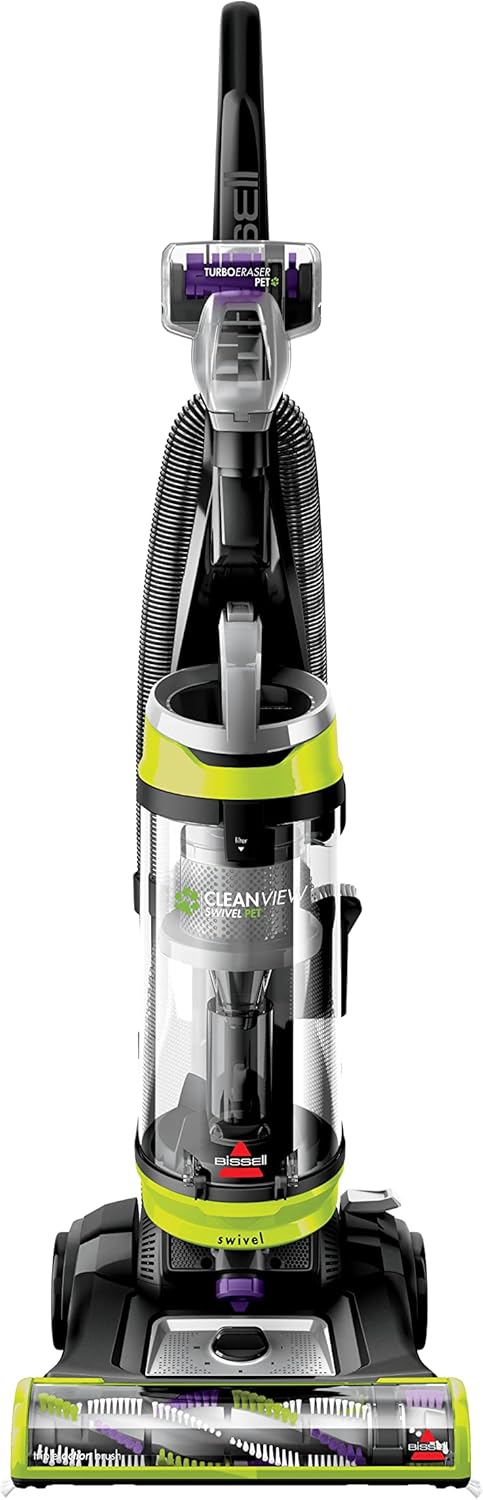


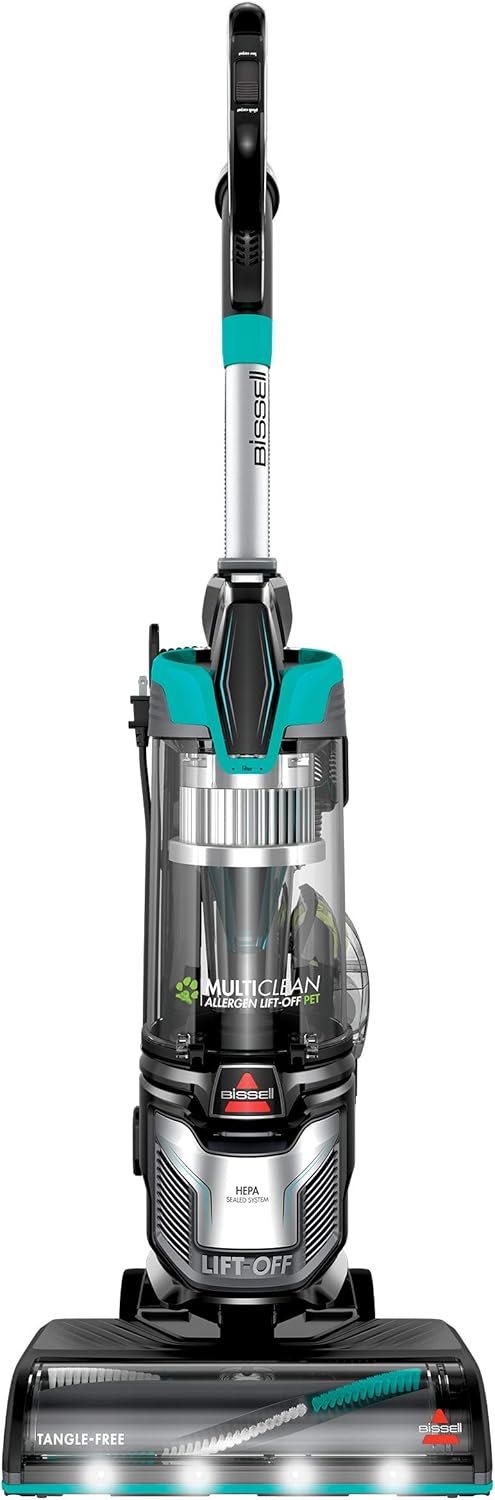
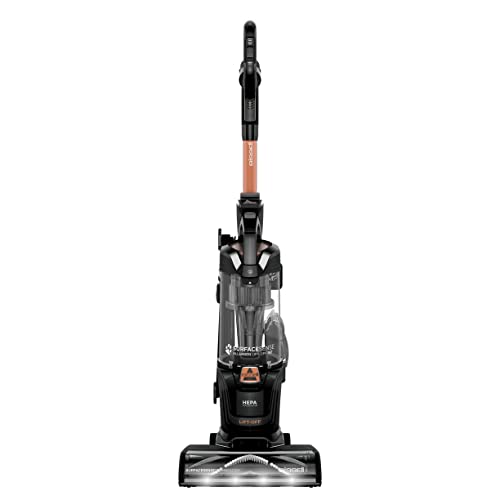


Who Should Buy Which Bissell Upright Vacuum?
Pet Owners Dealing With Hair and Odors
Bissell's pet focused uprights add tangle resistant brush rolls, larger bins, and filters with odor control, which suits homes where hair and litter dust are a daily reality. Choose a bagless pet type if you empty the bin often and want no bag costs. The wider checklist for hair, dander, and brush design sits in our guide to the best upright vacuum for pet hair, and it is worth comparing those traits against the Bissell types before you decide.
Allergy Sensitive Homes That Prefer Bags
If emptying a bagless bin sends dust into the air you breathe, a bagged Bissell type is the calmer choice. Sealed bags trap hair and fine particles and drop straight into the trash with almost no dust contact. Our guide to the best bagged upright vacuum explains bag sizes and filtration ratings, which helps you judge the ongoing cost per bag against how often your home fills one.
Budget Shoppers and Second Vacuum Buyers
Bissell's entry uprights are some of the cheapest full size cleaners sold, and they make sense for rentals, dorms, and as a second machine for one floor of a house. Expect simpler filtration and more plastic, but real carpet agitation that a cheap stick cannot match. If low upkeep cost matters more than features, compare the bagless entry types with our guide to the best bagless upright vacuum to see the trade offs across brands at this level.
Key Features to Compare
Bagged Versus Bagless Formats
This is the first fork in the Bissell range. Bagless cyclonic types cost nothing in bags and let you see when the bin is full, but emptying stirs dust and the filters need washing to keep suction up. Bagged types hold far more debris, seal the mess away at disposal, and keep their filters cleaner for longer, at the price of ongoing bag purchases. Homes with heavy shedding usually fill bags slowly enough that the cost stays modest, while very dusty renovation heavy homes can burn through bags fast. Decide by your dust tolerance first and your wallet second.
Brush Roll and Carpet Height Adjustment
Uprights earn their keep on carpet, and the brush roll does the work. Bissell uses bristle and rubber combinations, with pet lines adding designs that resist hair wrap. Height adjustment matters more than many buyers expect: a head set too low on thick pile strains the belt and motor, while one set too high skims over embedded grit. Models with manual height settings suit homes with several carpet depths, while automatic adjustment is simpler but less precise. On hard floors, look for a brush shutoff so the roll does not scatter crumbs or scratch soft wood finishes.
Suction, Cord Length and Reach
Corded uprights deliver full power until you unplug them, so the practical limits are cord length and hose reach. Bissell cords commonly run long enough to clean two or three rooms per outlet, and a cord rewind saves winding by hand on some types. Hose and wand reach decides how the vacuum handles stairs, upholstery, and ceiling corners; a stretch hose that pulls the machine over is a genuine frustration on stairs. Judge the balance by thinking through your own staircase: the vacuum usually waits at the bottom while the hose does the climbing.
Filtration and Scented Filters
Bissell offers washable foam filters on most bagless types and sealed HEPA grade filtration on its better lines. Some pet models use lightly scented filters that freshen the exhaust air; they mask odor rather than remove it, and scent sensitive households may prefer the unscented versions. Whatever the type, filtration only works if you keep it clean. A clogged foam filter is the most common reason a Bissell loses suction, and it is also the cheapest problem to fix. Note the filter size and price when you buy, because odd sizes cost more and go out of stock sooner.
Weight and Steering
Full size uprights are the heaviest format in home cleaning, and Bissell types range from light machines around 10 pounds to feature heavy pet models well above 15 pounds. Swivel steering cuts the effort of working around furniture, which matters more than raw weight for most people. If the vacuum must go up and down stairs weekly, the lighter bagged and entry bagless types are far easier to live with. Lift off designs, where the canister detaches for portable cleaning, add versatility for stairs and car interiors at the cost of a little extra complexity.
Attachments and Above Floor Cleaning
Nearly every Bissell upright carries a crevice tool and a dusting brush; pet types add a motorized or air driven upholstery tool for hair on sofas and stairs. Check where the tools live: onboard storage keeps them at hand but can make the body bulky, while a separate caddy gets lost in a closet. The pet hair tool is the one attachment owners actually use weekly, so it is worth more than a long list of rarely touched extras. Buyers narrowing the whole category can compare formats in our guide to the best upright vacuum.
Reading the Bissell Upright Range by Type
The range falls into four rough groups. Entry bagless types are the low price workhorses for small homes and rentals, usually around $80 to $150. Mid range bagless and pet types add better filtration, swivel steering, and hair resistant brush rolls at about $150 to $250. Bagged types serve allergy sensitive and mostly carpeted homes across about $120 to $280 depending on size and filtration. Premium pet and lift off types sit around $250 to $400 with the strongest feature sets. Across all of them, bags, belts, and filters are widely stocked, which is one of the practical reasons the brand stays popular.
Common Mistakes to Avoid
- Buying the heaviest pet model for a home with stairs means the vacuum stays on one floor and half the house quietly goes uncleaned.
- Never washing the foam filter makes suction fade within months, and many owners replace a healthy vacuum that only needed a rinse and a full day of drying.
- Choosing bagless for an allergy sensitive home without checking the seal means every bin emptying puts fine dust back into the air.
- Running the brush roll on delicate hard floors without a shutoff can scatter grit and leave fine scratches on soft finishes.
- Ignoring belt condition leads to a spinning motor with a still brush roll, so the vacuum pushes dirt around instead of lifting it.
Care and Maintenance
Wash or replace filters on the schedule in the manual, and always let a washed filter dry completely before refitting it. Check the brush roll monthly for wrapped hair and string, and inspect the belt for glazing or cracks; belts are cheap and a fresh one restores carpet performance. Empty the bin at the fill line or change the bag when it feels about two thirds full, because airflow drops as debris packs in. Wipe the bin and cyclone shroud on bagless types, keep the cord stored without tight kinks, and store the machine indoors away from damp garage air that corrodes contacts.
FAQ
How long does an upright vacuum last?
A well kept upright typically lasts about five to eight years, longer than most cordless models, because there is no battery to fade. Belts, filters, and brush rolls are wear parts that need periodic replacement, and they are inexpensive on mainstream lines like Bissell. The machines that die early usually suffer from clogged filters overheating the motor or from bags left packed full for months. Simple upkeep, done on schedule, is the whole secret to the long end of that range.
Is an upright vacuum worth it if I already own a stick?
For homes with significant carpet, yes: an upright agitates pile and holds far more debris than a stick, so weekly deep cleans get faster and more thorough. The stick still wins for daily crumbs and quick passes. Many households use the upright as the main machine and the stick as the backup, which is why a modest Bissell type often makes more sense than a premium one. If your home is all hard floors, the stick alone may genuinely be enough.
How do you clean an upright vacuum?
Start at the bottom: flip the machine, clear the brush roll of hair, and check that it spins freely. Empty the bin or check the bag, then remove and wash or replace the filters and let them dry fully. Wipe the hose entrance and check for a blockage where the hose meets the body, a common hiding spot for clumps of hair and paper. Finally, inspect the cord for damage before storing. This routine takes about ten minutes and restores most lost suction.
Is Bissell a good upright vacuum brand?
Bissell's strength is value and parts availability: the machines are priced below many rivals, and bags, belts, and filters are stocked almost everywhere. The trade off is that entry models use more plastic and simpler filtration than premium brands. For most homes, especially pet homes, that trade is sensible, because performance on carpet and hair is competitive where it counts. Buyers who want the quietest or most refined machine should compare upward, but few brands match Bissell for cost per year of service.
Which type of Bissell upright vacuum should I buy?
Let your floors and your dust tolerance decide. Mostly carpet with allergies points to a bagged type with sealed filtration. Mixed floors with pets points to a bagless pet type with a hair resistant brush roll and a brush shutoff for hard floors. Small spaces and tight budgets point to the entry bagless types. Stairs argue for the lightest model that still meets your floor needs. The product table above lines the types up by these traits so the choice takes minutes, not guesswork.
Final Thoughts
Bissell's range rewards buyers who choose by format instead of by the longest feature list: bagged for clean air, bagless pet types for hair, light types for stairs, and entry types for simple homes. Check the filter and bag costs, match the brush roll to your carpet, and the best bissell upright vacuum for your home will keep its suction and its value for years. The product table above is the quickest way to compare the types side by side.


