
Best Blueair Air Purifier for 2026: Which Size Class Fits Your Room?
Disclosure: We may earn a commission when you buy through links on this page, at no extra cost to you. As an Amazon Associate I earn from qualifying purchases. Learn more

Choosing a quiet purifier? Match Blueair sizes to your room and weigh filter life and running costs to find the best Blueair air purifier.
Blueair built its reputation on a simple promise: serious air cleaning that you can run all night without hearing it or paying much to power it. The Swedish brand's lineup now stretches from a bedside cube to machines that guard a whole open plan floor, and the models blur together if you shop by name alone. Choosing the best blueair air purifier is really about matching a size class to a room, then checking the filter costs that follow you home.
This roundup takes the home cleaner angle on the brand: how its HEPASilent filtration differs from plain HEPA, which classes suit which rooms, and what ownership actually costs per year. If you are still comparing brands, our general best air purifier guide sets the wider field, and the comparison table below organizes the Blueair range by room class.

Who Should Buy Which Blueair Air Purifier?
Light Sleepers and Noise Sensitive Households
Blueair's quiet low speeds are the brand's signature, earned by a filtration method that lets air pass with less fan strain. If a bedroom purifier has ever kept you awake, this is the brand people switch to. The small and midsize classes run their lowest settings at a level most sleepers describe as background hush. You still size the machine to the room, but within the brand, you can buy a size up and loaf on a lower, quieter speed, which is the classic Blueair move.
Design Conscious Living Rooms
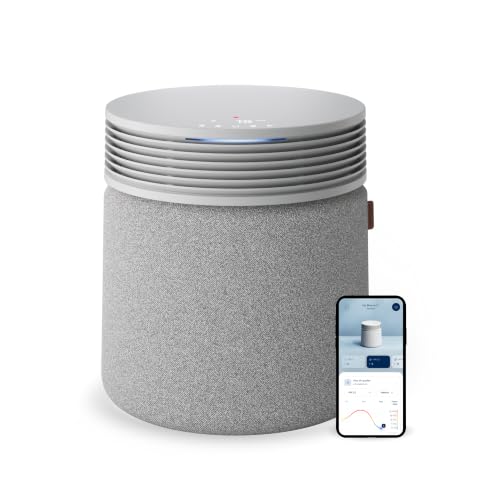
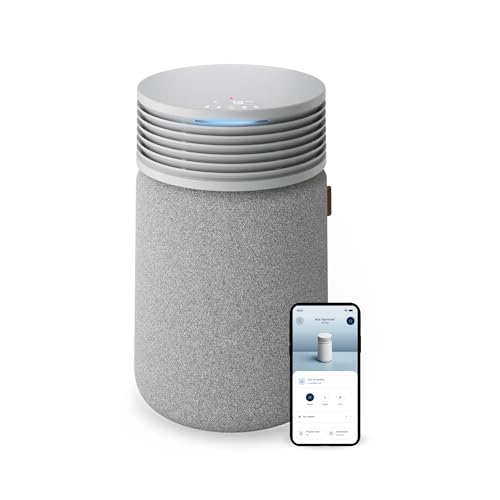
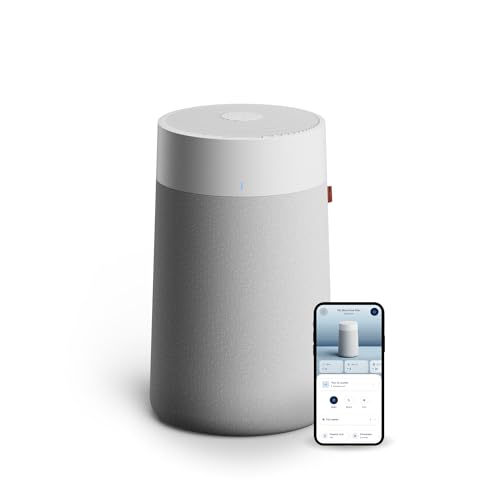
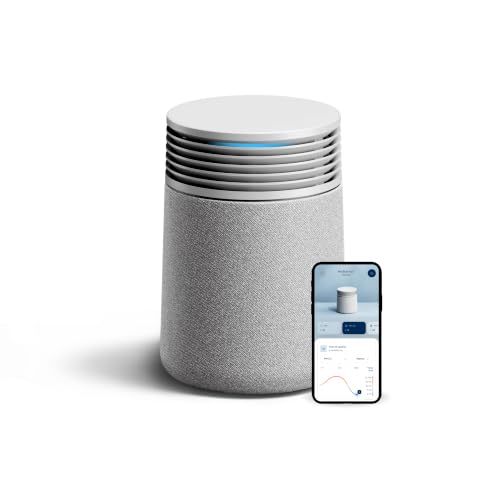
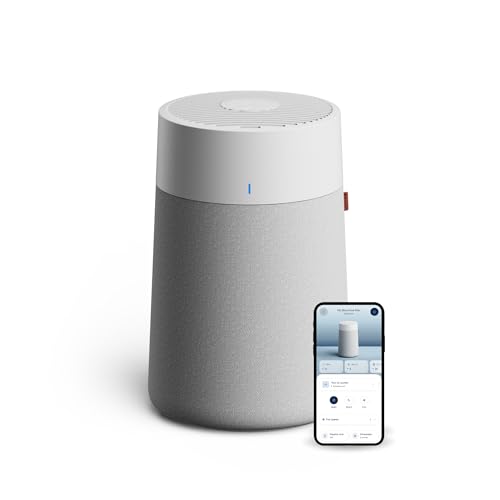
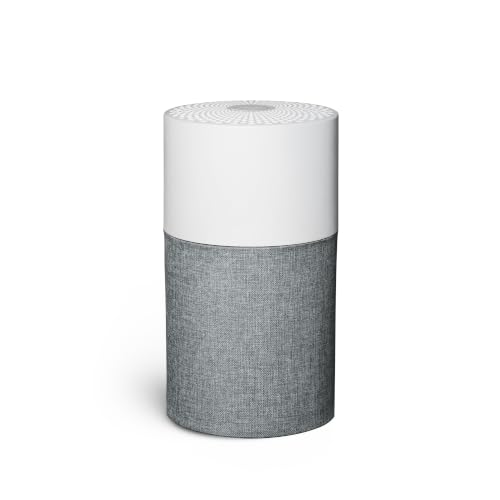
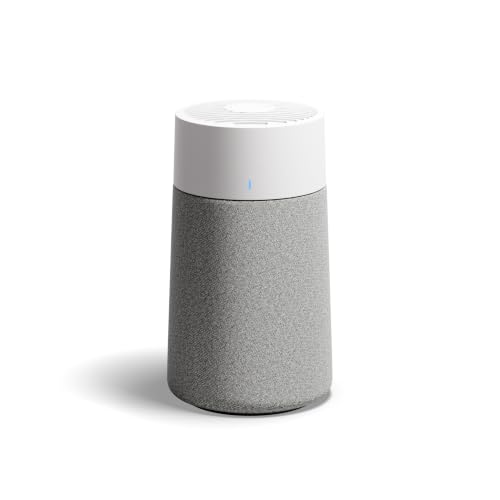
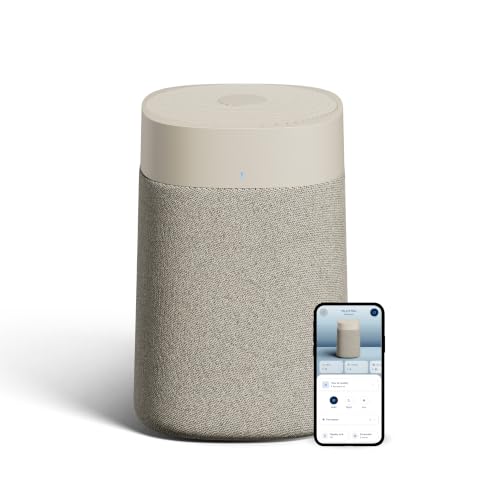
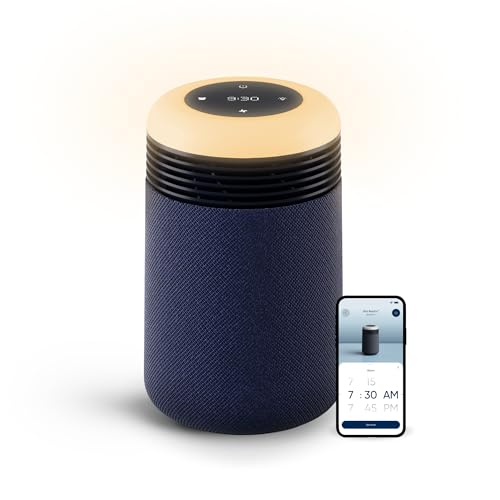
Most purifiers look like appliances that wandered in from a clinic. Blueair models wear fabric prefilters in muted colors on several classes, so the machine reads as furniture rather than equipment. If your purifier will live in plain sight in a living room, that matters more than spec sheets admit, because a machine you hide in a closet cleans nothing. The washable fabric prefilter also does real work, trapping lint and pet hair before it reaches the main filter inside.
Large and Open Plan Households
The top of the lineup serves big spaces that defeat ordinary purifiers, with high clean air delivery meant for open plan living areas. These are substantial machines with substantial filters, priced accordingly. If your main floor is one connected space, a single large class Blueair usually beats two midsize units on both noise and filter simplicity. Measure the space honestly, including ceiling height if yours run tall, because open plan volume is exactly where undersizing shows up as a purifier that never catches up.
Key Features to Compare
HEPASilent Filtration, Explained Plainly
Blueair combines two capture methods: an electrostatic charge on incoming particles plus a mechanical filter with looser fibers than a standard HEPA element. Charged particles stick readily, so the filter can be less dense, which lets air through with less noise and less energy. Delivered clean air still meets serious standards, and independent ratings apply to these models like any other. The honest caveat is that the system depends on that charging stage staying clean and powered. For allergy focused shoppers, compare the allergy class in our best air purifier for allergies guide, and remember no purifier replaces medical advice for breathing conditions.
Filter Options: Particle and Combination Carbon
Most Blueair classes offer a standard particle filter and a combination filter with added activated carbon for odors and gases. Choose the particle filter for dust and pollen duty, and the combination when cooking smells, traffic fumes, or a pet corner share the room. Carbon capacity in this brand is midweight: better than a scented pad, not a smoke remediation tool. Pet households should weigh the best air purifier for pets class as well, because the right carbon choice depends on how much of your air problem walks on four legs.
Sizing by Room Class and CADR
Read the lineup as three classes. The compact class covers bedside and nursery scale rooms, roughly the smallest closed spaces in a home. The midsize class is the bedroom and home office workhorse, sized for full rooms with the door closed. The large class targets living areas and open plans. In each class, compare clean air delivery ratings, not the marketing room size, and favor the model that cycles your room air several times per hour on a speed you will actually tolerate overnight.
Controls, Sensors, and the App Question
Blueair splits its range between simple manual models with a knob or a few buttons and connected models with particle sensors, auto mode, and app control. The simple ones cost less, have less to break, and suit guest rooms and offices. The connected class earns its premium in main bedrooms, where auto mode manages dust events while you sleep. Decide by room role rather than by novelty: automation matters where the machine runs unattended for years, and matters little where you switch it on yourself each evening.
Energy Use and Filter Replacement Cost
Low energy draw is a genuine brand trait; many models run on power comparable to a small LED bulb on their working speeds, which makes around the clock use cheap. The real ownership cost is filters. Main filters typically last about 6 to 9 months of steady use, and large class filters are priced like it. Before choosing a class, price its replacement filter and multiply by your rooms. A subscription or reminder through the maker helps, because a Blueair run on an exhausted filter is just a quiet fan with good design.
Reading the Blueair Lineup by Room Class
Start with the room, not the model name. For a nursery, child bedroom, or bedside spot, the compact class gives you the brand's quiet filtration in a footprint that fits a dresser corner, at the lowest entry price in the range, starting around $100. Step to the midsize class for main bedrooms and offices, where larger filters stretch replacement intervals and sensors on connected models manage the night shift. This middle band, roughly about $200 to $400 depending on features, is where most households land.
The large class exists for connected living spaces: more airflow, bigger carbon options, and prices climbing well past $500 on the biggest units. What changes as you climb is not the cleaning idea, which stays HEPASilent throughout, but air volume, filter size, and automation. One warning travels across all classes: in a home with an active moisture problem, no Blueair fixes the source, and the best air purifier for mold guidance on solving water intrusion first applies before any brand choice.
Common Mistakes to Avoid
- Undersizing to save money, then running a compact class unit on its loudest speed in a room it cannot serve.
- Skipping the carbon combination filter for a pet room, then blaming the brand when odors linger.
- Washing the main filter, which is not washable, instead of only cleaning the fabric prefilter as directed.
- Running the machine forever on its lowest speed and expecting fast cleanup after a dust or smoke event.
- Ignoring the filter replacement schedule because the machine still sounds fine, while clean air output quietly fades.
- Placing the unit flush against a wall or behind a sofa, starving the intake the design depends on.
How to Make Your Blueair Air Purifier Last Longer
The fabric prefilter is your maintenance front line: vacuum it every couple of weeks, or wash it as the manual allows, and the main filter inside will reach its full rated life. Replace the main filter on the indicator or calendar, about every 6 to 9 months in daily service, and never wash it. Wipe the exterior and intake areas with a dry cloth when you clean the room, and on connected models, clean the sensor lens gently so auto mode stays accurate. Register the warranty when you buy, keep the receipt with the manual, and store a spare filter so a change never waits a week on shipping.
FAQ
Is Blueair a good air purifier brand?
Yes, with a clear identity: quiet operation, low energy use, and clean design, backed by independently rated clean air delivery on its models. The trade offs are premium pricing and filter costs that match. The brand suits buyers who will run a purifier every night for years and value silence. Buyers chasing the lowest cost per room usually find better value in simpler brands, and buyers needing heavy odor control should compare carbon capacity carefully before committing.
How long do Blueair filters last?
Main filters typically last about 6 to 9 months of regular use, with the exact interval depending on class, room dust load, and hours run per day. The washable fabric prefilter stretches that life by catching the coarse load first, so keep it clean. Most models signal replacement with an indicator or app reminder. When output air starts smelling stale or dust returns faster than usual, treat those as signs the filter is done even if the calendar disagrees.
Is a Blueair purifier loud on its lowest speed?
No, quiet low speeds are the brand's home ground. The filtration design moves air through a less dense filter, so the fan works gently and the sound stays at a soft background level that most sleepers ignore. Noise rises on turbo like any purifier, and turbo is meant for short clearing sessions, not sleeping hours. If bedroom quiet is your deciding factor, this brand belongs at the top of your shortlist.
Do Blueair purifiers produce ozone?
Blueair states its purifiers are designed to meet strict ozone limits, and its models are certified under California air cleaner regulations, which cap ozone emissions at very low levels. The electrostatic stage is not the same as a free ionizer add on. As with any purifier, check the specific model's certification listing if someone at home has asthma, and raise the choice with their doctor. When in doubt, the particle only manual models are the most conservative picks in the range.
Which room size should I size a Blueair purifier for?
Size for the room where the machine will actually live, using clean air delivery rather than the marketing area claim. A model should cycle the room air several times per hour on a tolerable speed. When your room falls between classes, choose the larger class and run it slower and quieter; that trade is the classic reason people buy this brand. For open plan spaces, add the connected areas together and shop the large class honestly.
Final Thoughts
Blueair rewards buyers who shop by room class and running cost instead of by model name. Pick the class that fits your space, decide honestly whether you need carbon and automation, and keep the prefilter clean so the main filter earns its price. Compare the classes side by side in the product table above, and you will land on the best blueair air purifier for the way your home actually lives and sleeps.


