
Best Carpet Cleaner for Car Seats (2026): A Guide to a Faster, Deeper Clean
Disclosure: We may earn a commission when you buy through links on this page, at no extra cost to you. As an Amazon Associate I earn from qualifying purchases. Learn more

Choose the best carpet cleaner for car seats by comparing portable extractor size, hose reach, tools and drying time for fabric car interiors.
Coffee finds the gap between the seat and the console. Kids grind crackers into the back seat fabric, and a wet dog can undo a clean car in one ride. Vacuuming lifts the crumbs, but the stains and odors live down in the fibers, and that is extraction work. Finding the best carpet cleaner for car seats means looking past home carpet marketing and judging machines by how they behave in a driveway: their size, their hose reach, and how fast your seats dry afterward.
Most car owners are best served by a portable spot cleaner or a compact extractor rather than a full size upright, and the comparison table below shows the specs that matter for vehicle interiors. This guide explains which home situations call for which machine shape, the features that decide whether a stain actually comes out, and the habits that keep car fabric from smelling damp for days.


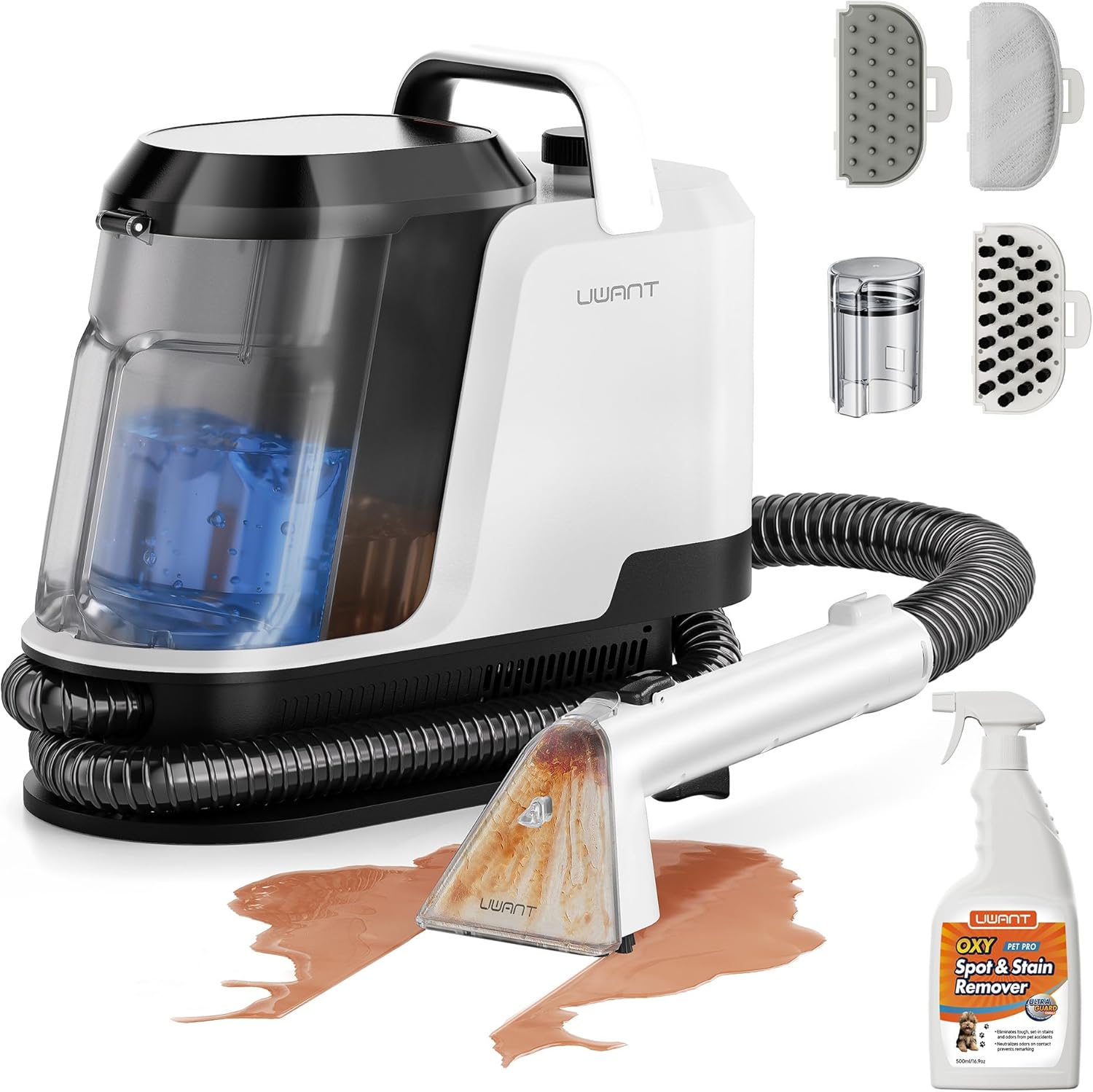

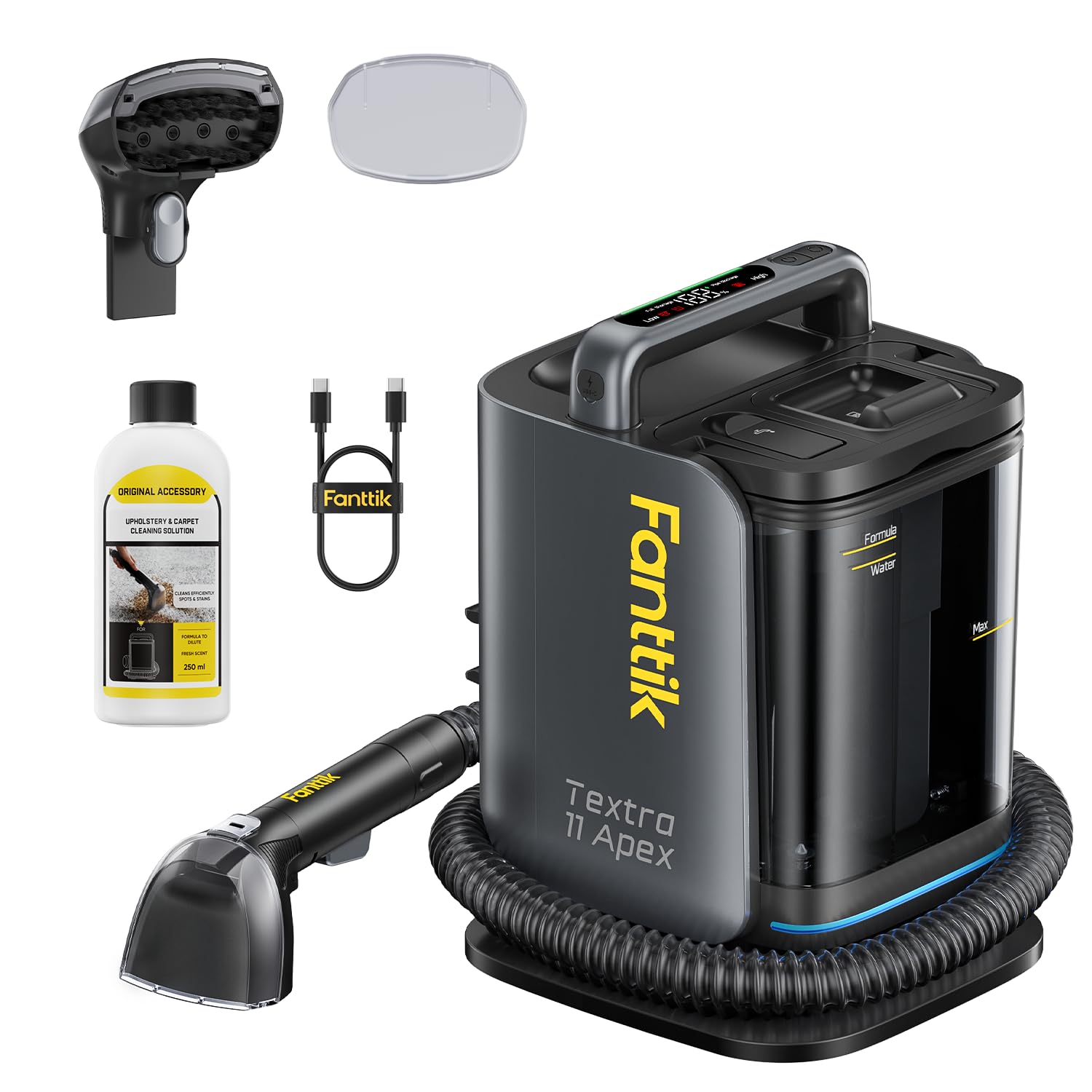
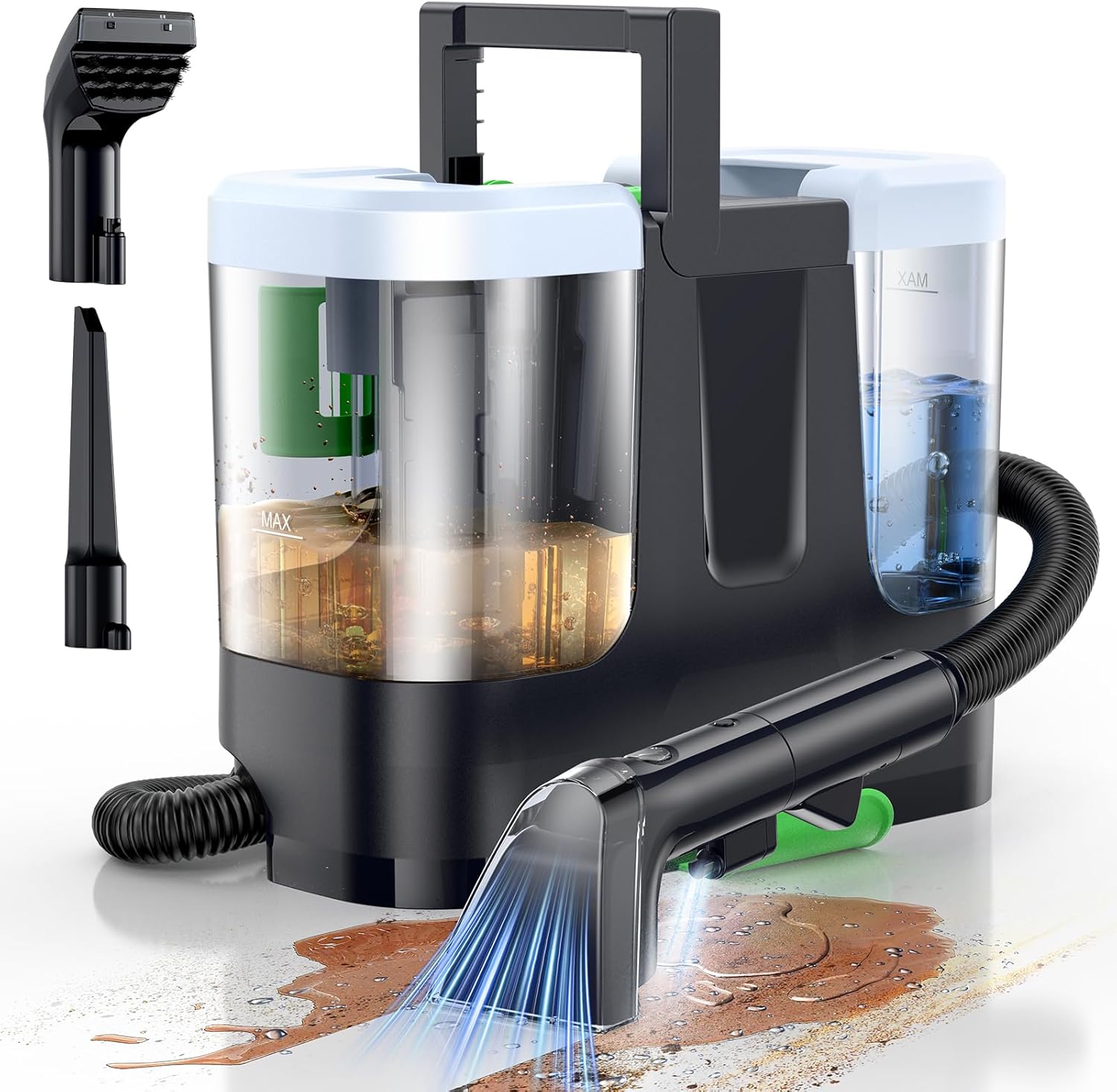
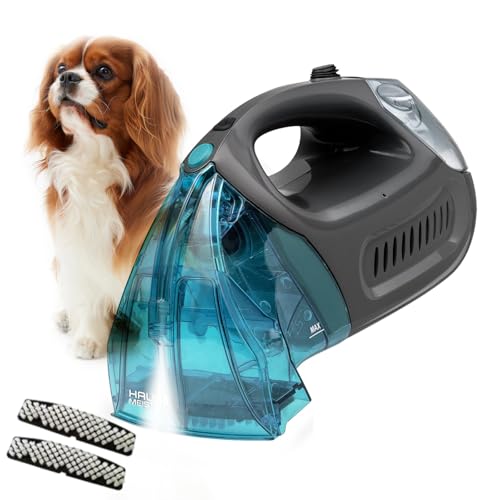
Who Should Buy Which Carpet Cleaner for Car Seats?
Parents Cleaning Up After Kids and Car Seats
Spilled milk, juice, and the occasional carsick incident are the hardest car seat messes because they sour fast in warm weather. You need strong extraction to pull the spill out of the foam beneath the fabric, not just off the surface, plus a small tool head that fits inside child seat crevices and between belt anchors. A portable machine you can carry to the car in one hand wins here, and a tank you can fill and empty several times without a break matters more than raw size.
Pet Owners Hauling Dogs in the Back Seat
Dog hair weaves into seat fabric and floor mats, and accidents soak through to the padding. Choose a cleaner with a rubber bristled tool or a dedicated pet tool that rakes hair up while it extracts, and plan on pretreatment for odor, since plain water rarely clears it. The machines in our best carpet cleaner for pet urine guide are built around enzyme friendly cleaning, and the same logic applies in a car. A longer hose helps you work the cargo area without lifting the unit inside.
Commuters and Rideshare Drivers Keeping a Presentable Cabin
If the car earns money or carries coworkers, the goal is fast turnaround: clean tonight, dry by morning, no lingering chemical smell. A compact extractor with strong water lift and a small footprint for garage storage fits this rhythm. You will clean more often but more lightly, so quick setup and a tank that rinses clean in a minute matter more than maximum capacity. Keep the machine, a bottle of solution, and a microfiber towel together so the whole job takes fifteen minutes.
Key Features to Compare
Machine Shape: Spot Cleaner, Compact Extractor, or Upright
Portable spot cleaners are the natural fit for cars: they sit on the driveway or the garage floor and reach in through the door. Compact canister extractors add bigger tanks and stronger motors for owners who also clean home upholstery. Full size uprights, the kind covered in our best carpet cleaner roundup, are awkward for seats because their floor heads cannot follow seat contours and their weight makes them tiring on stairs and driveways. Unless you also need whole room carpet cleaning, the portable shape is the sensible buy for a vehicle focused shopper.
Suction and Water Lift
Extraction is a two step event: solution loosens the soil, and suction pulls it back out. Strong water lift is what leaves seats merely damp instead of wet, and it is also what removes the sour residue that causes odors to return a week later. Weak machines leave so much moisture behind that dirt wicks back up from the foam as the seat dries, making the stain reappear. When you compare models, treat lift and recovery as the headline spec, ahead of tank size and ahead of how many tools are in the box.
Hose Length and Tool Set
A hose around five feet or longer lets the machine stay on the ground while you work the far side of a bench seat. Short hoses force you to balance the unit on the seat itself, which tips tanks and shortens your reach. The tool set decides the detail work: a narrow crevice tool for the gap beside the console, a tough stain tool with stiff bristles for ground in dirt, and a wide tool for floor mats. Self cleaning hose tools, which flush the spray path after use, prevent the moldy smell that stored machines develop.
Tank Capacity and Refill Rhythm
Car work uses less solution than a living room, so mid sized tanks are usually plenty and keep the unit light enough to carry loaded. What matters more is how the tanks open: wide mouths fill under a faucet without spills, and separate clean and dirty tanks stop you from spraying gray water back onto the seat. If you plan to clean two cars back to back, a larger dirty tank saves trips to dump it. Check that the tanks lock firmly, since you will tilt the machine carrying it across the driveway.
Drying Time and Ventilation
Even the best extraction leaves fabric damp, and a closed car in the sun can turn that dampness into a mildew smell within a day. Machines with stronger lift cut drying to a few hours. Your technique matters as much: extra dry passes with the suction only, no spray, pull out surprising amounts of extra water. Plan to leave windows cracked or doors open in a secure garage, and aim a small fan at the seats when you can. Never close a freshly cleaned car up tight and leave it for the weekend.
How to Deep Clean Car Seats Step by Step
Start with a thorough dry vacuum, including the crevice tool along the seat rails, because extracting over loose grit just grinds it in. Pretreat stains with the solution your machine maker allows and give it the dwell time on the label. Work one seat at a time: a slow wet pass, then two or three slow dry passes, overlapping slightly. Move to floor mats last, since they can be lifted out and dried in the sun. Rinse the machine tanks and hose tool right away, and run clean water through the sprayer so residue does not clog it before the next job.
Common Mistakes to Avoid
- Soaking seats with repeated wet passes, which pushes water into the foam and stretches drying from hours into days.
- Using hot extraction on leather or vinyl trimmed seats, which can dry out and crack the coating; check the vehicle manual first.
- Skipping the dry vacuum step, so loose grit turns into mud that the extractor spreads instead of removes.
- Closing the car up while seats are still damp, which traps moisture and grows a mildew smell in the headliner and carpets.
- Mixing cleaning chemicals or adding bleach to the tank, which can damage fabric dyes and create fumes in a small closed cabin.
- Forgetting the electrical basics: run the machine from a GFCI protected outlet and keep the cord clear of standing water in the driveway.
How to Make Your Carpet Cleaner Last Longer
Portable extractors die early from neglect, not from work. Rinse both tanks after every job and leave them open to dry, because stored dirty water grows a film that clogs spray jets. Flush the hose tool with clean water, and store the hose loosely coiled so it does not kink at the fittings. Check the suction gasket and the spray tip monthly; a partially blocked tip sprays in a fan that leaves stripes on fabric. Keep cleaning solutions stored upright, sealed, and locked away from children and pets, since concentrated detergents are a common household hazard. If the machine will sit through winter in a cold garage, empty it fully so leftover water cannot freeze and crack the tank or pump.
FAQ
Can you use a carpet cleaner on leather car seats?
Generally, no hot water extraction on leather. Leather and its protective coating can dry, stiffen, and crack when soaked and heated, and most vehicle makers advise against it. Wipe leather with a damp cloth and a leather specific cleaner instead, and save the extractor for fabric seats and carpeted floors. If your seats mix fabric centers with leather bolsters, mask the leather edges and work carefully, or clean those panels by hand.
How long do car seats take to dry after extraction?
With strong suction and several dry passes, fabric seats usually feel dry in about two to four hours in moving air. Thick foam cushions and humid weather extend that, sometimes to most of a day. Speed things up with open doors, a fan, or the car ventilation fan running on fresh air while parked safely. The seat is ready for use when it feels dry to a firm palm press, not just on the surface.
Will a carpet cleaner remove odors from car seats?
It removes a large share of odor when the source is in the fabric, because extraction pulls out the spilled material itself rather than covering it. Deep smells that have reached the foam may need an enzyme based pretreatment made for organic messes, left to work for the full dwell time on its label. This is the same approach used for the messes in our best carpet cleaner for pet stains guide. Ventilate the car well afterward, since trapped cleaner fragrance can smell strong in a small cabin.
Do you need to remove the seats to clean them?
For routine cleaning, no. A portable machine with a decent hose reaches the cushions, seat backs, and the carpet beneath with the seats slid fully forward or back. Removing seats is a bigger job involving bolts and, on many cars, airbag wiring in the seat, which is a job for a professional. If a spill has run under the seat rails, clean what you can reach and let a detailer handle removal rather than disconnecting safety components yourself.
How often should you deep clean car seats?
For most drivers, two to four times a year keeps fabric ahead of ground in dirt, with quick spot cleans in between for fresh spills. Family cars and pet haulers benefit from a session at the start of summer, before heat bakes odors in, and again before winter. The portable size covered in our best portable carpet cleaner guide makes that rhythm realistic, since setup takes minutes. Fresh spills should always be treated within a day or two, before they set.
Final Thoughts
The best carpet cleaner for car seats is the one shaped for the job: portable, strong on water lift, with a hose and tools that reach where car messes actually hide. Use the product table above to compare tank sizes and tool sets, favor recovery power over gimmicks, and build the dry pass habit into every session. Your seats will dry faster, smell cleaner, and hold up longer. Prices and availability can change, so check the product page before ordering.


