
Best DeWalt Pressure Washer Classes for 2026: How to Choose by Power and Job
Disclosure: We may earn a commission when you buy through links on this page, at no extra cost to you. As an Amazon Associate I earn from qualifying purchases. Learn more
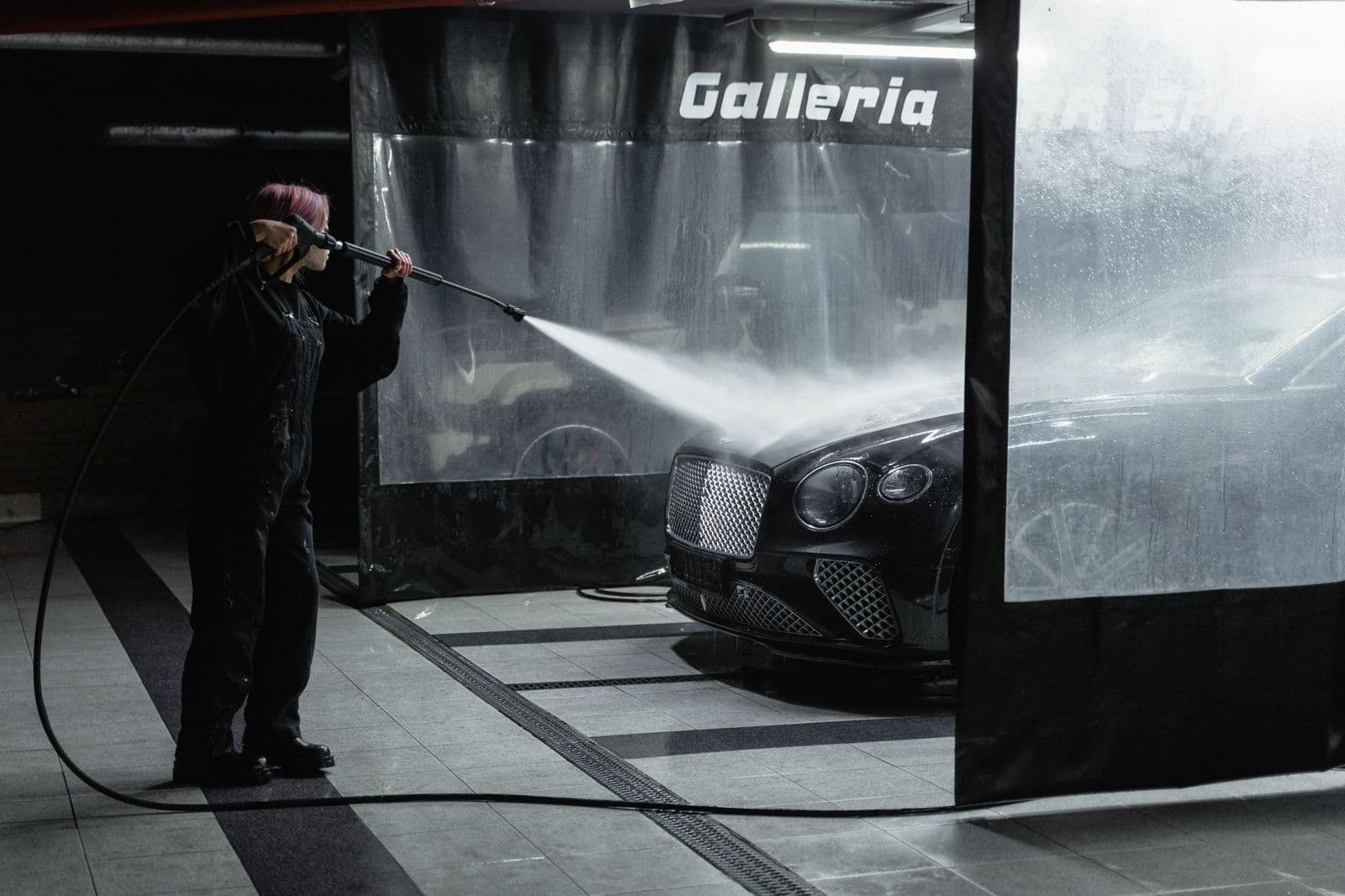
Compare DeWalt pressure washer classes, cordless, corded electric and gas, by cleaning power, pump, hose and runtime to choose the right one for your jobs.
DeWalt sells pressure washers in three different worlds: battery powered units that borrow the tool batteries already in your garage, corded electric models for steady home duty, and gas machines built like jobsite equipment. The yellow logo is shared, but the machines suit very different owners. Picking the best dewalt pressure washer is really about choosing which of those worlds matches your property, your existing batteries and how far your work sits from an outlet.
This guide walks the lineup by class rather than model name, compares the pumps, hoses and power figures that decide cleaning speed, and covers the upkeep each class demands. The classes are set side by side so you can locate your fit before the details.
Who Should Buy Which DeWalt Pressure Washer?
DeWalt battery owners who want quick rinsing freedom
If your garage already runs on DeWalt 20V or FlexVolt batteries, the cordless class is tempting for bikes, patio furniture, car rinses and campsite style cleanup where no outlet exists. Output is modest compared with corded and gas machines, and runtime is measured in minutes per pack, so this class is a convenience tool rather than a driveway restoration tool. Owners with several large batteries get far more from it than owners with one small pack.
Suburban homeowners who want one electric machine for everything
The corded electric class is the center of the home lineup: enough pressure for siding, decks, walkways and vehicles, with push button starting and no fuel to manage. If your jobs live within a hose length of the house, this is likely your class. Choose the stronger electric versions if your driveway is large, and plan on a surface cleaner attachment to keep big flat work moving at a sane pace.
Property owners and pros who clean far from the house
The gas class carries DeWalt jobsite DNA: steel frames, large wheels and engines sized for hours of work on driveways, farm equipment and building exteriors. If your cleaning happens at barns, long rural driveways or rental properties, gas freedom and flow justify the noise and upkeep. This group should pay closest attention to pump type, because at gas power levels the pump, not the engine, sets the lifespan of the machine.
Key Features to Compare
Cleaning units across the three power classes
Compare classes by cleaning units, PSI multiplied by GPM, rather than by pressure alone. DeWalt cordless units sit at the gentle end, suited to rinsing and light washing. Corded electric models occupy the middle, roughly in the 1,800 to 2,800 PSI range at modest flow, which covers most home surfaces. Gas models top the line with the highest flow in the brand, around 2.4 GPM and up, which is what actually shortens big concrete jobs. Remember that technique protects surfaces: a wide fan tip at a steady distance cleans siding safely with any class, while a narrow jet damages it with all of them.
Pump quality and serviceability
Across the brand, electric and cordless models use sealed axial style pumps sized for homeowner hours. The gas class is where pump choice becomes serious money: better DeWalt gas machines use triplex pumps that handle more hours, run cooler and can be serviced, while entry gas units use axial pumps that wear sooner under heavy use. Whatever class you buy, the habits that kill pumps are universal: never let the machine sit in bypass for more than a minute or two without spraying, keep the inlet filter clean so grit never reaches the seals, and winterize before freezing weather arrives.
Hoses, wands and nozzle systems
DeWalt bundles quick connect nozzle sets with most models, typically covering the standard fan angles plus a low pressure soap tip, and some gas units add a turbo nozzle for stained concrete. Hose quality varies by class: electric models often ship with lighter hoses that kink if you drag them around corners, while gas frames carry heavier rubber hoses. A longer, flexible replacement hose is the most common upgrade across the whole brand. Check the wand connections before buying accessories, and confirm whether the detergent system is an onboard tank or a siphon tube, since that affects how you switch between soap and rinse.
Battery platform fit for cordless models
The cordless class only makes sense inside the battery math. Larger capacity packs, especially the high output FlexVolt line, deliver usable runtimes for vehicle washing and small patio jobs; small compact packs fade quickly under pressure washer load, because the pump draws hard and continuously. Count your real inventory before choosing this class, and price the machine with the batteries you would actually need. If the total approaches a corded electric model and your jobs are all near the house anyway, the corded machine is the stronger buy.
Frames, wheels and storage
Jobsite styling is more than looks on the gas class: a welded steel frame survives truck beds and trailer rides, and oversized wheels roll over gravel, hoses and thresholds without tipping. Electric models favor compact storage, with cord and hose wraps that keep the unit closet sized. Whichever class you pick, measure your storage spot and the path to it, because a machine that is awkward to move gets used less. Also check total weight with a full detergent tank if you will carry the unit rather than wheel it.
Safety expectations at every power level
Even the gentlest class can injure: a pressure jet can cut skin and drive dirt into tissue, which needs emergency care even when the mark looks minor. Wear eye protection and closed shoes, keep the wand aimed away from people and pets, and never test pressure against your own hand. Electric and cordless models belong on GFCI protected circuits outdoors, with plugs kept dry. Gas models add two rules: run them only outdoors because of carbon monoxide, and let the engine cool before refueling. Keep every class away from ladders while spraying, since trigger recoil at height causes falls.
The DeWalt Lineup in the Wider Market
Brand loyalty should survive a comparison, so place the classes against the market before you commit. Our general guide to the best pressure washer shows where DeWalt sits on cleaning units per dollar, and the best pressure washer for home use roundup is the right frame for the electric class. Vehicle washers should check the best pressure washer for cars guide, because paint safe practice depends on tips and distance more than brand, and the best cordless pressure washer roundup compares whether DeWalt battery convenience beats rival platforms you may already own.
Money wise, the cordless class costs the most per unit of cleaning power once batteries are counted, the electric class is the value center for homes, and the gas class charges for flow, frames and pump quality that only larger properties will use. None of that is a flaw; it is the shape of the lineup. The mistake is paying for a class whose strengths you never touch, such as gas flow for a small patio, or cordless freedom for jobs that all happen beside an outlet.
Common Mistakes to Avoid
- Buying the gas class for suburban jobs and then fighting stale fuel and pull starts for two uses a year.
- Expecting a cordless unit to restore a full driveway, which drains pack after pack and overheats a light duty pump.
- Using the 0 degree tip on decks and siding, which cuts wood fibers and strips paint regardless of brand.
- Leaving any class in bypass while you move furniture, which cooks pump seals with recirculated hot water.
- Skipping winterization because the machine is new, which is how first winter freezes crack pump housings.
- Storing a gas model with untreated fuel, which gums the carburetor and turns spring startup into a repair bill.
How to Make Your DeWalt Pressure Washer Last Longer
Flush detergent from the system with clean water after every soapy job and release pressure before disconnecting hoses, a habit that protects both seals and your hands. Keep the water inlet screen rinsed, since one gritty session scores pump internals permanently. Gas engines want oil changes on schedule and fresh stabilized fuel; electric models want dry storage and a cord inspected for nicks each season. Before winter, run pump saver antifreeze through any class that lives where temperatures drop below freezing. Coil hoses loosely, store nozzles where they will not be stepped on, and replace worn O rings at the first drip rather than overtightening connections until something cracks.
FAQ
Is DeWalt a good pressure washer brand?
DeWalt builds pressure washers to the same jobsite standard as its tools, with the gas class in particular known for sturdy frames and serviceable pumps on the better models. The electric and cordless classes compete on platform convenience and build quality rather than class leading flow. As with most brands, the entry models of each class are built to a price, so the smarter question is which DeWalt class and pump level fits your workload, not whether the logo is trustworthy.
Which DeWalt pressure washer class is best for a driveway?
For an average suburban driveway, the stronger corded electric models handle routine cleaning well, especially with a surface cleaner attachment keeping the pace even. For long or heavily stained driveways, the gas class finishes in a fraction of the time because flow, not pressure, sets the speed on flat concrete. The cordless class is the wrong tool here; save it for rinsing the car and the patio furniture, where its freedom is the whole point.
How long do DeWalt cordless pressure washers run per battery?
Runtime depends heavily on pack size and pressure setting, but expect minutes rather than tens of minutes from small packs under full load, and meaningfully longer sessions from large high capacity packs. Plan vehicle washes around a pack swap, and keep a second charged battery ready if the job matters. If your typical job list needs sustained spraying, the honest answer from the brand own lineup is a corded model, which never asks the question at all.
What maintenance does a DeWalt gas pressure washer need?
Engine oil changes on the schedule in the manual, an air filter kept clean, fresh fuel with stabilizer for storage, and pump care shared with every class: clean inlet screen, no long bypass running, and antifreeze protection before winter. The spark plug and fuel lines deserve a look each season. Owners who treat the gas class like the jobsite equipment it is, rather than an appliance, routinely get many years from both engine and pump.
Can you use a DeWalt pressure washer on a car safely?
Yes, with the gentle end of the nozzle set and disciplined distance. Use a 40 degree fan tip, hold the wand about a foot or more from the paint, and let a foam cannon and dwell time do the soil loosening instead of pressure. The cordless and electric classes are the natural fits for vehicle work. Never use a 0 degree tip or a turbo nozzle on paint, and keep the jet away from badges, trim edges and any chipped spots where pressure can lift the finish.
Final Thoughts
Choose the power class first and the badge second: batteries for freedom on small jobs, corded electric for steady home duty, gas for flow and distance. Weigh the classes against your property and your existing battery shelf, and the best dewalt pressure washer for your garage will be the one whose strengths match the work you actually do every season.


