
Best Fuel System Cleaner for Lawn Mowers of 2026: Complete Buying Guide
Disclosure: We may earn a commission when you buy through links on this page, at no extra cost to you. As an Amazon Associate I earn from qualifying purchases. Learn more

Choose the best fuel system cleaner for lawn mowers by detergent strength, dose and ethanol protection, and use it safely in small engines.
A mower that surges at idle, hunts for a steady speed, or needs pull after pull before it catches is often suffering from deposits in the carburetor and fuel lines rather than a worn out engine. Choosing the best fuel system cleaner for lawn mowers comes down to matching the formula to your fuel, your engine type, and how long deposits have been building.
This guide explains the detergent chemistries that matter, how dosing works, and when a cleaner can help and when the problem has gone too far for any additive. Use the product table to narrow your shortlist before reading the detail.

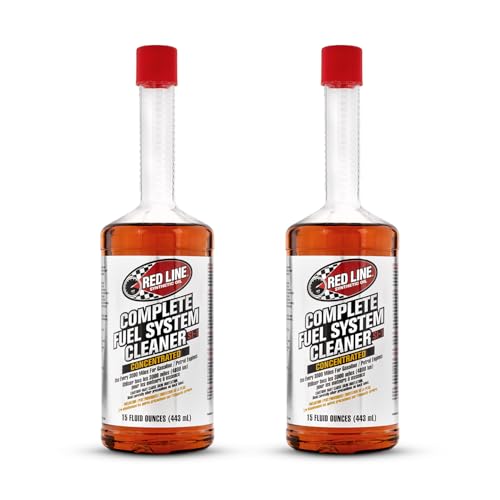
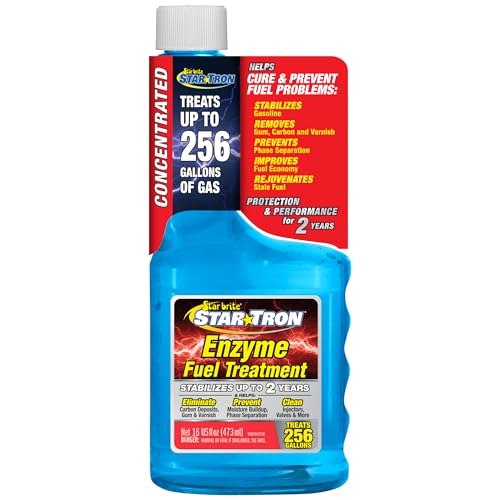

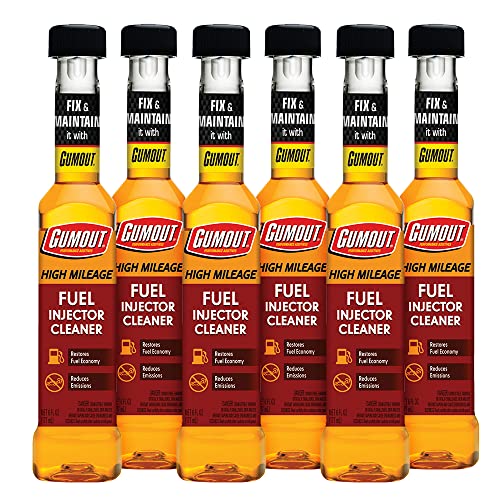

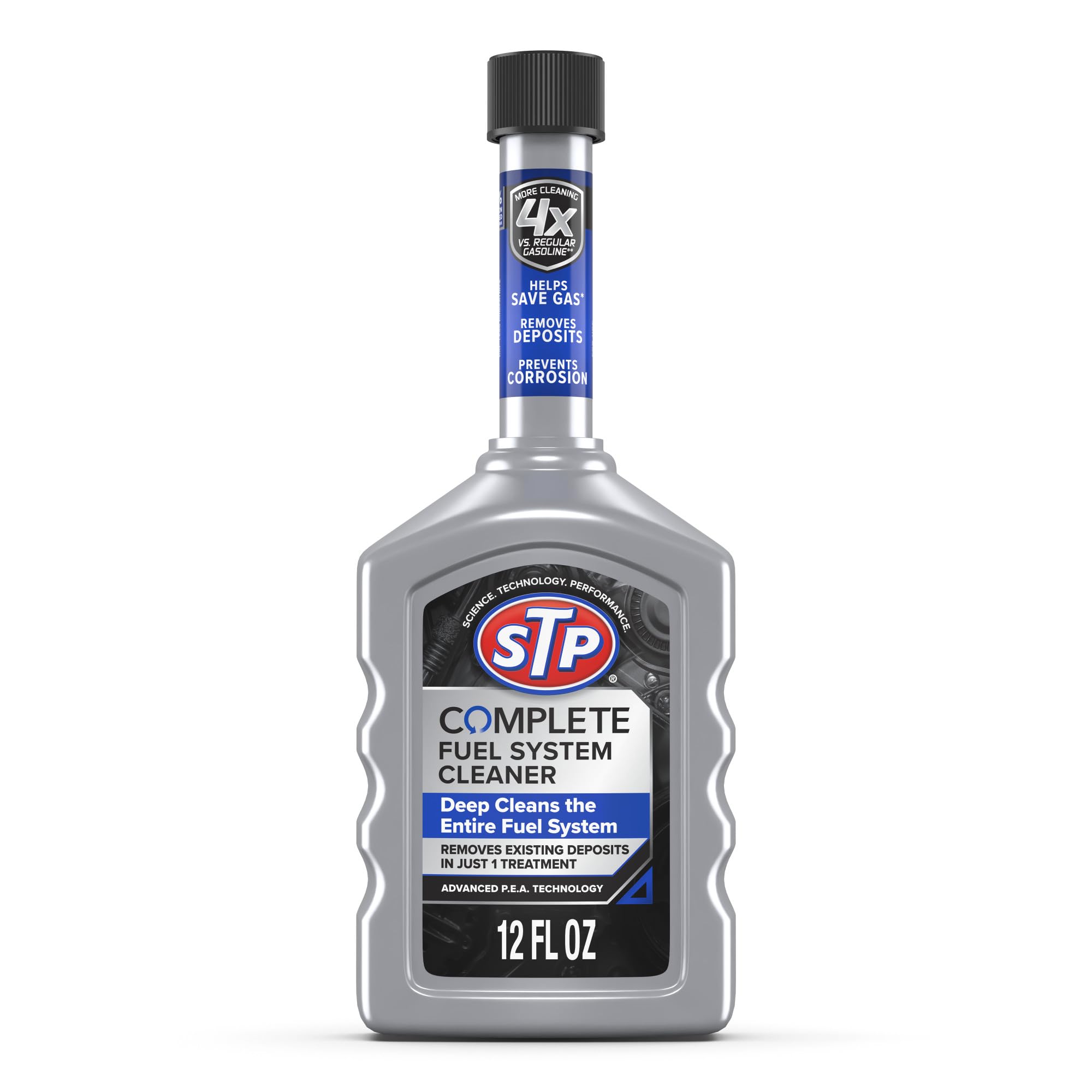


Who Should Buy a Fuel System Cleaner for a Lawn Mower?
Not every mower needs a fuel treatment, and a cleaner is not a repair in a bottle. It earns its place in three common situations, and knowing which one fits you decides both the formula strength and the dose you should look for.
Owners Restarting a Mower After Months in Storage
Fuel that sits in a tank and carburetor bowl over winter slowly oxidizes and leaves gum and varnish on jets and needle valves. If your mower ran fine last fall but now starts hard, stalls under load, or only runs with the choke partly on, deposits are the likely cause. A concentrated treatment at the stronger cleaning dose is the right starting point for you, used in fresh fuel so the detergent has clean gasoline to work with.
Owners Who Run Ethanol Blended Fuel
Most pump gasoline contains ethanol, and ethanol absorbs moisture from the air over time. In a small vented mower tank that moisture can separate, corrode metal parts, and swell or harden older rubber fuel lines. If ethanol blended fuel is all you can buy locally, a cleaner with corrosion inhibitors and water handling additives protects the system between mows and slows the deposit cycle that ethanol fuel tends to speed up.
Owners of Older Mowers That Run Rough but Still Start
A mower that starts on the first or second pull but idles unevenly, surges, or loses power in thick grass often has partially restricted jets. That is the sweet spot for a detergent cleaner, because fuel still flows and carries the chemistry through every passage. If your mower will not start at all, skip ahead to the guidance on clogged carburetors, because a pour in treatment cannot reach fully blocked passages.
Key Features to Compare in Fuel System Cleaners for Lawn Mowers
The product table above groups formulas by type, but the label details below decide how a bottle performs in a small carbureted engine. Choosing the best fuel system cleaner for lawn mowers comes down to comparing these factors in order, so you avoid paying for strength you do not need or buying a dose too weak for the job.
Detergent Chemistry and Cleaning Strength
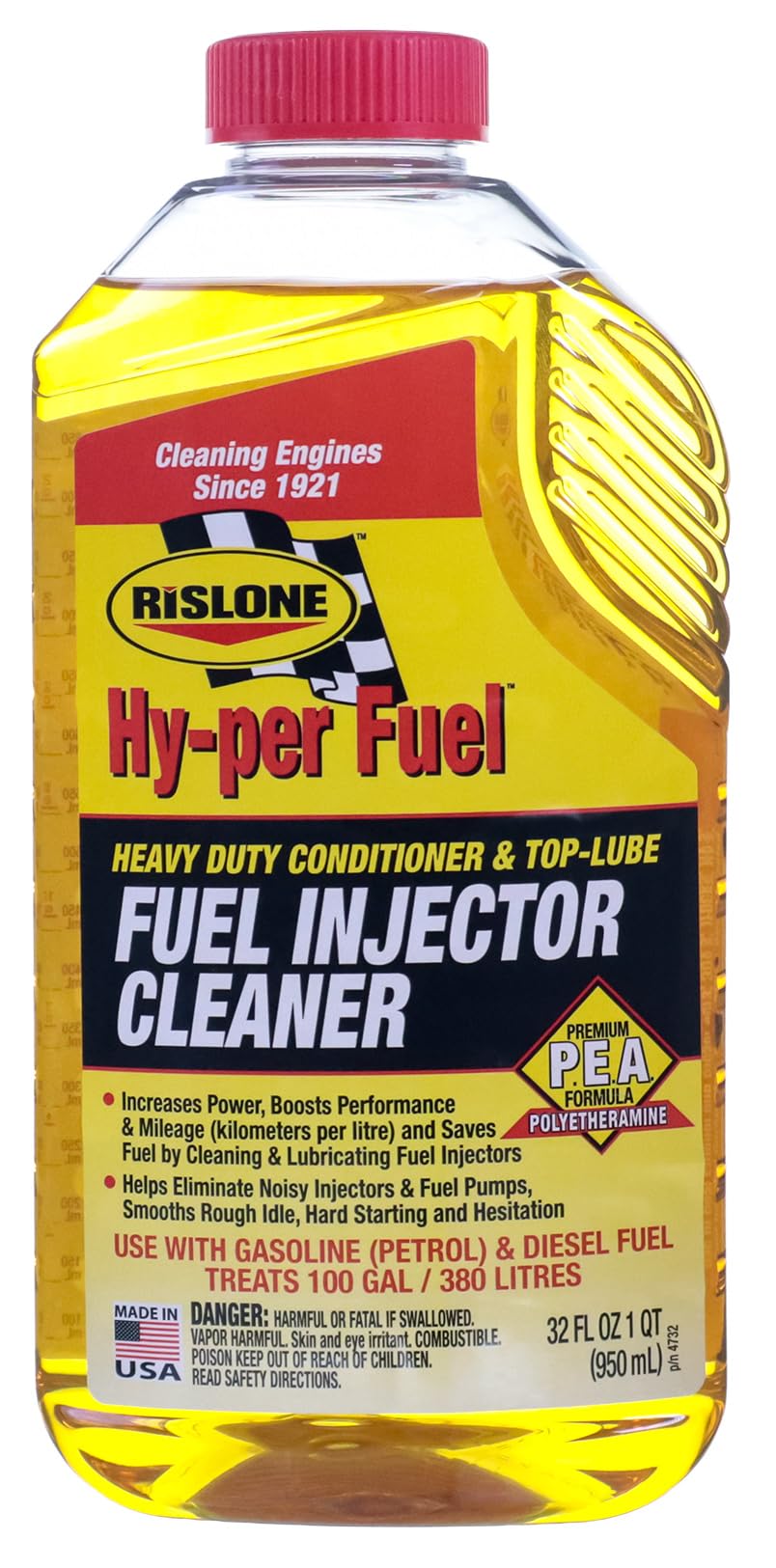
The active ingredient does the real work. Formulas built on polyetheramine, often shortened to PEA, are the strongest common detergents and can remove deposits from carburetor jets, intake valves, and combustion chambers while the engine runs. Older PIBA based formulas mostly prevent new deposits and clean lightly, so they suit maintenance use on a mower that already runs well. Check whether the label names its detergent family, because vague cleaning claims without a named chemistry usually signal a mild product.
The Deposits the Formula Targets
Mower fuel systems collect three main kinds of contamination. Gum and varnish form as fuel ages and coats the tiny passages in the carburetor. Carbon builds on the piston crown and valves after many hours of running. Water and corrosion come from ethanol fuel absorbing moisture. A formula aimed at stale fuel problems should say it dissolves gum and varnish, while one sold for routine upkeep should mention deposit prevention and corrosion protection. Match the claim to the symptom your mower actually shows.
Ethanol Compatibility and Corrosion Protection
Look for wording that the formula is safe with ethanol blends up to the level you buy, commonly E10 at most pumps. Better formulas add corrosion inhibitors that coat metal tank and carburetor surfaces, plus ingredients that help small amounts of absorbed water pass through the engine instead of pooling in the bowl. Starting with better fuel habits helps as much as any additive, and our guide to the best fuel for lawn mowers explains which gasoline grades and storage habits reduce deposit problems in the first place.
Dose Strength and Treating Rate
Labels state how many gallons one bottle treats, and mower tanks are small, often well under one gallon. A concentrate that treats ten gallons needs careful measuring for a mower, while a small single dose bottle sized for small engines is simpler and harder to overdose. Many products list two rates, a mild maintenance rate and a stronger cleaning rate, so confirm the bottle supports the rate your situation calls for. A built in measuring chamber or squeeze to dose cap saves guesswork and spills.
Two Stroke and Four Stroke Compatibility
Most walk behind mowers use four stroke engines with a separate oil sump, but some older and handheld equipment uses two stroke engines that burn oil mixed into the fuel. A cleaner for a two stroke engine must be safe to pass through that oil and fuel mix without thinning it, and the label should say so plainly. If the bottle only mentions automotive or four stroke use, do not assume it suits a two stroke engine. Check your engine type in the mower manual before you buy.
Cost per Treatment and Bottle Size
Judge value by cost per treated gallon, not by shelf price. A large bottle at around $15 that treats dozens of gallons can cost pennies per mower tank, while single dose bottles at about $5 each are simpler but far pricier per use. Most bottles on the shelf fall somewhere in that span. If you maintain several small engines, a larger concentrate with a measuring cap usually wins on value. If you own one mower and treat it twice a year, a small bottle you finish before it ages is the smarter buy.
Types of Fuel System Cleaners for Lawn Mowers
Nearly every product falls into one of three families. If you are also comparing simpler general treatments, our overview of the best fuel cleaner for lawn mowers covers the lighter duty end of the category, while the families below focus on full system formulas.
Maintenance Dose Detergent Cleaners
These are mild formulas added in small amounts every few tanks to stop deposits from forming in the first place. They suit mowers that already run cleanly and owners who mow weekly through the season. Their strength is prevention, so they rarely rescue an engine that already surges or stalls. Think of them as the cheapest insurance in the category, provided you start while the mower is healthy.
Concentrated Restoration Treatments
These are the strong PEA heavy formulas used at a higher dose for a mower that sat in storage or already shows deposit symptoms. You add the measured dose to fresh fuel and run the engine long enough for treated fuel to fill the carburetor and do its work, often a full mowing session. They cost more per treatment, but one or two tanks is usually the whole job.
Cleaner and Stabilizer Combination Formulas
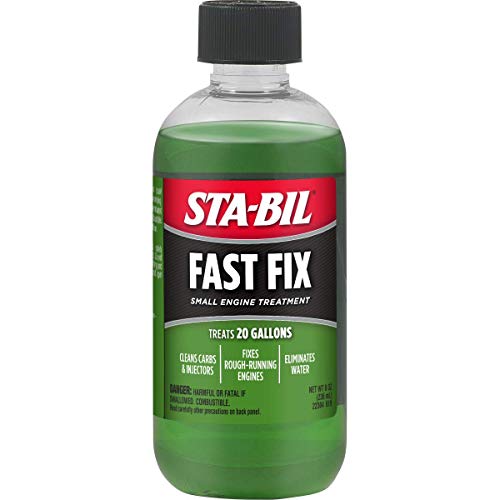
Combination products pair a detergent with stabilizing ingredients that slow fuel oxidation during storage. They make sense at the end of the season, when you want the last tank to clean lightly and keep for months. The tradeoff is that each function is usually milder than a dedicated product. For a fuller picture of how additive categories overlap, see our guide to the best fuel additive for lawn mowers, which sorts out what each additive family actually does.
How to Use a Fuel System Cleaner in a Lawn Mower
Correct use matters as much as the formula you pick. Follow these steps for a typical treatment.
- Start with fresh fuel. Drain or run out stale gasoline first, because detergent works poorly in fuel that has already broken down.
- Measure the dose for the amount of fuel you will add, using the rate on the label for cleaning or maintenance.
- Pour the cleaner into the tank, then add the fresh fuel so the two mix as the tank fills.
- Run the engine for at least ten to fifteen minutes, ideally a normal mowing session, so treated fuel reaches every jet and passage.
- Repeat for a second tank only if symptoms improve but have not cleared, and stop there if nothing changes.
Work outdoors or in a ventilated space, keep the bottle away from the hot muffler, and never smoke near open fuel. Let the engine cool before you open the fuel cap on a mower that has been running.
Common Mistakes to Avoid With Fuel System Cleaner
- Pouring cleaner into old, stale fuel, which leaves the detergent fighting broken down gasoline instead of cleaning the carburetor.
- Overdosing far beyond the label rate, which can make the engine run poorly and wastes money without cleaning any faster.
- Expecting a cleaner to unblock a fully clogged jet, which leaves you pulling the starter cord on a mower that needs the carburetor opened up.
- Using an automotive dose measured for a car tank, which badly overconcentrates the treatment in a mower tank under one gallon.
- Treating once and storing the mower on the same fuel all winter, which lets fresh deposits form and undoes the cleaning.
- Ignoring a cracked fuel line or a failing primer bulb, which no additive can repair and which will keep causing hard starts.
Storing Fuel System Cleaner and Handling It Safely
These products are flammable petroleum based liquids, so store the bottle upright with the cap tight, in a cool dry spot away from heaters, pilot lights, and direct sun. Keep it out of reach of children and pets, and never transfer it into a drink bottle or unmarked container. Wipe up spills with a rag and let the rag dry outdoors. If the product gets on your skin, wash with soap and water, and if it gets in your eyes, rinse with water and seek medical advice if irritation continues.
Frequently Asked Questions About Fuel System Cleaner for Lawn Mowers
What does a fuel system cleaner do inside a lawn mower engine?
A fuel system cleaner dissolves gum, varnish, and light carbon deposits as treated fuel flows through the tank, lines, and carburetor. The detergent rides along with the gasoline, softening buildup on jets and needles so normal fuel flow returns over one or two tanks. One detail worth knowing is that cleaning happens only where fuel actually flows, so passages sealed shut by heavy varnish get almost no benefit.
How often should you use fuel system cleaner in a lawn mower?
Most mowers do well with a cleaning dose once at the start of the season and a maintenance dose every month or two of regular mowing. One useful habit is to tie treatments to events rather than the calendar, for example the first tank after storage and the first tank after any fuel that sat in a can for weeks. Using it in every tank is unnecessary cost once the system is clean.
Can fuel system cleaner fix a lawn mower carburetor that is fully clogged?
No, a pour in cleaner cannot fix a carburetor whose jets are completely blocked, because the treated fuel never reaches the blockage. If the mower will not start at all, the carburetor usually needs removal and a direct spray cleaning or a rebuild. Our guide to the best carburetor cleaner for lawn mowers covers that hands on route, and it is the right next step when two treated tanks have changed nothing.
Is fuel system cleaner safe for two stroke lawn mower engines?
A fuel system cleaner is safe for a two stroke engine only when the label explicitly lists two stroke or small engine use. Formulas cleared for two stroke engines are made to pass through the oil and fuel mix without upsetting lubrication. A practical check is to treat a small batch of mixed fuel first and confirm the engine runs normally before treating a full container. When the label is silent about two stroke use, choose a different product.
What is the difference between fuel system cleaner and fuel stabilizer for a lawn mower?
A cleaner removes deposits that already exist, while a stabilizer slows the oxidation that makes stored fuel go stale in the first place. They solve opposite ends of the same problem, and many owners use a cleaner in spring and a stabilizer in fall. If you want the storage side explained in depth, see our guide to the best fuel stabilizer for lawn mowers. Neither product substitutes for the other, despite the similar bottles.
Final Thoughts
Start by matching the formula to your situation. A stored mower needs a concentrated detergent treatment in fresh fuel, an ethanol fuel user needs corrosion protection, and a healthy mower only needs light maintenance doses. Compare detergent chemistry, treating rate, and engine compatibility in the product table above before you decide on price. Chosen that way, the best fuel system cleaner for lawn mowers is simply the one whose strength fits the deposits you actually have, used at the right dose and at the right moment in the season.


