
Best Germ Guardian Air Purifier (2026): Towers, Tabletop Units and UV C Light
Disclosure: We may earn a commission when you buy through links on this page, at no extra cost to you. As an Amazon Associate I earn from qualifying purchases. Learn more

Compare Germ Guardian air purifier classes by format, UV C light, filter and bulb costs so you can size the right tower or tabletop unit for your room.
Germ Guardian built its following on value priced towers with one distinctive extra: a UV C light inside the machine, aimed at airborne microbes as air passes through. Around that feature sits a range that runs from tall living room towers down to small plug in units for bathrooms. The spread can confuse shoppers, because the smallest and largest products share a name and almost no capability. Choosing the best germ guardian air purifier for your home means sorting the range by format and room size first, then deciding honestly whether the UV C feature fits your expectations.
This guide explains the classes, what the light does and does not do, and the filter and bulb costs that follow you home.


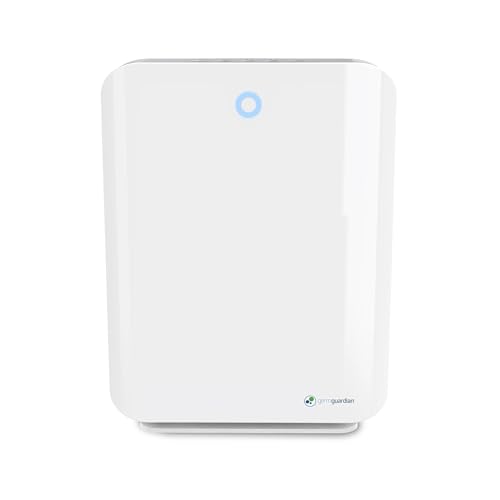
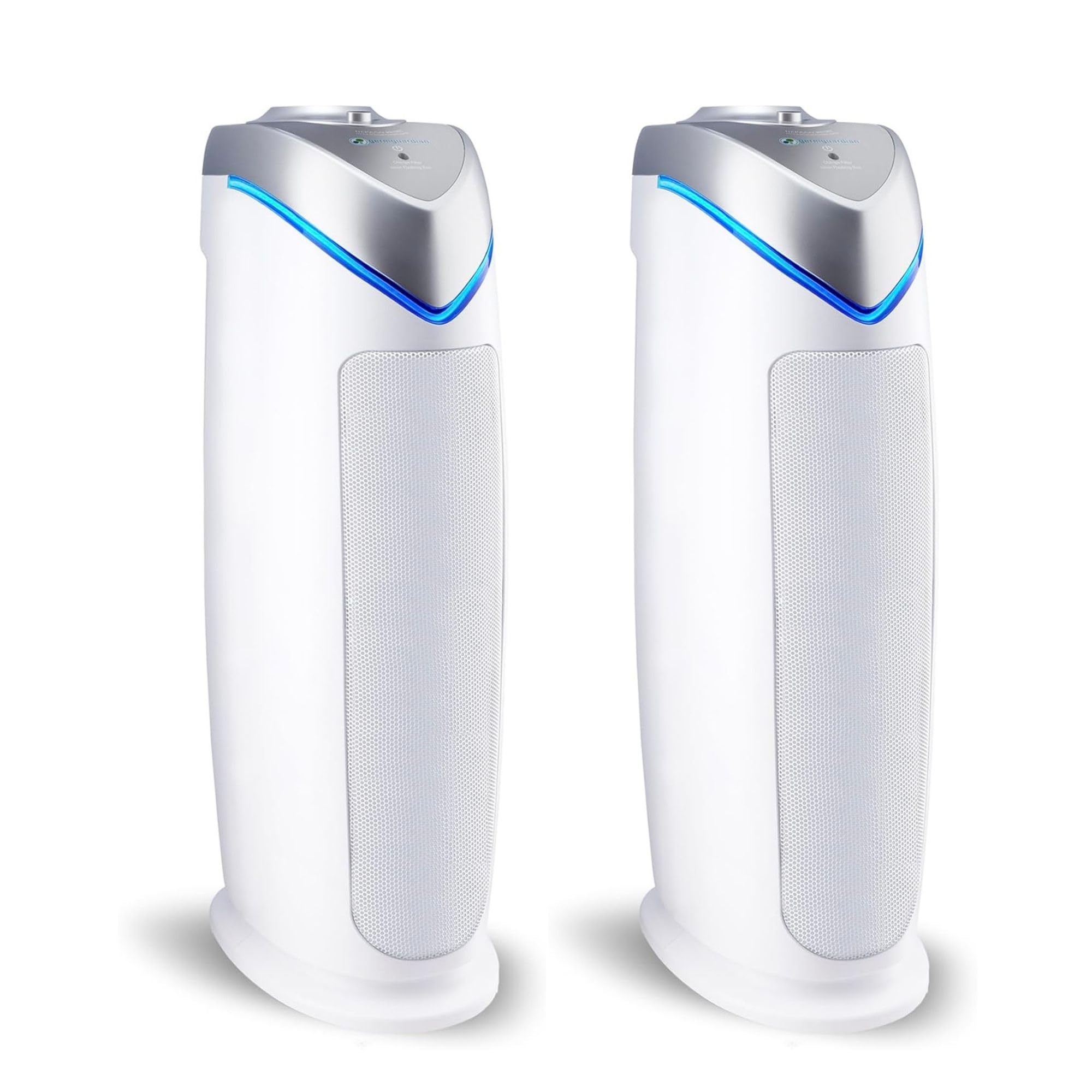
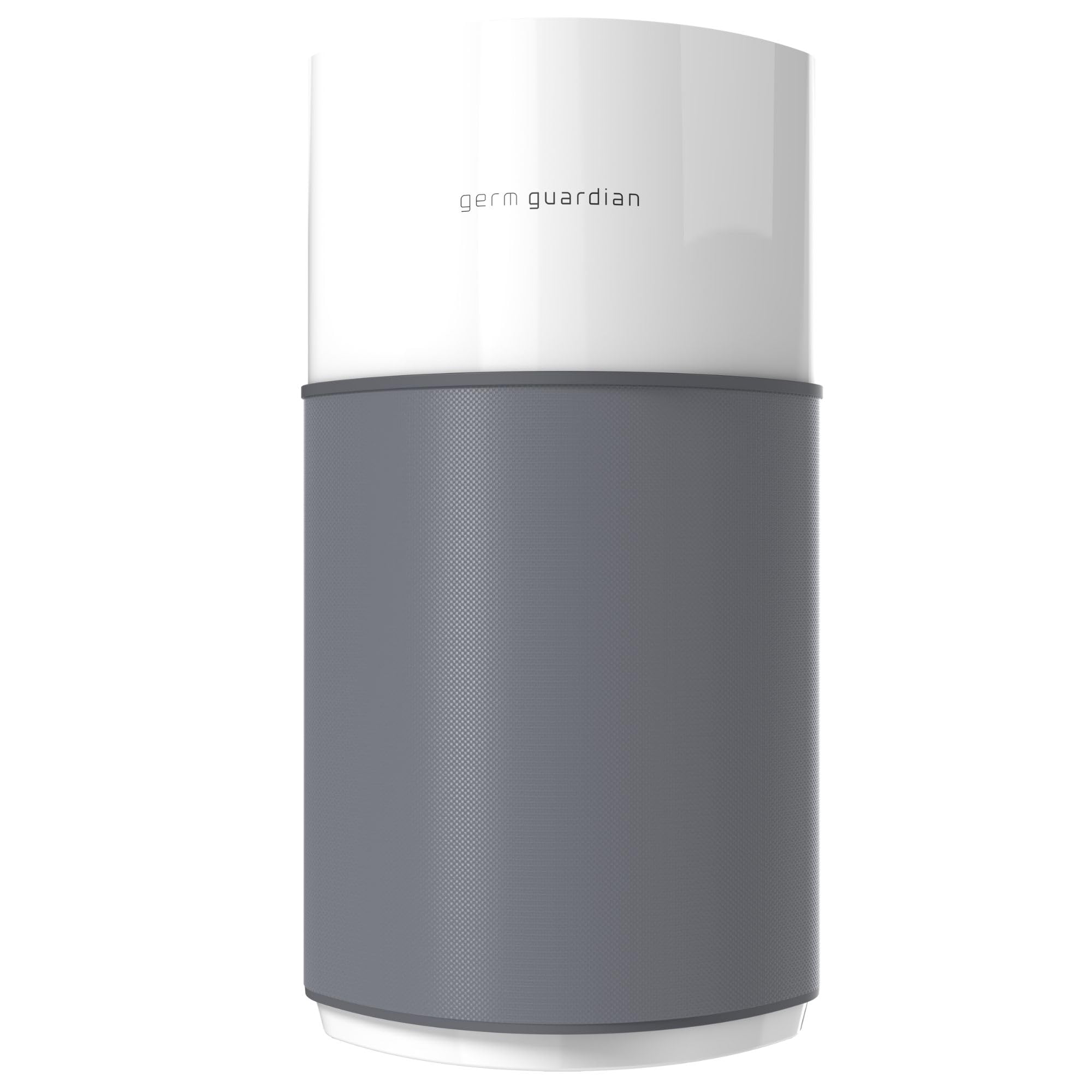
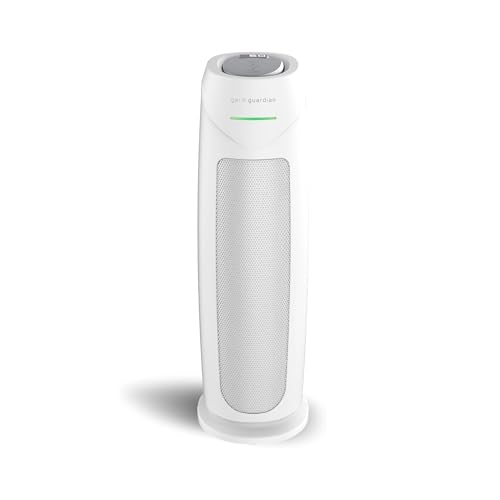


Who Should Buy Which Germ Guardian Class?
Living Room Owners Who Want One Tall Tower
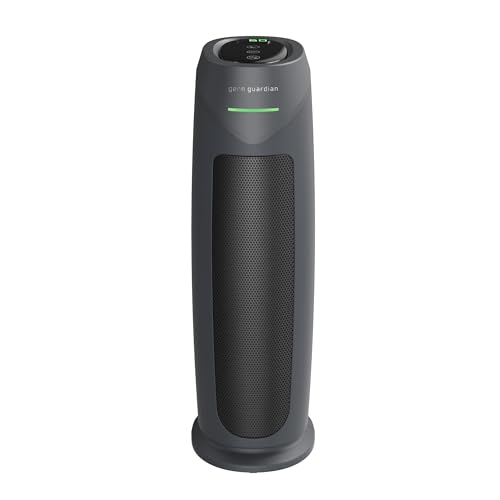
The full height towers are the heart of this range, built to serve open living spaces from a single corner footprint. A tower suits rooms where floor space is tight but vertical space is free, and its taller filter stack moves more air than the compact classes. If your main room is where cooking smells, pet traffic and guests all mix, this is the class to size first, using the room math in our general guide to the best air purifier categories.
Bedroom and Nursery Users Who Want a Compact Tower
The mid height towers trade some airflow for a smaller footprint and gentler noise, which suits bedrooms and nurseries where the machine runs all night. Pick this class when the room is modest and the purifier will live within earshot of the bed. Parents should still keep expectations grounded: the unit filters particles from the air, and it is one part of a clean room routine that includes washing bedding and vacuuming soft surfaces, not a shield that replaces them.
Small Space Owners Eyeing the Plug In Minis
The tiny plug in and tabletop units tempt buyers with price and size, but their airflow is a trickle. They can freshen the air right around a litter box corner or a small bathroom, and that is a fair job for them. They cannot clean a bedroom, whatever the shelf card implies. Buyers who need real particle removal in a small room should step up to the compact tower, and those fighting litter dust at the source will find better matched advice in our guide to the best air purifier for pets.
Key Features to Compare in the Germ Guardian Range
The UV C Light: What It Actually Does
Inside these machines, a UV C bulb shines on air as it passes through a metal chamber. Makers describe ultraviolet light at that wavelength as acting on airborne microbes given enough exposure, and the enclosed design means the light never reaches your eyes or skin. Be clear about the limits, though. Exposure inside a fast moving air stream is brief, the bulb weakens with age, and the feature supports the filter rather than replacing it. The HEPA filter catching particles is still the main event, and no home purifier sterilizes a room. Treat UV C as a bonus layer, never as the reason to skip filter changes.
Filter Stack: HEPA Plus Charcoal Prefilter
The typical stack in this range pairs a HEPA filter for particles with a charcoal prefilter that catches larger dust and some odor before it reaches the main media. That prefilter is a quiet hero: it is cheap, it extends the life of the HEPA layer, and it is the part you replace most often. Check whether the class you want uses a combined cartridge or separate pieces, because separate prefilters cost less over a year of ownership. Odor performance is modest across the range, so heavy smoke or strong pet odor may need a carbon heavier machine class entirely.
Coverage Claims and Real Room Sizing
This value oriented range is generous with coverage numbers, so apply the two thirds rule yourself: the CADR figure should be at least two thirds of your room square footage for standard ceilings. A tower that meets that math will clean the room several times an hour on high and hold it on medium. A unit stretched across a room twice its honest size will run loud, load its filter fast, and still leave corners dusty, which is the most common complaint pattern for the brand.
Filter and Bulb Replacement Costs
Ownership with this brand means two consumables: filters and, on UV C models, the bulb. Bulbs are rated in thousands of hours and dim long before they burn out, so calendar based replacement keeps the feature real rather than decorative. Add both costs across a year before comparing against rival towers that look pricier on the shelf. A cheap tower with frequent filter changes can cost more by year two than a mid priced machine with longer lived media, and the math is easy to do before you buy.
Controls, Timers and Night Behavior
Controls across the range are simple: fan speeds, a UV C toggle, a timer on some classes, and a filter change reminder. Simple is good here, but check the night details. Some classes keep a bright display lit, and light sleepers will want a model that dims. Fan noise on the top speed is noticeable on the towers, so plan sizing so the middle speed handles daily duty. A timer helps run the unit hard for two hours after cooking, then drop back without a trip across the room.
Matching the Class to Your Room and Routine
Measure the room, then pick the smallest class that meets the CADR math on a middle speed, because that class will also be the quietest honest fit. Bathrooms and litter corners are the only jobs for the minis. For musty rooms, fix the moisture source first; the filter behavior notes in our guide to the best air purifier for mold explain why damp rooms eat filters. And if a household member has significant allergies, treat this value range as particle support only and read the sizing guidance in our best air purifier for allergies guide before deciding, keeping your doctor advice ahead of any product claim.
Placement is simple but not optional. Leave space around the intake, keep the tower out of the direct line of a steamy shower door, and let it run continuously rather than in short bursts. These machines clean by volume over time, and a tower that runs all day at low speed will hold a room better than one blasted for an hour each evening.
Common Mistakes to Avoid
- Believing the brand name promise literally, when no purifier can make a home germ free and the filter, not the name, does the daily work.
- Buying a plug in mini to clean a bedroom, then judging the whole range by a unit that moves almost no air.
- Never replacing the UV C bulb, so the feature you paid for quietly fades to nothing while the switch still lights up.
- Skipping the cheap charcoal prefilter changes, which forces the main HEPA filter to load early and raises your yearly cost.
- Oversizing a room claim by trusting the box, instead of checking CADR against your actual square footage.
- Running the tower only during parties or cooking, when steady low speed running is what keeps background dust and dander down.
Care and Maintenance for a Germ Guardian Purifier
Wipe or gently vacuum the charcoal prefilter area as the manual directs, and replace the prefilter on its shorter cycle rather than waiting for the main filter date. Mark filter and bulb install dates on a label inside the filter door, because this brand stack has two clocks running and both are easy to forget. Keep the intake grille dust free with a dry cloth, and never run the machine with the filter removed to try it, since unfiltered air coats the fan and the UV C chamber.
Handle a spent UV C bulb carefully and recycle it where your area accepts bulbs of that type, and never look directly at a lit bulb during a filter change. If the unit develops a rattle, check for a filter seated crooked before assuming a motor fault. Most noise complaints in this range trace back to a cartridge that clicked in slightly off square after a hurried change.
FAQ
Does the UV C light in a Germ Guardian purifier really kill germs?
UV C light is described as acting on airborne microbes when exposure is strong enough, and inside the machine the air passes close to the bulb in an enclosed chamber. In a fast air stream the exposure is brief, so think of the light as a supporting layer behind the HEPA filter, which physically captures the particles those microbes travel on. It does not disinfect surfaces, hands or the room itself, and a weak old bulb does very little, which is why replacement dates matter.
How often do Germ Guardian filters and bulbs need replacing?
Main HEPA filters in this range are rated for several months of steady use, with the charcoal prefilter changed more often in pet homes. UV C bulbs are rated by hours and need replacing on a regular schedule for a machine that runs daily. Your home load rules: visible greying, a stale smell at the outlet or dust settling faster than it used to all mean change now, not at the printed date.
Are Germ Guardian purifiers good for allergies?
They capture the same airborne particles as other HEPA machines, so a correctly sized tower will lower dust and dander counts in a bedroom. The value range uses thinner filter media than premium brands, so heavy allergy households may find they change filters more often to hold the same result. A purifier never treats allergies themselves. Anyone with serious symptoms should follow their clinician guidance and treat the machine as household support only.
Why is my Germ Guardian tower louder than expected?
Usually because the room is larger than the tower honest capacity, so it lives on its top speed. Check the CADR against your room size, clean or replace a loaded prefilter, and confirm the unit sits level with the filter seated squarely. A tower matched to its room should spend most hours on low or medium, where this range is reasonably quiet, and only visit the loud top speed during smoke or dust events.
Can a small Germ Guardian plug in unit clean a nursery?
Not in any meaningful way. The plug in minis move very little air and exist for odor touch ups in tiny spaces like bathrooms. A nursery deserves the compact tower class sized to the room, run on a quiet speed, and placed where a toddler cannot reach the cord or controls. Pair it with the normal clean room habits of washed bedding and vacuumed rugs, and keep expectations of any purifier modest and realistic.
Final Thoughts
Sort this range by room and format, respect the CADR math over the box claims, and budget for both filters and bulbs from day one. Do that, and a Germ Guardian tower is honest value: steady particle cleaning with a UV C bonus that supports the filter without pretending to replace medicine or housekeeping. Keep your clinician guidance first for anyone with breathing concerns, check the product table above for the class that fits your space, and the best germ guardian air purifier for your home will be the one sized to the room it actually serves.


