
Best High End Air Purifier for 2026: A Premium Buying Guide
Disclosure: We may earn a commission when you buy through links on this page, at no extra cost to you. As an Amazon Associate I earn from qualifying purchases. Learn more

Learn how CADR, filter design, noise and running costs separate a true premium unit, and choose the best high end air purifier for your rooms and needs.
Premium air purifiers ask a lot of money for something you cannot see working, so the purchase feels like a leap of faith. The gap between a midrange box and the best high end air purifier for your home is real, though. It shows up in stronger airflow, deeper carbon beds, quieter sleep speeds and filters that stay effective for a year instead of a season.
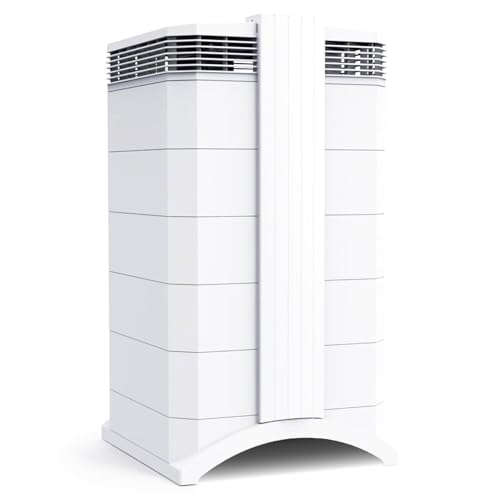
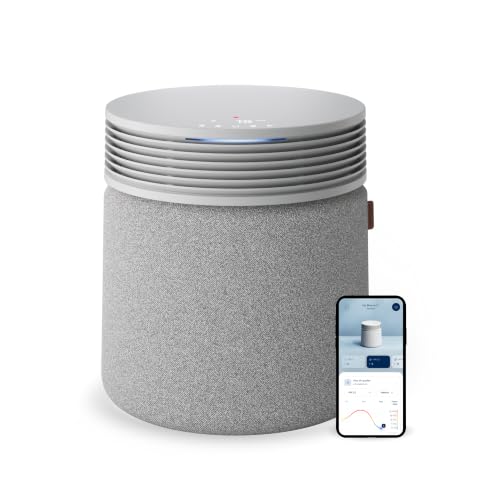
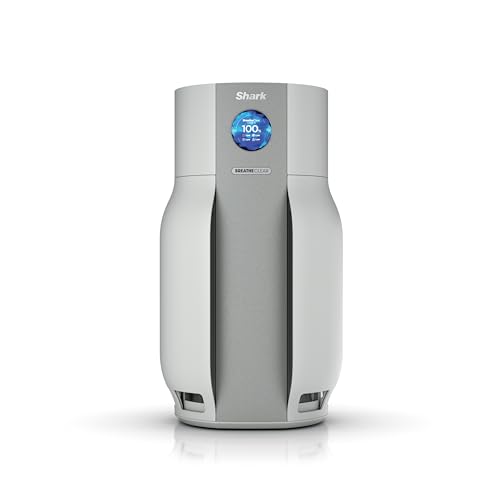
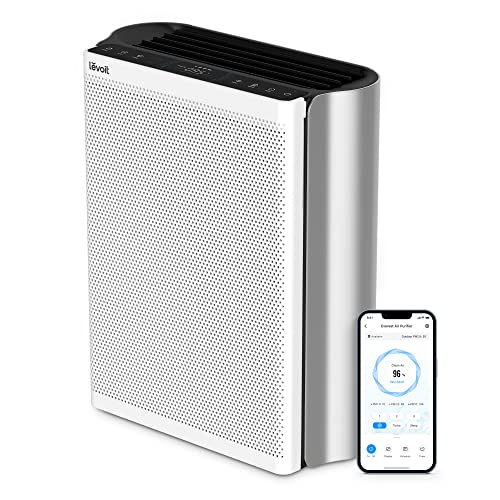
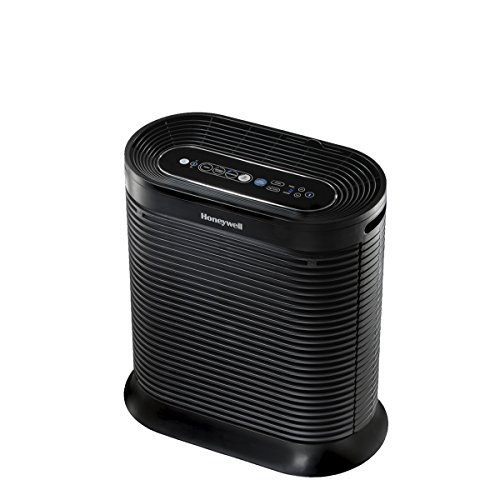
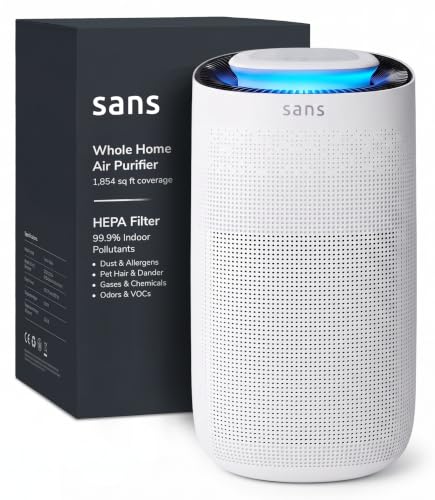
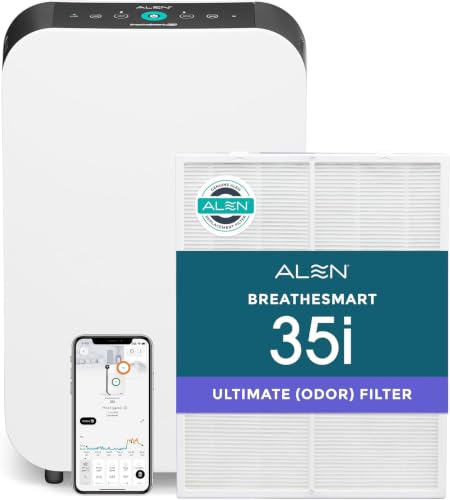
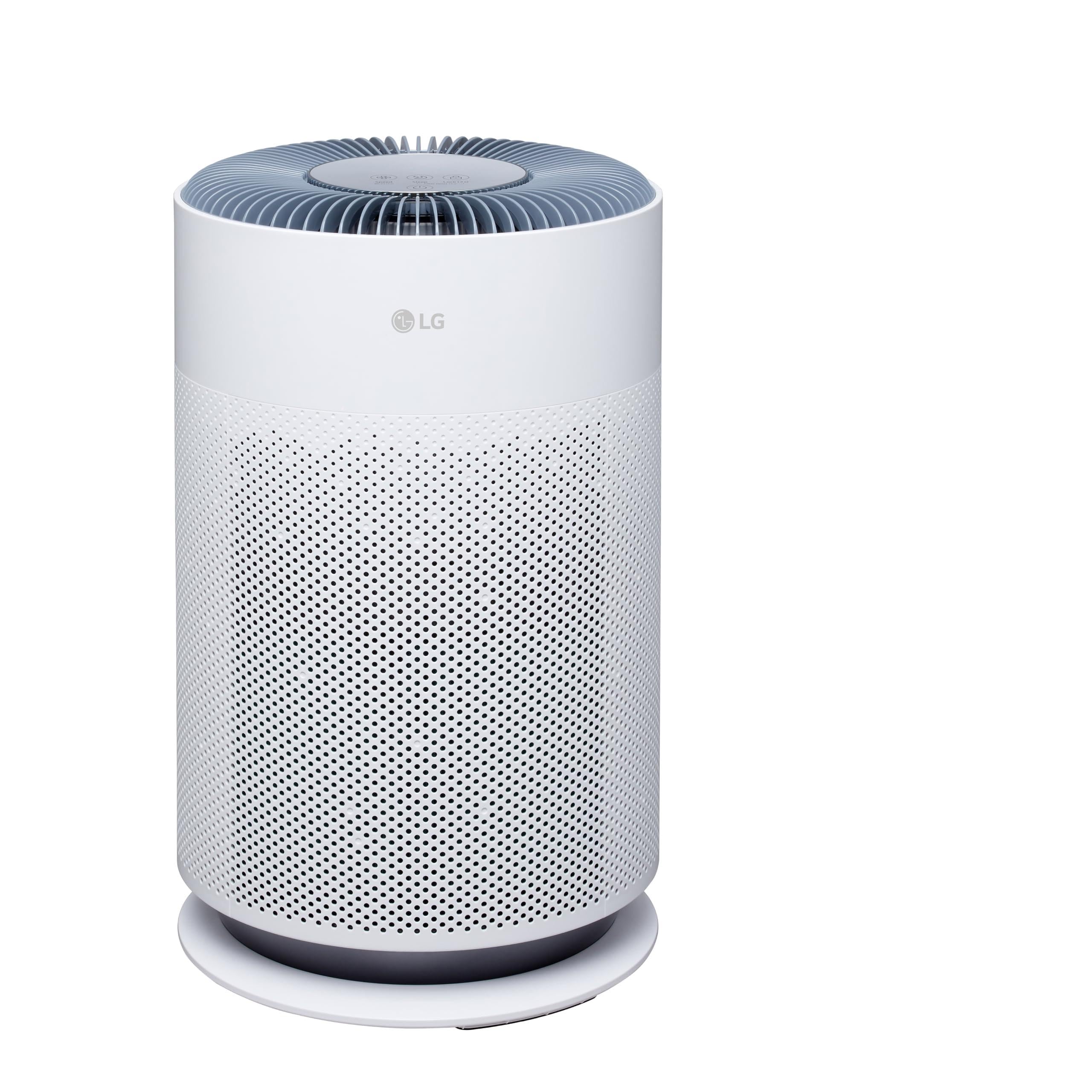
This guide explains what the extra money actually buys, which specifications separate a genuine best luxury air purifier from a styled up midrange unit, and how to match one to your rooms. The product table lays out the category at a glance.

Who Should Buy a High End Air Purifier?
Owners of Large, Open Plan Rooms
Big connected spaces defeat small purifiers because the air volume is simply too large to cycle. If your living room flows into the kitchen and dining area, you need a unit rated for 700 square feet or more so the whole zone gets several air changes per hour. Premium models earn their price here, since doubling airflow without doubling noise takes larger fans, better motors and heavier housings.
Households Managing Allergies and Asthma Symptoms
When pollen, dust mite debris and dander trigger real symptoms, filtration quality matters more than styling. Look for sealed true HEPA systems that trap particles instead of leaking them around the filter edges. A purifier supports cleaner indoor air, but it does not treat asthma or allergies, and it never replaces medication or medical advice. Talk with your doctor about your treatment plan, and treat the purifier as one supporting tool.
Pet Owners Battling Hair and Odor
Multiple pets load the air with dander and the fabrics with smell. High end units pair a washable prefilter that catches hair before it clogs the main filter with a deep activated carbon bed that adsorbs odor molecules. If pet smells are your main complaint, our guide to the best air purifier for pets covers the features that matter most for animal households.
Key Features to Compare
CADR and Verified Room Coverage
CADR, the clean air delivery rate, tells you how much filtered air a unit delivers for dust, pollen and smoke. The AHAM guideline sizes a purifier so its smoke CADR equals at least two thirds of the room area in square feet. Premium brands publish verified ratings for large rooms and often quote coverage at two or more air changes per hour. Treat the biggest coverage number on the box with suspicion, because it usually assumes a single slow air change that does little for allergy relief.
Filter Stack: True HEPA Plus Serious Carbon
A genuine premium filter stack starts with a prefilter, then a true HEPA element that captures 99.97 percent of particles at 0.3 microns, then a substantial bed of activated carbon. Carbon weight matters more than carbon presence. A thin carbon coated sheet saturates in weeks, while several pounds of granular carbon can adsorb cooking and pet odors for months. Households focused on seasonal triggers can compare priorities in our best air purifier for allergies guide before choosing a filter stack.
Noise at Sleep Speed
A purifier only helps a bedroom if you can sleep next to it. Premium units use larger, slower turning fans and insulated housings to move useful air at around 25 to 35 decibels on low. Check the noise figure at the speed that still delivers reasonable CADR, not the whisper quiet turbo free setting that barely moves air. If a brand only publishes the lowest number, assume the working speeds are considerably louder.
Sensors and Auto Mode Accuracy
Particle sensors let a purifier react when cooking smoke or dust spikes, then settle back down to save energy and filter life. Better sensors sample air away from the clean outlet stream, so they read the room rather than the exhaust. Laser sensors detect finer particles than basic infrared ones. Auto mode is worth paying for only if the sensor is trustworthy, because a lazy sensor leaves the fan idling while the room air stays dirty.
Running Costs: Energy and Replacement Filters
The purchase price is only the first bill. Premium purifiers often use efficient motors that draw 40 to 80 watts on working speeds, but their large filters can cost around $150 to $300 per change. Longer filter life, commonly 12 months for the HEPA stage, spreads that cost out. Add the yearly filter cost to the price before comparing two models, because a cheaper unit with six month filters can cost more over three years.
How to Size a Premium Purifier for Your Room
Measure the room length and width, multiply for square footage, and note the ceiling height. Standard ratings assume ceilings of about 8 feet, so a vaulted room needs a higher CADR to achieve the same air changes. For allergy focused use, aim for four to five air changes per hour, which means choosing a unit whose rated coverage at that speed comfortably exceeds your room. Place the unit where air can circulate freely, a foot or more from walls, and keep doors in mind, because a purifier cleans the room it sits in, not the whole house. Damp rooms with past water damage raise a different problem, and our best air purifier for mold guide explains why source control comes before any machine.
What the Premium Price Actually Buys
Most true high end models fall between about $400 and $1,500. In the about $400 to $700 band you get verified large room CADR, true HEPA filtration and a year of filter life. From about $700 to $1,200, the gains are quieter high speed operation, deeper carbon beds, better sensors and sturdier metal or thick polymer housings. Above that, you are mostly paying for design, very large coverage and smart home polish. None of those tiers guarantees cleaner air than the product table above shows on paper, so let CADR and filter specs lead the decision.
Common Mistakes to Avoid
- Buying by the largest coverage claim on the box, which is usually based on one air change per hour and leaves a large room under cleaned.
- Choosing an ionizing or ozone generating model for a bedroom, because ozone irritates airways and California restricts such devices for a reason.
- Ignoring replacement filter prices, so a bargain purchase turns into the most expensive unit to own within two years.
- Undersizing for open plan spaces, then running the unit on turbo all day and blaming the category for the noise.
- Expecting a purifier to fix a mold or moisture problem, when the leak or damp source has to be repaired first.
- Sealing the unit into a corner or closet, which starves airflow and cuts real performance sharply.
How to Make Your High End Air Purifier Last Longer
Vacuum or rinse the prefilter every two to four weeks, because a hair clogged prefilter forces the fan to work harder for less clean air. Keep the HEPA and carbon stages dry and never vacuum a HEPA element, since that can damage the fiber mat. Wipe the particle sensor lens gently every couple of months so auto mode keeps reading the room honestly. Run the unit continuously on auto rather than in short bursts, which is easier on the motor and keeps particle levels stable. Replace filters on the maker schedule even if they look clean, because loaded HEPA media and saturated carbon fail invisibly. For a wider look at the category, see our best air purifier guide.
FAQ
Are expensive air purifiers worth it for a small apartment?
Usually not at the top of the range. A small apartment needs modest CADR, and a midrange unit with true HEPA filtration will cycle that air plenty of times per hour. Premium money buys large room airflow and quietness you may never use. Spend the savings on replacement filters and a second small unit for the bedroom instead.
Do high end air purifiers produce ozone?
Mechanical HEPA models do not produce ozone as part of filtration. Some designs add ionizers or plasma features that can generate small amounts, so check for CARB certification and zero ozone verification before buying. If a household member has asthma, the safest choice is a purely mechanical filter unit with those extra features absent or switched off.
How long does a high end air purifier last?
The appliance itself commonly runs seven to ten years, with the fan motor as the usual limiting part. Filters are consumables on a separate clock, typically six to twelve months depending on the stage and your air. A unit that still moves air but needs an obsolete filter is effectively finished, so confirm filter availability before buying.
Is a high end air purifier worth it over a midrange model?
It is worth it when your room is large, your noise tolerance is low, or odors demand a deep carbon bed. In a small, quiet room with mild dust, the midrange model delivers nearly the same particle reduction for far less money. Match the spending to the problem rather than to the badge.
How do you clean an air purifier?
Unplug the unit, remove the prefilter and wash or vacuum it, then wipe the housing and intake grilles with a dry or slightly damp cloth. Never wash a HEPA or carbon filter unless the maker explicitly calls it washable. Clean the sensor lens with a dry cotton swab so dust buildup does not fool the auto mode readings.
Final Thoughts
The right premium purifier is the one whose CADR fits your largest room, whose carbon bed matches your odor problem and whose filter costs you accept for years. Judged that way, the best high end air purifier is a measured purchase, not a luxury gamble. Use the product table above to compare the key specifications side by side before you decide. If anyone at home manages asthma or serious allergies, keep their clinician in the loop, because cleaner air supports a treatment plan but never replaces it.


