
Best Large Shop Vac for 2026: How Big Should You Go?
Disclosure: We may earn a commission when you buy through links on this page, at no extra cost to you. As an Amazon Associate I earn from qualifying purchases. Learn more

A large shop vac covers big garages, workshops and messy seasons. Compare tank sizes, suction, wheels and storage so you buy the right amount of big.
Autumn drops a season of leaves into the garage, the workshop floor hides under shavings, and the mudroom collects boots, grit and meltwater daily. Small vacs fill up before the job is half done, and constant emptying turns a one hour cleanup into an afternoon. Choosing the best large shop vac means picking a size in the 12 to 20 gallon class that matches your biggest recurring mess without swallowing your storage space.
This guide explains where the large class starts, which specs matter once tanks get big, and how to avoid paying for capacity you will never use. For the full landscape, our guide to the best shop vac models covers every size. The product table gathers the main large options side by side.
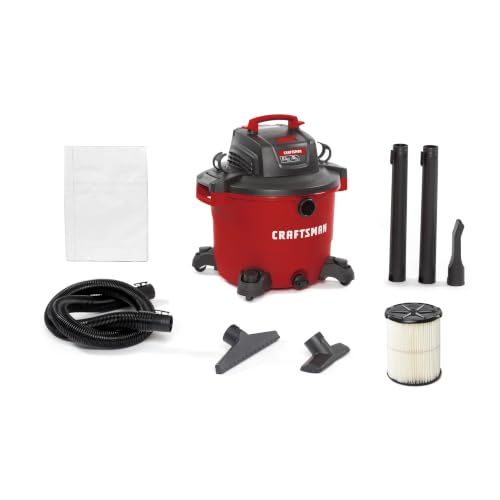
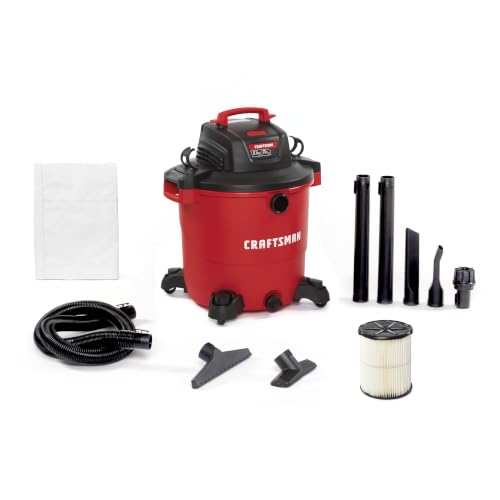
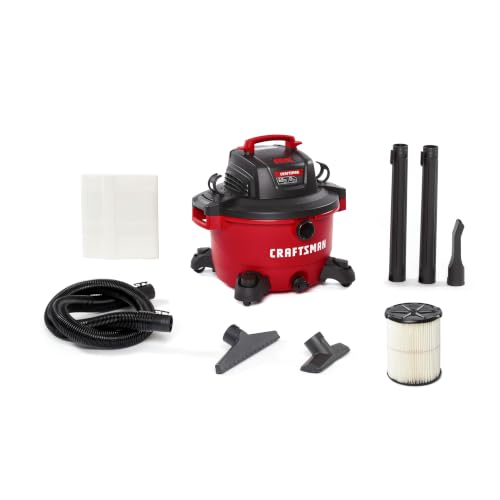
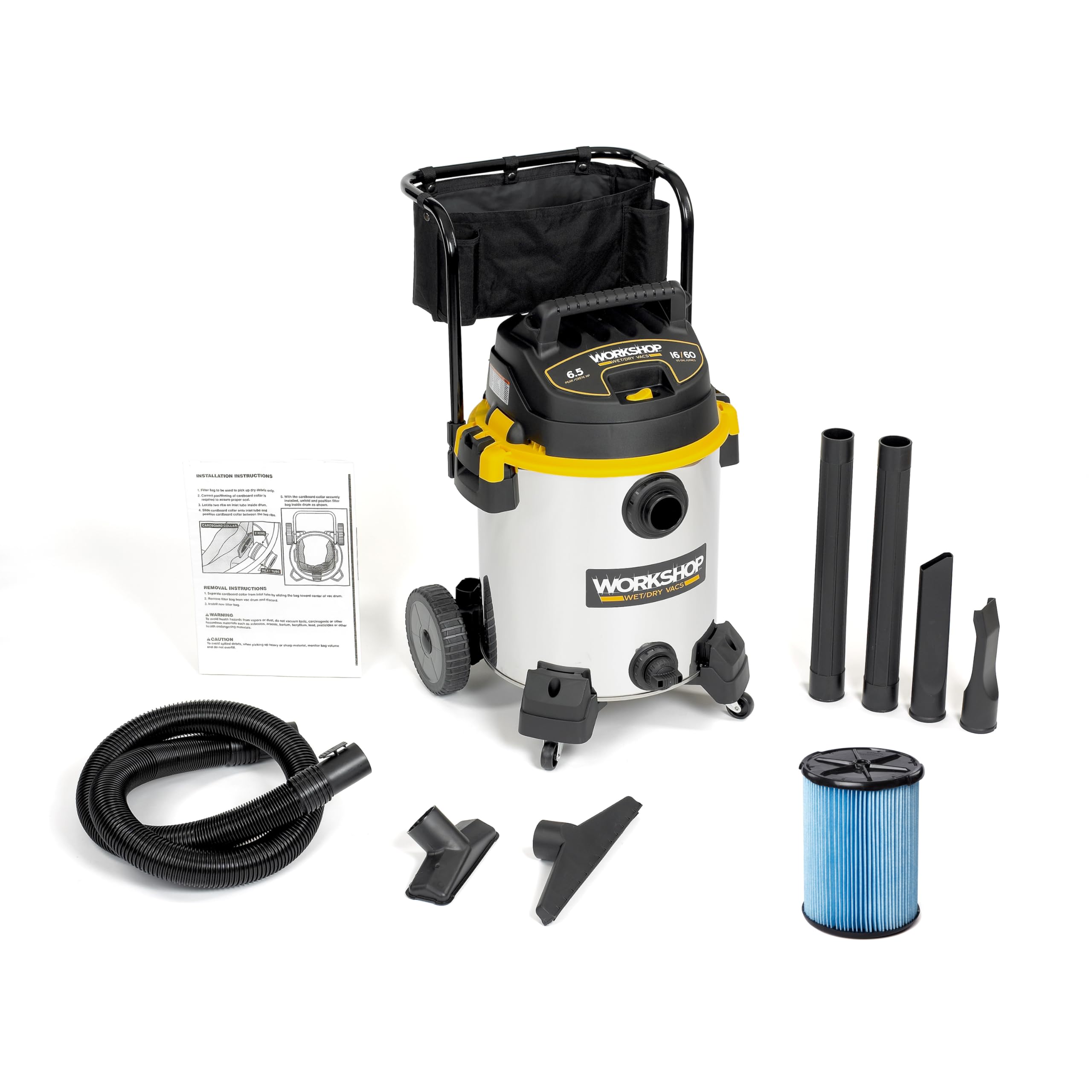
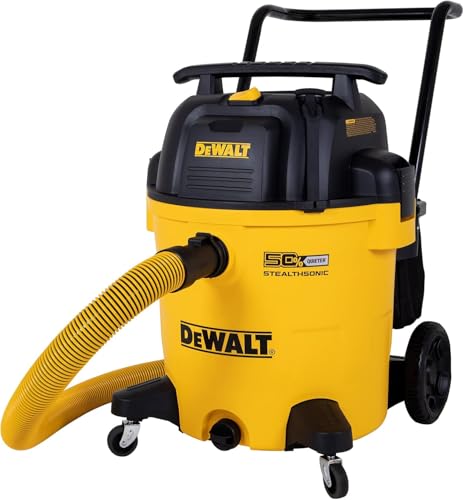


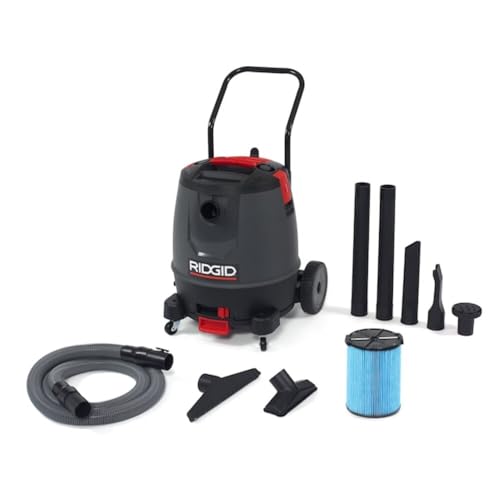
Who Should Buy a Large Shop Vac?
Two Car Garage Households
A wide garage accumulates leaves, road grit, grass clippings and sawdust across a big floor area, and a large tank lets you clear all of it in one session. The wide hose swallows the chunky mix that clogs compact machines. If your garage doubles as the entry your family actually uses, weekly volume adds up faster than you expect. A large vac parked by the door becomes the default tool for the whole ground floor.
Workshop Hobbyists and Woodworkers
Sawdust is bulky: a planer or table saw session produces gallons of shavings in minutes. A large drum with filter bags keeps pace with a project weekend and protects the cartridge filter from fine dust between bag changes. The same vac handles the bench, the floor and the truck bed afterward. Hobbyists who work weekly will feel the capacity every session, not just during spring cleaning.
Homes With Mudrooms, Acreage and Messy Seasons
Rural and suburban homes with long driveways, gardens and outbuildings collect debris that smaller homes never see: potting soil, mulch, gravel and storm litter. A large vac handles fall cleanup, spring shed purges and post storm entryways without a dozen emptying trips. If your property generates bulk debris across several buildings, the big drum earns its keep in saved trips to the trash bin alone.
Key Features to Compare
Picking a Point in the 12 to 20 Gallon Range
Large starts around 12 gallons and tops out near 20. Within that band, usable capacity runs lower than the label because the float stops wet intake early and dry debris heaps above the fill line unevenly. A 12 to 14 gallon model suits garages and moderate workshops, while 16 to 20 gallons suits flood prone basements and heavy debris. Bigger also means a wider, taller drum, so measure your storage corner before falling for the largest tank. Capacity you cannot store is capacity you will curse.
Suction Does Not Grow With the Tank
The most common misunderstanding in this class is that a larger drum cleans harder. Suction comes from the motor: airflow in CFM moves bulk debris, and sealed lift pulls water and grit from cracks. Manufacturers often fit the same motor across several tank sizes, so a 12 gallon and a 20 gallon sibling can perform identically on the floor. Read the airflow and lift figures, and let the tank size follow your debris volume rather than your power hopes. Strong motors in this class start around 5 peak horsepower on paper.
Tank Material: Plastic Versus Stainless Steel
Plastic drums are lighter, quieter when debris rattles in, and immune to rust, which suits damp basements and garages. Stainless steel drums resist punctures from sharp rubble and look neat in a finished workshop, but they dent, weigh more and cost more. For most homes, plastic is the practical pick, especially since a full steel tank is heavier to drain and move. Whichever you choose, insist on a bottom drain port, because tipping 15 plus gallons of water is a two person job with real injury risk.
Wheels, Handles and Tipping a Full Drum
Large vacs live or die by their rolling gear. Big rear wheels roll over cords, thresholds and gravel, while front casters steer the drum through doorways. A push handle at a comfortable height matters more than the top carry handle once the tank is full and heavy. Check that the wheelbase is wide enough to resist tipping when the hose yanks sideways at full stretch. Owners of acreage will also appreciate a vac that rolls calmly across lawn edges to reach sheds and patios.
Hose Options and Onboard Storage
The standard 2.5 inch hose passes chunky debris, and many large models add a second, narrower hose or a reducer for detail work. That flexibility helps when the same machine cleans the workshop and then the car, a job our guide to the best shop vac for car detailing explores in depth. Onboard caddies for wands and nozzles keep the kit together between buildings. A hose that locks at both ends prevents the mid job separation that dumps a full hose of leaves at your feet.
Noise and Where the Vac Will Live
Large motors are loud, typically a deep roar that carries through a house, so plan sessions when the household is awake and out. Some models add mufflers or diffusers that trim the exhaust blast. Storage location also matters: a vac stored beside the mess gets used, while a vac buried behind holiday boxes does not. Measure the doorway path from storage to your main work areas, since a drum that cannot pass the laundry room door will live a frustrated life.
Measuring Your Space for a Large Shop Vac
Before ordering, measure three things: the storage footprint, the narrowest doorway on the route to your work areas, and the distance from your usual outlet to the farthest corner you clean. Large drums run roughly 20 to 24 inches wide, and most need a corner about the size of a kitchen trash can plus tipping room for filter changes. Add the cord and hose reach together to confirm one outlet covers your garage or basement. If the numbers fail, a mid size vac plus the discipline of the best small shop vac class for upstairs jobs may serve you better than a giant that cannot move around your home.
Common Mistakes to Avoid
- Buying the largest tank on sale, then discovering it cannot fit the closet or pass the basement door.
- Expecting a bigger drum to clean faster, when the motor, not the tank, sets airflow and lift.
- Skipping filter bags on fine dust jobs, which blinds the cartridge and makes the big vac feel weak.
- Dragging a full tank by the hose, which cracks cuffs and can tip the drum onto your feet.
- Storing the vac outdoors or in a damp shed, which corrodes the motor and grows mildew in the drum.
- Forgetting to check bag and filter prices, which on large machines add up across a busy year.
How to Make Your Large Shop Vac Last Longer
Keep the drum clean and dry between jobs: rinse grit out after wet work, and store the lid ajar so moisture escapes instead of feeding mildew. Run filter bags whenever the debris is dusty, and change the cartridge filter when pleats stay loaded after tapping. Lubricate nothing, but do inspect caster axles and wheel hubs each season and clear the hair and string that wind around them. Store the hose in a loose coil, since tight bends crack the corrugation. Check the drain cap gasket yearly, and replace it at the first drip. Finally, keep the vac on a ground fault protected circuit for wet work and coil the cord loosely, because a cord stored under tension frays at the plug first.
FAQ
What size counts as a large shop vac?
The large class generally starts at about 12 gallons and runs to roughly 20 gallons. Below that sit mid size models around 5 to 10 gallons and compact models under 5. The label matters less than the fit: choose the smallest tank that swallows your biggest routine job in one or two emptyings. For many homes that point lands at 14 to 16 gallons, big enough for floods and workshops without maxing out storage.
Is a bigger shop vac always more powerful?
No. Power comes from the motor, measured honestly as airflow and lift, and brands routinely mount the same motor on several drum sizes. A 20 gallon model can clean exactly like its 12 gallon sibling, just for longer between emptyings. Buy capacity for volume and power for debris type: heavy water and grit want lift, while leaves and shavings want airflow. Reading both numbers beats trusting either the gallon count or the horsepower badge.
How do you empty a large shop vac without lifting it?
Use the bottom drain port: attach a garden hose, run it to a floor drain or a lower spot outside, and open the cap. For dry debris, wheel the drum to the trash and tip it with the push handle, or line the drum with a bag for dusty loads. If your model lacks a drain port, a small transfer pump removes water without lifting. Never carry a full large tank up stairs; the weight can pass 150 pounds.
Can a large shop vac replace a household vacuum indoors?
It can in a pinch, but it is a poor daily substitute. Large vacs are loud, bulky on stairs, and their standard filtration blows fine dust back into the room unless you add bags and a fine filter. They also lack the soft brushes that protect delicate flooring. Most owners use the big vac for garages, basements and renovation zones, and keep an indoor vacuum or a grab and go best cordless shop vac for living spaces.
What hose diameter do large shop vacs use?
Most ship with a 2.5 inch hose, which passes gravel, mulch and wood chunks without clogging. Adapters and narrower 1.25 inch hoses are available for detail tools and car interiors, at some cost to airflow. If your debris is mostly fine dust, diameter matters less than filtration. Check that replacement hoses and cuffs for your model are easy to find, because the hose is the part most likely to crack first.
Final Thoughts
Large is a range, not a single answer: match the drum to your biggest routine mess, your storage corner and your doorways, then let motor numbers settle the rest. Prioritize a drain port, sturdy wheels and affordable bags over raw gallon bragging. Picked with those checks, the best large shop vac quietly absorbs the worst weekends your property produces. Use the product table above to compare the current class, and measure your space before the box arrives.


