
Best Microfiber Cloths for Dusting in 2026: A Buying Guide
Disclosure: We may earn a commission when you buy through links on this page, at no extra cost to you. As an Amazon Associate I earn from qualifying purchases. Learn more

Compare the best microfiber cloths for dusting by pile, density, size and edging, and learn how to wash them so they keep trapping dust for years.
A cheap cloth can push dust from one shelf to the next instead of picking it up, and a worn out rag often leaves fine particles floating in the air to settle again minutes later. The best microfiber cloths for dusting solve that problem because their split fibers grip dust and hold it inside the weave, so one pass leaves a surface actually clean. The catch is that dusting cloths vary a lot in pile, density and edging, and the wrong one can lint on glass or feel scratchy on polished wood.
This guide walks through the features that separate a cloth that traps dust from one that just moves it around, using the comparison table below as a starting point. You will see which pile heights suit which surfaces, why density matters more than pack size, and how to wash your cloths so they keep working for years.
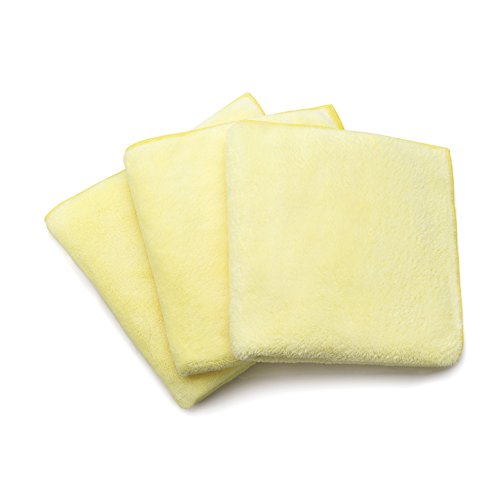
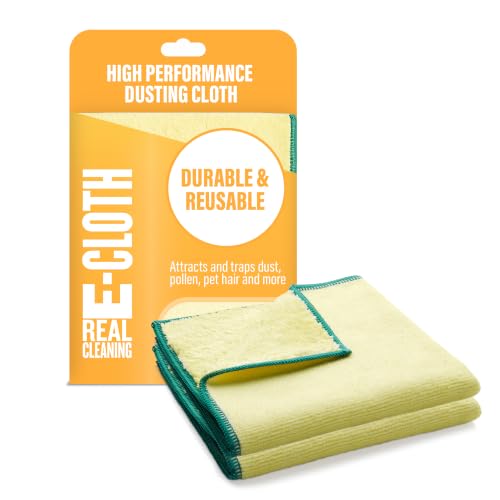

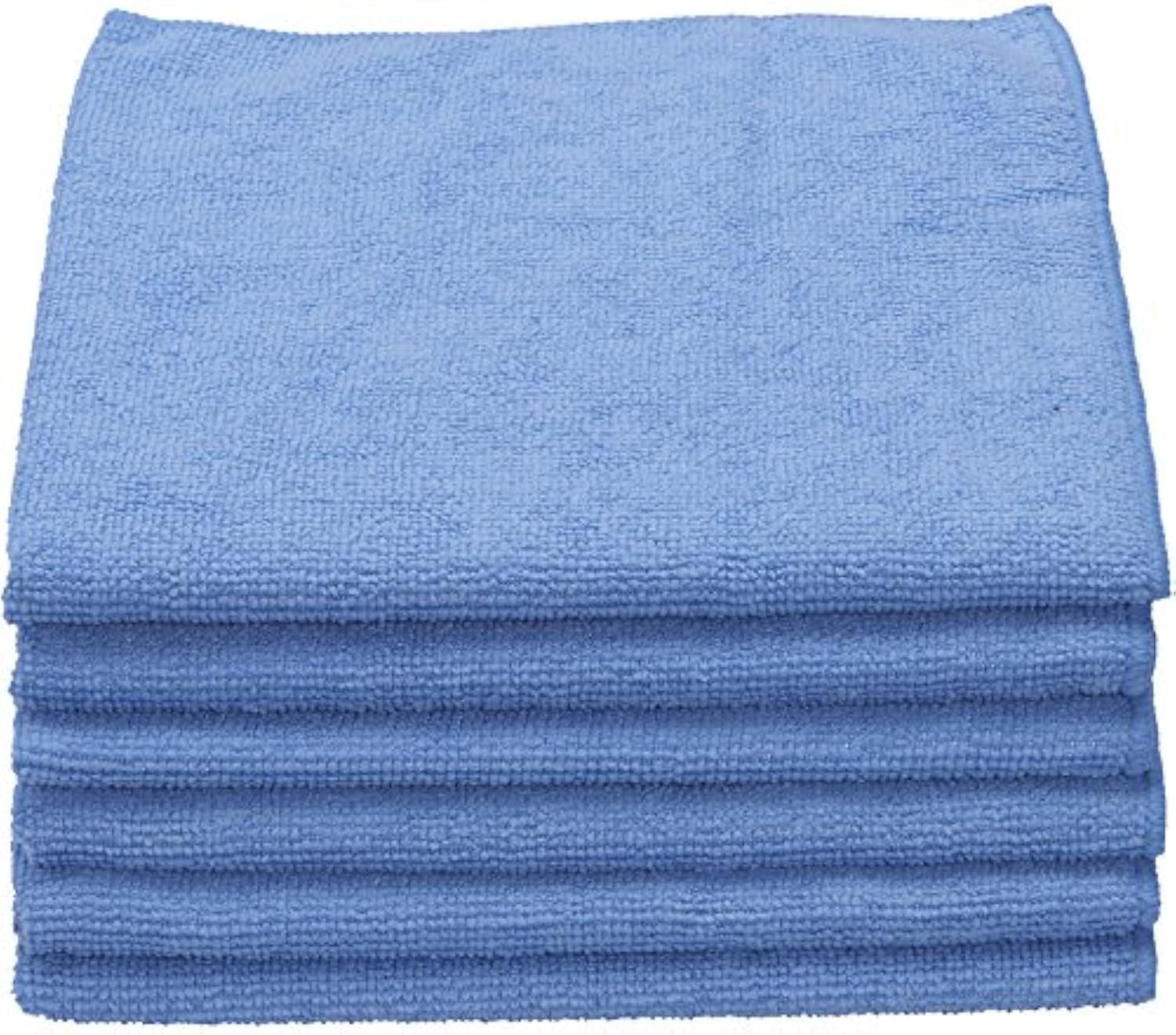
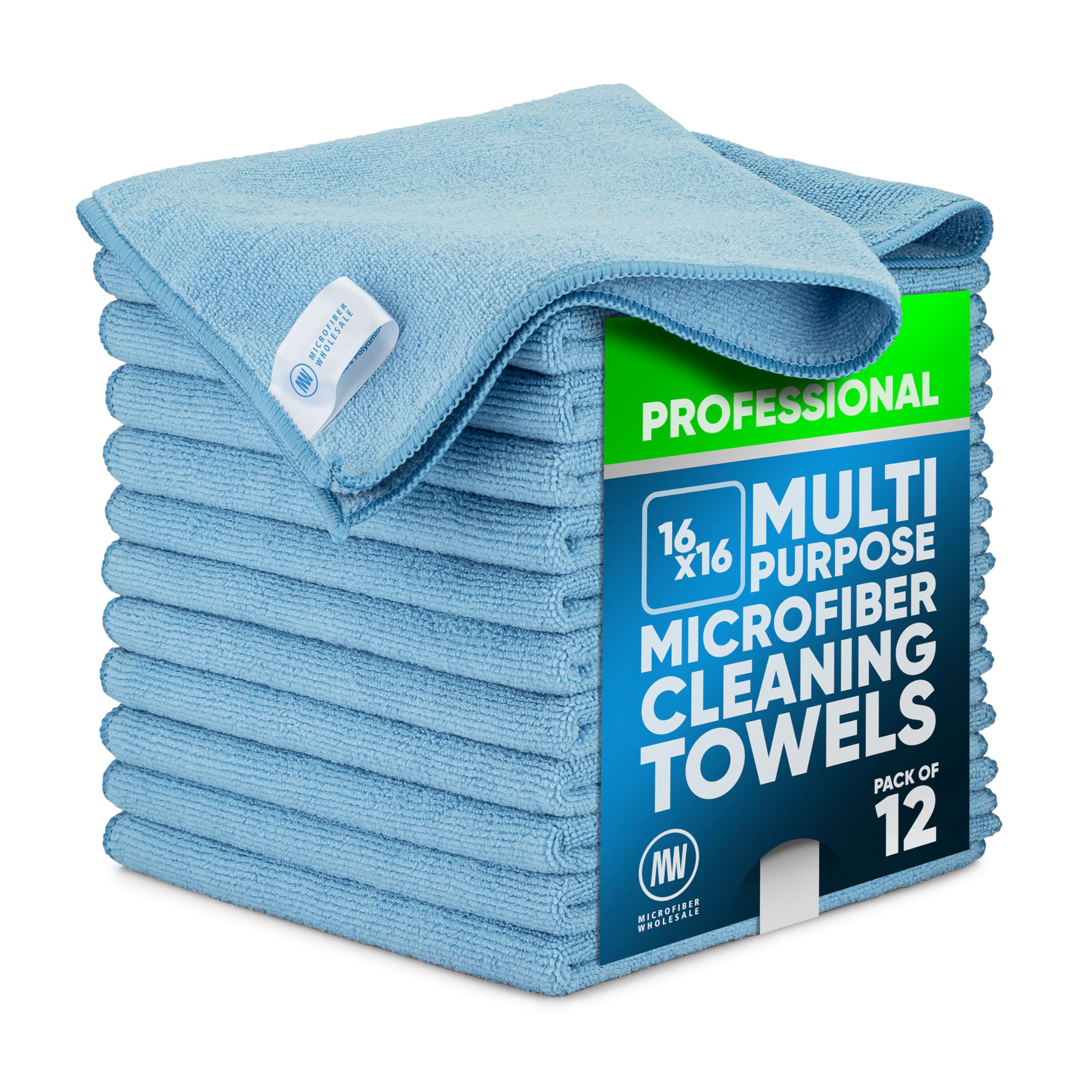


Who Should Buy Which Microfiber Cloths for Dusting?
Homes That Dust for Allergy Relief
If dust itself is the problem, not just the look of it, you need cloths that capture particles instead of launching them into the air. A medium or plush pile with tightly split fibers pulls dust into the weave and holds it there, which matters in bedrooms and living rooms where people breathe the air for hours. Skip fluffy decorative dusters that flick dust upward, and keep a dedicated set of cloths for sleeping areas so grit from garages or entryways never migrates onto pillows and bedding.
Households With Polished Wood and Lots of Screens
Furniture polish, piano finishes and TV screens punish the wrong cloth. Short, smooth pile microfiber with soft bound edges glides over varnish without dragging trapped grit, and a lint free weave leaves glass and glossy black plastic clear instead of hazed. If your dusting route covers wood, electronics and picture frames in one pass, buy two pile types and rotate them by surface rather than forcing one cloth to do every job.
Big Homes That Dust Whole Rooms at Once
When a single session covers several rooms, pack size and color coding matter more than any single premium cloth. A cloth that is loaded with dust halfway through a room starts redepositing what it picked up, so working with a stack of six to ten cloths and swapping as you go gives a cleaner finish. Assign colors by zone, one for bathrooms, one for kitchens, one for living spaces, so a cloth that wiped a greasy range hood never ends up on a nightstand.
Key Features to Compare
Pile Height and How It Grabs Dust
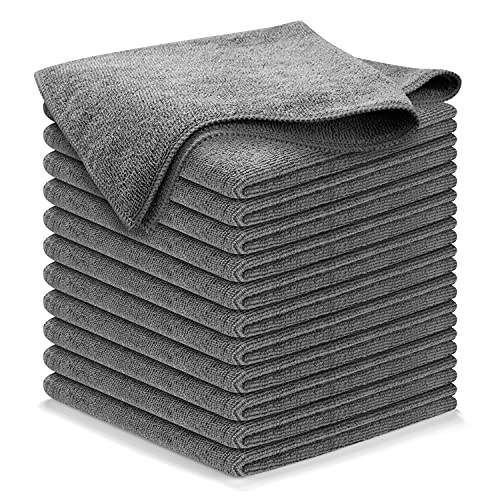
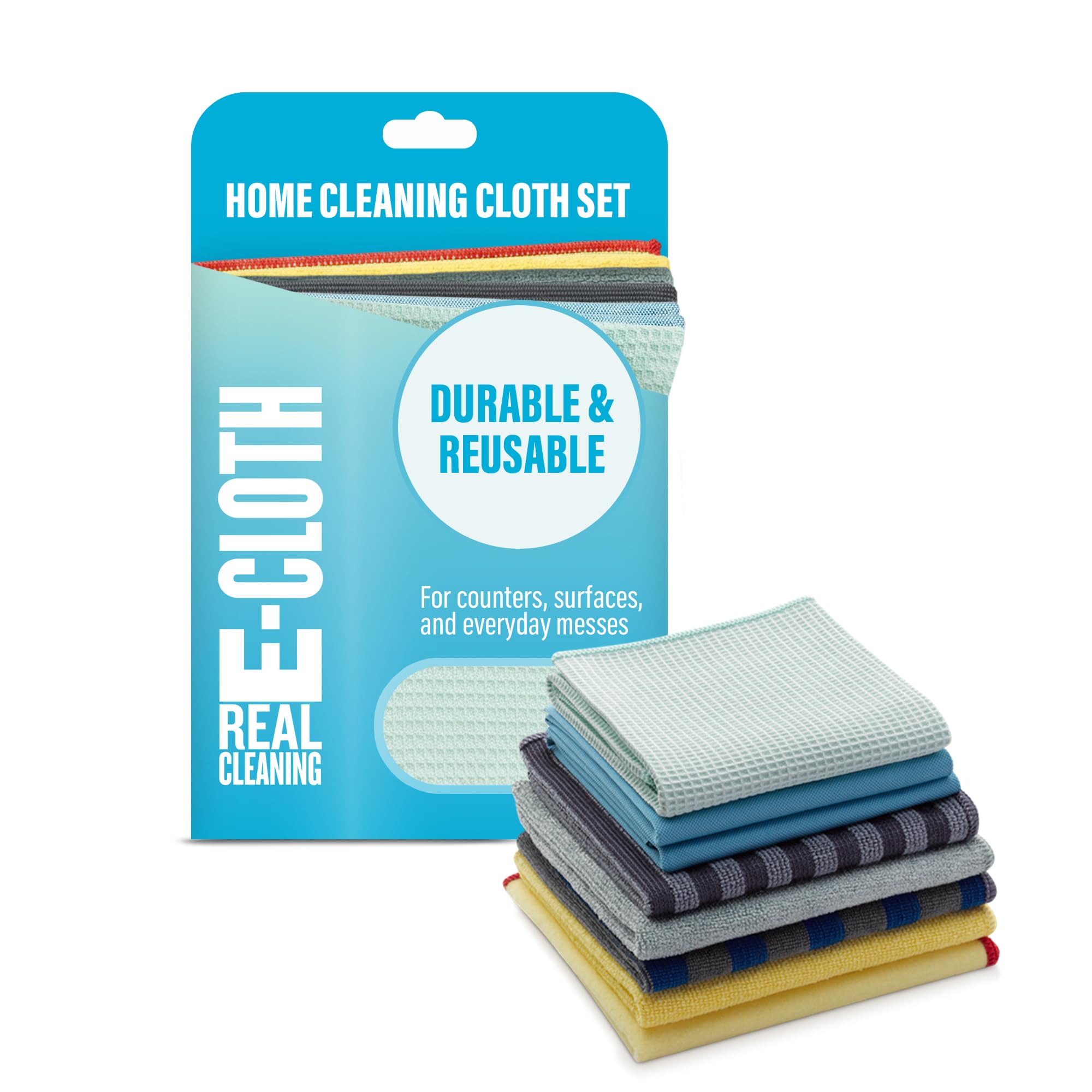
Pile is the length and loft of the fibers standing off the cloth backing, and it decides how a cloth behaves on dry dust. Plush, longer pile acts like a net: it wraps around loose dust, pet dander and pollen and pulls them in as you wipe, which is why it suits open shelves and tops of cabinets. Short, flat pile slides with less drag and leaves almost no residue, making it better for screens, mirrors and glossy finishes. Most dusting kits mix both, and the comparison table above shows which style each option leans toward. If you dust mostly wood furniture, a medium pile is the safe middle ground.
Density Measured in GSM
Density is usually listed as GSM, grams per square meter, and it tells you how much fiber is packed into the cloth. Dusting cloths commonly run from about 200 to 400 GSM. Lower density cloths are thin and cheap, and they push through a quick wipe fine, but they load up fast and can feel grabby on rough wood. Higher density cloths hold more dust per pass and feel softer against finishes, though they cost more and take longer to dry after washing. For everyday dusting, the middle of that range balances dust capacity, softness and price for most homes.
Cloth Size and Shape
A standard dusting cloth is around 12 by 12 inches or 16 by 16 inches once folded into quarters, and folding matters because it gives you eight clean faces from one cloth. Small cloths twist easily around banisters, chair rungs and lamp bases, while larger cloths cover tabletops and headboards in fewer passes. Mitt style dusting gloves add control on blinds and plant leaves, since your fingers become the cleaning surface. Match the size to your route: big flat surfaces reward bigger cloths, and cluttered shelves reward smaller ones you can work around ornaments.
Edges, Stitching and Tags
The edge of a microfiber cloth is where scratching starts. Stiff overlocked stitching and scratchy woven tags can drag across varnish or a TV screen and leave fine marks, which is why many dusting cloths use soft serged edges, ultrasonic cut edges or no tags at all. Before using a new cloth on anything glossy, run the edge across the back of your hand; if it feels rough there, keep that cloth for tile and appliances instead. Edge quality also predicts lifespan, since fraying edges shed fibers and lose their dust grip long before the center of the cloth wears out.
Lint Free Weave for Glass and Electronics
Some microfiber is woven tight and smooth specifically so it releases no lint, and that is the cloth you want for mirrors, windows, phone screens and glossy black electronics. This is the same family covered in our guide to the best microfiber cloths for windows, and the rule carries over to dusting: a lint free cloth used slightly damp erases the hazy film that dry dusting leaves on glass. Keep these cloths separate from your plush dusting set, because one wash with cotton towels can load them with lint and ruin the finish they are meant to protect.
Pack Count and Color Coding
Dusting eats cloths quickly, so value comes from the pack, not the single piece. Multi packs of eight to twenty four cloths bring the cost per cloth down and let you build a color system, which is the single easiest hygiene upgrade in a cleaning closet. If you also keep cloths for scrubbing and grease work, our overview of the best microfiber cloths shows how dusting, glass and kitchen sets differ, so you do not pay for absorbency you will never use on a dry shelf. For dusting alone, prioritize pile variety over sheer count once you pass about ten cloths.
How to Match a Cloth to the Surface You Are Dusting
Start with the dust itself. Dry, loose dust on open surfaces comes off best with a plush cloth used dry, because the fibers carry a slight static charge that pulls particles in as you wipe. Work from the top of the room down, ceiling fans and high shelves first, so anything that does escape falls onto surfaces you have not cleaned yet. Slightly dampen a cloth only when dust is sticky or layered, as in kitchens near the stove, and follow with a dry cloth so no moisture sits on wood.
Delicate surfaces need a different touch. On car dashboards and interior trim, textured plastic traps dust in its grain, and the softer blends described in our guide to the best car microfiber cloths release it without shine killing scratches. Inside the home, use that same softness rule for piano black trim and soundbars. For greasy dust film on top of kitchen cabinets, switch to the tougher, more absorbent cloths in our roundup of the best microfiber cloths for kitchen, then finish surrounding wood with your regular dusting cloth so grease never spreads onto furniture finishes.
What Dusting Cloths Cost at Each Level
Basic multi packs land around $10 to $15 and cover whole house dusting well if the pile is genuinely split fiber rather than a flat woven sheet. Mid range sets, about $15 to $30, buy higher density cloths, softer edges and mixed pile bundles sized for different rooms. Premium cloths can pass $30 for smaller counts, and the money goes to durability and edge finishing rather than dramatic dust pickup gains. For most homes, a mid range mixed set plus a few lint free glass cloths covers every dusting job without overspending.
Common Mistakes to Avoid
- Using fabric softener or dryer sheets on microfiber, which coats the split fibers and quietly destroys their dust grip.
- Dusting with one cloth for the whole house, so the last rooms get wiped with dust the cloth picked up in the first rooms.
- Shaking a loaded cloth indoors, which puts the captured dust straight back into the air you just cleaned.
- Pressing hard on glossy screens and varnish, which grinds trapped grit into the finish instead of lifting it away.
- Mixing dusting cloths with kitchen grease cloths in the same wash load, which transfers oils onto fibers meant to stay absorbent and clean.
- Buying the fluffiest cloth for every job, then fighting the lint it leaves behind on mirrors and glass tabletops.
How to Wash Microfiber Cloths Without Ruining Them
Shake cloths out outdoors or into a trash bin first, then wash them separately from cotton, since towels and clothing shed lint that clogs microfiber weave. Use warm water and a small amount of regular detergent, and skip bleach and fabric softener entirely, because both coat or damage the split fibers that make the cloth work. Tumble dry on low heat or hang them to dry; high heat can melt the fine fibers and turn a plush cloth stiff. Stored folded in a closed bin, washed cloths stay clean between sessions, and a well kept set keeps its dust grip through hundreds of washes.
FAQ
Do microfiber cloths really trap dust better than cotton rags?
Yes, because the fibers are split into tiny wedges that scoop and hold particles instead of sliding over them. A cotton rag mostly pushes dry dust around and leaves much of it airborne, while microfiber pulls dust into its weave. The gap is biggest on fine dust and pollen; for heavy grit like spilled soil, shake the debris off first and finish with the cloth.
How long do microfiber dusting cloths last?
A quality dusting cloth typically lasts through about 300 washes before its fibers lose their grip. In household terms that is usually two to four years of weekly dusting. Retire a cloth to garage duty when it stops picking up dust in one pass, feels stiff after washing, or starts leaving lint, since those are signs the split fibers are worn or coated.
Should microfiber dusting cloths be used dry or slightly damp?
Dry works best for routine dusting, because the fibers generate a mild static pull that lifts loose dust as you wipe. Dampen the cloth lightly only for sticky or long settled dust, such as the film on top of kitchen cabinets. A damp cloth loses the static effect, so use it for the grime pass and follow with a dry cloth to finish.
Do microfiber cloths scratch wood furniture or TV screens?
Clean microfiber itself is softer than both finishes and does not scratch them. Scratches come from grit trapped in a dirty cloth, stiff stitched edges, or woven tags dragged across the surface. Fold cloths so edges stay off the finish, wash out grit between uses, and keep a separate lint free cloth for screens, and both surfaces stay safe.
Are pricier microfiber cloths worth it for dusting?
They can be, but the payoff is durability and edge finishing rather than a dramatic jump in dust pickup. Premium cloths hold their pile and soft edges through far more washes, which suits households that dust weekly. If you dust lightly or lose cloths often, a mid priced multi pack gives nearly the same cleaning result for much less money.
Final Thoughts
The right dusting cloth is the one matched to your surfaces: plush pile for open shelves, flat lint free weaves for glass and screens, and enough cloths in rotation that you never wipe with a loaded one. Use the product table above to compare pile, density and pack size side by side, then build a small color coded set for the rooms you clean most. Chosen well, the best microfiber cloths for dusting turn a chore that used to move dust around into one that actually removes it. Prices and availability can change, so check the product page before ordering.


