
Best Natural Carpet Stain Remover in 2026: A Buying Guide
Disclosure: We may earn a commission when you buy through links on this page, at no extra cost to you. As an Amazon Associate I earn from qualifying purchases. Learn more

Compare natural carpet stain removers by active ingredients, stain type, residue left behind, and safety around kids and pets on everyday spills.
A juice spill on a light carpet is stressful enough without wondering what the cleaner itself leaves behind in the fibers your kids crawl on. The best natural carpet stain remover skips the harsh solvents and heavy synthetic fragrance, and still has to do the hard part: break down the stain so it does not ghost back a week later. Natural formulas work differently from conventional ones, so choosing well means knowing which ingredient system matches your stain.
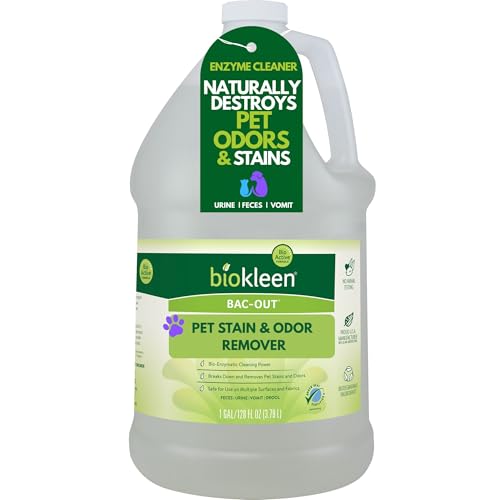
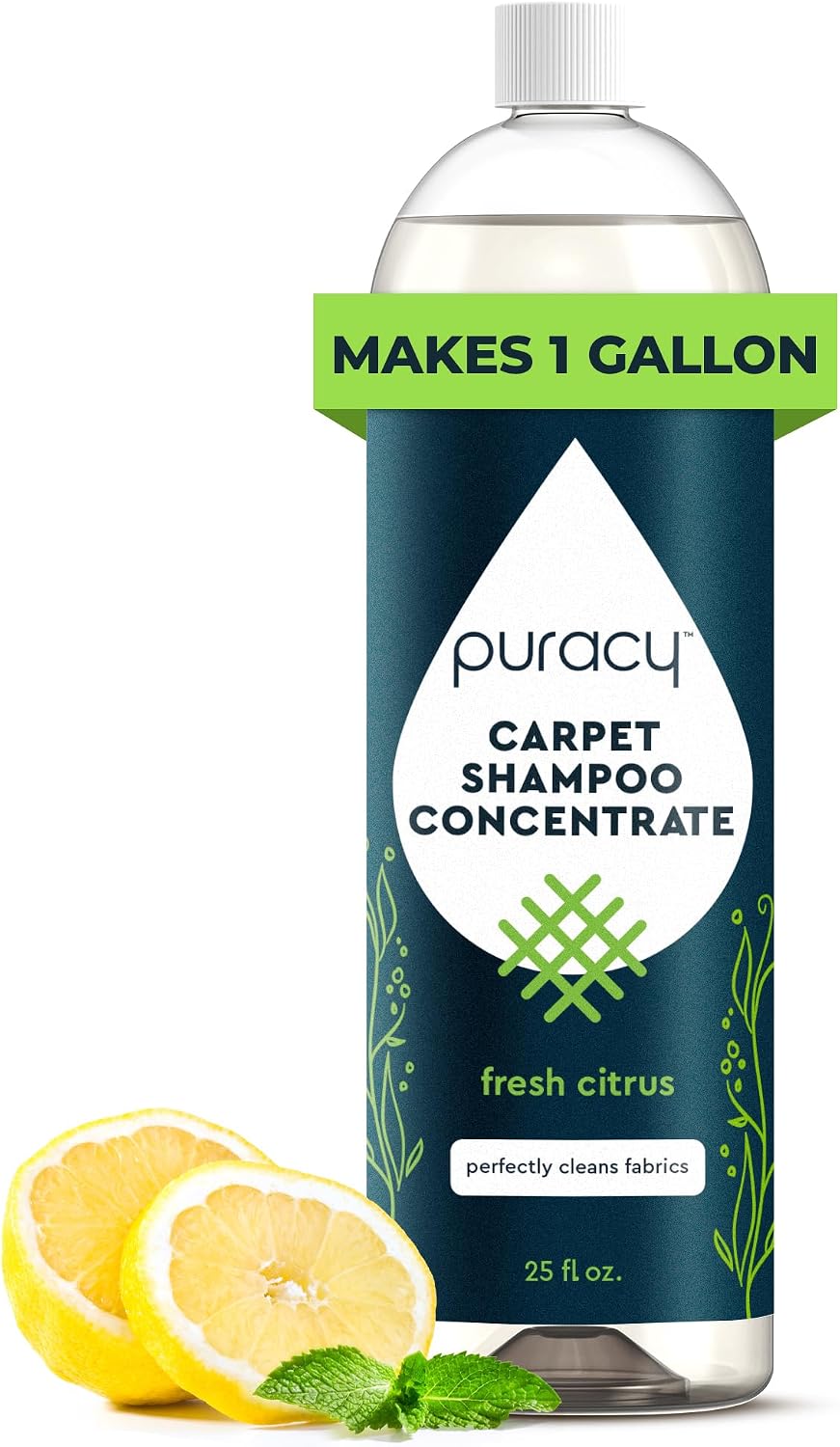
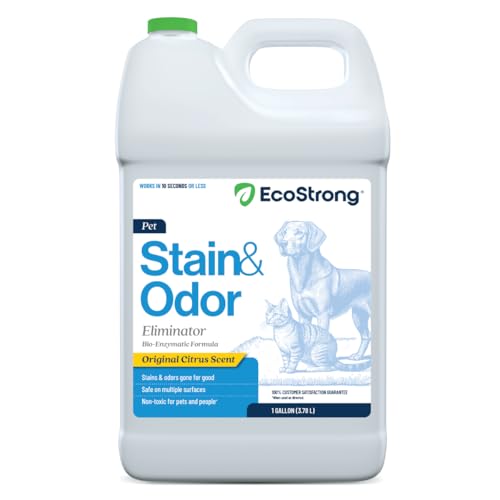
The comparison table below lays out the main natural formula types side by side. After it, this guide covers who benefits most from going natural, the features that separate a good bottle from a weak one, and the habits that decide whether a spot stays gone.







Who Should Buy a Natural Carpet Stain Remover?
Natural formulas are not for everyone, but for three groups of households they solve a real problem rather than a marketing one.
Parents of Crawling Babies and Toddlers
Little hands and knees spend hours pressed into carpet pile, and everything on the floor eventually reaches a mouth. If that is your stage of life, ingredient transparency matters as much as stain power. Look for a remover that lists its ingredients plainly, carries no added dye, and leaves no sticky residue once dry. You will treat food and drink spills constantly, so a gentle formula you can use weekly without gloves or open windows fits the routine better than a strong solvent you save for emergencies.
Pet Owners Handling Everyday Accidents
Dogs and cats create a steady stream of mud, food, and the occasional accident, and many owners prefer not to spray strong chemicals where their animals lie down and groom. A natural enzyme based remover suits this pattern, because enzymes keep working on organic messes while the spot stays damp. Choose an unscented or lightly scented product, since a heavy perfume over a pet spot often just blends into a worse smell. Keep the bottle where accidents happen, not in a distant closet.
Households With Scent Sensitivities or Fine Rugs
If conventional cleaners trigger headaches or leave a room smelling treated for days, fragrance free natural formulas built on plant surfactants are easier to live with. The same gentle chemistry suits wool and vintage rugs that strong solvents can strip or discolor. The trade off is patience: these products need dwell time and sometimes a second application, and they reward owners who treat spills promptly instead of letting them set for a week.
Key Features to Compare
Our broader guide to the best carpet stain remover covers the whole category, natural and conventional together. Within the natural shelf, compare these factors first.
The Active Ingredient System
Natural removers work through one of a few systems. Enzyme formulas use proteins that digest organic stains such as food, milk, and grass, and they need the spot kept damp while they work. Plant surfactant formulas lift soil and grease so you can blot it away, and they suit fresh spills best. Peroxide based natural cleaners add gentle oxidizing power for colored stains, but they can lighten dark carpet if left too long. Plain soap based products are the weakest choice for carpet, because soap residue is hard to rinse out of pile and pulls dirt back in.
Stain Range and Honest Limits
Read the label for the stains the formula actually targets, because natural chemistry is more specialized than a strong solvent blend. An enzyme product that excels on food and pet messes may do almost nothing on coffee or red wine, while tannin rich drinks respond better to the approach in our guide to the best carpet stain remover for coffee. Dye stains and ink sit at the hard end for any natural product. A brand that names its limits plainly is usually more trustworthy than one that promises every stain known to science.
Residue and the Resoiling Problem
The most common natural remover failure is not a stain that stays, it is a clean spot that turns gray over the following month. Sticky residue from soap or excess surfactant grabs shoe dirt faster than the surrounding carpet, and the treated patch ends up looking worse than the spill did. Formulas that rinse out with plain water, or that are designed to dry without a film, avoid this trap. After treating, a final blot with a cloth dampened in clean water pulls out much of what would otherwise stay behind.
Format: Ready to Use Spray or Concentrate
Most natural spot removers come as trigger sprays, and our guide to the best spray carpet stain remover explains why that format wins for fast response: you can soak a spill in seconds. Concentrates cost less per ounce and suit homes that treat large areas, but every extra mixing step delays treatment, and stains reward speed. Whichever format you pick, check whether the spray can saturate down to the carpet backing, because surface only wetting leaves the bottom of the stain untouched.
Ingredient Disclosure and Certifications
Natural is an unregulated word on a cleaner label, so look for proof behind it. Full ingredient lists, third party certifications, and labels such as EPA Safer Choice signal that a formula meets a stated standard rather than a vibe. Be wary of products that hide behind the word fragrance, since that single term can cover dozens of undisclosed chemicals. For homes with asthma or strong sensitivities, an unscented certified product is the safest interpretation of natural, not merely a plant pictured on the bottle.
Fresh Spills Versus Set In Stains
Timing changes everything with natural chemistry. On a fresh spill, blot up what you can, soak the spot, and give the formula its full dwell time under a damp cloth. On a stain that has sat for days, the same product needs more help: extra saturation, a longer covered dwell, and often a second round. Our guide to the best carpet stain remover for old stains goes deeper on reviving dried spots, including the wicking problem, where residue deep in the pad rises back as the surface dries. Placing a weighted stack of clean towels over the treated area overnight draws much of that residue out instead of letting it resurface.
Common Mistakes to Avoid
- Scrubbing a spill in circles, which frays carpet fibers and spreads the stain wider than the original splash.
- Judging a natural remover after one quick spray, when enzyme formulas need a damp dwell of hours to finish the job.
- Skipping the colorfastness test in a hidden corner, which can turn a small spill into a permanent light patch on dark carpet.
- Soaking wool carpet with an alkaline formula, which can damage the fibers and set protein stains instead of lifting them.
- Sealing a treated spot under furniture before it dries, which traps moisture and invites a musty smell in the pad.
Care and Maintenance: Keeping Carpet Cleaner Between Spills
Store the bottle at room temperature with the trigger locked, and keep it away from children and pets even though the formula is gentle, because natural does not mean drinkable. Enzyme products slowly lose strength with age and heat, so a bottle kept in a hot garage may disappoint a year later; write the purchase month on the label if you buy the large size. Between spills, vacuum slowly enough for the machine to pull grit from the base of the pile, since embedded grit is what grinds fibers dull and makes future stains harder to release.
FAQ
Do natural carpet stain removers work on old, dried stains?
They can, but expect a process rather than a single spray. Rewet the stain thoroughly, cover it to keep the area damp for several hours, and repeat once if the color keeps lifting onto your cloth. Very old dye based stains, such as weeks old red drink spills, may fade rather than vanish, and that limit applies to most conventional removers too.
Are natural carpet stain removers safe on wool carpet?
Many are, but check the label for wool specifically before treating. Wool dislikes strong alkalinity and rough handling, so blot gently and keep the solution mild. Enzyme products are usually fine on wool for food stains, yet protein based stains on a protein fiber need care and a patch test. When the rug is valuable or antique, a professional cleaner is the safer call.
Why did a treated carpet spot turn dark again after drying?
That darkening is usually residue, either cleaner left in the pile or stain material wicked up from the pad as the surface dried. Blot the area with a cloth dampened in plain water to pull out leftover product, then weight clean towels over it overnight. If the spot returns twice, the spill likely reached the pad, and the pad itself needs the treatment.
Can a natural spot remover be used inside a carpet cleaning machine?
Only if the label says so. Spot removers are concentrated for small areas and can foam excessively or leave residue when diluted across a whole room in a machine tank. Machines need low foam formulas made for extraction. Using the wrong product usually shows up as rapid resoiling across the entire cleaned area rather than one spot.
How long should a natural enzyme remover stay on a carpet stain?
Follow the label, but plan on hours rather than minutes for dried organic stains. Enzymes work while the spot stays damp and stop when it dries out, so covering the area with a damp cloth extends their working time. Warm rooms help the process along, while a cold floor slows it noticeably.
Final Thoughts
Match the ingredient system to your most common stain, keep the bottle close to where spills happen, and give the formula time to work. The product table above shows how the main natural types divide up. Chosen that way, the best natural carpet stain remover keeps a busy household carpet clean without filling the room with solvent fumes or leaving a sticky patch that collects next month's dirt.


