
Best Outdoor Broom and Dustpan in 2026: A Buying Guide
Disclosure: We may earn a commission when you buy through links on this page, at no extra cost to you. As an Amazon Associate I earn from qualifying purchases. Learn more

Pick an outdoor broom and dustpan set that survives weather and rough concrete. Compare bristle stiffness, head width, handles and dustpan lip design.
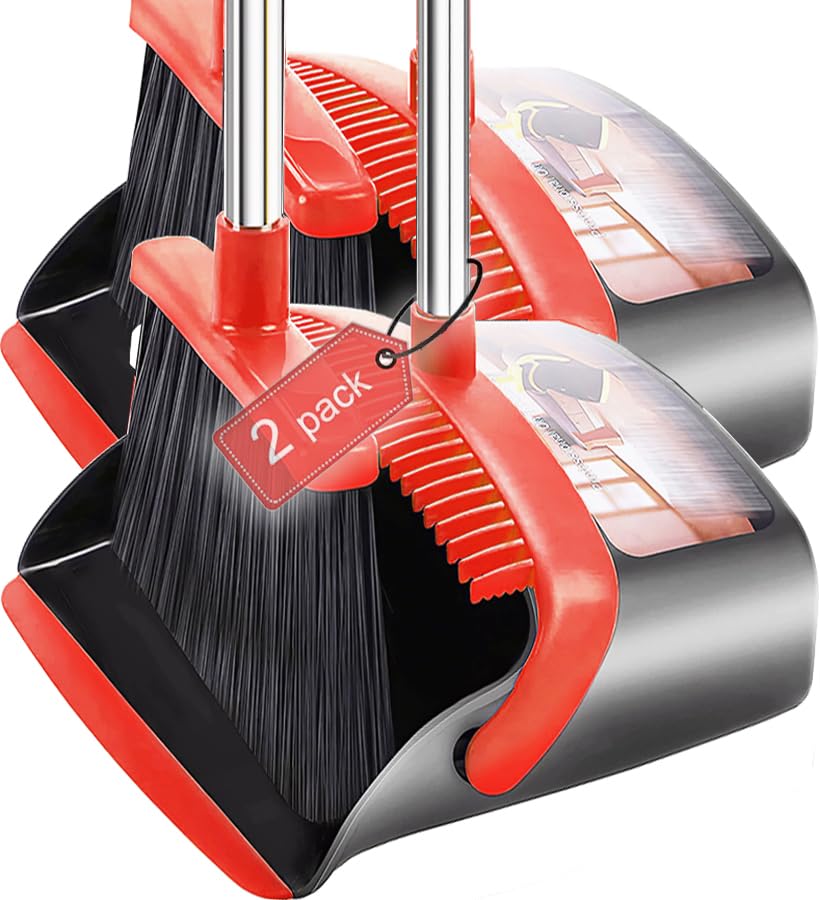
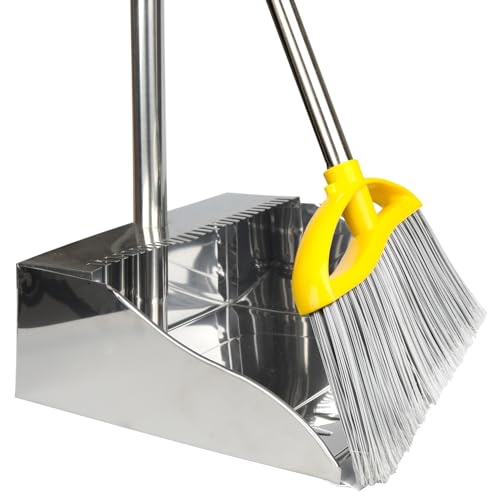
Outdoor sweeping is a different job from indoor sweeping. The debris is heavier and wetter, the surfaces are rough, and the tools live outside where sun and rain work on them all year. A broom that feels fine on a kitchen floor can shred its bristles on concrete in a single season, and a dustpan with a warped lip leaves the same line of grit behind on every pass. Choosing the best outdoor broom and dustpan set means matching bristle stiffness to your roughest surface and picking materials that tolerate being left in the weather. The comparison table below lays out the main set types side by side.
This guide covers the features that decide how an outdoor set performs on patios, driveways, garages and garden paths, plus the storage and care habits that keep bristles straight and dustpan lips flat season after season.
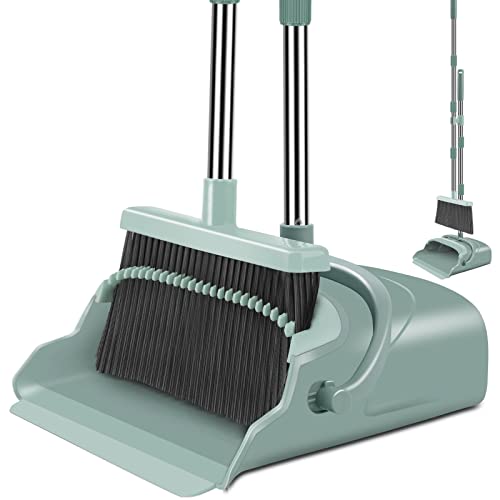

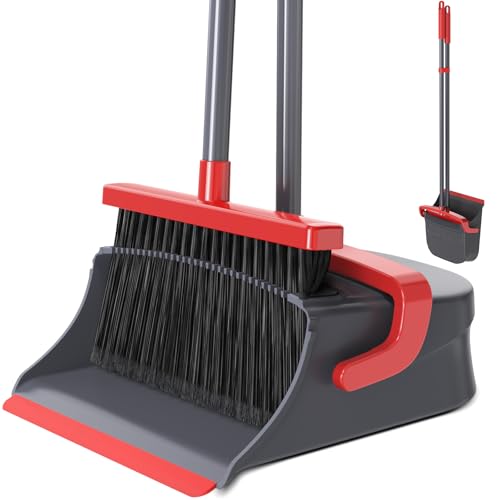

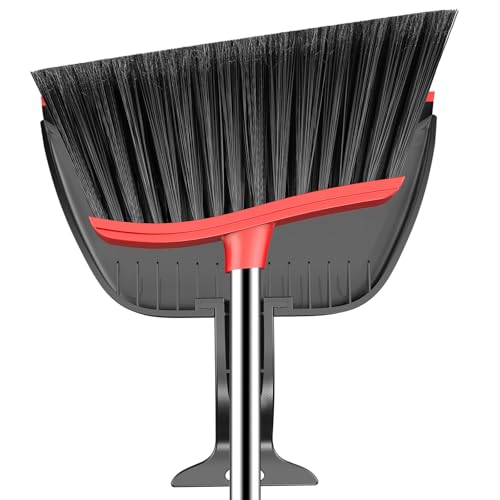

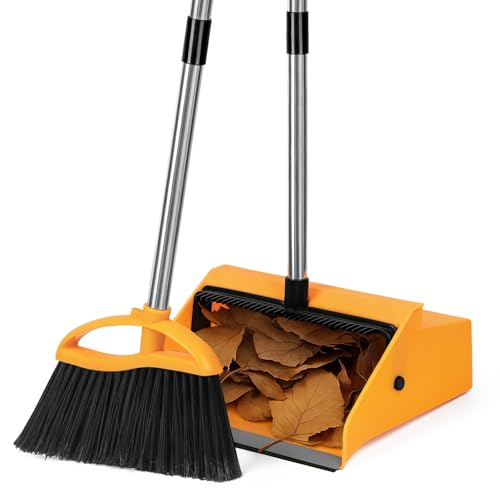
Who Should Buy Which Outdoor Broom and Dustpan Set?
Patio and Deck Owners Sweeping Leaves and Grit
If your regular mess is dry leaves, seed pods, pollen and grit tracked across a patio or deck, a medium stiff broom with a wide head clears the area quickly without scattering light debris. The dustpan half matters as much as the broom: a wide mouth and a lip that sits flush on boards or pavers keeps the last line of dirt from slipping underneath. Sets sold as the best broom and dustpan for general home use often split the difference, but patio owners should lean toward weatherproof materials over indoor softness.
Garage and Driveway Sweepers
Garages and driveways produce the heaviest outdoor debris: gravel, dried mud, metal shavings and road grit on rough concrete or asphalt. This group needs the stiffest bristles in the lineup, a handle that tolerates real pushing force, and a deep dustpan that holds a load of gravel without spilling on the way to the bin. A push style head wider than a standard angle broom cuts the pass count on open concrete. Prioritize bristle material and handle strength over fine dust pickup, because fine dust is not the problem out here.
Gardeners Clearing Paths and Beds
Garden sweeping means soil, mulch, clippings and wet leaves on paths, steps and potting areas, often right after watering or rain. A broom that shrugs off wet work and rinses clean under the hose suits this group best. Look for bristles that do not absorb water and a dustpan that doubles as a scoop for spilled potting mix. Gardeners also store tools outdoors year round, so resistance to sun damage and rust decides how long the set stays useful.
Key Features to Compare
Bristle Material and Stiffness
Bristles do the work, and outdoors they meet abrasive surfaces that wear soft fibers quickly. Stiff synthetic bristles, usually PET or polypropylene, stand up to concrete and asphalt and spring back after bending. Unflagged bristle ends, meaning the tips are left whole rather than split, move chunky debris like gravel and twigs better, while split tips are an indoor feature for fine dust. Natural fibers such as palmyra work well on rough ground but absorb water and degrade faster when stored wet. Match stiffness to your roughest regular surface, not your smoothest, because a too soft broom on rough concrete frays within months.
Head Width and Shape
Head width sets your pass count. An 18 to 24 inch push head clears a driveway far faster than a narrow angle broom, but the narrow head wins in corners, on steps and between planters. Angled heads reach under benches and along fence lines where a straight push broom cannot lie flat. Some outdoor sets pair a wide push broom for open areas with the dustpan doing detail duty, so judge the set by your tightest regular spot as well as your largest open one.
Handle Length, Material and Grip
A handle around 48 to 54 inches lets most adults push with their body weight instead of their lower back. Steel handles with a powder coated finish resist rust and bending, while wood handles feel warmer in cold weather but can splinter if left in the rain. Fiberglass sits between the two and tolerates weather well. Check how the head attaches: a threaded or bolted connection that can be tightened lasts longer than a friction fit that loosens. A hanging hole or clip that joins broom and dustpan keeps the set together in storage.
Dustpan Lip, Capacity and Foot Control
The dustpan decides whether sweeping feels finished or endless. A thin, flexible rubber lip that lies flat against the ground is the single most important detail, because any gap sends grit under the pan instead of into it. Capacity matters outdoors, where one load can be a pile of wet leaves or gravel, so look for a deep pan that does not spill when lifted. A foot hold or a handle you can step on keeps the pan planted while both hands work the broom, and a pan that stands upright on its own makes storage and mid job pauses easier.
Weather Resistance and Storage Design
An outdoor set lives in outdoor conditions. Plastic parts should be UV stabilized or they turn brittle and crack after a summer or two of sun. Metal parts need a rust resistant finish, especially at screws and the dustpan edge. Storage shape is part of weather survival: a set that clips together and hangs on a wall hook stays off wet ground, dries faster and keeps bristles from bending under their own weight. If the set must live in a corner, confirm the dustpan stands upright without leaning on the broom.
Matching the Set to Your Surfaces
Rough concrete and asphalt want stiff bristles and a heavy dustpan, because the surface itself grips debris and the broom has to persuade it loose. Wood decking needs one notch softer: very stiff bristles can raise splinters on older boards and flick debris through the gaps between boards, where it is lost instead of collected. Smooth pavers and sealed stone sit between the two, and a medium bristle with a good dustpan lip handles them well.
One warning about mixing jobs: a stiff outdoor broom should stay outdoors. Its bristles scratch wood finishes and track grit across indoor floors, which is why many households keep a separate best indoor broom and dustpan set with soft split tip bristles for inside rooms. Likewise, if some of your sweeping happens on finished wood, such as a porch with a sealed floor, shop the softer end of the range covered by guides to the best broom and dustpan for hardwood floors rather than forcing one stiff set to do everything.
Common Mistakes to Avoid
- Buying a soft indoor style broom for concrete, which frays the bristle ends and halves the life of the tool in one season.
- Judging a set by the broom alone and ignoring the dustpan lip, then fighting the same line of leftover grit on every pass.
- Storing the broom standing on its bristles, which bends them permanently and ruins the sweeping edge.
- Sweeping wet leaves with a fine dust broom, which mats the bristles into a useless pad instead of moving the pile.
- Choosing the widest head available for a small cluttered patio, where a narrower angle broom would reach the corners the wide head cannot.
How to Make Your Outdoor Broom and Dustpan Last Longer
Hang the set off the ground whenever you can, either on a wall hook or clipped together and hung by the handle hole, so bristles dry straight and stay out of standing water. Rinse bristles with the hose when soil and sap build up, then shake the water out and let the head dry before storage. Pull tangled hair, string and leaf stems out of the bristle block weekly, because packed debris splays the bristles outward. If the dustpan lip curls up at the edges after a hot summer, a few hours stored flat under a weight usually relaxes it back into line. Keep wooden handles under cover, since repeated soaking and sun cycles split the grain faster than any sweeping does.
FAQ
Can an outdoor broom and dustpan set be used indoors?
It can, but it is rarely a good idea on finished floors. Stiff outdoor bristles can scuff hardwood and laminate finishes, and the bristles carry embedded grit that acts like sandpaper. The set also tends to scatter fine indoor dust rather than capture it, because outdoor bristles lack split tips. Most households do better with a dedicated soft indoor set and keep the rugged set for the garage, patio and driveway.
Why does debris keep sliding under the dustpan?
Debris slides under the pan when the lip lifts, which happens when the rubber edge warps, the pan is held at an angle, or you sweep too fast and air pushes light grit ahead of the broom. Slow the final stroke, press the pan handle down so the lip seals, and sweep the last line toward the pan in short strokes. If the lip is visibly curled, it is time to flatten it in storage or replace the pan.
How wide should an outdoor broom head be?
For open driveways and garage floors, an 18 to 24 inch head cuts sweeping time sharply. For patios with furniture, steps and planters, a 12 to 16 inch angle head reaches more of the actual surface. Measure your narrowest regular spot, such as the space between deck chairs or a gate opening, and let that set your maximum width, because a head that cannot enter a space effectively does not clean it.
How do you store an outdoor broom so the bristles stay straight?
Store the broom hanging by its handle or standing head up, never resting on the bristles. Weight on the bristle block bends the fibers at the root, and they keep that bend permanently. A simple wall hook near the door you use most also makes quick sweeps more likely. If the set clips together, hang the combined unit so the dustpan takes no load either.
How long does an outdoor broom and dustpan set last?
A decent outdoor set lasts about two to four years of regular use, with the bristles usually wearing out first on rough concrete. Sun exposure is the silent factor: unprotected plastic handles and dustpans can crack in a single hot summer stored in direct sun. You will know the broom is done when the bristle ends look like a frayed rope and sweeping takes twice the passes it used to.
Final Thoughts
Judge an outdoor set by its stiffest job and its smallest detail: bristles that survive your roughest surface, and a dustpan lip that seals on your smoothest one. Add weather resistant materials and a storage plan that keeps bristles off the ground, and the set will work for years. That combination is what makes the best outdoor broom and dustpan set worth its space by the door. Compare the main designs in the product table above before you decide.


