
Best Ozone Free Air Purifier for 2026: How to Choose a Safer Clean
Disclosure: We may earn a commission when you buy through links on this page, at no extra cost to you. As an Amazon Associate I earn from qualifying purchases. Learn more

Learn how to choose the best ozone free air purifier, from true HEPA filtration and CADR to zero ozone certifications and long term filter costs.
Some air cleaners freshen a room by adding ozone to it, and that is exactly what many shoppers want to avoid. Ozone can irritate lungs and airways even at low levels, and health agencies advise against breathing it on purpose indoors. A best ozone free air purifier cleans with mechanical filtration instead, trapping particles in filters and adding nothing back into the air you breathe.
This guide explains how to spot genuinely ozone free designs, which labels prove it, and how to size a unit for your room. The comparison table below outlines the main filter based classes so you can see the tradeoffs before you shop.

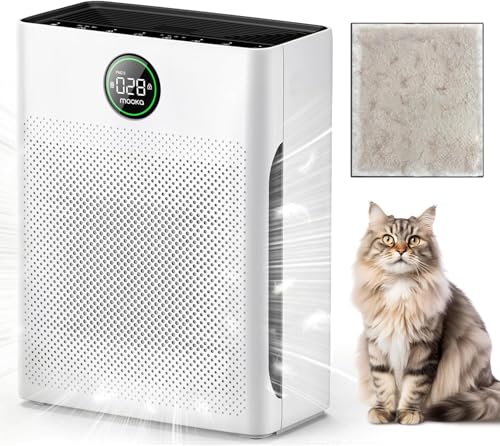
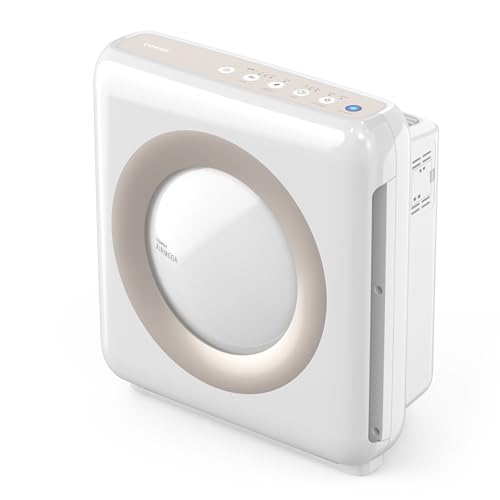
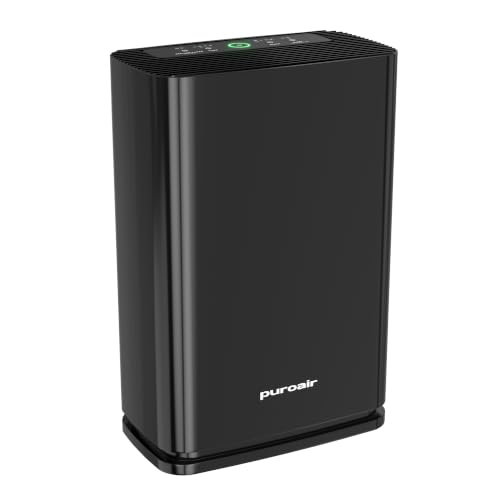
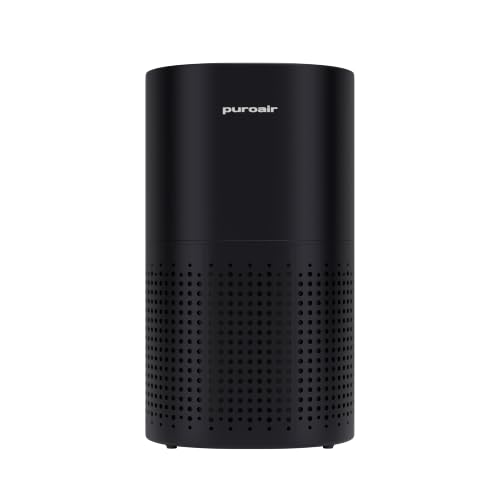
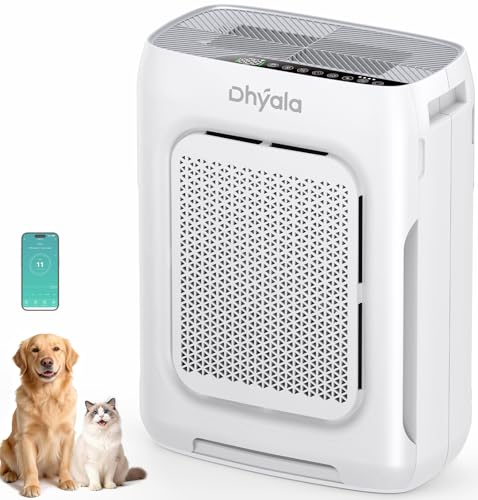


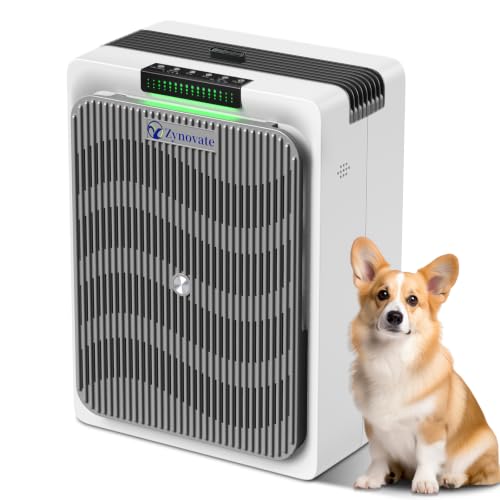
Who Should Buy Which Ozone Free Air Purifier?
Homes with asthma or sensitive lungs
If anyone in the house has reactive airways, your first rule is simple: no ionizers, no ozone generators, no plasma features that cannot be switched off. A sealed unit with a true HEPA filter handles pollen, dust and dander without releasing anything. Readers comparing options for allergy season will find broader context in our guide to the best air purifier for allergies, and you should always confirm any buying decision against your doctor's advice for your own condition.
Pet owners dealing with dander and litter dust
Pets add fine dander, hair and tracked litter dust that a basic filter misses unless airflow is strong. Look for a washable prefilter that catches hair before it loads the HEPA filter, plus a thick carbon layer for litter box and wet dog odors. Our guide to the best air purifier for pets covers placement near litter areas and sleeping spots in more detail.
Bedrooms, nurseries and home offices
Rooms where people sleep or sit for hours need quiet, steady cleaning rather than maximum power. A mid size HEPA unit running on a low or medium setting all day usually beats a loud unit you keep switching off. Check the noise rating at the speed you will actually use, and pick a model with a display light you can dim or turn off at night.
Key Features to Compare
Filtration type and true HEPA media
Mechanical filtration is the core of any ozone free claim. A true HEPA filter traps at least 99.97 percent of particles at 0.3 microns, which covers pollen, dust mite debris, mold spores and most dander. Terms like HEPA type or HEPA style describe looser media with lower capture rates, so read the spec sheet carefully. Avoid models that rely on ionization as the main cleaning method, and treat ultraviolet lamps as an extra, never as a substitute for a real filter.
Zero ozone certifications to look for
Claims on a box are cheap, so look for third party proof. CARB certification means the unit meets the California limit for ozone emissions, which is required for sale in that state and widely used as a national benchmark. UL 2998 goes further and verifies zero ozone emissions under test conditions. If a purifier has an ionizer mode, confirm it can be fully disabled, because a feature you cannot turn off is a feature you cannot avoid.
CADR and room size matching
Clean air delivery rate, or CADR, tells you how much filtered air a unit moves for dust, pollen and smoke. A common rule of thumb is to choose a smoke CADR at least two thirds of your room square footage, which gives roughly two air changes per hour. Oversizing slightly lets you run the fan lower and quieter for the same result. Undersizing is the most common buying error, and no filter quality can make up for too little airflow.
Carbon filtration for odors and gases
HEPA media does not capture gases or smells, so odor control depends on activated carbon. Thin carbon sheets only freshen the air for a few weeks, while canisters with a pound or more of granular carbon keep working for months. Kitchens, litter corners and damp basements need that heavier carbon stage. If dampness is your main issue, remember that a purifier does not remove moisture, and our guide to the best air purifier for mold explains how filtration fits into a wider moisture fix.
Noise, energy use and filter costs
Most filter based purifiers draw about as much power as a light bulb on medium speed, so running one all day costs little. Filter replacement is the real expense, typically once or twice a year for HEPA media and more often for carbon in smelly spaces. Add up two years of filters before you buy, because a cheap unit with costly cartridges can pass a pricier model in total cost. Sleep mode noise around conversation level or lower suits bedrooms best.
How to Confirm a Purifier Is Truly Ozone Free
Start with the technology list on the spec sheet. Pure fan and filter designs, sometimes called mechanical filtration, generate no ozone at all. Electronic designs such as ionizers, electrostatic precipitators and some photocatalytic systems can create ozone as a byproduct, even when marketing calls them air fresheners. If the words ionic, plasma or ozone generator appear anywhere in the description, move on unless the unit carries UL 2998 verification and the feature can be switched off.
Then check the certification marks on the product page or the box, and cross check the model number in the CARB database of certified air cleaners if you want certainty. Be wary of vague phrases like ozone safe or low ozone without a standard attached. Health agencies including the EPA note that ozone does not remove particles from indoor air at safe levels, so a filter based unit is both the simpler and the safer route for everyday cleaning.
Common Mistakes to Avoid
- Buying an ionizer or ozone generator by mistake because the listing highlighted odor removal without explaining how it works.
- Choosing by room size claims alone, which often assume very high ceilings or maximum fan speed, instead of checking CADR.
- Leaving the shipping plastic on the inside filter, a common setup slip that makes a new purifier move air without cleaning it.
- Placing the unit flush against a wall or behind furniture, which chokes the intake and cuts real airflow sharply.
- Expecting a purifier to cure allergy or asthma symptoms, when filtration only reduces airborne triggers as part of a wider plan.
- Skipping filter changes because the air still smells fine, since loaded HEPA media quietly loses airflow and capture rate.
How to Make Your Ozone Free Air Purifier Last Longer
Vacuum or rinse the prefilter every few weeks if the manual allows it, because a clean prefilter keeps hair and lint from loading the HEPA stage early. Keep the unit a few inches away from walls and curtains so intake vents stay clear, and run it on a steady medium setting rather than short blasts on turbo. Dust the exterior grilles monthly, and wipe the air quality sensor lens if your model has one, since a dirty sensor misreads the room.
Replace filters on the schedule in the manual or when the indicator trips, and write the install date on the filter frame so you can judge real filter life in your home. Store spare filters sealed in a dry closet, away from cleaning chemicals. If the fan grows louder over time, check for a loose panel or debris on the intake before assuming the motor is failing.
FAQ
How can you tell if an air purifier produces ozone?
Check the technology and the certifications. Ionizers, electrostatic models and anything marketed as an ozone generator can emit ozone, while fan and filter units do not. Look for CARB certification or UL 2998 zero ozone verification on the exact model number. If a listing only says low ozone without naming a standard, treat the claim as unproven and choose a verified filter based design instead.
Is an ozone free air purifier safe to run around babies and pets?
A mechanical HEPA unit adds nothing to the air, so it is the type most often recommended for nurseries and pet homes. Place it where cords cannot be chewed and the unit cannot be tipped, and keep the intake clear of bedding and fur buildup. If a child has asthma or another lung condition, ask their doctor which room setup makes sense, since a purifier supports care but never replaces it.
Does an ozone free air purifier remove cooking and pet odors?
Yes, if it has enough activated carbon. The HEPA stage handles particles, while the carbon stage adsorbs odor molecules and many household gases. Thin carbon sheets fade within weeks in a busy kitchen, so odor heavy homes should pick units with heavy granular carbon and budget for more frequent carbon changes. Venting the kitchen while you cook still removes more odor than any filter can.
What size ozone free air purifier do you need for a living room?
Measure the room, then pick a smoke CADR of at least two thirds of that square footage. A 300 square foot living room, for example, does well with a CADR around 200 or higher. Larger rooms and open plans may need one bigger unit or two smaller ones at opposite ends. Buying slightly large lets you run a quieter speed, which matters in rooms where people talk and watch television.
Can an ozone free air purifier help with wildfire smoke?
A sealed HEPA unit helps a lot with smoke particles, and a heavy carbon stage reduces the smell. Keep windows closed, run the purifier on a higher setting while smoke is heavy, and expect to change filters sooner after a smoke event because they load faster. If indoor air stays irritating or anyone has trouble breathing, follow local health guidance and seek medical advice rather than relying on the purifier alone.
Final Thoughts
Ozone free buying is mostly about verification: mechanical filtration, a real HEPA filter, CADR matched to your room, and a certification that proves the zero ozone claim. The product table above lines up the main classes, and the wider best air purifier guide shows how these models sit in the full market. Choose the best ozone free air purifier for the room you actually live in, keep up with its filters, and let it quietly do particle work in the background. If breathing symptoms are part of your decision, talk with your clinician about your personal needs alongside any purchase.


