
Best Pool Chemicals for Above Ground Pools in 2026: A Safety First Guide
Disclosure: We may earn a commission when you buy through links on this page, at no extra cost to you. As an Amazon Associate I earn from qualifying purchases. Learn more

Choose the best pool chemicals for above ground pools with guidance on sanitizers, testing, dosing for small volumes and safe storage away from kids.
Above ground pools hold less water than in ground pools, so every dose hits harder, every hot afternoon burns chlorine faster and small mistakes show up as cloudy water within days. Choosing the best pool chemicals for above ground pools is less about brands and more about getting the right forms, the right test method and doses scaled to a smaller volume. Vinyl liners add one more rule, since harsh or undissolved products can bleach and weaken them.
This guide walks through the core chemicals, how to test before you dose and the safety rules that protect your family. The comparison table below outlines the main product types, and our general guide to the best pool chemicals covers the same categories for in ground pools as well.



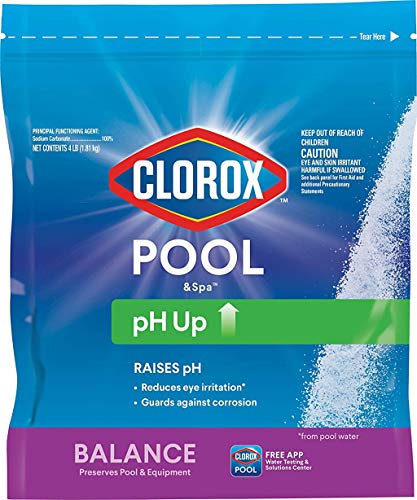
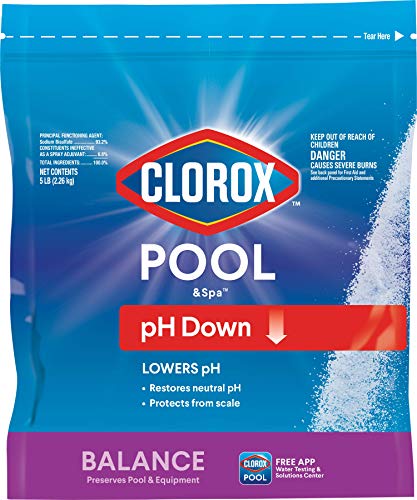


Who Should Buy Which Pool Chemicals for Above Ground Pools?
New Owners Setting Up a First Seasonal Pool
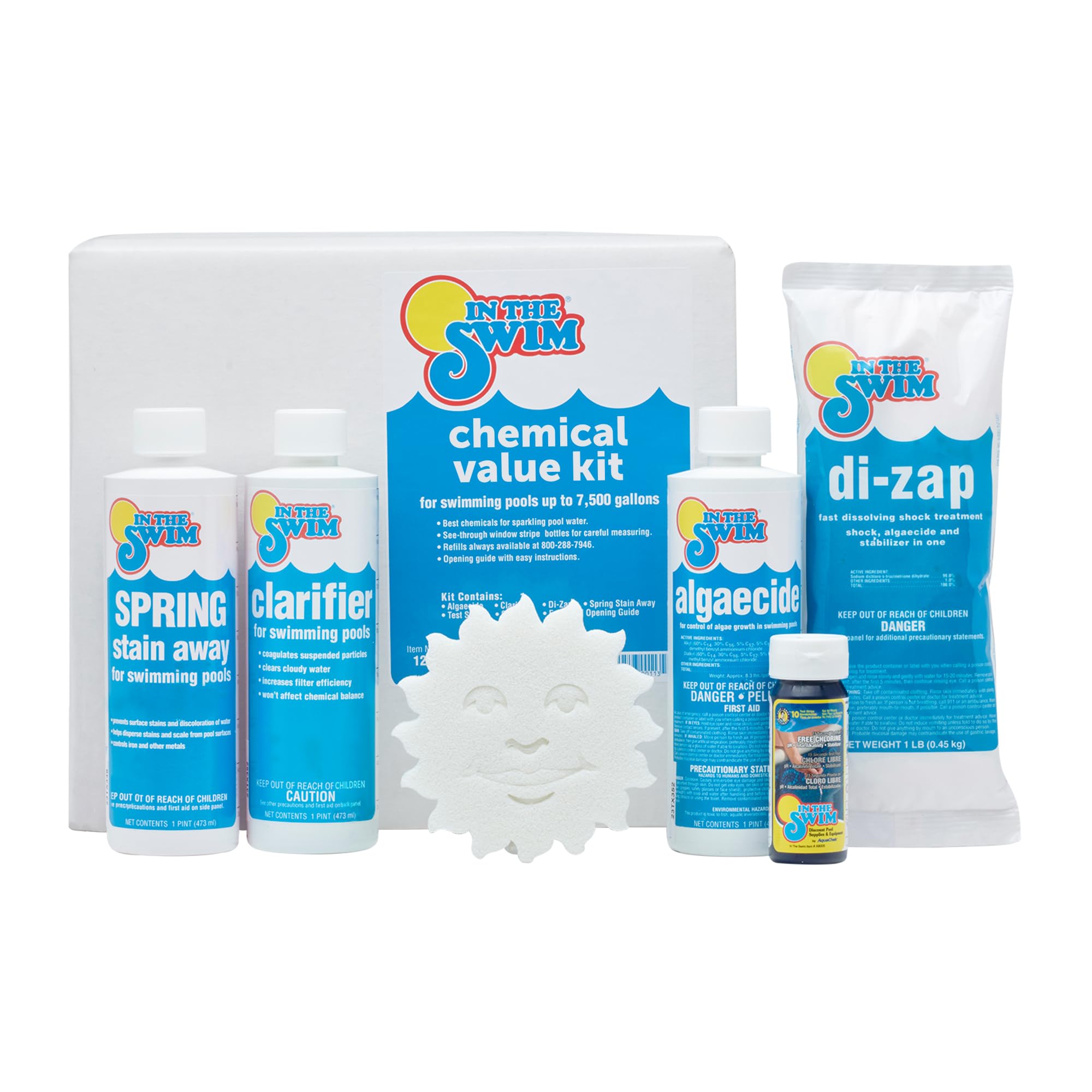
A starter kit bundles the essentials in small sizes, which suits a first season when you do not yet know your usage rate. You need a sanitizer, shock, a pH adjuster and a way to test, and buying them together avoids the classic gap of owning chlorine but nothing to measure it with. Start simple, learn your pool rhythm for a month, then buy larger containers of what you actually use.
Owners Fighting Cloudy Water or Repeat Algae
Cloudiness and algae usually mean the routine failed before the products did, so check your testing method first. Owners in this group benefit from an accurate liquid test kit, a proper shock product and an algaecide used as prevention rather than rescue. Throwing random chemicals at green water wastes money and can lock in stains, so diagnose chlorine, pH and stabilizer levels before adding anything new.
Owners of Small Soft Sided Pools
A small soft sided pool may hold only a few thousand gallons, so a dose meant for a big pool overshoots wildly. Granular products and tablets sized for small volumes, plus a measuring scoop you dedicate to pool use, keep dosing accurate. Because the water volume is small and the pump is modest, these pools react fast to sun and swimmers, and they reward owners who test little and often.
Key Features to Compare
Sanitizer Form and Strength
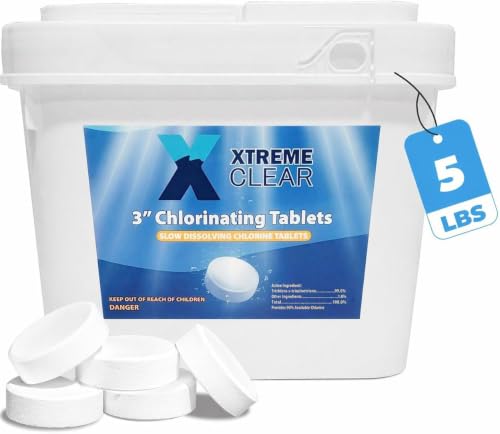
Chlorine tablets dissolve slowly and suit a floater or feeder for steady daily sanitation, while granules act fast and work better for corrections and shock dosing. Liquid chlorine works quickly and leaves no residue, but it is bulky and loses strength in storage. Check the available chlorine percentage on the label, because two buckets that look alike can differ widely in strength. For vinyl liners, never let tablets rest on the floor and never pour undissolved granules straight onto the liner.
Testing Method: Strips Versus Liquid Kits
Test strips are fast and cheap, and their rough readings are fine for a quick daily check between swims. A liquid reagent kit reads chlorine, pH and other levels far more precisely, which matters when you are fixing a problem or balancing fresh fill water. Many owners use both, strips for routine glances and the kit for a weekly full reading. Store strips dry and check the expiry date, because damp or expired strips lie convincingly.
Stabilizer and Sun Protection for Chlorine
Stabilizer, also called cyanuric acid, shields chlorine from ultraviolet burn off, and an outdoor pool without it can lose most of its chlorine by mid afternoon. The catch is that stabilizer only leaves the water when water leaves, so levels creep up all season when you use stabilized tablets and granules. Too much stabilizer weakens chlorine and forces partial drain and refills. Test the level monthly and switch to unstabilized products when it climbs high.
Shock, Algaecide and Clarifier Roles
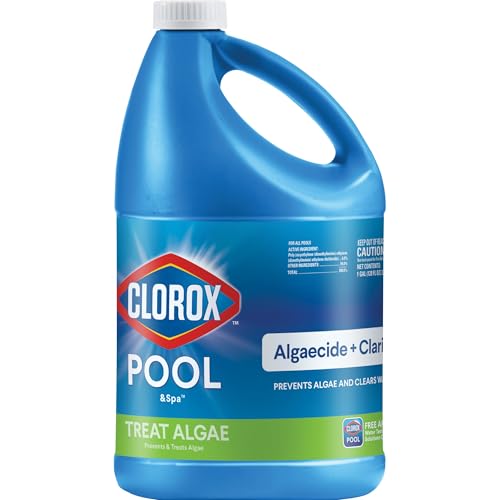
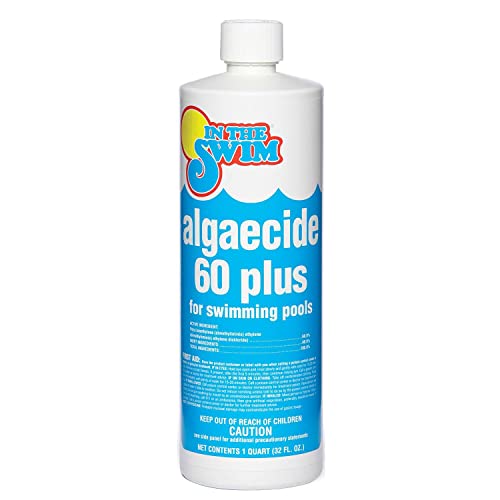
Shock is a large sanitizer dose that destroys combined chlorine and kills early algae after parties, storms or neglect. Algaecide works best as a weekly preventive and only weakly against an established bloom, so it never replaces shock. Clarifier clumps tiny particles so the filter can catch them, which helps small cartridge filters clear haze. Each product does one job, and using them in the right order, test, balance, shock, then clarify, beats using all three at once.
Dosing Accuracy for Small Water Volumes
Above ground pools punish rough measuring, because one extra scoop in 3,000 gallons shifts levels like several scoops in a large pool. Look for products with dosing charts that start at small volumes, and use a dedicated plastic scoop and a kitchen scale for granules if the label gives weights. Add one chemical at a time, let the pump circulate, then retest before the next addition. Slow corrections are cheaper and safer than overshooting and counter dosing.
Safety Rules for Handling Pool Chemicals
Read every label before opening, and follow its dosing and protective gear instructions exactly, since pool chemicals are registered products with legal use directions. Never mix different chemicals together, and never mix chlorine products with acids or ammonia based cleaners, because the reaction releases toxic gas. Add chemicals to water as the label directs, wear gloves and eye protection, and work upwind so dust and fumes blow away from your face. Keep children and pets out of the area until products are closed and put away.
What Your Budget Covers
Under about $20 buys test strips, a small pH adjuster or a single bag of shock for one treatment. Between about $20 and $50 you can stock a season size container of tablets or granules for a small pool. From about $50 to $100, a full starter setup with sanitizer, shock, adjusters and a liquid test kit becomes realistic, and that kit usually lowers your cost per week for the rest of the season.
Common Mistakes to Avoid
- Mixing two chemicals in one bucket to save time, which can release toxic gas and injure you.
- Dosing by guesswork without testing first, so levels swing between too weak and far too strong.
- Resting chlorine tablets directly on a vinyl liner, which bleaches and weakens the floor patch beneath them.
- Adding shock in bright midday sun, so ultraviolet light burns it off before it can work.
- Storing chemicals in a damp shed in open containers, which ruins potency and corrodes nearby tools.
- Letting stabilizer climb unchecked all season, until chlorine stops working and the pool turns green.
How to Store Pool Chemicals Safely and Keep Them Effective
Store chemicals in their original labeled containers with lids sealed, in a cool, dry and ventilated space, locked or placed well out of reach of children and pets. Keep liquids below powders so a leak cannot drip into another product, and never store chlorine near acids, fuels or fertilizers. Keep containers off bare concrete, which wicks moisture, and never transfer chemicals into drink bottles or food containers.
Potency fades with heat and time, so buy sizes you will finish within a season or two and write the purchase date on the lid. Liquid chlorine weakens fastest, often within months, while sealed tablets and granules keep well for years if they stay dry. If a product clumps, smells off or fails to change test readings at normal doses, replace it rather than doubling the dose.
FAQ
How often should above ground pool water be tested?
Test chlorine and pH two or three times a week during swim season, and after heavy use, storms or a fresh top up of water. Small pools drift faster than large ones because each swimmer and each hot day affects a bigger share of the volume. A quick strip test covers routine checks, with a liquid kit reading once a week for accuracy.
Can regular pool chemicals be used in a soft sided pool?
Yes, the same chemical categories work, but doses must scale down to the smaller volume and products must disperse fully. Use a floater for tablets instead of the skimmer basket if the maker warns against it, and brush granules until they dissolve so nothing sits on the liner. When in doubt, the pool maker guidance and the chemical label together decide the safe method.
Why does chlorine disappear so fast in an above ground pool?
Sunlight is the usual cause, since unstabilized chlorine can burn off within hours on a bright day, and shallow above ground water warms quickly, which speeds the loss. Low stabilizer, heavy swimmer loads and early algae all add to the drain. Test the stabilizer level before adding more chlorine, because pouring in sanitizer without sun protection repeats the same loss tomorrow.
Is it safe to swim right after adding shock?
No, wait until the free chlorine level falls back into the range printed on your test kit and the product label, which often means overnight with the pump running. Shock doses are deliberately strong enough to irritate eyes and skin. Retest before anyone swims rather than trusting the clock, because small pools clear at different speeds depending on sun and circulation.
How long do pool chemicals stay good in storage?
Sealed tablets and dry granules typically stay potent for several years in cool dry storage, while liquid chlorine can lose noticeable strength within a few months, faster in heat. Test strips expire on the date printed on the bottle and read falsely after it. When an old product underperforms at a normal dose, replace it instead of escalating the amount.
Final Thoughts
Clear water in an above ground pool comes from a simple loop: test first, dose for your actual volume, keep stabilizer in range and store everything safely away from kids and pets. Compare the core product types in the product table above, follow every label, and the best pool chemicals for above ground pools become the ones you use correctly and consistently. Prices and availability can change, so check the product page before ordering.


