
Best Pool Vacuum for Sand: A Buying Guide for 2026
Disclosure: We may earn a commission when you buy through links on this page, at no extra cost to you. As an Amazon Associate I earn from qualifying purchases. Learn more

Compare pool vacuums for sand by filter fineness, debris bag design, runtime and power type, with prices and tips for fine debris on pool floors.
Sand is the debris most pool vacuums handle badly. It is heavy, so weak suction leaves it behind, and it is fine, so it blows straight through a coarse filter bag and clouds the water again. The right vacuum traps grains instead of stirring them up. Choosing the best pool vacuum for sand comes down to filter fineness, debris capacity, and a cleaning pattern slow enough to pick up grit without pushing it around. The comparison table below compares the main vacuum types on those points.
This guide explains which vacuum designs actually capture sand, how micron ratings translate to clear water, and how to vacuum a sandy floor without sending half of it back into suspension. For the general category first, our guide to the best pool vacuum types covers robots, suction models, and handhelds in one place.





Who Should Buy Which Pool Vacuum for Sand?
Above Ground Pool Owners Near Beaches or Sandy Yards
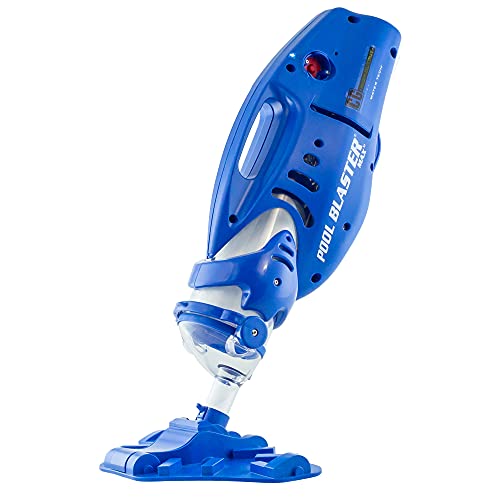
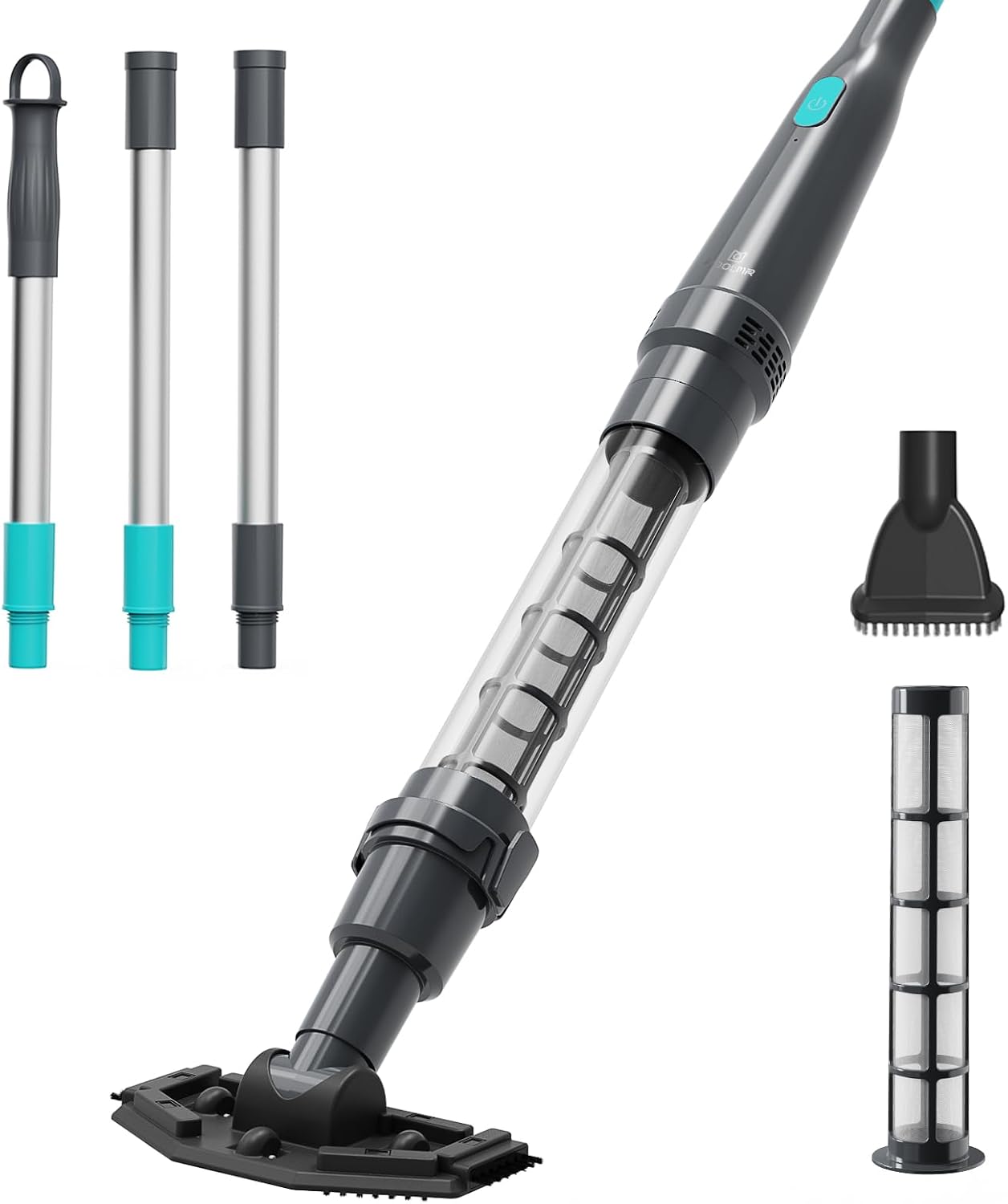
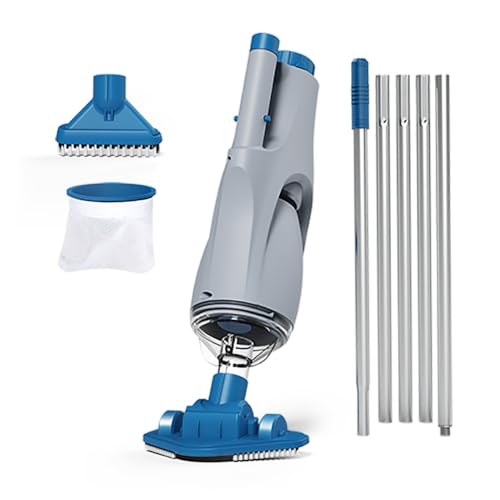
If wind and feet carry sand into an above ground pool all summer, a rechargeable handheld vacuum with a fine filter sock is usually the practical answer, since these pools rarely have the plumbing for a suction cleaner. Look for a wide head for the floor and a pole long enough to reach the center. Our guide to the best above ground pool vacuum options compares models built for these pools.
In Ground Pool Owners With a Sand Problem After Storms
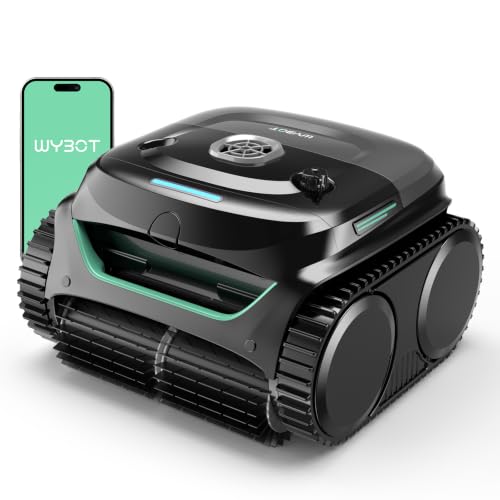
When storms wash sand and grit across an in ground floor, a suction side cleaner tied to your pump gives strong, steady pickup powered by equipment you already own. Our guide to the best suction pool vacuum models explains the pump requirements. A robot with a fine filter cartridge is the other strong option, and it keeps the sand out of your main filter entirely.
Owners Who Want Sand Handled Without Daily Effort
If sand arrives constantly and you want the pool ready without manual vacuuming, a robotic cleaner with a fine debris cartridge and a floor scrubbing brush is the set and forget route. Battery models suit smaller pools and quick passes between swims; our guide to the best battery powered pool vacuum designs compares runtime and capacity for cordless cleaning.
Key Features to Compare
Filter Fineness and Micron Rating
This is the deciding spec for sand. Filters are rated in microns, and pool sand grains are large compared with silt but small compared with leaves. A coarse leaf bag lets fine grit pass through and redeposit, while a fine filter, often rated around 50 microns or finer with a silt sock or cartridge, traps sand so it leaves the pool with the vacuum. Check whether a fine filter option exists for the model you like, because many vacuums ship with a coarse bag and sell the fine one separately.
Debris Chamber or Bag Capacity
Sand is dense, so a chamber that looks generous fills with surprising weight after one storm cleanup. Small handheld chambers may need emptying several times across a sandy floor, which is fine for spot work and tedious for whole pools. Larger canisters and robot bins stretch the interval. Whatever the size, empty sand out before it dries inside the filter, because dried grit is harder to rinse and abrades filter fabric.
Suction Strength and Flow
Pickup depends on flow at the head, not just motor power on paper. A vacuum head that seals close to the floor concentrates suction on the grains, while a head riding high on stiff brushes lets sand escape sideways. For suction side models, your pump and filter condition set the ceiling, so a clogged main filter weakens the cleaner no matter how good it is. Keep passes slow, since moving fast creates a bow wave that pushes sand ahead of the head.
Brushes and Floor Contact
Soft brushes or rollers help loosen sand that has settled into the texture of plaster or vinyl, and then suction carries it away. On smooth fiberglass, a plain suction head often works as well. Avoid stiff bristles on vinyl liners, where aggressive scrubbing can wear the pattern and, in the worst case, stress seams. Wheels should roll freely; a dragging wheel leaves a clean stripe pattern that shows exactly where the vacuum failed to pick up.
Runtime, Cord, and Pool Size Fit
Match the cleaner to your pool dimensions. Handheld battery models run about 45 to 90 minutes, enough for above ground pools and spas. Robots clean for 90 minutes to several hours and suit full size floors, but their cord or cleaning cycle must cover your longest wall to wall distance. Suction cleaners run as long as the pump runs, which makes them strong for big storm cleanups, provided your plumbing supports one.
How to Vacuum Sand Off a Pool Floor Without Clouding the Water
Let the water settle first, ideally overnight after a storm, so suspended grit drops to the floor where the vacuum can reach it. Brush the walls and steps toward the floor before you start, then vacuum slowly in overlapping lanes, keeping the head flat and moving at a pace that lets grains enter the intake instead of rolling away. Work from the shallow end toward the deep end so disturbed water drifts away from the area you have finished.
If you use a manual vacuum head on a pole with the pump, set the filter valve to waste for heavy sand loads when your system allows it, so the worst grit exits the plumbing instead of loading the filter. Rinse or empty the vacuum filter as soon as suction fades, since a sand packed filter is the usual cause. Afterward, let the pump run a few hours to polish out the haze, and check your main filter pressure, because fine debris that escaped the vacuum ends up there.
What Pool Vacuums for Sand Cost
Rechargeable handhelds run about $60 to $150 and suit above ground pools and spot cleaning. Suction side cleaners sit around $100 to $300 plus any plumbing parts your setup needs. Robotic cleaners with fine filtration start around $300 and climb past $800 for large pools and smart navigation. For a persistent sand problem, filtration quality matters more than tier: a mid priced vacuum with a true fine filter beats a premium one running a coarse bag.
Common Mistakes to Avoid
- Vacuuming right after a storm while grit is still suspended, so most of it resettles after you finish.
- Moving the vacuum head fast, which pushes a wave of sand ahead of the intake instead of capturing it.
- Using the standard coarse bag for sand, letting fine grains pass through and cloud the water again.
- Letting the filter chamber overfill with wet sand, which kills suction and strains the motor or pump.
- Scrubbing a vinyl liner with stiff brushes meant for plaster, risking wear at seams and corners.
- Skipping a main filter check after a big cleanup, leaving trapped grit to choke circulation for days.
How to Make Your Pool Vacuum Last Longer
Rinse the filter, bag, or cartridge with a garden hose after every sandy session, and let it dry before storing, since grit left in fabric cuts fibers as it dries. Inspect the intake and impeller area for trapped pebbles, which are common after storms and can jam a handheld motor. Store battery models with a partial charge out of direct sun, and keep cords loosely coiled rather than tightly wound. Rinse the whole unit with fresh water if your pool is saltwater, because salt residue corrodes fittings and switches over a season.
FAQ
Why does sand keep coming back after vacuuming a pool?
Usually because the filter let it through. A coarse bag or cartridge captures leaves but passes fine grit, which then resettles on the floor and looks like new sand. Switch to the finest filter option your vacuum offers and vacuum slowly. If sand still returns in the same spots with a fine filter, check for a torn filter element or a return jet aimed at the floor stirring settled grit.
Can a robotic pool cleaner pick up sand?
Yes, provided it runs a fine filter cartridge and moves slowly enough on the floor. Robots with only a coarse mesh basket struggle with fine grit the same way other vacuums do. Active scrubbing brushes help on textured plaster. For very fine silt, some owners add a finer aftermarket cartridge, which is worth checking for compatibility before you buy the robot.
Is it better to vacuum a pool to waste or through the filter?
For heavy sand loads on systems with a multiport valve, vacuuming to waste keeps the grit out of your filter and avoids repeated pressure spikes, at the cost of losing several inches of water. For light, routine sand, vacuuming through a fine filter is fine and saves water. Never vacuum to waste with a cartridge filter setup that lacks the valve, and watch the water level so the pump does not run dry.
How do you get sand out of an above ground pool without a skimmer vacuum?
A rechargeable handheld vacuum with a fine sock is the simplest route and needs no plumbing. Work slowly across the floor and empty the chamber often. A low tech trick also works: create a gentle whirlpool, let debris gather in the center as the water settles, then spot vacuum that single pile instead of chasing grains across the whole floor.
Does pool sand on the floor mean the sand filter is broken?
It can. If the sand appearing on the floor matches your filter media and shows up in lines in front of the return jets, a cracked lateral or standpipe inside a sand filter may be passing media into the pool. Wind blown and foot carried sand spreads more evenly and concentrates in low spots. If the pattern points to the returns, inspect the filter internals before blaming the vacuum.
Final Thoughts
For sand, filter fineness beats raw power every time. Choose the vacuum type that fits your pool and plumbing, insist on the finest filter it supports, and work slowly so grains enter the intake instead of scattering. The product table above compares the main designs on the specs that matter, so you can pick the best pool vacuum for sand with clear water as the result.


