
Best Pool Vacuum Under $100 in 2026: Honest Guidance for Tight Budgets
Disclosure: We may earn a commission when you buy through links on this page, at no extra cost to you. As an Amazon Associate I earn from qualifying purchases. Learn more

Compare the best pool vacuum under 100 dollars by type, run time and debris capacity, with honest notes on what this budget can and cannot clean well.
Surface leaves are easy to skim, but the grit, sand and dead algae settled on the pool floor are what turn water cloudy and feed new algae growth. The best pool vacuum under 100 dollars will not match a robotic cleaner, yet the right manual, suction or cordless model keeps a small pool genuinely clean between deeper sessions. What matters is matching the cleaning method to your pool size, your pump and the kind of debris you actually get.
This guide explains what the budget buys, where it falls short and which features deserve your money first. The comparison table below sums up the main types, and readers comparing every price level can also see our full guide to the best pool vacuum options beyond this price cap.


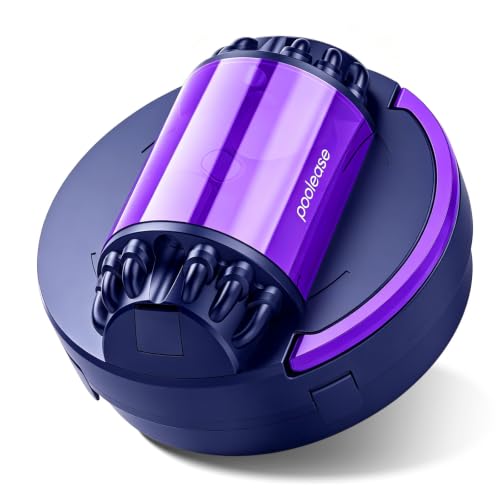

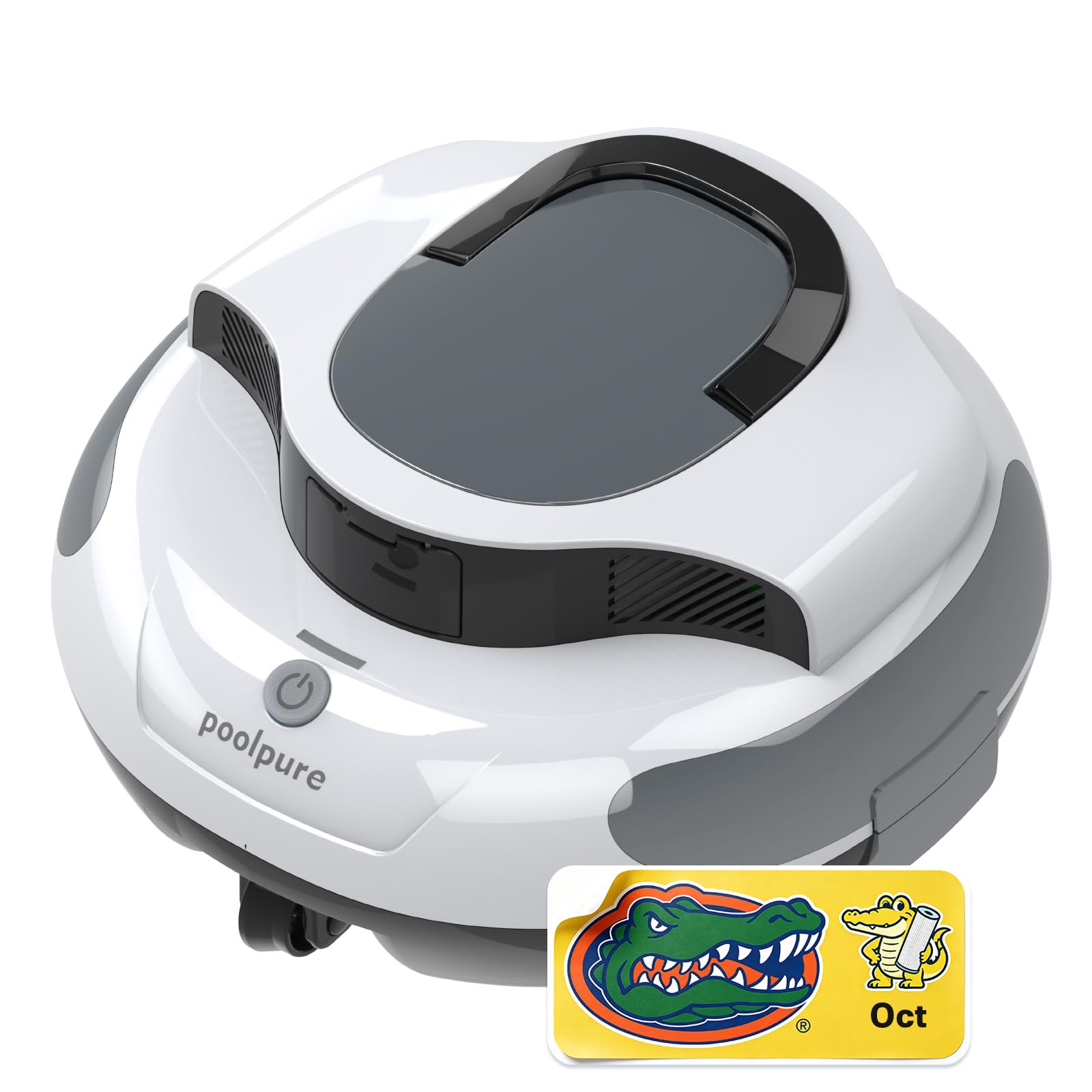
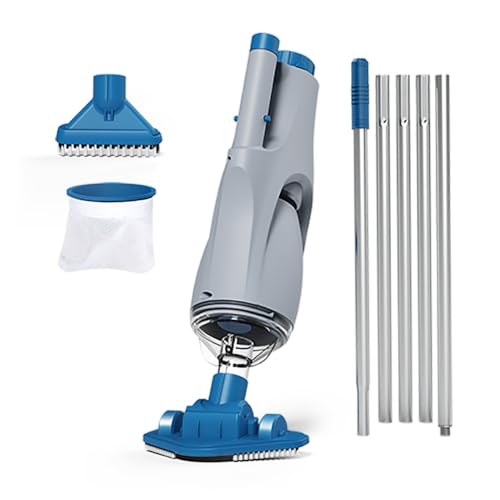
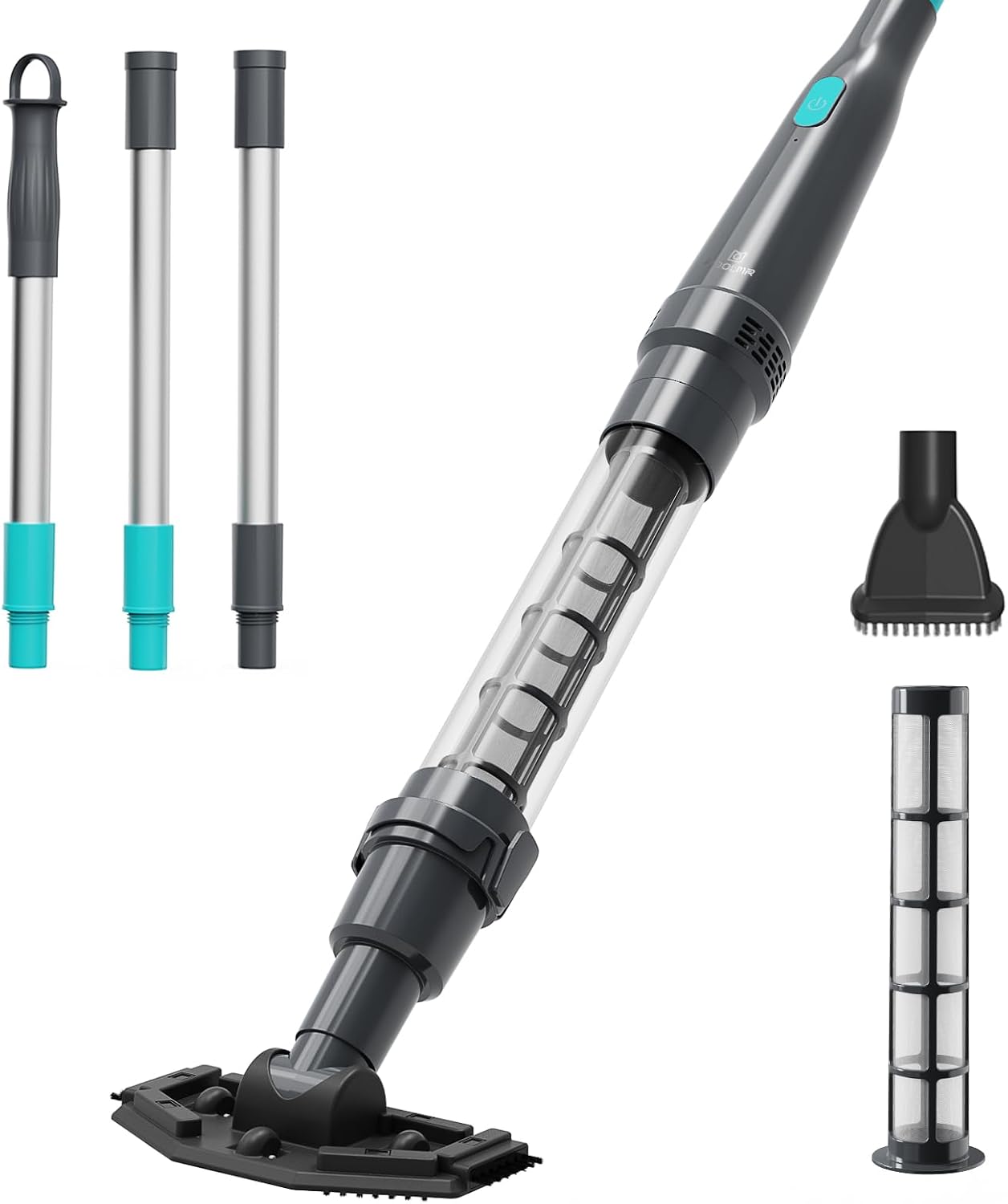

Who Should Buy Which Pool Vacuum Under $100?
Above Ground Pool Owners With Light to Moderate Debris
Owners of soft sided and framed above ground pools usually deal with leaves, bugs and fine silt rather than heavy loads. A cordless handheld vacuum suits this job well because it needs no hose, no pump and no setup beyond charging. If your pool sits under trees, the dedicated guidance in our roundup of the best above ground pool vacuum models will help you weigh larger debris chambers against the simpler tools in this price range.
Small In Ground Pool and Spa Owners
A compact in ground pool, a plunge pool or an attached spa has less floor area, so a modest vacuum can cover it in one session without feeling underpowered. Handheld cordless models and simple manual heads both work here, and the smaller water volume means each pass makes a visible difference. Choose this route if your debris is mostly fine dirt and you vacuum weekly rather than rescuing a neglected pool.
Owners Who Already Own a Pole and a Working Skimmer Line
If you already have a telescopic pole and a pump in good health, a suction or manual vacuum head gives the most cleaning per dollar because the pool equipment does the work. Your money goes to the head, the hose and a leaf canister instead of a motor and battery. Our guide to the best suction pool vacuum explains the pump requirements in more detail before you commit to this setup.
What This Budget Buys at Each Level
Under about $30 you get manual vacuum heads and basic venturi models that run on garden hose pressure, which is fine for spas and tiny pools. Between about $30 and $60 sit suction heads with hoses and entry level cordless handhelds with small debris cups. From about $60 to $100, cordless models add bigger chambers, stronger motors and longer run times, and this is where most owners find the balance that lasts more than one season. Understanding those three bands is the fastest way to spot the best pool vacuum under 100 dollars for your own pool.
Key Features to Compare
Cleaning Type and How Each One Works
Manual heads rely on the suction of your pump through a hose, suction cleaners wander the floor on their own while the pump runs, and cordless handhelds carry their own motor and filter. The type decides your setup time more than any spec sheet number. Manual and suction models cost less because your pump provides the power, while cordless models trade some strength for total freedom from hoses. Pick the type around the equipment you already own and the minutes you will honestly spend each week.
Battery Run Time and Charge Time
Cordless models in this range usually run about 30 to 60 minutes per charge, which covers a small pool but not a large one with breaks for emptying. Charge times of three to five hours mean a forgotten charge cancels your cleaning day, so a model that lives on its charger near the pool gets used more. Our roundup of the best battery powered pool vacuum covers longer run options if your floor area outgrows this budget.
Debris Chamber Size and Filter Type
A small chamber fills fast in leaf season, and every stop to empty it breaks your rhythm and stirs settled dirt back into the water. Look for the largest chamber you can get at this price, plus a filter you can rinse clean in seconds. Fine stainless mesh catches sand and silt, while coarse mesh only stops leaves. Some models accept filter bags or socks for very fine debris, which helps after an algae treatment when the water carries dead, powdery residue.
Reach, Poles and Hose Length
Most handheld models clip onto a standard telescopic pole, and that pole is often sold separately, so check the product page before ordering. Your pole and hose must reach the pool center from where you stand, with slack to move around corners. For suction setups, the hose has to reach from the skimmer to the farthest point of the floor plus a few extra feet. Measure your pool before buying, because a tool that falls two feet short cleans only the edges well.
Liner and Surface Safety
Vinyl liners tear and wrinkle when a vacuum head drags grit across them or when stiff wheels dig in during turns. Heads with soft brushes or smooth rolling wheels protect liner floors, while hard bristled heads suit plaster and concrete. Check that the model is rated for your surface before the first use, and keep the head moving so suction never parks in one spot. A liner repair costs far more than the price gap between a gentle head and a harsh one.
Check Your Pump Before Choosing a Suction Model
Suction vacuums borrow power from the pool pump, so a weak or undersized pump makes even a good head crawl and miss debris. Check your pump rating in the manual and confirm the flow is strong at the skimmer with the filter clean, because a clogged filter starves the vacuum. Backwash or rinse the filter first, prime the hose fully underwater so no air reaches the pump, and only then judge how the vacuum performs.
Common Mistakes to Avoid
- Buying a cordless model for a large pool, so the battery dies with half the floor still dirty.
- Forgetting the telescopic pole is sold separately, which leaves a new handheld vacuum unusable on arrival day.
- Dragging a hard bristled head across a vinyl liner, which scratches the surface and shortens its life.
- Judging a suction vacuum with a dirty filter, so low flow gets blamed on the wrong part.
- Storing a cordless vacuum with a flat battery all winter, which can kill the battery before spring.
How to Make Your Pool Vacuum Last Longer
Rinse the chamber, filter and head with fresh water after every session, because dried chlorine and gritty residue wear seals and cloud plastic parts. Let everything dry fully before storage so mildew cannot grow inside the chamber. Keep the vacuum out of direct sun when it sits poolside, since ultraviolet light makes budget plastics brittle within a couple of seasons.
For cordless models, store the battery partly charged in a cool dry place and top it up every month or two during the off season. Inspect hoses for cracks at the cuffs, check that wheels still turn freely, and replace a worn filter instead of forcing a clogged one. Small parts like clips and seals decide whether a cheap vacuum reaches its third summer.
FAQ
Can you get a good pool vacuum for under $100?
Yes, for small and medium pools with routine debris, a well chosen model under $100 keeps the floor clean week after week. The compromises are run time, chamber size and build quality rather than basic cleaning ability. Owners of large pools or heavy leaf loads will work slowly with any tool at this price, so match the vacuum to the pool honestly.
How long does a pool vacuum under $100 last?
Most budget models last about two to four seasons with rinsing, dry storage and gentle handling. Cordless batteries usually fade first, often after a few hundred charges, while manual heads last longest because they have no motor or battery. A model with replaceable filters and seals tends to outlast a sealed unit you must throw away whole.
Is a cordless pool vacuum under $100 strong enough for leaves?
A cordless handheld handles scattered leaves and acorns well, but a thick blanket of wet leaves overwhelms the small chamber and clogs the intake. Skim the bulk of the leaves with a net first, then vacuum what remains. For pools under heavy tree cover, a suction model with a leaf canister between the head and the hose swallows far more per session.
Does a suction pool vacuum need a strong pump?
Yes, suction models depend entirely on pump flow, and most need a pump of at least moderate strength to move and pick up debris. Small cartridge filter systems on soft sided pools often fall short, which is why those owners do better with cordless handhelds. Your filter condition matters as much as pump size, so clean it before judging the result.
Can a pool vacuum under $100 damage a vinyl liner?
It can if the head has stiff bristles, sharp edges or grit trapped under its wheels, since dragging that across vinyl cuts and scuffs the surface. Choose a head with soft brushes or smooth wheels that the maker rates for liner pools. Keep the head moving at a steady pace, because parked suction can pull the liner into wrinkles on soft sided pools.
Final Thoughts
Under $100, the winning formula is simple: pick the cleaning type that fits your pool equipment, insist on a chamber and filter you can service in seconds, and protect your liner with the right head. Use the product table above to compare the types side by side, and choose the best pool vacuum under 100 dollars for the debris you really have, not the pool you wish you had. Prices and availability can change, so check the product page before ordering.


