
Best Pressure Washer for Decks (2026): Enough Power, No Gouged Wood
Disclosure: We may earn a commission when you buy through links on this page, at no extra cost to you. As an Amazon Associate I earn from qualifying purchases. Learn more
Choose the best pressure washer for decks with safe pressure ranges, nozzle colors and a gentle wash routine that lifts algae without gouging wood.
By late spring, a shaded deck grows a green film that turns slick after every rain, and the boards look tired no matter how often you sweep. Pressure washing fixes that in an afternoon, but decks are the easiest surface in the yard to damage with too much force. Finding the best pressure washer for decks is really about controlled, gentle cleaning power, not the biggest pressure number on the box.
This guide focuses on deck work specifically: safe pressure ranges for wood and composite boards, the nozzle tips that protect grain, and the wash routine that lifts algae and gray weathering without etching lines you will see for years. If you are comparing machines for the whole property, our general best pressure washer guide covers the wider field, and the product table near the top lines up the deck friendly options.


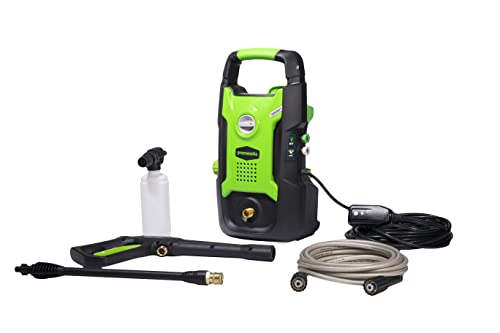
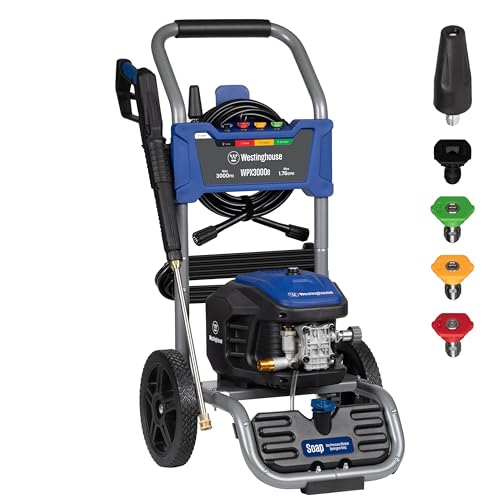
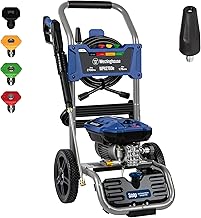


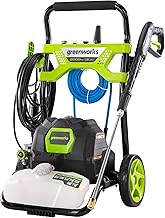

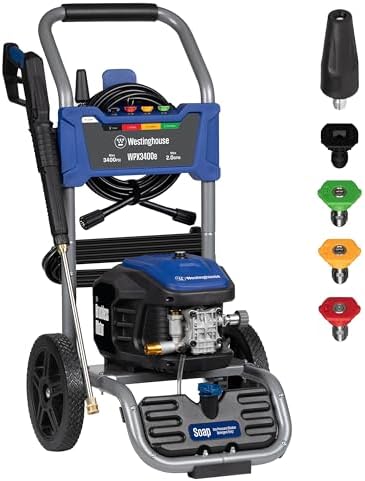
Who Should Buy Which Pressure Washer for a Deck?
Wood Deck Owners With Cedar or Treated Pine Boards
Natural wood is soft, and it records every mistake as a bright etched stripe. You want a machine with moderate pressure, an easy way to dial that pressure down, and a full set of fan tips. An electric unit in the lower to middle pressure range suits most wood decks, because the cleaning comes from detergent and water volume, not raw force. Your priority is control, and a feather light trigger hand after an hour of rinsing.
Composite and PVC Deck Owners
Composite boards shrug off moisture but stain in the pores, and mold loves the shaded gaps between boards. You can use slightly more pressure than on cedar, yet the cap layer on many boards still scars if a tip gets close. Look for a unit that pairs well with a deck surface cleaner attachment, which keeps the jets at a fixed height and gives an even finish across wide boards. Detergent tanks matter to you as well, since composite responds well to a soak.
Owners of Large or Multi Level Decks
Big decks fail on logistics, not cleaning power. A longer hose, around 30 to 35 feet, lets the machine sit in one spot while you work a full level, and wheels plus a balanced frame matter when you haul it up stairs. Gas models earn their keep here if outlets are far away, though a long, heavy duty extension setup on an electric model works for many homes. Plan your water supply too, because a garden hose with weak flow starves any pump.
Key Features to Compare
Pressure and Flow, Matched to Deck Surfaces
Manufacturers headline PSI, but decks respond to pressure at the board, which drops fast as the tip moves away. Softwoods clean safely with a gentle fan spray at modest settings, while composite and hardwood tolerate a firmer rinse. Flow, measured in GPM, decides how fast loosened grime actually leaves the surface. A balanced electric deck unit pairs moderate pressure with enough flow to rinse a board in two passes. If your main shopping question is all around home duty, compare these deck picks against the best pressure washer for home use class before deciding.
Nozzle Tips and Spray Angles
Tips are your real pressure control. The 40 degree white tip and the 25 degree green tip do nearly all deck work, spreading water into a fan that cleans without cutting. The 15 degree yellow tip belongs on stubborn spots on concrete, not on boards, and the 0 degree red tip should stay in the case entirely around wood. Quick connect tips that swap with one gloved hand save real time. Some wands offer an adjustable fan, which is convenient, though fixed tips give a more predictable spray pattern.
Electric or Gas for Deck Cleaning
Electric models start instantly, run quietly enough for a conversation nearby, and never need fuel or oil, which is why most deck owners land here. Gas models deliver more flow for very large decks but add noise, exhaust, and engine upkeep to a job that rarely needs maximum force. Battery powered units exist for tiny condo decks, and if cords and hoses both annoy you, the best cordless pressure washer class covers light duty rinsing. For a standard wood or composite deck, electric remains the low hassle default.
Detergent Tank and Low Pressure Soap Application
Deck cleaning is mostly chemistry. A built in soap tank or a downstream injector lets you coat boards with deck cleaner at low pressure, give it dwell time, and rinse the loosened film away gently. That soak is what removes algae from the grain without blasting. Check how the machine switches between soap and rinse modes, since some swap tips and others use a dial. Always use cleaners made for pressure washers and for your deck material, and read the label before mixing anything.
Surface Cleaner Compatibility and Handling
A deck surface cleaner is a round housing with spinning jets that hovers over the boards, cleaning a wide strip per pass at a fixed jet height. It prevents the zebra stripes a wand leaves when your arm tires. Confirm your machine has the flow to spin one, since undersized pumps make the attachment streak. Also weigh the whole setup: a compact unit with a tidy hose wrap stores in a garage corner, while a bulky frame gets left outside to weather.
A Safe Deck Washing Method, Step by Step
- Sweep the deck and move planters, grills, and furniture off the boards.
- Wet nearby plants and cover delicate shrubs, so cleaner runoff does not scorch leaves.
- Apply deck cleaner at low pressure with the soap tip, working in sections small enough to stay wet.
- Let the cleaner dwell for about 5 to 10 minutes, following the label, without letting it dry on the wood.
- Rinse with the 40 degree tip, holding the wand about 12 to 18 inches from the boards and moving with the grain in long, even strokes.
- Feather each pass off the end of a board rather than stopping mid board, which leaves a visible line.
- Let the deck dry fully, usually at least 24 to 48 hours, before staining or sealing.
Work on a calm, overcast day when you can. Direct hot sun dries cleaner too fast and bakes spots into the grain, and wind blows overspray onto windows and siding. Keep the cord and plug on a GFCI protected outlet, keep the connection dry, and never spray toward people, pets, or electrical fixtures.
Common Mistakes to Avoid
- Using the 0 degree pinpoint tip on boards, which cuts grooves into wood and slices composite cap layers in seconds.
- Holding the wand a few inches from the surface to chase a stain, etching bright stripes that only sanding can remove.
- Washing across the grain, which raises splintery fuzz on wood decks and means hours of extra sanding before sealing.
- Sealing or staining the same weekend you wash, trapping moisture under the finish so it peels within a season.
- Spraying cleaner over dry plants without wetting or covering them first, which burns foliage along the deck edge.
- Letting the pump run dry or sit pressurized after the job, which shortens pump life and cracks fittings in storage.
How to Make Your Pressure Washer Last Longer
Deck season is hard on pumps because the machine works in bursts. Relieve line pressure after each session by squeezing the trigger with the motor off, and drain the hose so it stores without kinks. Run a pump saver product through the unit before winter storage in cold climates, since trapped water freezing inside the pump is the most common way these machines die. Clean the inlet filter screen whenever flow feels weak, store tips in a cup of clean water if your water is hard, and keep the machine under cover rather than on the deck it cleans.
FAQ
What pressure is safe for washing a wood deck?
Softwoods like cedar and treated pine clean safely at low effective pressure, achieved with a wide fan tip and distance rather than a small machine. Work with the 40 degree tip, keep the wand a foot or more from the boards, and let cleaner do the hard work. Test in a hidden corner first. If the surface fuzzes up or bright lines appear, you are too close or the fan is too narrow.
Can you pressure wash a composite deck?
Yes, and composite is one of the best uses for a washer, because the boards will not splinter. Use a fan tip, moderate settings, and steady distance, since the decorative cap layer can still scar from a close, narrow jet. A surface cleaner attachment gives the most even result on wide composite decks. Follow the board maker guidance if your deck is under warranty, because some brands set a maximum pressure for coverage.
Should you use a surface cleaner attachment on a deck?
On large, flat decks it is worth it, because the fixed height jets clean evenly and finish the job much faster than a wand alone. On small decks, stairs, and railings, the wand wins on access. Watch your walking pace with the attachment: moving too fast leaves swirl marks, and overlapping each pass slightly keeps the finish uniform. Railings and bench seats still need a careful wand rinse afterward.
How often should a deck be pressure washed?
Once a year suits most decks, ideally in spring before the heavy use season. Shaded decks under trees may need a mid season rinse where algae returns. Washing more often than needed wears wood fibers and strips finishes, so spot clean spills with a brush and hose between full washes. A deck that stays slick a few weeks after washing usually has a drainage or shade problem, not a cleaning problem.
Do you need detergent to pressure wash a deck, or is water enough?
Water alone removes loose dirt, but the green and black films on decks are living growth bonded to the surface, and plain water mostly smears them. A deck cleaner made for your material, given proper dwell time, kills the film at low pressure so the rinse stays gentle. Choose an oxygen based cleaner around plants and lawns, rinse vegetation before and after, and never mix cleaning chemicals together.
Final Thoughts
Deck washing rewards restraint. A moderate machine, the right fan tip, and a patient soak will outclean a high pressure blast every time, and the boards will thank you for years. Compare the current options in the product table above, and once the deck is done, the same machine handles the driveway and even the family car with the right tip, which is why it earns its garage space as the best pressure washer for decks in your cleaning kit.


