
Best Pressure Washer for Patio Use in 2026: Match the Power to Your Surface
Disclosure: We may earn a commission when you buy through links on this page, at no extra cost to you. As an Amazon Associate I earn from qualifying purchases. Learn more

Choose a pressure washer for patio concrete, pavers and stone: safe PSI ranges, nozzles, surface cleaners and electric vs gas, without damaging the surface.
Every spring the same gray green film creeps back across the patio, the pavers darken, and the concrete that looked fine in October turns slippery by April. A garden hose barely moves that buildup. Finding the best pressure washer for patio cleaning is less about chasing the highest pressure rating and more about matching force to the surface, because the same jet that brightens concrete can etch soft stone, strip paver joint sand, and scar wood.
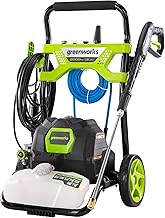
This guide works through the patio specific decisions: safe pressure ranges for concrete, pavers, and stone, the nozzles and surface cleaner attachments that do the real work, and the electric versus gas question for a job most homes do a few times a year. The product table near the top lines up current models so you can see how their specs differ. For a wider look at the category beyond patio work, see our guide to the best pressure washer range for home use.


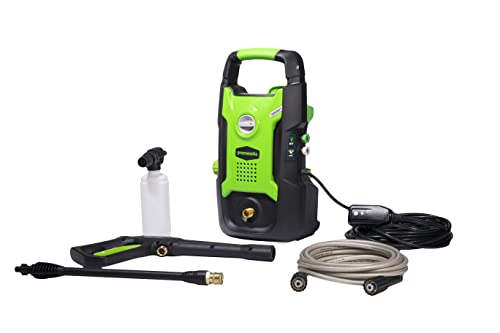
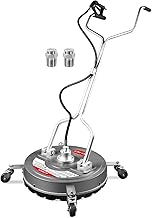
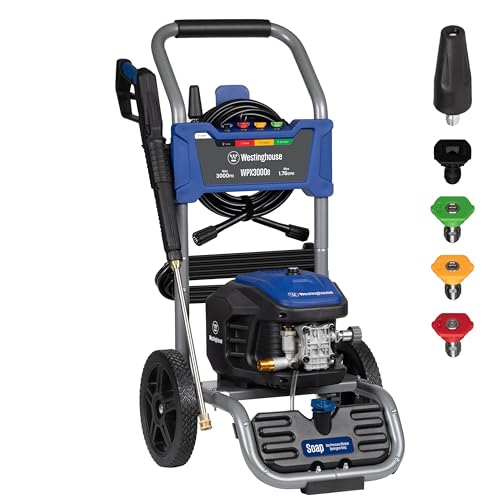

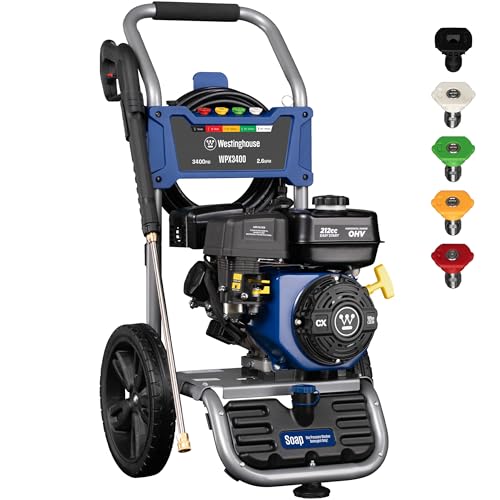


Who Should Buy Which Pressure Washer for a Patio?
Patio surfaces punish guesswork. Start with what your patio is made of, then choose the machine class that treats it safely.
Concrete Patio Owners Fighting Algae and Tire Marks
Plain concrete is the most forgiving patio surface and the one that shows dirt most honestly. An electric machine in the mid range handles it well, especially with a surface cleaner attachment that scrubs a wide path evenly. You need enough pressure to lift algae and ground in grime, about 1800 to 2500 PSI at the nozzle with a wide fan tip, and enough flow to rinse the loosened dirt away. If your slab is large, flow rate and hose length matter more than squeezing out extra pressure.
Paver and Natural Stone Owners Who Must Protect the Joints
Pavers and stone look tough but fail at the edges: a tight jet blasts sand out of the joints, loosens the whole field, and can flake soft stone faces. You want a machine with gentle low settings, a 40 degree fan tip, and the discipline to keep distance. A surface cleaner with adjustable height helps because it holds the nozzles at a fixed gap. Plan to sweep in fresh joint sand after washing. Our guide to the best pressure washer for home use covers gentler setups that also handle siding and outdoor furniture.
Wood Deck and Patio Furniture Owners
Wood beside a patio often gets washed in the same session, and wood is the easiest surface to ruin. It needs low pressure, a wide fan, and distance, more like a strong rinse than a blast. If your patio work is mostly wood, composite decking, and furniture, a smaller electric unit with a truly gentle setting beats a powerful machine you must constantly hold back. Keep the jet moving and never park it in one spot, because a paused stream cuts a visible groove in soft boards.
Key Features to Compare
Headline pressure numbers sell machines, but these five factors decide how your patio looks afterward and how long the job takes.
Pressure and Flow Matched to Patio Surfaces
Pressure, measured in PSI, does the cutting; flow, measured in GPM, does the rinsing. Multiply the two for a rough cleaning power figure, but respect surface limits first. Concrete tolerates about 2500 to 3000 PSI from a fan tip at a safe distance. Pavers and softer stone are happier around 1500 to 2000 PSI with a wide fan, and wood should stay near 500 to 1200 PSI depending on hardness, always tested in a hidden corner first. More flow, around 1.8 to 2.5 GPM, clears a big slab noticeably faster than a low flow machine at the same pressure, because the dirt has somewhere to go.
Nozzles and Surface Cleaner Attachments
The nozzle tip shapes the jet and is your main safety control. A 25 degree green tip is the patio workhorse for concrete; a 40 degree white tip is the gentle choice for pavers, stone, and wood. Turbo nozzles spin a tight jet into a cone that cleans concrete fast, but they are too aggressive for joints and soft surfaces. The single best patio accessory is a surface cleaner: a disc with rotating jets underneath that glides over flat ground, cleans a path about 11 to 15 inches wide, and leaves an even finish without zebra stripes. It needs a minimum flow to spin properly, so check the pairing before you buy.
Electric or Gas Power
Electric machines cover most patios: they start instantly, run quietly, need almost no engine care, and deliver enough force for concrete with a surface cleaner. Their limits are reach, since you manage both a cord and a hose, and lower flow on cheaper models. Gas machines bring higher pressure and flow, freedom from outlets, and faster work on very large slabs, at the cost of noise, fuel, oil, and winter storage chores. For a typical suburban patio cleaned two or three times a year, electric is the rational default; gas earns its keep when the slab is huge or heavily stained. For small touch up jobs away from outlets, the cordless options in our guide to the best cordless pressure washer models trade power for total freedom of movement.
Hose Length, Cord, and Reach
Nothing slows patio work like stopping to move the machine. Add your patio dimensions to the distance from the outdoor outlet and spigot, then choose hose and cord lengths that cover it with slack. A hose around 25 to 35 feet suits most homes. Longer hoses on small electric pumps can trim the pressure you actually get at the nozzle, so avoid extreme lengths on entry level machines. Wheels and a balanced carry handle matter more than they sound, because you will move the unit across grass and gravel to reach the patio in the first place.
Detergent System and Storage
An onboard detergent tank or a foam applicator lets you lay cleaning solution on algae and mildew before you rinse, which cuts the pressure you need and is kinder to pavers and plants. Use only detergents made for pressure washers and for your surface, and rinse nearby planting beds with plain water before and after. Storage decides how long the machine lasts: compact upright electrics hang on a garage wall, while gas units need floor space and fuel care. Whatever you buy, plan where it winters, because a pump left full of water in a freezing garage can crack in one cold snap.
How to Wash a Patio Without Etching or Scarring It
Technique protects surfaces more than any spec. Start by sweeping, moving furniture, and wetting nearby plants. Test your chosen tip on a hidden corner and check the result after it dries, because wet concrete hides damage. Hold the wand so the tip stays about 8 to 12 inches from concrete, farther for pavers and wood, and keep it moving in slow overlapping passes that follow the slab sections. Work from the house outward so dirty water flows away from the foundation, and angle the jet so it pushes debris out rather than under slabs or into paver joints. Let detergent dwell for about five to ten minutes without drying on the surface, then rinse from the top of the slope down. Finish by rinsing plants and lawn edges again, since detergent runoff concentrates there. A machine that also handles your driveway and car washing spreads its cost across more jobs, a point covered in our guide to the best pressure washer for cars.
Common Mistakes to Avoid
- Using a zero degree pinpoint tip on a patio, which can etch lines into concrete and chip stone in seconds.
- Holding the nozzle a few inches from pavers, blasting out joint sand and leaving the field uneven and wobbly.
- Starting at full pressure without a test spot, so the first sign of damage is a pale scar in the middle of the slab.
- Letting detergent dry on hot stone or concrete, which leaves white residue that takes extra rinsing to remove.
- Storing the machine with water in the pump over winter, which freezes and cracks internal parts.
- Pointing the jet at feet, hands, or other people, which can cause injuries that need emergency medical care.
How to Make Your Pressure Washer Last Longer
Flush detergent from the system with clean water after every use, and run the pump briefly with the trigger open when you finish so pressure does not sit in the lines. Coil the hose without kinks, check the inlet filter screen for grit before each session, and keep O rings lightly lubricated so connections seal without forcing. For gas models, follow the engine oil and air filter schedule and use fresh fuel or a stabilizer for storage. Before winter, drain the pump fully or run pump saver antifreeze through it, and store the machine where it cannot freeze. Safety belongs in the same routine: plug electric models into a GFCI protected outlet, never bypass a damaged cord, keep children and pets indoors while you work, and treat any jet injury seriously even when the skin looks barely marked, because water forced under the skin needs prompt medical attention.
FAQ
What should I look for in a pressure washer for patio cleaning?
Look for adjustable pressure or gentle tip options first, then a surface cleaner rated for your machine flow, then enough hose to cross your patio without moving the unit. For most homes an electric model around 1800 to 2300 PSI with about 1.4 to 2.0 GPM covers concrete and pavers well. Storage size and detergent handling round out the choice, because a machine that is easy to store gets used more often.
Can a pressure washer damage concrete?
Yes. Too much pressure at too close a distance etches the surface, leaving lighter rough patches that collect dirt even faster afterward. New or soft concrete is most vulnerable during its first year. A fan tip, a working distance of about 8 to 12 inches, and constant motion prevent nearly all damage. If a test corner turns rough or pale after drying, back off the pressure or widen the tip before continuing.
Is a surface cleaner attachment worth it for a patio?
For any flat patio bigger than a small pad, yes. It cleans several times faster than a wand alone, keeps the jets at a fixed safe height, and produces an even finish without the striped pattern a wand leaves. It also contains the spray, so less dirty water splashes onto walls, doors, and your shoes. The main catch is flow: very small pumps may not spin the bar properly, so match the attachment size to your machine rating.
How do you store a pressure washer for winter?
Drain every drop you can: disconnect hoses, run the pump for a few seconds to push water out, and tip the machine to empty low spots. Better still, feed pump saver or plumbing antifreeze through the inlet until it exits the outlet, which protects seals as well as the pump body. Store it indoors away from freezing temperatures, with the hose loosely coiled and the spray gun trigger locked open so residual pressure escapes.
How long does a pressure washer last?
An electric home model typically lasts about five to ten years of seasonal use; gas models can run longer when the engine is maintained, though pumps often wear before engines do. The biggest life shorteners are freeze damage, dirty inlet water, and long storage with detergent left in the lines. Owners who drain the pump each fall and screen the inlet water usually get the long end of those ranges.
Final Thoughts
The product table above shows the current field, but your patio surface makes the decision: concrete rewards a mid range electric machine with a surface cleaner, pavers and stone reward restraint and wide fan tips, and wood rewards the gentlest setup you can find. Buy for flow and control rather than the biggest pressure number, learn the test spot habit, and the best pressure washer for patio work becomes a satisfying hour each spring instead of a risk to the slab.

