Best Pressure Washers Under $200 (2026): What Your Budget Really Buys
Disclosure: We may earn a commission when you buy through links on this page, at no extra cost to you. As an Amazon Associate I earn from qualifying purchases. Learn more

A budget guide to the best pressure washer under 200: what PSI and GPM mean, what each price band buys and the mistakes that damage siding.
A green driveway, a mildewed fence and a patio that has forgotten its original color all argue for the same tool. Pressure washers promise that satisfying before and after in a single afternoon, and the under $200 shelf is where most homeowners shop. The best pressure washer under 200 dollars is not a stripped down pro machine; it is an electric unit sized for home surfaces, and choosing well means understanding what this budget does and does not buy.
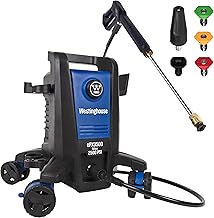
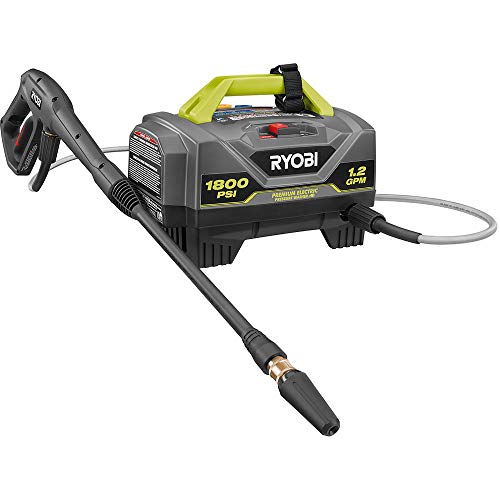
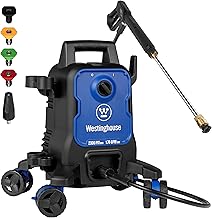
At this price, nearly everything is a corded electric washer, and that is fine for driveways, decks, siding and cars. This guide explains the two numbers that decide cleaning speed, what each price band adds, and the safety habits that keep a helpful tool from damaging your home or hurting someone. The product table near the top shows the main classes side by side.





Who Should Buy a Pressure Washer Under $200?
Homeowners with driveways, patios and siding to revive
If your jobs are concrete flatwork, vinyl siding, fences and outdoor furniture a few times a year, an electric washer in this range covers all of it. You trade the raw force of gas for a machine that starts with a trigger pull, stores on a shelf and never needs fuel or oil. Our broader guide to best pressure washer for home use needs maps the same jobs against higher budgets, and most readers find this tier is the honest match.
Car owners who wash at home
Gentle pressure with the right nozzle rinses road film and wheel grime faster than a hose, and under $200 machines are well suited because their output is naturally moderate. The technique matters more than the machine: wide fan nozzle, distance from the paint, and no zero degree jet near badges or chipped paint. Our dedicated guide to the best pressure washer for cars walks through foam cannons and safe distances in detail.
Renters and small property owners watching the budget
For a small patio, a balcony slab or a short driveway, even the entry band of this budget does real work, and the machine pays for itself against two rental days. If you only need a washer for one big annual clean, renting a gas unit for that weekend may beat owning; if smaller jobs pop up all season, ownership wins. The full category picture sits in our guide to the best pressure washer models across every budget.
Key Features to Compare
PSI and GPM: the two numbers that set cleaning speed
PSI measures pressure at the nozzle, GPM measures water flow, and cleaning power comes from the combination, sometimes expressed as cleaning units, PSI multiplied by GPM. Pressure strips dirt loose; flow carries it away. A washer at 1,800 PSI and 1.2 GPM cleans a driveway far more slowly than the numbers on a bigger box suggest, because low flow means narrow passes. Under $200, expect roughly 1,500 to 2,300 PSI and 1.1 to 1.4 GPM from electric units. For home surfaces that output is genuinely sufficient, since technique, detergent and a surface cleaner attachment matter more than chasing pressure your siding cannot tolerate anyway. When two listings compete, the best pressure washer under 200 dollars is usually the one with the higher flow at a given pressure, not the one with the higher pressure alone.
Electric reality at this price
Under $200 buys electric, and shoppers should make peace with that rather than hunting for a gas unicorn that will disappoint. Electric motors in this class run axial cam pumps sized for intermittent home duty: sessions of an hour or two with breaks, not all day contractor work. The upsides are real: instant start, no exhaust, quieter running, and storage anywhere indoors. Cordless models exist but sit at the weak end of the class; our guide to the best cordless pressure washer options explains their niche for docks and light rinsing where no outlet or tap routine is handy.
Nozzle set and spray patterns
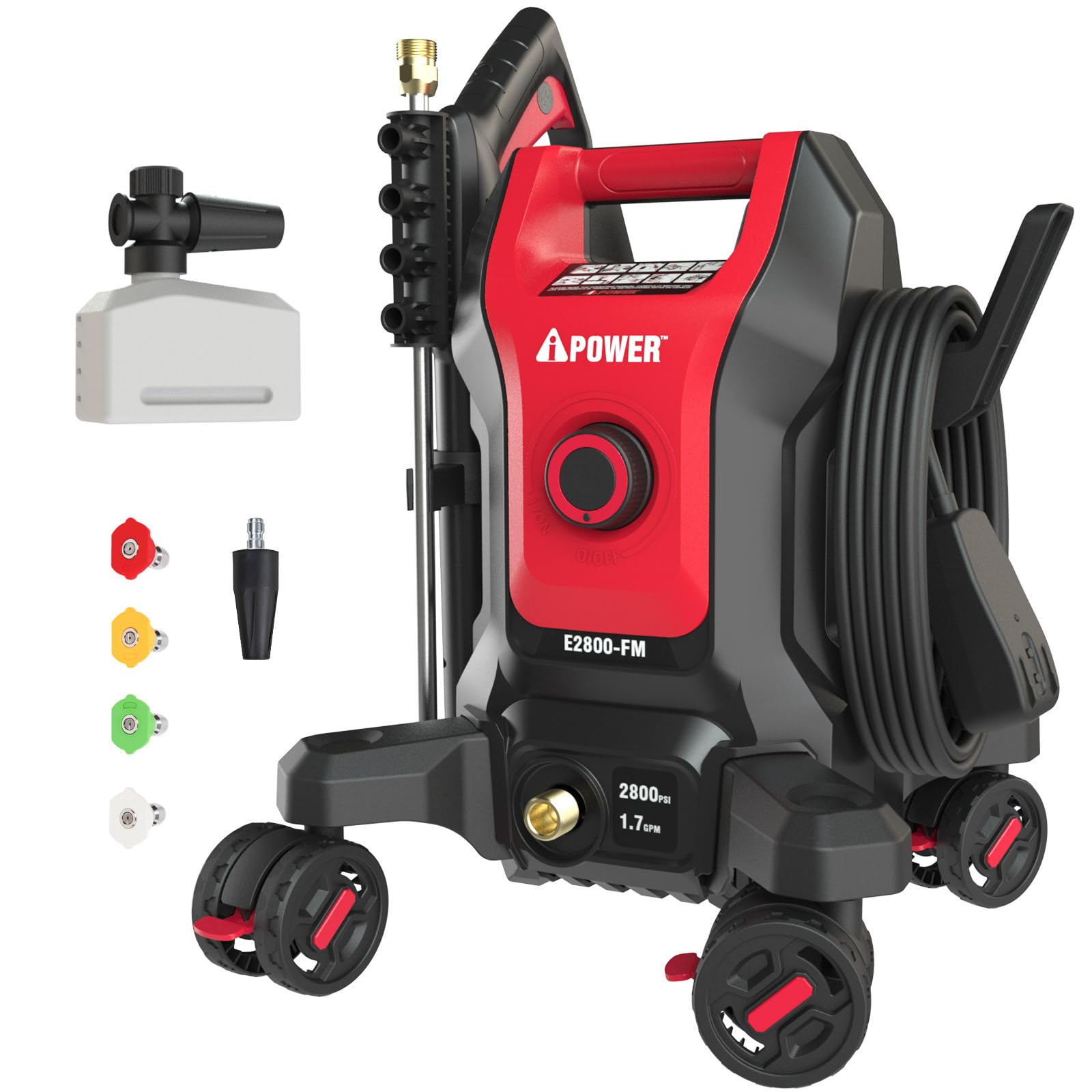
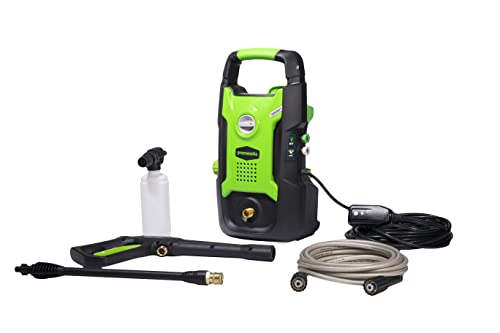
The nozzle decides what the water does. A zero degree red jet concentrates force into a pencil that can cut wood and skin, and it has almost no place in home cleaning. The 15, 25 and 40 degree fan tips do the real work, wider as surfaces get more delicate, and a low pressure soap nozzle applies detergent. Quick connect tips that swap with a click are standard in this class and worth insisting on. A turbo nozzle, which spins a zero degree jet in a cone, speeds concrete cleaning noticeably and is sometimes bundled; check the box before assuming.
Hose length, cord length and working radius
Your real range is the shorter of the power cord and the pressure hose, since the machine must stay within reach of both an outlet and the work. Around 20 to 25 feet of hose and a 35 foot cord with GFCI protection is typical in this tier. Short hoses mean dragging the unit around the car and resetting it on every wall of the house, which is where cheap washers earn their annoyance. A hose that kinks and coils on itself adds daily friction, so flexible hose material is a legitimate feature to pay a little more for inside this budget.
Detergent handling
Cleaning solutions do the quiet half of the work on siding and concrete. Machines offer either a built in tank or a suction tube dropped into a bottle. Tanks are tidier; tubes are simpler and let you switch solutions without rinsing a reservoir. Either way the washer applies detergent only at low pressure, then you rinse at higher pressure after a short dwell. Use detergents made for pressure washers, follow the label dilutions, and never mix bleach with ammonia or acidic cleaners anywhere in your routine, because that combination creates toxic gas; pre treat plants by wetting them down and rinse them again afterward.
Pump protection features
A total stop system, which shuts the motor off when you release the trigger, is standard in this class and extends pump life while saving energy and noise. Thermal relief valves protect the pump when water sits and heats during long pauses. What this tier rarely includes is an induction motor or a brass pump head; those live at higher prices. Treat the pump kindly instead: purge air from the hose before starting, never let it run dry, and release trigger pressure before you switch the machine off.
What Each Price Band Under $200 Buys
Under $100, expect compact units around 1,500 to 1,800 PSI with short hoses, fixed or limited nozzles and small detergent bottles. They handle balconies, bikes, patio furniture and light car duty, and they struggle on large driveways. About $100 to $150 is the value heart of the market: stronger output near 2,000 PSI, better nozzle sets, longer hoses and onboard storage start appearing. About $150 to $200 buys the most refined versions of the same formula: higher flow, turbo nozzles, sturdier wheels and reels, and sometimes a surface cleaner in the box. No band in this range buys gas power or commercial duty cycles, and pretending otherwise is how buyers end up disappointed.
Common Mistakes to Avoid
- Starting with the zero degree nozzle on wood or siding, etching lines that no amount of re washing will remove.
- Holding the tip inches from the surface to force speed, which damages mortar, paint and deck fibers.
- Washing upward under siding laps, driving water behind the boards where it feeds mold and rot.
- Using the washer from a ladder, where trigger recoil and a wet rung combine into a fall risk.
- Skipping eye protection, so a ricocheting pebble or grit becomes an emergency instead of a nuisance.
- Letting the pump run dry or sit pressurized in storage, quietly shortening its life between seasons.
Safety Basics That Matter With Any Pressure Washer
Treat the jet with the respect its numbers deserve. Even at this price tier, the stream can break skin, and pressure injection injuries, where water and dirt are forced under the skin, look deceptively minor while being surgical emergencies: if the jet ever pierces skin, seek medical care immediately and say it was a pressure washer injury. Never point the wand at people, pets or your own feet, and keep children inside while you work. Plug the machine into a GFCI protected outlet, keep connections dry and off the ground, and never use a washer with a damaged cord. Work in closed shoes, not sandals, and let someone know you are washing if you are home alone with a big job.
How to Make Your Pressure Washer Last Longer
Flush the detergent system with clean water after solution work, wipe the inlet filter screen where the garden hose connects, and store the machine drained: run it briefly with the water off per the manual so the pump empties, then release the trigger pressure. Before winter, follow the maker's storage steps or use pump saver fluid if freezing temperatures reach your storage space, since one hard freeze can crack a pump casting. Coil the pressure hose in wide loops to prevent permanent kinks, and store the unit indoors rather than in a damp shed corner. A washer treated this way typically returns five to eight seasons of home service.
FAQ
Is a pressure washer under $200 worth it?
For typical home surfaces, yes. It will clean driveways, siding, fences and decks at a pace a hose and brush cannot approach, and it costs less than two days of gas washer rental. It is not worth it if your only job is a very large rural driveway cleaned monthly, where rental or a higher budget gas machine fits better, or if you have no outdoor outlet and water access near the work.
Can you get a good pressure washer for under $200?
Yes, if good is defined by home tasks rather than contractor specs. The middle band of this budget delivers around 2,000 PSI with usable flow, a proper nozzle set and a total stop system, which is the complete recipe for home cleaning. What the money cannot buy at this level is longevity under daily use, so judge the purchase against a few weekends a year, not a business.
How do you clean and store a pressure washer?
Rinse the detergent path, disconnect the hoses, and drain the pump by following the manual's short procedure. Wipe the inlet screen, check the nozzle tips for lodged grit, and dry the unit before it goes on the shelf. In freezing climates, pump saver or indoor storage is not optional, because ice expansion inside the pump is the most common way these machines die young.
How long does a pressure washer under $200 last?
With drained storage and reasonable session lengths, expect about five to eight years of home use. The pump is the limiting part, and its life shortens sharply if the machine runs dry, sits pressurized, or freezes with water inside. Handles, hoses and wands usually outlast the pump and are replaceable, so a mid life hose swap is maintenance, not failure.
Final Thoughts
Spend in the middle of the budget if you can, prioritize flow and hose length over headline pressure, and let detergent and patience do the heavy work on delicate surfaces. Respect the safety basics, drain the pump after every season, and an inexpensive electric washer will quietly transform your spring cleaning for years. Set your surfaces against the classes in the product table above, and the best pressure washer under 200 dollars for your home will be the one whose reach and output match your largest regular job.