
Best Pressure Washer Under 300 Dollars for 2026: What the Budget Buys
Disclosure: We may earn a commission when you buy through links on this page, at no extra cost to you. As an Amazon Associate I earn from qualifying purchases. Learn more

A pressure washer under $300 can handle driveways, siding and cars. See what the budget buys, which features survive, and which corners get cut.
The driveway has a decade of tire arcs and algae at the shaded edge, the siding wears a green film, and the budget for fixing both is firm. The good news is that home pressure washing lives comfortably below the pro price tier. Choosing the best pressure washer under 300 dollars is an exercise in knowing which features this budget protects and which it quietly trims, so the machine still feels strong in year three.
Below, we map the budget bands, the specs that matter at this price, and the jobs where a sub $300 machine reaches its honest limits. The wider category view lives in our guide to the best pressure washer lineup. First, the product table near the top shows where the main contenders sit.
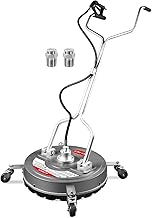

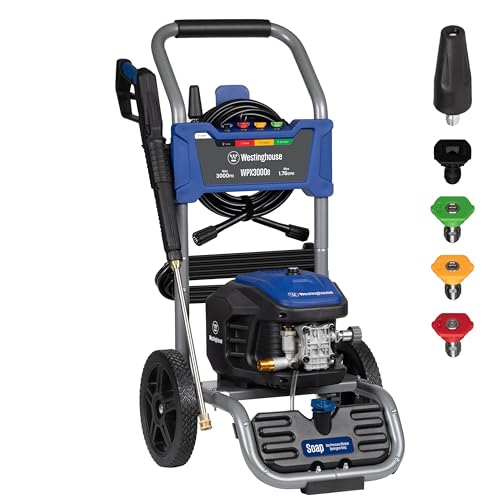
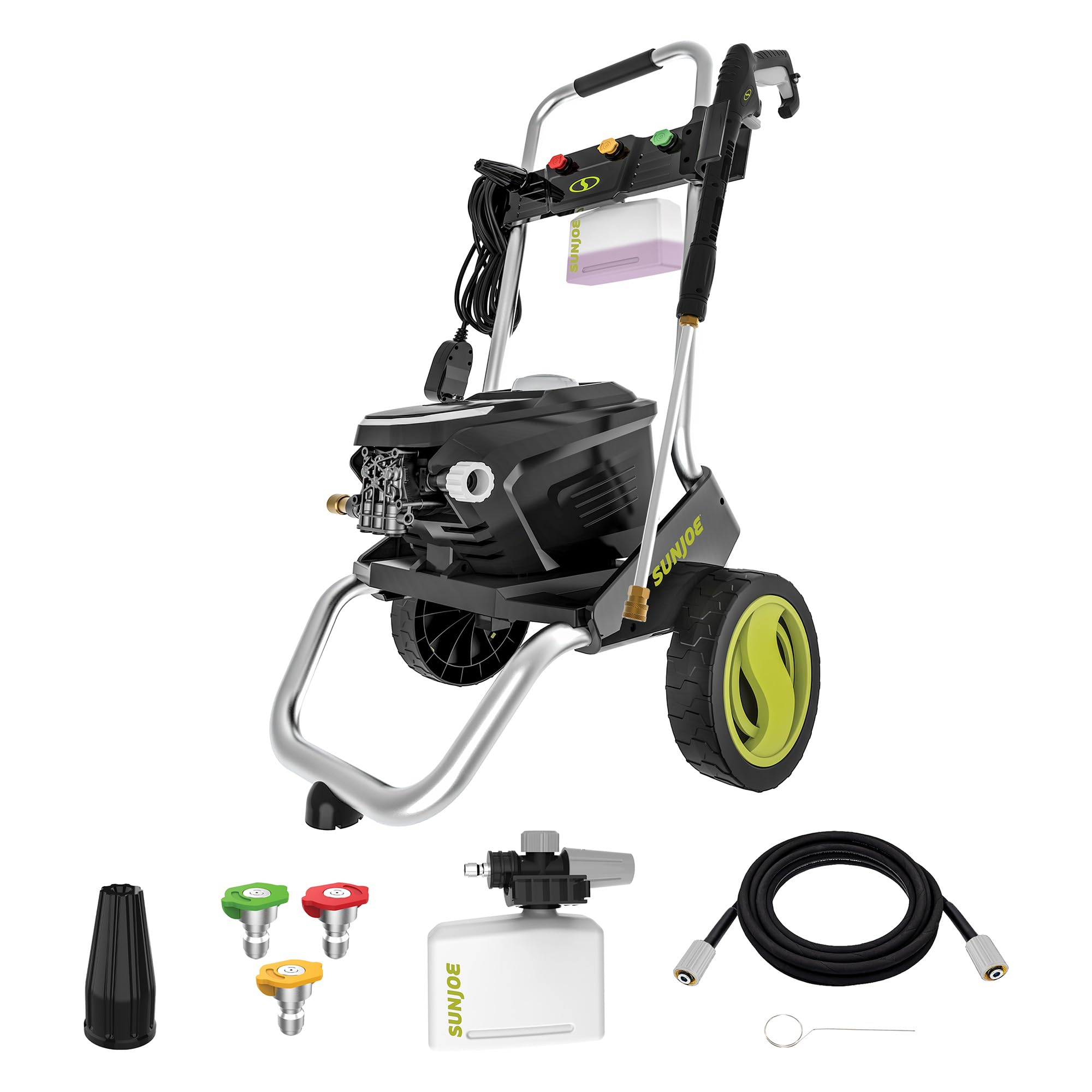



Who Should Buy a Pressure Washer Under $300?
First Time Homeowners Building a Tool Kit
A first house brings a list of surfaces that all need washing at once: siding, driveway, deck, fences and the car. A washer in this budget handles every one of them at household scale, and leaves money in the kit for a surface cleaner or an extension hose later. Owners who wash a few weekends a year get full value here, because the gap to pricier machines shows up mainly in speed and duty cycle, not in whether the job gets done.
Renters and Patio Scale Cleaners
If your outdoor world is a patio, a balcony, outdoor furniture and a shared driveway strip, this budget is generous rather than tight. Compact electric models store in a closet, run quietly enough for attached housing, and sip water compared with a hose and brush routine. The smaller machines at the low end of the band are genuinely sufficient, so there is no need to spend to the cap. Save the difference for a foam cannon and good detergent.
Car and Driveway Seasonal Cleaners
Households whose washing calendar is a spring deep clean, a fall rinse and regular car duty sit squarely in this tier. Around $200 to $300 buys electric machines with enough flow for a foam cannon, enough pressure for driveway grime, and hose lengths that reach around a vehicle without moving the unit. Our guide to the best pressure washer for home use shows how these models fit a whole home routine. If your driveway is short and your car is the main event, the middle of the band is the sweet spot.
Key Features to Compare
Electric Power and Honest Ratings
Under $300, the market is overwhelmingly electric, and that is fine: modern electric units deliver roughly 1800 to 2400 PSI with flow around 1.2 to 1.8 GPM, enough for siding, decks, vehicles and most concrete. Read both numbers together, because cleaning power is pressure multiplied by flow in effect. Some listings inflate PSI with peak figures measured at the nozzle tip under ideal conditions, so favor brands that publish both PSI and GPM plainly. Gas power at this price usually means small, harsh engines or used machines, and most households are better served by a strong electric.
Hose Length and Hose Quality
The hose is where budget machines confess. Entry models ship with stiff 20 foot hoses that fight you around every corner, while the top of the band brings 25 to 35 foot flexible hoses that stay manageable. Hose reach decides whether you circle the car once or drag the machine six times. A kink resistant hose also protects the pump from pressure spikes. If you must choose between a small PSI bump and a longer, better hose, take the hose every time; it changes every single session.
Nozzle Sets and Detergent Delivery
Look for quick connect tips in 15, 25 and 40 degree fans plus a soap nozzle, or a good adjustable nozzle that covers the same ground. A built in detergent tank is convenient but often small and fixed ratio; a suction tube that drinks from any bottle gives you detergent freedom. Foam cannon compatibility matters to car washers, and any standard quick connect fitting accepts one. Avoid machines with proprietary tips that lock you into one brand replacements, because a lost tip should cost a few dollars, not a special order.
Cord, Plug and Storage Details
Electric washers draw serious current, so a long, heavy gauge cord with a built in GFCI plug is a safety feature, not a luxury. Around 35 feet of cord plus the hose gives a working radius that covers most driveways from one outlet. Wheels, a carry handle and cord and hose hooks decide whether the machine stores neatly or sprawls. Total weight in this band runs from about 15 to 30 pounds; lighter is kinder on stairs, heavier often means a sturdier frame. Check that the unit stands stably when the hose tugs, since tip overs crack plastic housings.
Warranty and Parts at This Price
Budget machines live on replaceable wear parts: O rings, inlet filters, tips and hoses. A two or three year warranty and a brand that sells spares openly will outlast a no name unit with a bigger spec sheet. Read the warranty for the pump specifically, since that is the expensive heart of the machine. Keep the receipt and register the product; at this price, brands honor paperwork more readily than memory. A washer that can be repaired cheaply beats a slightly stronger one that becomes landfill at the first leak.
What You Get and Give Up Under $300
Under $150: Light Duty Basics
The entry band buys compact electric washers for patios, furniture, bikes and gentle car rinses. Expect shorter, stiffer hoses, smaller detergent tanks and plastic fittings that reward careful handling. Concrete with years of ground in grime will take slow, close passes. For small spaces and light duty, though, these machines are honestly sufficient, and their size makes them the ones renters actually use weekly.
About $150 to $230: The Busy Homeowner Band
The middle band is where most households should land. Hoses lengthen and soften, motors gain flow, detergent systems improve, and frames roll and store properly. Driveways, siding and decks all clean at a reasonable pace, and a surface cleaner attachment turns a Saturday driveway job into an hour. Machines here feel like tools rather than appliances, and parts support is usually solid.
About $230 to $300: Near Premium Features
The top of the budget buys the strongest electrics in the class: better pumps, hose reels on some models, induction motors that run quieter and last longer, and the flow that foam cannon fans want. What you still give up versus premium and gas machines is duty cycle on huge concrete areas and raw stripping power for paint removal. For a typical suburban home, this band removes every practical excuse; the remaining limits are about acreage, not houses.
Common Mistakes to Avoid
- Chasing the highest PSI number, then discovering the tiny flow makes real cleaning slow.
- Ignoring hose length, so every job becomes a fight against a stiff, short leash.
- Buying a gas machine at this price and inheriting carburetor and storage headaches for power you rarely need.
- Skipping the GFCI plug check, then running the washer from an unprotected outlet in the wet.
- Blasting wood decks and siding at close range with a narrow tip, etching lines that stay for years.
- Storing the machine in a freezing garage with water in the pump, which cracks it before spring.
How to Make Your Budget Pressure Washer Last Longer
The pump dies from heat, grit and frost, so defend all three. Run the machine in bursts rather than holding the trigger for many minutes, and let it rest between sections on big jobs. Rinse the inlet filter regularly and always feed it clean water from a fully open tap. After the last fall job, drain the pump and hoses, run pump saver through per the manual if your climate freezes, and store the unit indoors. Coil hoses loosely, keep O rings supple with a touch of silicone grease, and replace a dripping fitting immediately, because small leaks make the pump cycle and wear. Treated this way, a budget washer serves many seasons.
FAQ
Can you get a good pressure washer for under $300?
Yes, for household work this budget is the mainstream, not a compromise shelf. The machines here wash siding, driveways, decks, fences and cars at a satisfying pace, and the top of the band adds induction motors and strong flow. What the budget does not buy is pro duty cycle for daily commercial use or the raw force for paint stripping and huge rural concrete. Match the machine to a home, and it will not feel like a compromise at all.
Should you choose gas or electric under $300?
Electric, in almost every case. Gas models at this price tend to be small engined, loud and short on refinement, and they add fuel, oil and winter storage chores. Electric units start instantly, run quietly and need almost no maintenance. The one exception is a property with no outdoor power at all, where even a modest gas machine wins by default. Everyone with an outlet should spend the budget on hose, flow and motor quality instead of an engine.
What cleaning jobs are too much for a pressure washer under $300?
Large scale paint stripping, graffiti removal, very long driveways of deeply stained concrete and daily rental duty all exceed this tier. These jobs want higher flow, hot water or commercial duty cycles. A budget machine can still nibble at them in sections, but the hours add up and the pump suffers. For occasional big projects, renting a pro unit for a day and owning a budget washer for everything else is the smart split many homeowners use.
How long will a pressure washer under $300 last?
With basic care, expect several years of household service, often five or more for the better motors at the top of the band. The usual failure points are the pump after a freeze, worn O rings and cracked hoses, most of which are cheap to prevent or fix. Runtime per session matters too: steady household use is gentle compared with day long jobs. Store it dry and warm, and a budget washer ages slowly.
Is a cordless pressure washer a smarter buy at this budget?
Only for light, remote jobs. Battery washers trade output and runtime for freedom, and most draw from a bucket at modest pressure, fine for bikes, boats at the dock and campsite gear. Our roundup of the best cordless pressure washer models lays out the category honestly. For driveways and siding, a corded electric in the same money cleans several times faster, so cordless works best as a second machine rather than the main one.
Final Thoughts
Spend this budget on flow, hose and build, in that order, and the machine will feel stronger than its price. The middle band suits most homes, the top band adds quiet durability, and even the entry band covers patio scale cleaning with ease. Picked with those priorities, the best pressure washer under 300 dollars handles the whole household list without drama. Compare the current lineup in the product table above, and keep a little of the budget aside for a surface cleaner if your driveway is large.


