
Best Pressure Washer Under $500 in 2026: A Budget Buying Guide
Disclosure: We may earn a commission when you buy through links on this page, at no extra cost to you. As an Amazon Associate I earn from qualifying purchases. Learn more

Spend up to $500 wisely on a pressure washer: compare PSI and GPM, electric versus gas, pumps, hoses and nozzles for driveways, siding, decks and cars.
Five hundred dollars is a generous pressure washer budget, and that is exactly the trap: it is enough to buy far more machine than your siding can survive, or to pay for pressure numbers you never use while skimping on the hose and pump that decide how the tool feels. Choosing the best pressure washer under 500 dollars means spending on cleaning units, pump quality and handling, not on the biggest PSI figure in the store aisle.
This guide explains how pressure and flow combine into real cleaning speed, where the under $500 band splits between electric and gas, and the safety rules that matter more as machines get stronger. The product table near the top lines the classes up so you can see what the money buys at each step.
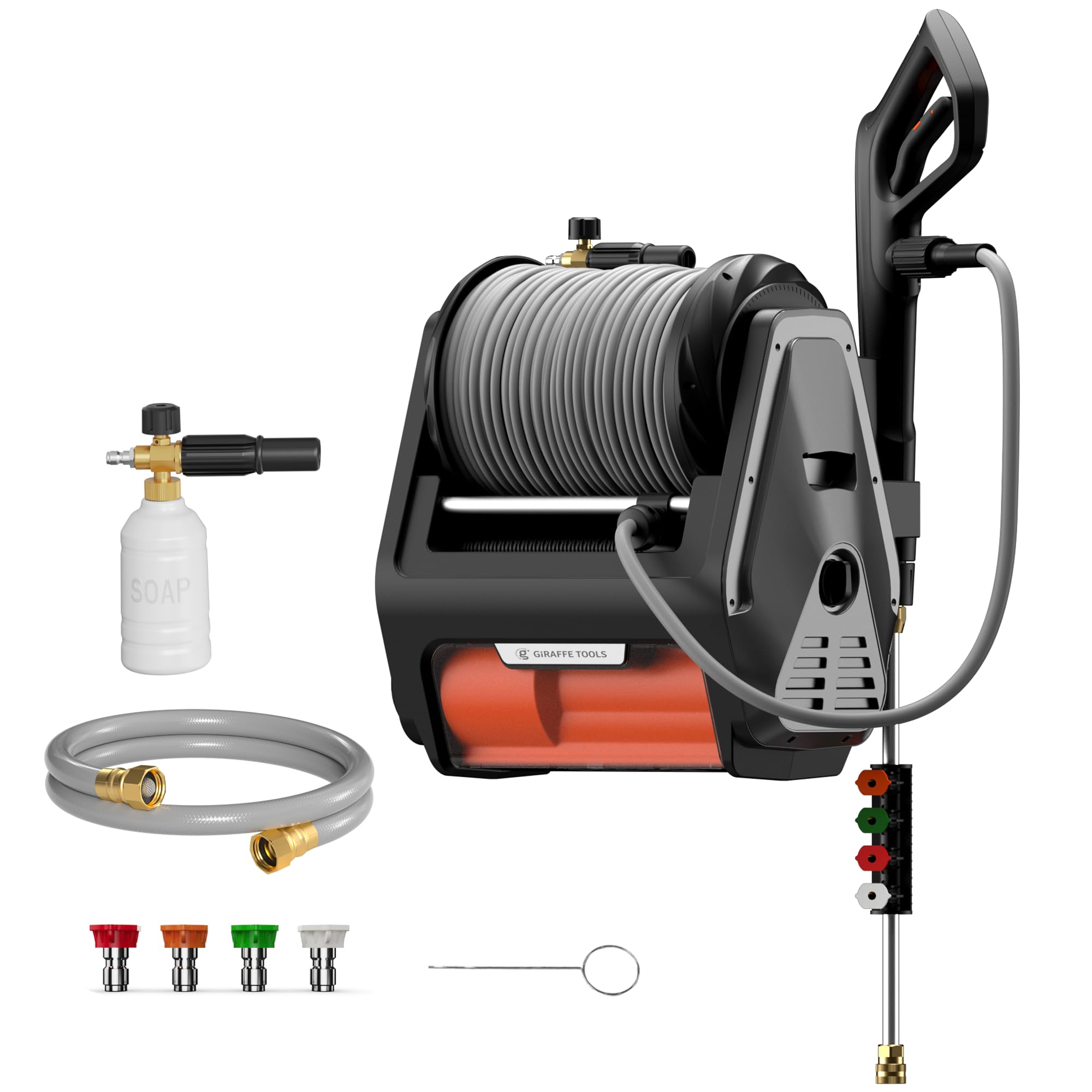

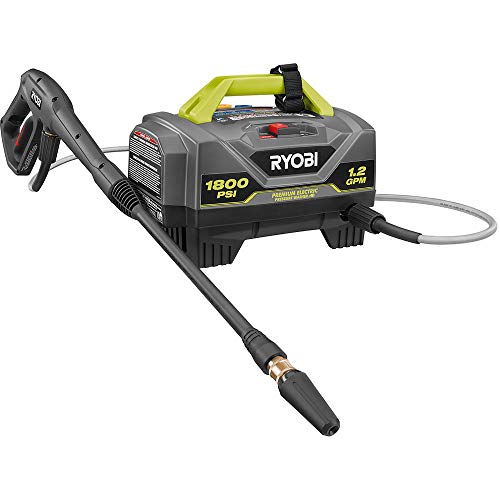
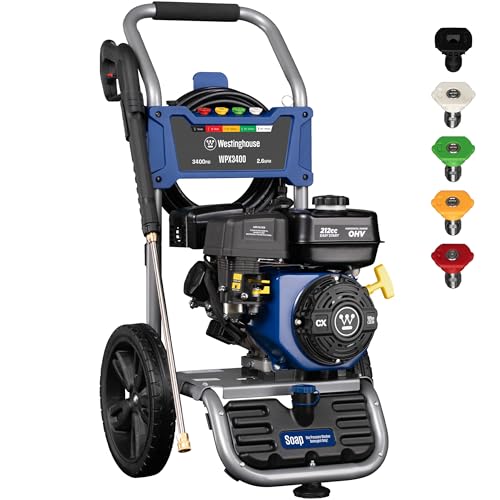
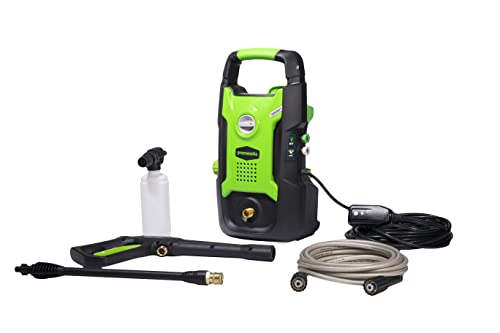

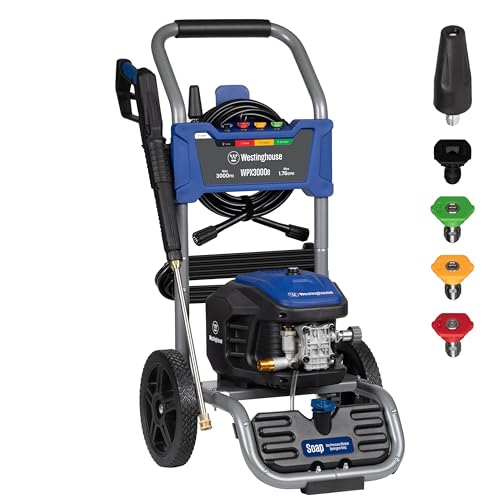

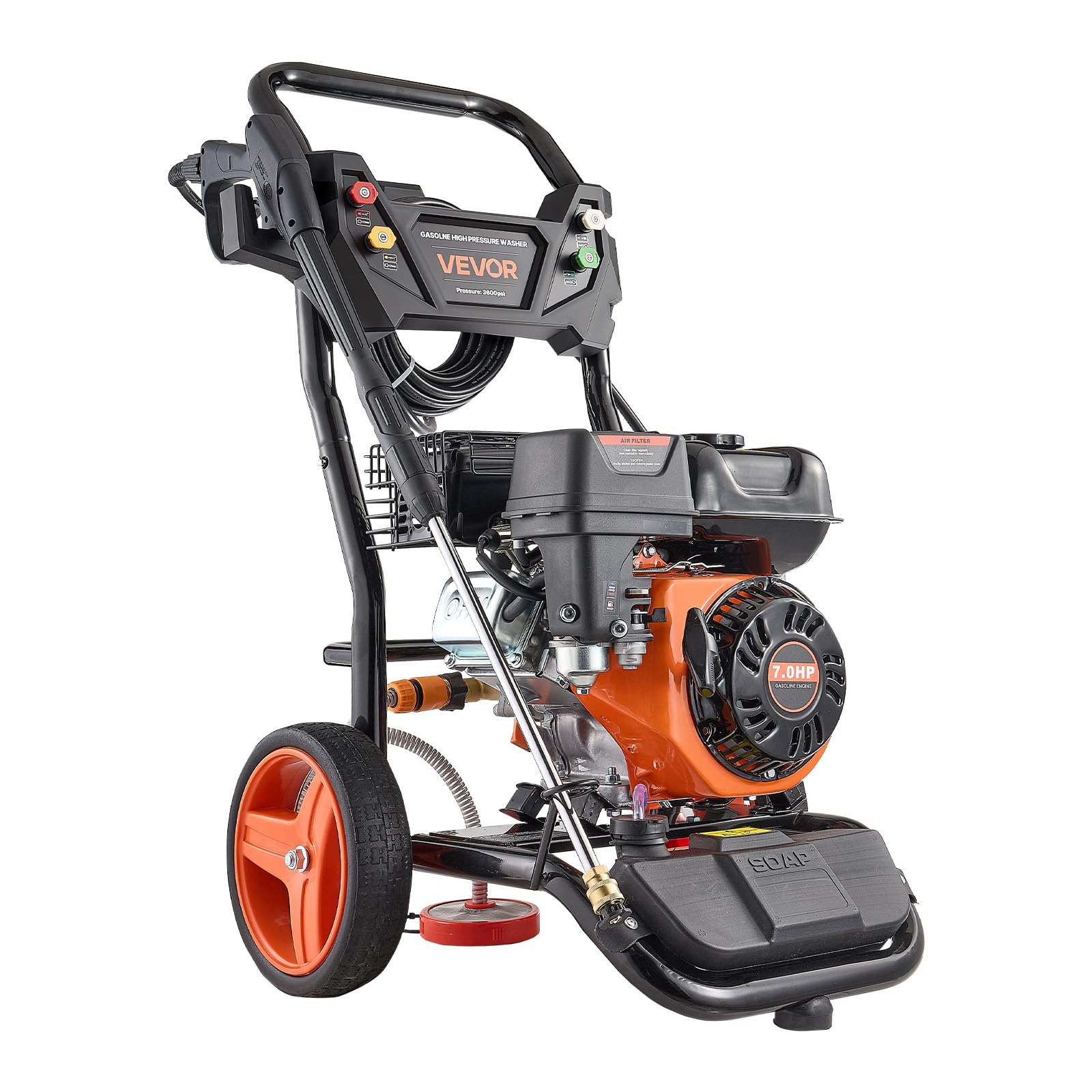
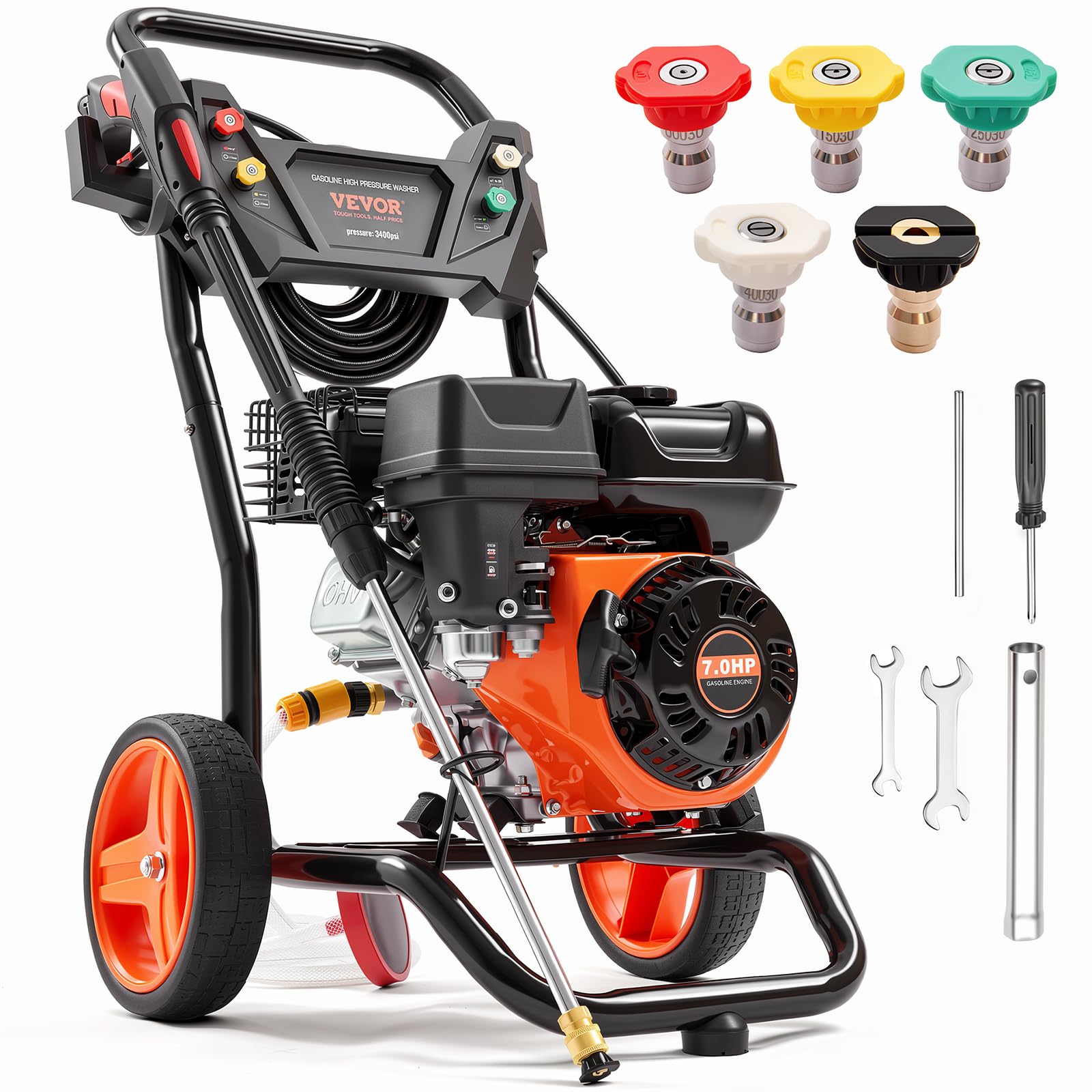
Who Should Buy Which Pressure Washer Under $500?
Homeowners with driveways, siding and fences to restore
If your spring list is a stained driveway, green algae on siding and a gray fence, you want a mid to strong machine with real flow, because large flat areas reward gallons per minute more than peak pressure. An electric model at the top of the band or an entry gas model both fit; choose by how far your work sits from an outlet. A surface cleaner attachment, sold separately, will speed driveway work more than any spec upgrade.
Car and boat owners who wash weekly
Gentle, controlled pressure is your priority, not force. An electric washer in the lower half of the band with a foam cannon fitting and a wide fan nozzle gives you rinsing power that respects paint and gel coat. Gas machines are mostly wasted here, and their minimum output can be too harsh close up. Spend the leftover budget on a longer, flexible hose so you can walk around the vehicle without dragging the unit.
Rural and large property owners working far from outlets
When the barn, the long driveway and the equipment pad sit far from the house, gas power earns its keep with outlet free operation and the strongest cleaning units in the budget. You will accept more noise, exhaust and engine upkeep in exchange for that freedom. This group should weigh pump quality heavily, since a gas engine will outlast a cheap pump by years, and choose a frame with wheels sized for gravel and grass rather than smooth concrete.
Key Features to Compare
PSI, GPM and cleaning units
Pressure, measured in PSI, breaks dirt loose; flow, measured in GPM, carries it away. Multiply the two and you get cleaning units, the fairest single comparison of work speed. A machine at 2,500 PSI and 2.4 GPM will clean a driveway far faster than one at 3,200 PSI and 1.2 GPM, despite the smaller headline number. Under $500, electric models generally deliver about 1,800 to 2,800 PSI at 1.2 to 1.6 GPM, while gas models reach about 2,700 to 3,400 PSI at 2.3 to 2.7 GPM. Match the output to your surfaces, because excess pressure damages wood and paint faster than it cleans them.
Electric versus gas power
Electric machines start with a trigger pull, run quietly, need no fuel or oil and store indoors without fumes, which suits most suburban homes. Their limits are cord range and lower flow. Gas machines offer the highest cleaning units in the budget and total mobility, at the cost of pull starts, engine maintenance, noise and exhaust that must stay outdoors and away from windows. Never run a gas engine in a garage or enclosed space, because carbon monoxide builds up invisibly and quickly. For electric models, a GFCI protected outlet is the correct power source, full stop.
Pump type and durability
The pump is the heart and the usual failure point. Axial cam pumps power most machines in this band and serve homeowners well for seasonal use. Triplex pumps, found on the strongest gas models under $500, last longer, tolerate more hours and can often be rebuilt, which matters if you clean for hours every month. Whichever type you choose, never let the machine run in bypass for more than a minute or two without spraying, because recirculating water overheats and cooks the pump seals from inside.
Hose length, reel and handling
A 25 to 35 foot hose is the difference between moving the machine constantly and finishing a side of the house from one spot. Stiff plastic hoses kink and fight you; rubber or flexible hybrid hoses coil willingly and survive being dragged around corners. Onboard hose reels look tidy but often hold the hose in tight bends, so many owners prefer a simple wrap frame. Check total weight and wheel size honestly: a 70 pound gas machine with small wheels is no bargain if your yard is sloped gravel.
Nozzles, tips and detergent systems
Quick connect spray tips set the fan angle: 0 degrees is a cutting jet that should almost never touch home surfaces, 15 and 25 degrees do most driveway and siding work, 40 degrees is the gentle wash for cars and screens, and a low pressure tip applies detergent. Turbo nozzles spin a jet for stubborn concrete stains. Detergent tanks or siphon tubes only draw soap at low pressure, which is correct: soap needs dwell time, not force. Rinse the detergent system with clean water after use so residue does not clog the injector.
Safety features and technique
A pressure washer jet can cut skin and inject water and dirt into tissue, an injury that needs emergency care even when the wound looks small. Wear closed shoes and eye protection, keep the wand pointed away from people, pets and yourself, and never brace a ladder while washing, because trigger kick on a ladder is a classic fall setup; wash from the ground with an extension or work from a stable platform. Keep the spray away from electrical fixtures, meters and outlets, and check local rules about runoff if you use detergents near storm drains.
How to Divide $500 Without Wasting It
A sane split puts most of the budget into the machine class that fits your property, then reserves money for a surface cleaner if you have large concrete, a foam cannon if you wash cars, and spare O rings and inlet filters. Our general guide to the best pressure washer covers the full market if your budget grows, while the best pressure washer for home use roundup focuses on typical suburban jobs. Vehicle owners should read the best pressure washer for cars guide before pointing any machine at paint, and the best cordless pressure washer options suit light rinsing where hoses and cords cannot reach.
Within the band, about $200 to $300 buys a strong electric machine for most homes; about $300 to $500 is where gas power and the best pumps enter. Paying top of band for an electric model mainly buys flow, hose quality and quieter operation rather than pressure, which is a fair trade for siding and deck owners. Paying it for gas buys cleaning speed and freedom from outlets. Either way, the last dollars are best spent on the attachment that matches your biggest job, and in practice the best pressure washer under 500 dollars is rarely the one with the highest PSI figure in the band.
Common Mistakes to Avoid
- Using the 0 degree jet on wood, siding or painted surfaces, which cuts grooves and strips paint in a single pass.
- Holding the nozzle a few inches from the surface to force dirt off, which etches concrete and drives water behind siding.
- Letting the engine or motor run for minutes without spraying, which overheats the pump through bypass circulation.
- Washing windows, screens and light fixtures at full pressure, which cracks glass and shreds mesh instantly.
- Storing the machine with water inside over winter, which freezes, expands and cracks the pump housing.
- Pointing the wand at your own feet or hands to test pressure, a habit that causes serious injection injuries.
How to Make Your Pressure Washer Last Longer
Flush the system with clean water after any detergent use, and relieve the pressure by squeezing the trigger with the machine off before you disconnect hoses. Keep the inlet screen clean, because grit through the pump scores the seals that make pressure. For gas models, change the oil on schedule, use fresh fuel with stabilizer for storage, and run the carburetor dry before long layups. Before freezing weather, run pump antifreeze or a pump saver product through the machine, or store it somewhere that never freezes. Coil the hose in wide loops, inspect O rings each season and replace them at the first leak, since a spraying connection wastes pressure and soaks the operator.
FAQ
Can you get a good pressure washer for under $500?
Yes, $500 buys genuinely capable machines in both power types, including gas models with triplex pumps and electric models with strong flow for home use. The band is well past the disposable tier. What it does not buy is commercial duty cycle: these machines are built for hours per month, not hours per day. Choose based on your largest regular job, keep the pump care habits in this guide, and a machine in this band should serve for many seasons.
How much PSI do you actually need for home cleaning?
Most home jobs need far less than the box suggests: cars and screens want about 1,200 to 1,900 PSI with a wide fan, siding and decks about 1,500 to 2,500 PSI, and stained concrete benefits from 2,500 to 3,000 PSI with good flow. Technique matters more than the last few hundred PSI: correct tip, steady distance of about 8 to 12 inches, and even overlapping passes clean without the damage that brute pressure causes.
Is electric or gas better under $500?
Electric is better for most homes: quieter, lighter, no fuel or engine care, and strong enough for siding, decks and moderate driveways. Gas is better when the work is large, frequent or far from outlets, and its higher flow makes big concrete jobs noticeably faster. Be honest about your property: buyers who choose gas for a small suburban lot often use it twice a year and fight stale fuel the rest of the time, while electric owners clean more often because starting is effortless.
What attachments are worth buying first?
A surface cleaner if you have a driveway or patio, because it turns the slowest job into the fastest and prevents zebra stripes. A foam cannon if you wash vehicles weekly. An extension wand if your siding is tall. Beyond those, a longer and more flexible replacement hose is the upgrade owners praise most, since the stiff hoses bundled with many machines are the daily annoyance that outlasts every other complaint.
How do you winterize a pressure washer?
Drain all water by running the machine briefly with the hose off as the manual directs, disconnect everything, and squeeze the trigger to clear the wand. Then pull pump saver antifreeze through the inlet until it exits the outlet, which coats the pump against freezing and corrosion. Store the machine in a dry place, ideally one that stays above freezing anyway. Gas models also need the fuel system handled: stabilizer in fresh fuel, or a drained carburetor, so spring starting is a pull, not a repair.
Final Thoughts
Under $500, buy cleaning units and pump quality, keep pressure appropriate to your softest surface, and leave room in the budget for the one attachment that matches your biggest job. Compare the classes in the product table above with the checks in this guide, and the best pressure washer under 500 dollars for your home will be the machine that cleans fast on Saturday and still starts willingly next spring.


