
Best Pressure Washer With Foam Cannon: A Buying Guide for 2026
Disclosure: We may earn a commission when you buy through links on this page, at no extra cost to you. As an Amazon Associate I earn from qualifying purchases. Learn more

Compare the best pressure washer with foam cannon bundles by orifice size, flow and fittings, with car wash technique, safety notes and care tips inside.
Thick foam clinging to a dirty car is not just satisfying to watch. That blanket of suds softens road film and lifts grit away from the paint before a mitt ever touches it, which is the single best defense against wash scratches. Shoppers therefore look for the best pressure washer with foam cannon as a matched bundle, and the matching matters: a cannon tuned for a gas washer will dribble on a small electric one.
This guide explains how cannon orifice size, washer flow and soap choice combine to make real foam, plus the wash routine that turns foam into a safer clean. The product table near the top shows the common bundle types, and the sections that follow go deeper.
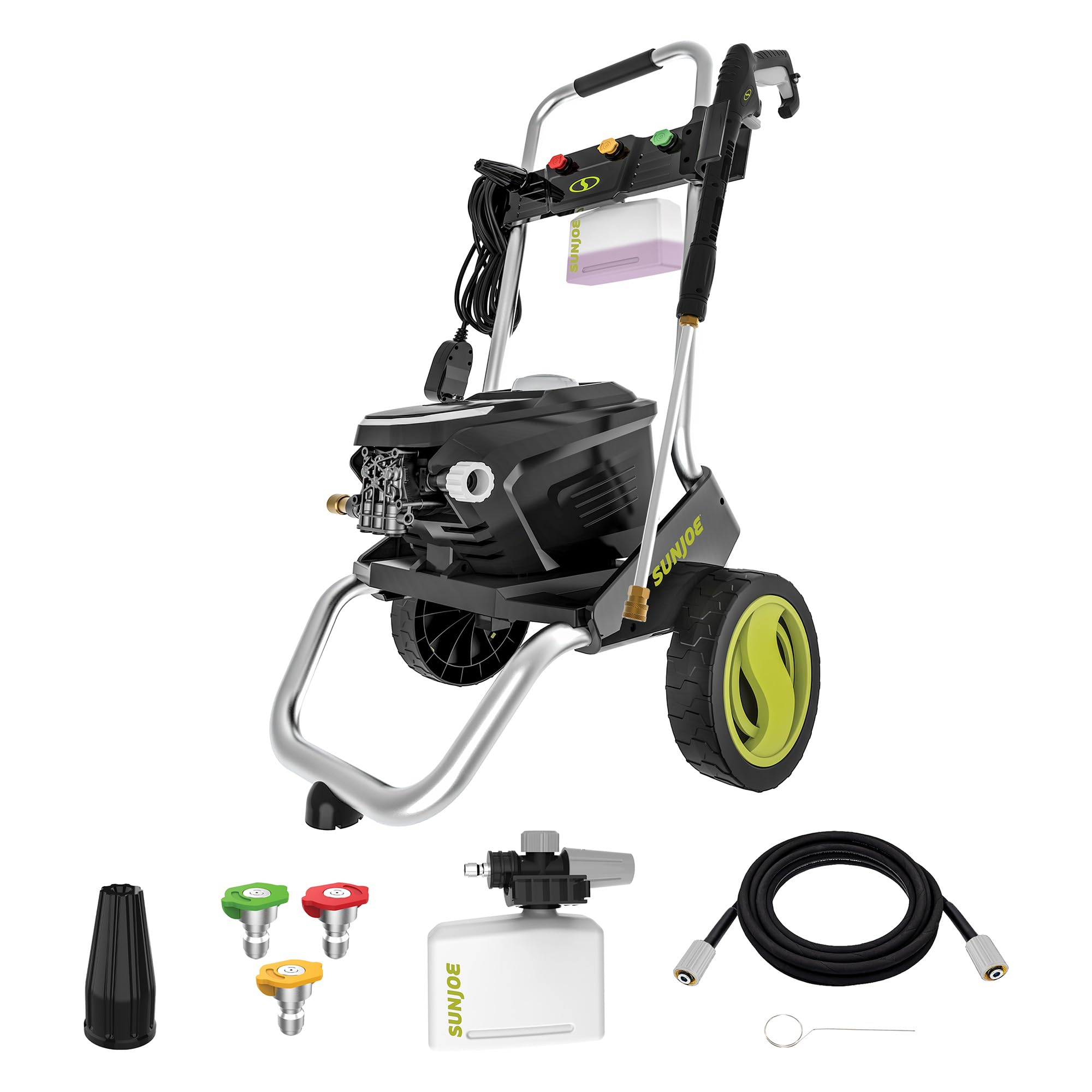
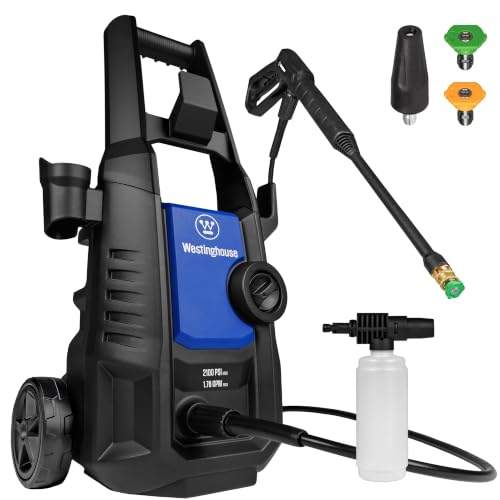
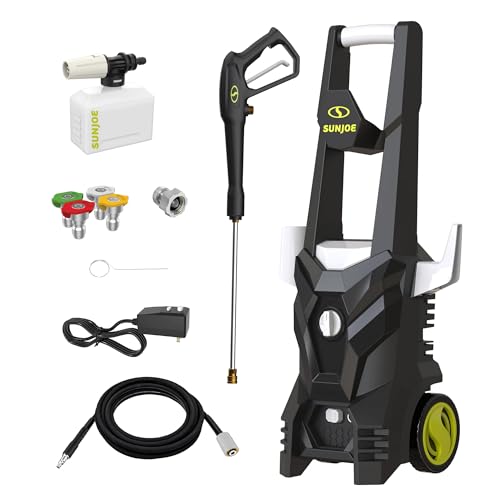

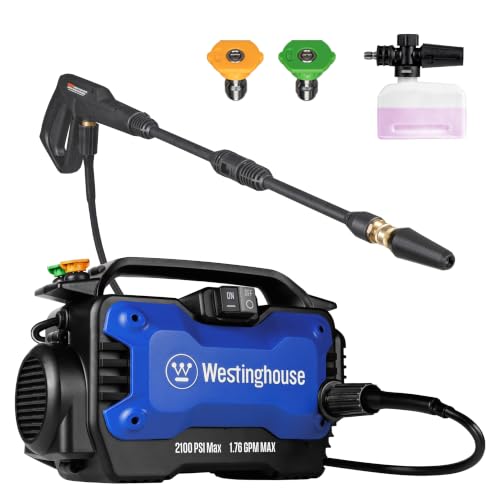
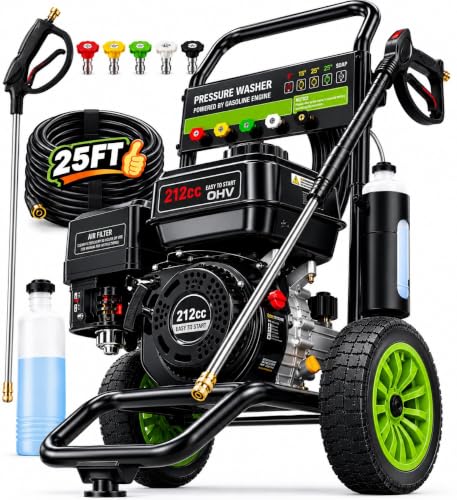


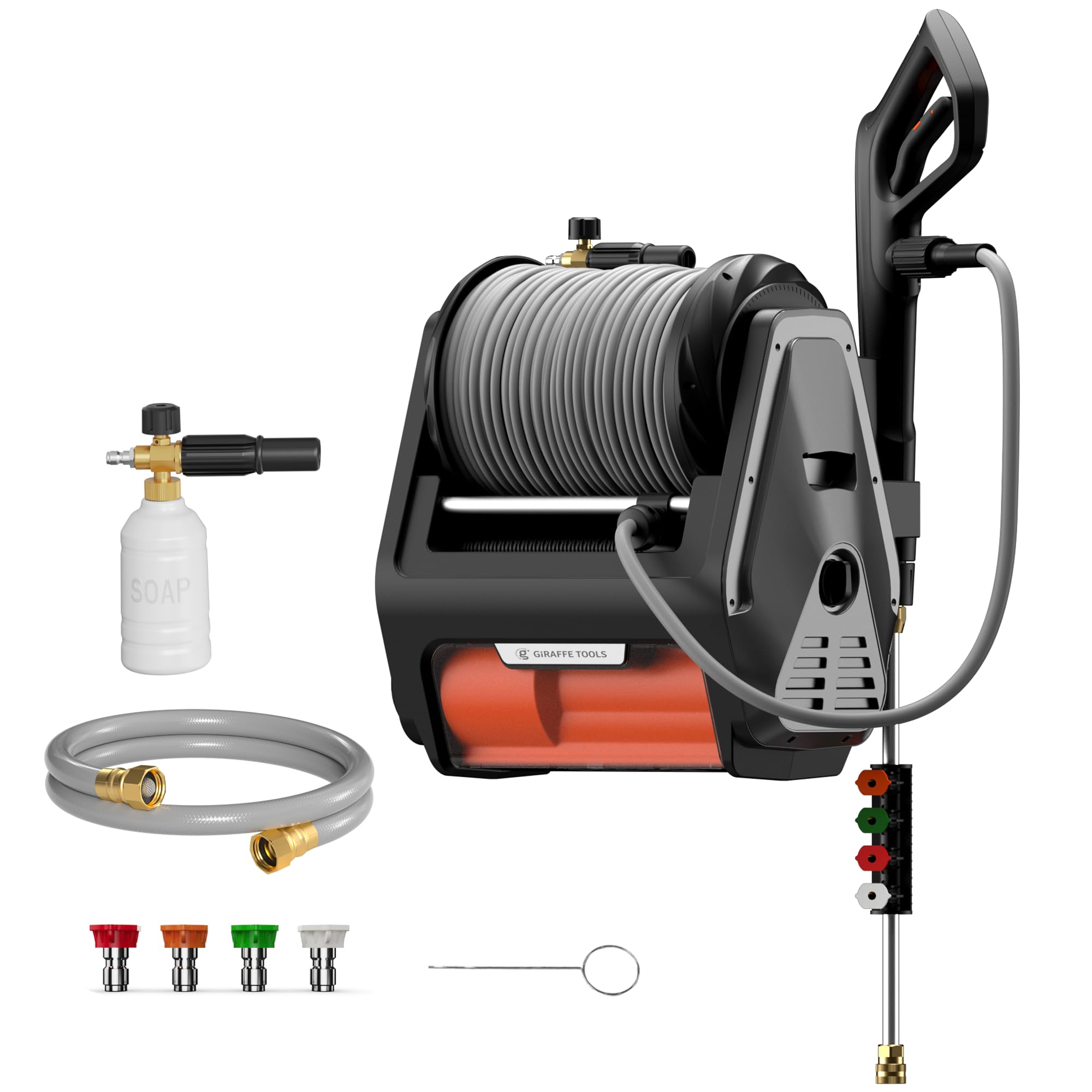
Who Should Buy Which Pressure Washer With Foam Cannon?
Car Enthusiasts Who Wash Weekly
If washing the car is a ritual, a bundle with a quality brass cannon and an adjustable spray fan gives you control over foam thickness and coverage. You will use the cannon on paint, wheels and wheel wells, then swap to rinse nozzles from the washer kit. Our dedicated guide to the best pressure washer for cars covers safe pressures for paint in more depth.
Owners of Trucks, Boats and RVs
Large panels punish slow washing methods. Foam pre soaks a whole side at once, softening bugs and road salt while you work the other end, and the larger the vehicle the more time that saves. These owners should favor gas or strong electric washers whose flow drives a cannon with the standard larger orifice, giving foam enough volume to cover tall panels before it slides off.
Homeowners Who Want One Washer for Cars and the House
A house and car bundle earns its shelf space twice: foam for vehicles, and fan nozzles for siding, fences and walkways between car washes. Choose a mid range electric washer with flow around 1.5 to 2 gallons per minute, and a cannon whose orifice can be swapped, so one kit serves both jobs. Our guide to the best pressure washer for home use maps the rest of that double duty decision.
Key Features to Compare
Orifice Size Matched to Your Washer's Flow
Inside every foam cannon, water passes through a small orifice that creates the vacuum pulling soap from the bottle. The standard orifice, about 1.25 mm, suits washers flowing roughly 2 gallons per minute and up. Small electric washers flowing 1.1 to 1.5 gallons per minute need a smaller orifice, about 1.1 mm, or the cannon produces thin, runny foam. Bundles worth buying either match the orifice to the included washer or include both sizes, and listing that detail is a good sign of an honest kit.
Bottle Size, Neck and Adjustment Dials
A bottle around one liter covers a mid size car with a single fill, and a wide mouth makes adding soap and rinsing easy. The top dial controls how much soap enters the stream, while rotating the nozzle adjusts the fan from a narrow stream to a wide sheet. Brass internals outlast plastic at the cannon body, and a weighted intake tube keeps drawing soap when the bottle tilts during low passes along rocker panels.
Fittings: Quick Connects and Brand Adapters
Most cannons end in a quarter inch quick connect plug that snaps into a standard wand. Some washer brands ship wands with different standards, and their owners need a specific adapter that should be listed in the bundle contents. Threaded foam bottles sold for garden hose sprayers are a different product entirely and produce weak foam; a true cannon always runs on pressure. Check your wand's fitting type against the bundle before ordering, using our overview of the best pressure washer connection standards if unsure.
Electric Versus Gas for Foaming
Foam generation rewards flow more than pressure. A gas washer's higher flow drives thick foam through the standard orifice and covers big vehicles quickly, while an electric washer with the smaller orifice makes foam nearly as rich for ordinary cars. Noise and storage tilt the choice for most driveways: electric starts instantly and stores indoors, gas asks for fuel and oil care. Battery models in our roundup of the best cordless pressure washer options flow too little for satisfying foam and suit rinsing instead.
Soap Choice and Dwell Time
The cannon is only half the system. Dedicated foam soaps are pH balanced for paint and mixed at the dilution on the label, commonly a few ounces per bottle. Foam should dwell on a cool, shaded panel for about three to five minutes, softening grime without ever drying on the surface. Dish soap strips wax and dries rubber trim, so keep it in the kitchen. Rinse from the bottom up on the dirtiest panels to avoid clean streaks running through the foam.
How to Match a Foam Cannon to Your Washer
Read the washer's flow rating first, then choose the orifice: about 1.1 mm for flows under roughly 1.6 gallons per minute, the standard 1.25 mm above that. Confirm the wand fitting, then do a first test on a single panel, adjusting the soap dial until the foam coats like shaving cream rather than milk. Work panel by panel in shade, let the foam dwell, and follow with a two bucket mitt wash on any panel that sees road film. Keep the cannon chemicals stored locked away from children and pets, and never point the wand at skin, since even a rinse stream at pressure washer output can break skin.
Common Mistakes to Avoid
- Running the standard orifice on a small electric washer and concluding foam cannons do not work, when the pairing was simply wrong.
- Letting foam dry on hot paint in direct sun, which bakes soap spots into the finish instead of lifting dirt.
- Using dish soap or degreaser in the cannon on a waxed car, stripping protection and drying out trim.
- Foaming a car parked on a slope over a storm drain without thinking about runoff, when a flat spot and a rinse plan are kinder to local water rules.
- Storing the cannon with soap inside, which gums the mesh filter and ruins the next session's foam.
How to Make Your Pressure Washer With Foam Cannon Last Longer
After every wash, run a bottle of plain water through the cannon for half a minute to flush soap from the mesh and orifice. Rinse the bottle and let it dry open so residue does not ferment between washes. For the washer itself, drain the pump before freezing weather and use pump protector in storage, coil the hose loosely, and inspect fittings for grit that scores the seals. A cannon stored clean makes thick foam on the first pull months later; a neglected one sputters until you strip and soak its parts.
FAQ
Is a pressure washer with foam cannon worth it for washing a car?
For anyone who washes at home more than a few times a year, yes. The pre soak loosens the grit that causes swirl marks, so the mitt glides instead of grinding. The improvement is in paint condition over years, not in a single wash. If your car only gets an occasional hose rinse, the cannon adds steps without adding much benefit.
Why is the foam from a new cannon thin and runny?
The usual cause is an orifice too large for the washer's flow, which starves the vacuum that pulls soap. Fit the smaller orifice made for low flow electric washers, check that the intake tube reaches the bottle bottom, and confirm the soap is a foam formula mixed at label strength. A clogged internal mesh from old soap produces the same symptom and clears with a warm water soak.
Can foam cannon soap damage car paint or wax?
Proper car foam soaps are pH neutral and safe for wax and ceramic coatings when used at the label dilution and rinsed before drying. Strong alkaline pre washes do strip wax faster and should be reserved for neglected vehicles before a full detail. When in doubt, test on a lower panel, and always keep the mitt wash gentle after the foam has done its loosening work.
How do you clean a foam cannon after use?
Empty the soap, fill the bottle with plain water, and spray for about thirty seconds until the stream runs clear. Rinse the bottle, wipe the intake filter, and store the cannon dry with the dial open. Once a season, soak the nozzle parts in warm water to dissolve soap scale. That two minute habit prevents nearly every foam quality complaint.
How long does a pressure washer last with regular car washing?
Electric models used weekly for cars typically serve five to eight years, and gas models last longer with oil changes and pump care. Freeze damage is the top killer, so drain the pump before winter and store the machine indoors. Hoses and fittings wear sooner than pumps; replacing a tired hose restores performance that owners often blame on the machine.
Final Thoughts
The best pressure washer with foam cannon setup comes from one honest match: orifice size against flow rate. Pair them correctly, use real car soap, work in shade, and your wash routine gets both faster and safer for the paint. Compare the bundles in the product table above with your washer's flow figure in hand, flush the cannon after each wash, and thick foam will be there every time you reach for it.


