Best Robot Vacuum for Cats: A Buying Guide for Cat Owners in 2026
Disclosure: We may earn a commission when you buy through links on this page, at no extra cost to you. As an Amazon Associate I earn from qualifying purchases. Learn more

The best robot vacuum for cats handles litter scatter, fur and startled pets. Compare noise, avoidance sensors, brush design and dust handling here.
Living with a cat means two cleaning battles that never end: litter tracked out of the box and fur woven into every rug and corner. A robot vacuum that runs daily can win both, but only if your cat tolerates it and it can handle litter without scattering it further. Choosing the best robot vacuum for cats is as much about noise, sensors and your cat's temperament as it is about suction.
This guide covers what cat homes demand from a robot: litter pickup, gentle noise levels, avoidance of sleeping cats and messes, and dust handling that keeps fine litter dust contained. The product table near the top sets out the main types, and our general guide to the best robot vacuum gives wider background if this is your first robot.
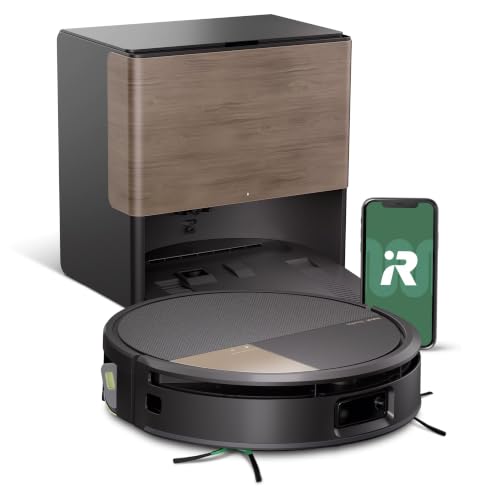
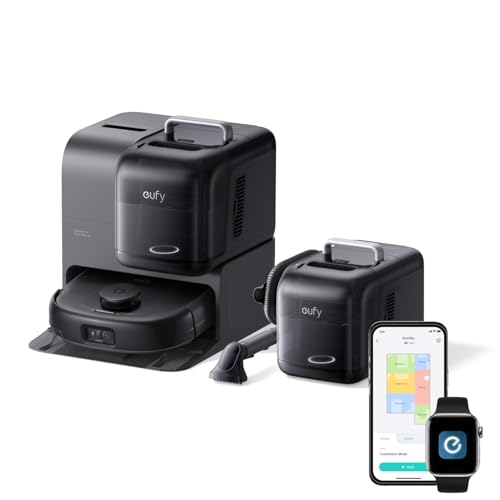

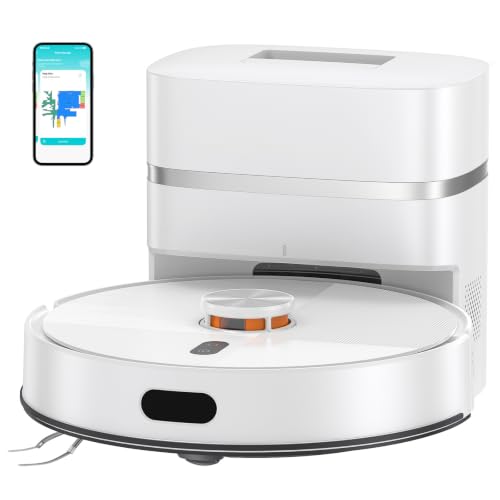
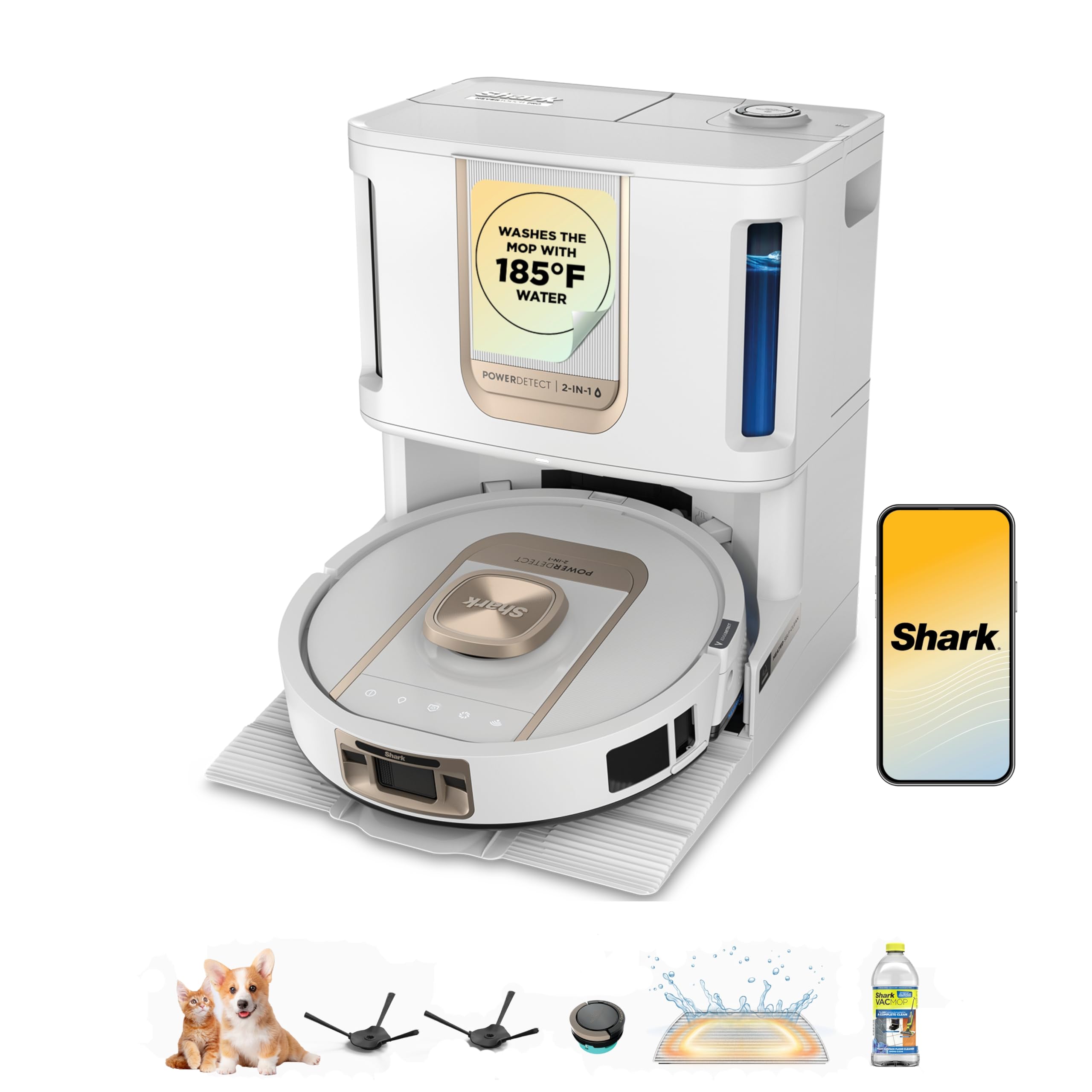

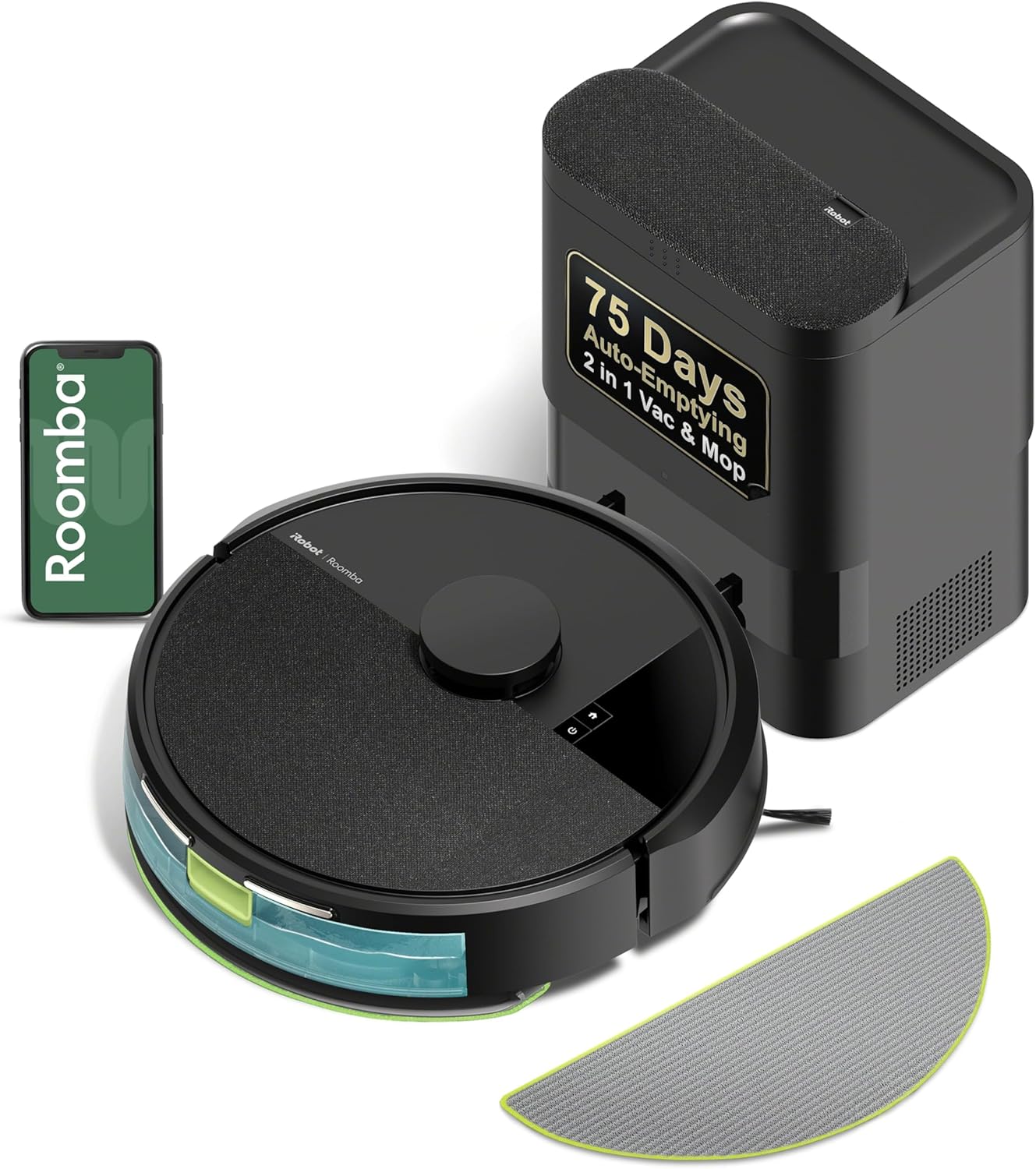

Who Should Buy Which Robot Vacuum for Cats?
Your cat's habits and your floors decide which features matter most, so start with the household that sounds like yours.
Indoor cat owners fighting litter scatter
Litter escapes the box on paws and lands on hard floors, where it crunches underfoot and migrates room to room. A robot that runs a daily pass around the litter area keeps scatter from spreading to the rest of the home. Look for strong edge cleaning and a side brush that sweeps granules inward rather than flicking them outward, plus scheduling so the area near the box gets cleaned more often than the bedrooms.
Multi cat households with constant fur
Two or more cats shed enough to overwhelm a small dustbin in days. A self emptying dock stretches the interval between your interventions from days to weeks, and sealed bags trap the fine dust that litter and dander produce. For a deeper comparison of fur focused designs, see our guide to the best robot vacuum for pet hair, which looks closely at brushes and bins built for heavy shedding homes.
Owners of shy, senior or easily startled cats
A nervous cat that hides from a loud machine will not relax in its own home, and stress is a real cost. Prioritize a low noise rating, a quiet or standard mode for daily runs and obstacle sensors that slow the robot near a resting pet instead of bumping the basket. Scheduling cleans for when your cat naps in another room also helps the two routines coexist.
Key Features to Compare
Cat homes stress a robot in specific ways, so weigh these five areas before anything else.
Litter and fur pickup on your floors
Granular litter is heavier than dust and needs real suction at floor level plus a brush that agitates without flinging. On hard floors, most mid range robots cope well. On rugs, look for automatic carpet boost and a main brush that pulls embedded fur out of the pile; our guide to the best carpet robot vacuum explains how pile height changes results. A washable, generous filter matters too, because litter dust is fine and clogs cheap filters quickly, fading pickup between cleans.
Noise level and quiet modes
Standard robot modes typically run at about 55 to 70 decibels, roughly conversation level, while max modes are far louder. Cats hear more of the higher frequencies than we do, so a model known for a harsh whine may bother your cat even at modest volume. Daily cleaning on a quiet setting beats a weekly blast on max for both stress and results, since frequent gentle passes keep fur from ever building up. If your cat is sound sensitive, plan runs for rooms it is not occupying.
Obstacle avoidance for pets and their messes
Better sensors spot and steer around sleeping cats, toys and, critically, hairballs or vomit. A robot that drives through a mess smears it across the whole floor and into its own brush, turning a small cleanup into a deep one. Models with camera or structured light recognition handle this best. Even so, a quick scan of the floor before a scheduled run is wise in homes where a cat is sometimes sick, and no go zones around the feeding area reduce the risk further.
Self emptying and sealed dust handling
Litter dust and dander settle in the bin, and tipping that bin into the trash puffs some of it back into the air. A dock with a sealed bag removes that moment almost entirely, which is kinder to whoever empties the robot. It also means the vacuum can run daily without you checking the bin each time. The catch is ongoing bag cost and a bulkier dock. Budget shoppers should note that skipping the dock is the single biggest saving, and the best cheap robot vacuum models show what that saving costs in convenience.
Brush design and hair wrap
Cat fur wraps around bristle brushes and axle ends, and unwinding it is the least pleasant part of robot ownership. Rubber roller designs shed far less hair into the mechanism and wipe clean in seconds, though they can be slightly less aggressive on deep carpet. Whichever style you choose, a brush that removes without tools and ends that pull off for cleaning will save you real time every single week in a shedding household.
Helping Your Cat Accept the Robot Vacuum
Introductions matter. Let the robot sit switched off in the room for a day so your cat can inspect it on feline terms. Run the first cleans while you are home, starting with one room and a quiet setting, and let the cat leave freely rather than carrying it closer. Keep the dock away from food and water bowls, because many cats dislike new objects near their feeding spot, and keep it clear of the litter box area so the robot's home base does not smell like the box. Most cats settle within a week or two of predictable, scheduled runs, and many end up ignoring the machine completely. If your cat stays genuinely distressed, with hiding, appetite loss or litter box avoidance, talk with your veterinarian about whether the routine needs to change.
Common Mistakes to Avoid
- Running the robot for the first time while you are out, so a frightened cat and a stuck robot go unnoticed for hours.
- Placing the dock beside the litter box or food bowls, which links the machine to your cat's most sensitive places.
- Letting a scheduled run start without checking for hairballs or vomit, which the robot will spread through the whole room.
- Using the loudest max mode for daily cleaning, which stresses nervous cats and wears the battery for little extra pickup.
- Leaving string toys, hair ties and ribbon on the floor, which wind around the brush and can stop the robot mid clean.
How to Make Your Robot Vacuum for Cats Last Longer
Cat homes clog robots faster, so shorten the usual care intervals. Empty the bin or check the dock bag more often during shedding season, and clear fur from the brush ends weekly before it works into the bearings. Litter dust coats sensors and filters quickly, so wipe the cliff and obstacle sensors with a dry cloth and wash or replace the filter on the maker's schedule. Check the wheels for trapped litter grains, which can scratch hard floors if left embedded. A clean robot keeps its suction, its manners around your cat and its ability to finish a run.
FAQ
Will a robot vacuum scare my cat?
Most cats are wary for the first few runs and then lose interest once the routine becomes predictable. Gradual introductions, quiet settings and runs that start in one room all help. A small number of cats try to ride or pounce on the robot, which is entertaining but worth supervising until you know it will not tip anything onto them. Persistent hiding or stress is a sign to change the schedule, not to push through.
Can a robot vacuum pick up cat litter without scattering it?
Yes, on hard floors a decent robot collects the bulk of tracked litter, especially with a daily pass near the box. Scattering usually comes from an over enthusiastic side brush or a full bin. A litter mat at the box exit quietly does half the job by catching granules from paws before they reach open floor, so the robot has far less to chase.
How do I stop a robot vacuum from spreading a hairball mess?
Choose a model with object recognition, which spots and avoids most messes, and do a ten second floor check before scheduled runs. Setting a no go zone around the feeding station, where most hairballs happen, adds a second layer of protection. If a mess does get spread, clean the brush and wheels right away, because residue left on the robot will mark the next clean floor it crosses.
Is a robot vacuum safe to run when cats are home alone?
Generally yes, once your cat is used to it and the floor is prepared. Secure loose cables, pick up string based toys and close doors to rooms with anything fragile at tail height. The main risk is not the cat, which can simply leave, but a startled pet knocking something over as it moves away, so the first few unattended runs should follow several calm supervised ones.
How loud is a robot vacuum on its quiet setting?
Quiet settings usually sit at the lower end of the range, around the level of normal conversation, and are far less startling than the max mode used for deep carpet passes. The loudest moment in a self emptying setup is the dock emptying itself, which is brief but sudden. If your cat naps at set times, schedule the emptying heavy cleans for when it is usually awake or in another room.
Final Thoughts
A house cat and a robot vacuum can coexist happily when the machine is quiet, careful around messes and strong where litter and fur gather. Compare the noise ratings, brushes and dust handling in the product table above, and the best robot vacuum for cats for your home will keep floors fur free without turning your cat's territory into a source of stress.