
Best Robot Vacuum for Dark Floors in 2026: Beating the Cliff Sensor Problem
Disclosure: We may earn a commission when you buy through links on this page, at no extra cost to you. As an Amazon Associate I earn from qualifying purchases. Learn more

Pick the best robot vacuum for dark floors that will not stall on black carpet. Learn how cliff sensors read dark surfaces and what to test at home.
Dark hardwood, espresso laminate, and black rugs look rich and hide everyday dirt beautifully, until a robot vacuum rolls onto them and stops, convinced it has reached the edge of a cliff. The best robot vacuum for dark floors is built and tuned to avoid that false alarm: its drop sensors read dark surfaces correctly, its navigation does not panic, and its suction shows results on floors where pale dust is easy to see but hard to gather. This guide explains the sensor physics behind the problem and how to shop around it.
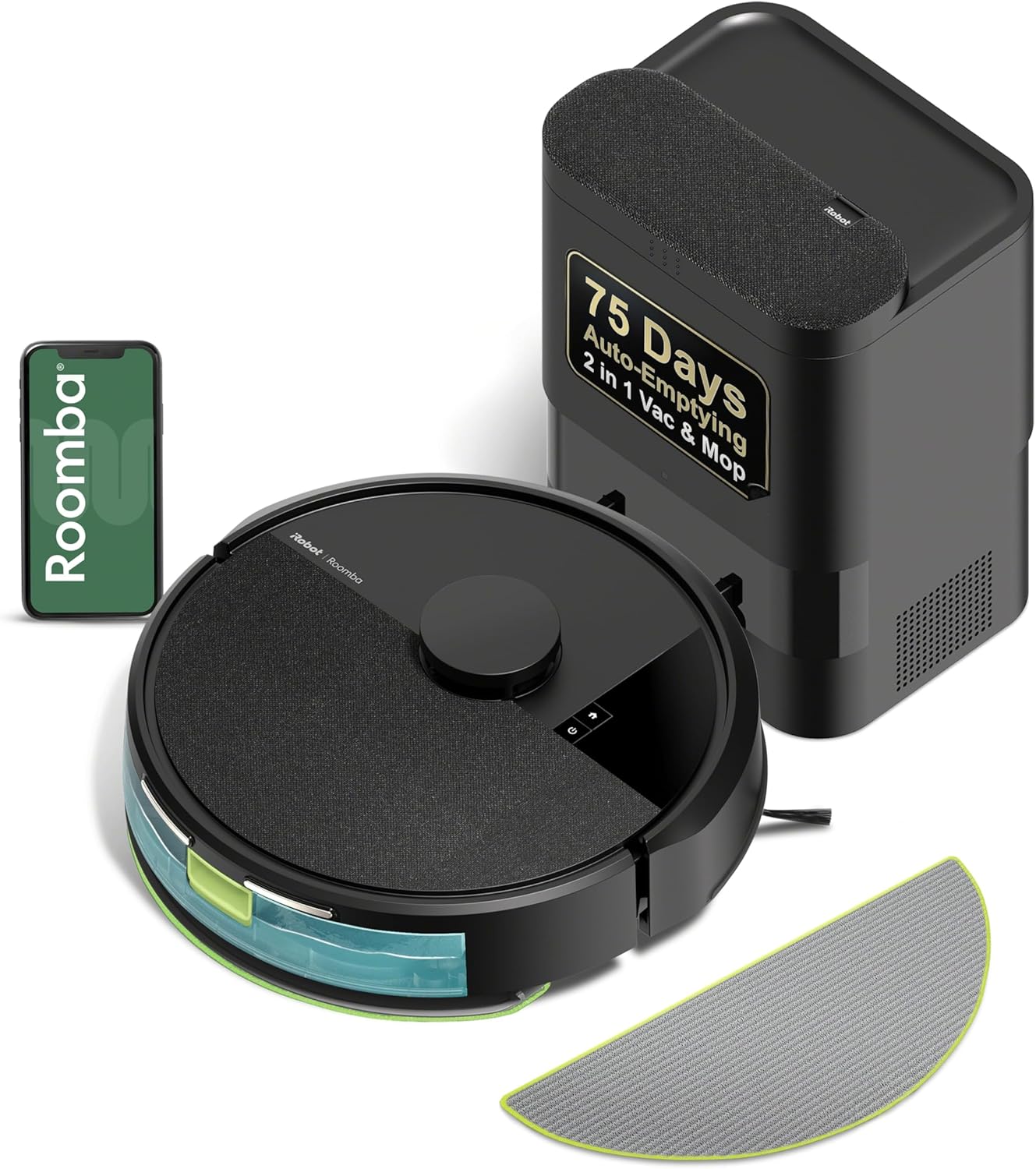
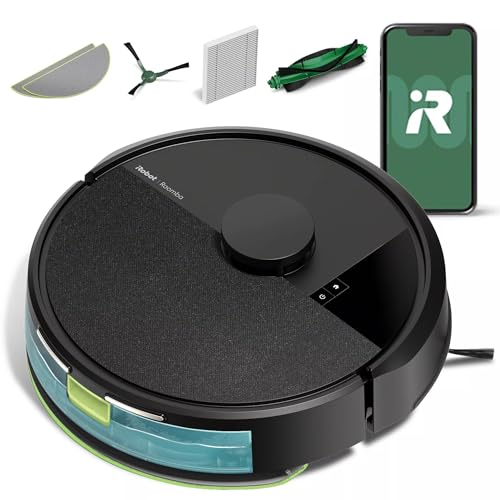
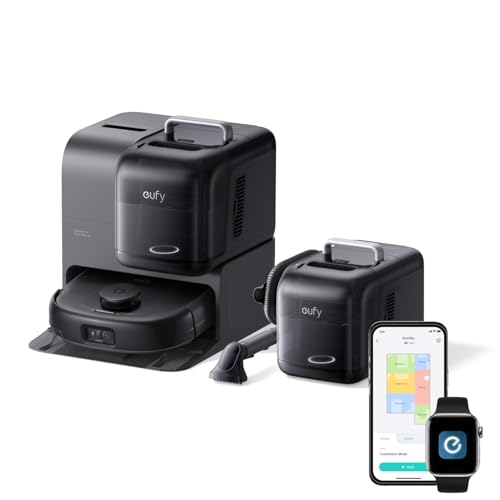
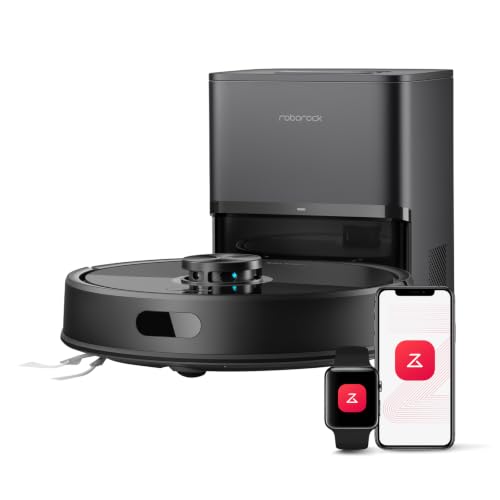
The product table near the top highlights models by sensor setup and floor handling. Below it, this guide covers the homes most affected, the features that separate a confident dark floor cleaner from a hesitant one, and a home test that tells you the truth before the return window closes.


Who Should Buy a Robot Vacuum for Dark Floors?
Dark Hardwood and Espresso Finish Homes
Wide plank dark wood is the classic problem surface: beautiful, common, and dark enough to confuse the infrared drop sensors on many robots, especially in dim rooms. If your main level is dark wood with lighter area rugs, you need a model proven to cross those color boundaries without stopping at each transition. The general best robot vacuum category is broad, so use this guide's sensor criteria to filter it down to dark floor safe designs.
Black and Charcoal Rug Owners
A black low pile rug on a light floor is the single most reported stall point in this category: the robot climbs on, reads the surface as a drop, and either refuses to move or beelines for the edge. Rug owners should favor models whose makers explicitly address dark carpet behavior, and should test the exact rug during the return period, because pile depth and dye vary enough to change the result from one rug to the next.
Mixed Homes With Dark Tile and Real Stairs Nearby
Dark entry tile beside an actual staircase is the tricky combination: you need sensors tolerant of dark surfaces yet fully reliable at a genuine edge. That rules out the tempting hack of permanently disabling drop protection. In these homes, choose sensor tolerance from the manufacturer, not from a workaround, and keep the stair edge itself as a mapped boundary for a second layer of safety.
Key Features to Compare
Cliff Sensor Design and Dark Surface Behavior
Cliff sensors aim a small infrared beam at the floor and judge distance by the reflection. Very dark surfaces absorb infrared instead of reflecting it, so the sensor receives a weak return and can interpret the floor as a void. Designs differ in emitter strength, receiver sensitivity, and the software threshold that decides a drop, which is why one robot crosses a black rug calmly while another freezes at its edge. Look for explicit dark floor or dark carpet compatibility in the specifications, multiple sensor windows across the front for redundancy, and user evidence for your specific flooring type. This is the defining feature of the category; everything else is secondary.
Navigation and Mapping That Remember Trouble Spots
Mapping does not fix a sensor that misreads the floor, but it changes how gracefully the robot handles the house. A mapping model learns room layouts, lets you draw keep out zones around a rug it dislikes, and returns to the dock by an efficient path instead of wandering. Over weeks, mapped cleaning also produces consistent coverage on dark floors, where missed patches are hard to spot by eye because the surface hides both dust and the robot's tracks. If your darkest flooring is one rug, a map that excludes it may solve the problem without new hardware; if the whole floor is dark, sensor design remains the deciding factor.
Sensor Window Count and Cleaning Access
Dust films over sensor windows gradually, and a hazed window weakens the reflection further, which can turn a robot that handled your floor in January into one that stalls by June. Prefer designs where the sensor windows sit exposed along the front bumper for a quick wipe, and check how many windows guard the front arc. Build a habit of wiping them with a dry microfiber cloth when you empty the bin. If a dark floor model starts hesitating after months of good behavior, dirty sensor windows, not software, are the first thing to check.
Suction and Brush Roll Performance on Visible Dust
Dark floors advertise dust: pale lint, pet hair, and tracked grit show against the grain, so pickup quality is judged harshly. Strong suction with a brush roll that maintains floor contact matters more here than raw runtime. Hair is especially visible on dark surfaces, and the roller and filtration advice in our guide to the best robot vacuum for pet hair applies directly. Rubber extractors tend to keep contact on hard floors and shed hair less into the bearings, while bristle brushes scour carpet better; choose by your rug and pet mix.
App Controls, Error Reporting, and Zone Tools
When a robot stalls on a dark patch, the app should tell you it was a cliff event, not leave you guessing about a dead battery or a jammed wheel. Clear error reporting helps you distinguish sensor confusion from mechanical trouble during your trial period. Zone tools matter too: the ability to boost suction on the rug, set a no go line at the rug border, or schedule the dark rooms for daylight hours, when extra ambient light helps some optical systems, turns a borderline model into a workable one.
Carpet Handling and Threshold Transitions
Dark floors often pair with dark rugs, so carpet behavior is part of the purchase. Automatic suction boost on carpet, adequate wheel travel to climb a rug edge, and memory of which zones are carpet in the map all smooth the transitions where stalls happen. Our comparisons in the best carpet robot vacuum guide quantify how the stronger carpet models behave. Also confirm the robot can cross from dark wood onto a pale rug and back, because each crossing is a fresh sensor judgment and the most common place for a false cliff stop mid room.
Testing a Robot Vacuum on Your Darkest Floor
Do not trust a spec sheet with this purchase; trust a supervised trial in your own rooms. During the return window, run the robot first on your darkest surface at your dimmest normal lighting, and watch the full session: does it cross the black rug, clean its center, and exit calmly? Check the app history for cliff events and clean time actually spent moving. Repeat with the room lights at evening levels, since sensor behavior can change with ambient light. If the robot fails the center of the rug test twice with clean sensor windows, return it and choose a model with explicitly rated dark floor sensors. A week of testing tells you more than a hundred reviews from homes with pale oak floors.
Common Mistakes to Avoid
- Taping over cliff sensors permanently in a home with stairs, trading a rug inconvenience for a genuine fall hazard.
- Blaming the robot for stalls caused by dust filmed sensor windows that a ten second wipe would fix.
- Testing only in bright daylight, when evening lighting in the same room triggers the false cliff stops.
- Assuming dark hardwood and black carpet behave the same, when pile and sheen change the infrared reflection completely.
- Buying on suction specs alone, when sensor tolerance is the feature that decides whether the robot moves at all.
- Skipping the supervised trial during the return window and discovering the problem after it closes.
Care That Keeps Dark Floor Performance Stable
The maintenance that matters most here is optical. Wipe every cliff sensor window and the optical floor tracking sensor, if fitted, with a dry cloth each time you empty the bin; dust haze is the top cause of gradual dark floor regression. Keep brush ends and wheel wells free of hair so the robot rides at its designed height, since a machine sitting lower changes sensor angles. Update the firmware through the app, because makers do ship sensor threshold improvements. If you use any maker approved sensor accessory for a stair free area, recheck it monthly so a shifted cover never leaves one sensor blind while others stay active.
FAQ
Why does a robot vacuum stop or refuse to move on black carpet?
The cliff sensors read the carpet's weak infrared reflection as a drop off, so the robot protects itself by stopping or retreating. It is a false alarm produced by physics, not a defect in that particular unit, which is why the same model may work perfectly on a neighbor's lighter rug. Solutions, in order of safety, are choosing a model rated for dark surfaces, cleaning the sensor windows, and using map zones to route around one problem rug in a home without stairs nearby.
Can a robot vacuum clean dark hardwood floors reliably?
Yes, with the right sensor design. Dark wood reflects more infrared than black carpet pile because the surface is smooth and slightly glossy, so many robots that fear black rugs handle espresso hardwood without complaint. Problems concentrate in dim rooms and on matte, very dark stains of finish. If your wood is the concern, test in evening light during the trial period, and favor models whose makers list dark floor compatibility rather than discovering the limit yourself.
Is it safe to cover or disable cliff sensors for dark floors?
Only in narrow circumstances: a single level home with no stairs, sunken rooms, or open balconies the robot could reach, and only with a solution the manufacturer itself offers or approves. Covering sensors removes the robot's only protection against a real fall, and an unapproved cover can shift and blind one window while the rest work. In any home with a genuine drop the robot can reach, keep sensors uncovered and solve the problem with a better matched model instead.
How do you know if dirty sensors are causing stalls on dark floors?
The pattern gives it away: stalls that began after weeks or months of normal behavior, often starting at the darkest patch and spreading to milder surfaces, point to hazed sensor windows. Wipe every window along the front bumper with a dry microfiber cloth, then rerun the problem area. If performance returns, add sensor wiping to your bin emptying routine. If stalls persist with clean windows, the issue is the sensor threshold itself, and no amount of cleaning will change it.
Are budget robot vacuums worse on dark floors?
Often, because sensor sensitivity and processing are quiet places to cut cost, and our survey of the best cheap robot vacuum field shows wide variation in dark surface behavior at low prices. Some budget models handle dark wood acceptably and only fear black carpet; others stall on anything darker than mid brown. At this end of the market the supervised home trial matters even more, so buy from a seller with a painless return policy and test your darkest room first, not last.
Final Thoughts
For dark floors, sensor behavior is the purchase: confirm dark surface compatibility, test the darkest room in evening light during the return window, and keep the sensor windows clean so performance does not drift. The product table above collects the models that approach the problem seriously. Get those pieces right and the best robot vacuum for dark floors will cross your black rug and espresso boards with the same confidence it shows on pale tile, turning the floors that show every speck into the easiest rooms in the house to keep visibly clean.


