Best Robot Vacuum Under $500: How to Choose for 2026
Disclosure: We may earn a commission when you buy through links on this page, at no extra cost to you. As an Amazon Associate I earn from qualifying purchases. Learn more

Shop robot vacuums under $500 with clear eyes: laser mapping, self emptying docks, and mopping systems explained, plus what still separates them from flagships.
The under $500 band is where robot vacuums get serious. Laser mapping becomes normal, self emptying docks appear, and mopping systems start to lift and scrub instead of dragging a damp pad. A best robot vacuum under 500 candidate should deliver most of the flagship experience, and the real shopping work is spotting which corners a given design still cuts. Some save money on the dock, others on obstacle avoidance, and a few on battery size.
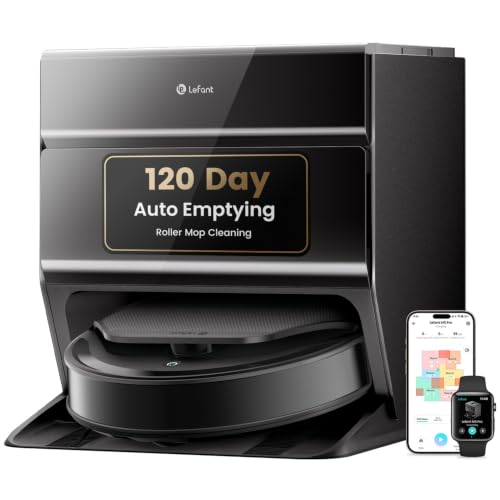
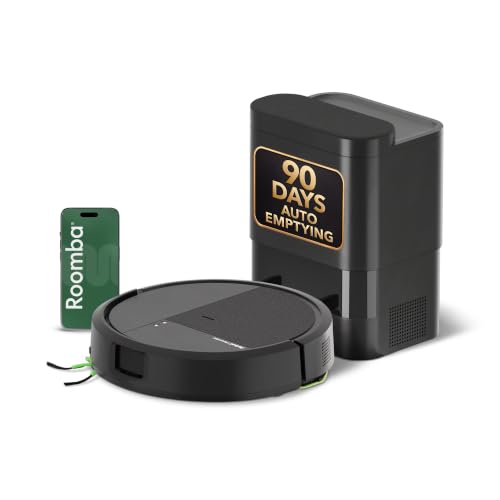
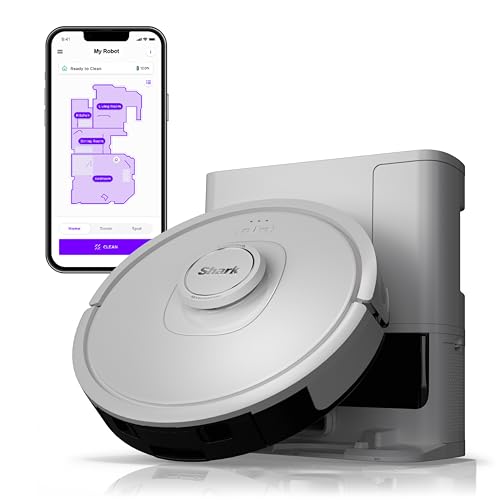
This guide maps out what this budget should buy and where the remaining compromises hide, and the product table near the top lines the main design types up side by side.






Who Should Buy Which Robot Vacuum Under $500?
Busy Households That Want a Hands Off Routine
If your goal is floors that stay clean with a few minutes of your attention per month, aim your budget at a self emptying dock model with laser mapping. The robot empties itself, resumes after charging, and follows a real schedule, so your tasks shrink to swapping a dock bag and wiping sensors. This group gets the most from the band, because the convenience features you are paying for are exactly the ones that remove daily effort.
Mixed Floor Homes With Carpet and Hard Floors
Homes that split between carpeted bedrooms and hard floor living areas benefit from the stronger suction, carpet boost, and smarter brush systems that live at this price. If carpet dominates your floor plan, the deeper carpet guidance in our article on the best carpet robot vacuum will sharpen your shortlist. Mopping combos at this level also start lifting pads over carpet, which removes the old routine of removing the mop before carpet runs.
Pet Owners Ready to Step Up
Owners who struggled with a budget robot filling its bin by Tuesday will feel the difference here: bigger airflow, better rubber extractors, and docks that hold weeks of fur. Obstacle avoidance also improves, steering around bowls and most toys. For a full rundown of fur specific design traits, our guide to the best robot vacuum for pet hair pairs well with this one, since under $500 is where most pet focused features finally combine in one machine.
Key Features to Compare
Laser Mapping and Room Control
At this price, precise mapping should be a given rather than a bonus. Laser systems draw accurate floor plans, support room labels, no go zones, and per room suction and mop settings. Check how many floors of maps the app stores and whether furniture level editing exists, because large and multi room homes use those tools weekly. Mapping quality also drives cleaning speed: an efficient mapped robot can finish in half the time of a wandering one, which stretches battery life across every session in a big home.
Self Emptying Docks and Running Costs
Docks in this band split into bagged and bagless designs. Bagged docks seal debris away and suit dust sensitive owners, at the cost of replacement bags every month or two. Bagless docks use a cyclone chamber you empty by hand, avoiding bag costs but releasing a puff of dust at emptying time. Either style transforms the routine in a shedding or large household. Compare chamber volume in liters rather than marketing weeks, and check bag prices before buying, because cheap docks with costly bags quietly tax you for years.
Mopping Systems That Actually Wash
Mopping separates into three levels here: vibrating pads that scrub in place, dual spinning pads that press and rotate, and basic drag pads that should not be the reason you pay this much. Better systems add pad lifting for carpet, dirty water separation, and dock based pad washing on the top models in the band. Judge mopping by your floors: homes heavy on tile and hardwood gain real value, while mostly carpeted homes should put the money toward suction and dock capacity instead and treat any mop as a light bonus.
Obstacle Avoidance Quality
Avoidance is where under $500 models differ most. Structured light and camera systems recognize cables, shoes, and pet waste with varying success, and better processing means fewer mid clean rescues. No system at any price is flawless, so the honest check is how the robot behaves when it fails: gentle contact and recovery beats a machine that shoves objects across the room. If your floors host charging cables, kids socks, or a puppy in training, weight avoidance heavily in your decision, because it decides whether scheduled runs can truly run unattended.
Battery, Coverage, and Resume
Expect run times around 150 to 180 minutes in standard mode from this band, with recharge and resume standard on mapped models. That combination covers most single floors without your involvement. Still check the fine print on max suction run time if your home is carpet heavy, because a robot that quotes three hours on eco mode may give half that on the boost setting your rugs need. Dock placement also matters at this level: give the robot a clear approach lane so returns and self empty cycles stay reliable.
How the Money Splits Across This Band
From about $250 to $350, you typically get accurate laser mapping, strong suction, and a vacuum only or light mop design, sometimes with a dock included on sale. From about $350 to $500, the extras pile up: self emptying as standard, scrubbing or spinning mop systems, and avoidance that can be trusted around cables. Past this band, flagship money buys auto pad washing and drying, more polished apps, and marginal cleaning gains. Many shoppers find the smart play is choosing which single premium feature matters most and buying the model in band that does it best. Our overview of the best robot vacuum market shows the full ladder, and our guide to the best cheap robot vacuum range marks the floor below this band if you decide to spend less.
Common Mistakes to Avoid
- Paying flagship adjacent prices for a model without a self emptying dock, when a rival in band includes one.
- Choosing the mop system first in a mostly carpeted home, where the money should have gone to suction and brush design.
- Trusting avoidance claims completely and scheduling runs over pet accidents or cable nests that still defeat the sensors.
- Ignoring dock bag and filter prices, which decide the real cost of ownership across three to five years.
- Assuming every model stores multiple floor maps, then discovering a two story home needs the map rebuilt at each level change.
How to Make Your Robot Vacuum Under $500 Last Longer
Protect the systems you paid for. Wipe the laser turret window and avoidance lenses weekly with a dry microfiber cloth, because a dusty lens degrades the mapping that organizes every clean. Service the dock as carefully as the robot: check its suction channel for clogs, seat bags or chambers fully, and keep the dock vents clear of dust. Rotate or replace mop pads before they glaze over, rinse filters only when the maker allows, and keep a spare set of brushes on hand so a worn roller never grinds through weeks of runs while you wait for parts.
FAQ
Can you get a good robot vacuum for under $500?
Yes, and at this level good starts to mean close to complete. You can expect laser mapping, strong carpet and hard floor pickup, app control with room scheduling, and often a self emptying dock. The remaining gaps versus flagships are mostly polish: pad washing docks, slightly smarter avoidance, and premium build feel. For most homes, a well chosen model under $500 delivers ninety percent of the daily result at a much friendlier price.
Is a self emptying dock worth paying for under $500?
For pet homes, large homes, and anyone who wants a weekly rather than daily relationship with the robot, yes. The dock removes the most frequent chore and keeps suction consistent, because a robot that empties itself never grinds through a run with a packed bin. If your space is small and debris is light, the same money might serve you better in a stronger vacuum only model, so weigh your debris volume honestly before choosing.
Do robot vacuums under $500 avoid pet waste?
The better avoidance systems in this band recognize solid pet waste and steer around it most of the time, and some makers back that claim with a replacement promise if the robot fails. Most of the time is the honest limit, though: lighting, waste size, and floor contrast all affect detection. Owners of puppies or elderly dogs should still do a quick floor scan before scheduled runs, treating avoidance as a strong safety net rather than a guarantee.
How long do robot vacuums in this price range last?
Three to five years is typical, and the modular design of this band helps: batteries, brushes, filters, and even wheels are replaceable on most models. Software support matters too, since app and avoidance updates extend useful life. Owners who keep sensors clean, service the dock, and replace the battery when run time sags usually reach the long end of the range, while neglected units fade early through clogged channels and worn rollers rather than motor failure.
Should you choose a mopping combo or a vacuum only model under $500?
Let your floor plan decide. If hard floors cover most of your home and you mop weekly by hand today, a combo with spinning or vibrating pads genuinely replaces much of that work and earns its price. If carpet dominates, a vacuum only model at the same budget usually brings better suction, a bigger dock, or stronger avoidance, and you can add a simple spray mop routine for the small hard floor areas instead.
Final Thoughts
Spend this budget on the system that removes your most frequent chore, whether that is emptying a bin, mopping hard floors, or rescuing a stuck robot. Compare the candidates in the product table above against that priority, and the best robot vacuum under 500 dollars for your home will be easy to spot. Prices and availability can change, so check the product page before ordering.