
Best Robotic Pool Cleaner for Large Pools: How to Choose in 2026
Disclosure: We may earn a commission when you buy through links on this page, at no extra cost to you. As an Amazon Associate I earn from qualifying purchases. Learn more

Size a robotic pool cleaner for a large pool: cable length, cycle time, wall climbing, basket size and navigation, plus electrical safety around water.
A big pool is a joy until cleaning day, when the far end collects leaves faster than you can skim them and the waterline grows a dark ring. Brushing and vacuuming a 40 or 50 foot pool by hand eats an hour you feel every time. Shoppers hunting for the best robotic pool cleaner for large pools want that hour back, but size changes the buying rules: a cleaner that delights owners of small pools can spend its whole cycle lost in one corner of a large one.
Coverage is the theme of this guide: the cable or battery range that reaches the far wall, cycle times long enough to finish the job, baskets big enough for a leaf heavy pool, and navigation that works a plan instead of wandering. The product table near the top shows how current models stack up on those points. If your pool is average size, our general guide to the best robotic pool cleaner range covers the wider field.
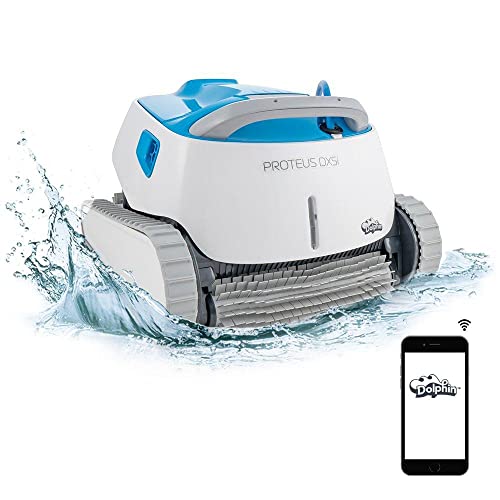

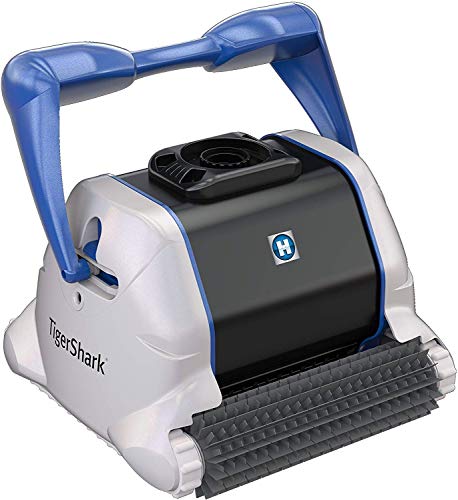

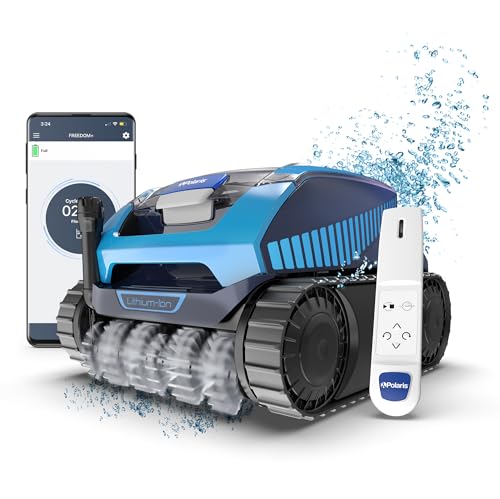

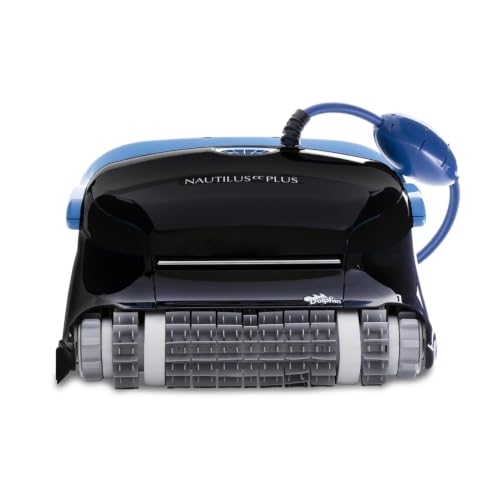
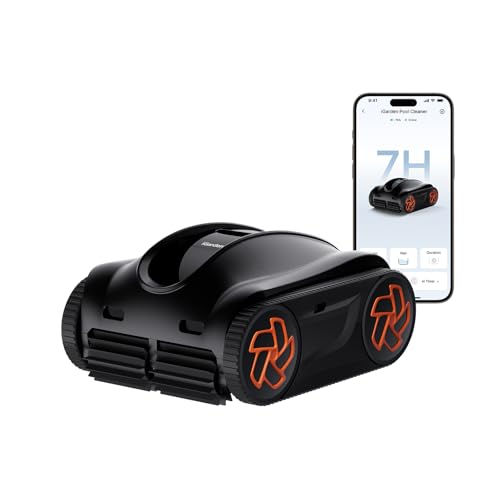
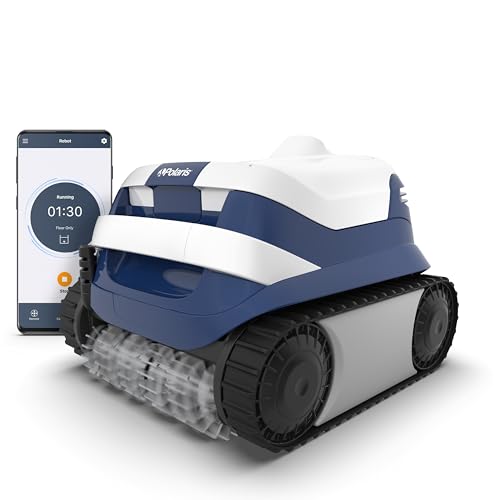
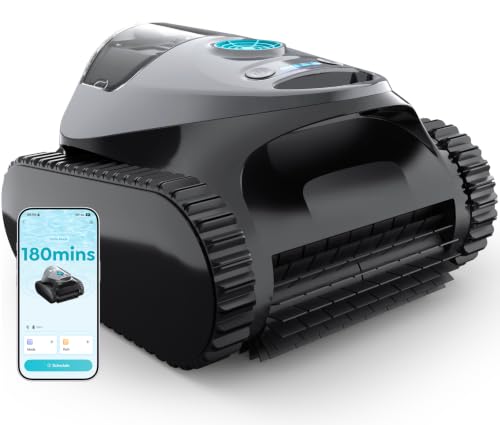
Who Should Buy Which Robotic Pool Cleaner for a Large Pool?
Large pools differ from each other as much as they differ from small ones. Match the cleaner to your pool shape, debris load, and how you like to run it.
Owners of In Ground Pools Around 40 to 60 Feet Long
Your cleaner must physically reach every wall, which means a cable comfortably longer than the pool or a battery model rated for the full runtime your pool needs. Length is not enough on its own: you want a cycle of about two and a half to three hours, wall climbing for the full height, and enough pump flow to hold the cleaner against the wall at the deep end. Free form shapes with curves and shelves ask for navigation that maps or systematically scans rather than bouncing at random.
Pools Under Heavy Leaf and Debris Load
A large pool under trees collects debris in proportion to its surface, so basket capacity and filter access decide whether the robot finishes or clogs halfway. Choose a large top loading basket you can lift out and hose off in seconds, and consider models with both fine and coarse filter options so spring cleanup and daily dust use different media. Suction opening size matters too: cleaners with wide mouths swallow acorns and twigs that jam smaller intakes and stop the cycle early.
Owners Who Want Scheduled, Hands Off Cleaning
If the appeal is a pool that stays clean between swims, look for a weekly timer or app scheduling, a caddy for quick trips to the water, and a cleaner light enough to lift out dripping without a struggle, since you will do it often. Automation only works if starting a cycle is effortless. Models that remember settings and restart after power cuts suit pools that run on a rhythm, while app control suits owners who start cycles from work before a weekend swim.
Key Features to Compare
Small pool specs get stretched hard by large pools. These five factors decide whether a cleaner truly covers your water.
Cable Length and Tangle Control
For corded models, the cable must exceed your pool length plus the distance from the power supply to the water edge, with slack for the deep end dive. Pools around 50 feet typically need cables in the 60 to 75 foot range. A swivel joint in the cable prevents the twisting that slowly shortens reach and tangles the cleaner in its own line; without one, you will periodically haul the whole cable out and untwist it by hand. Route the power supply to a shaded spot several feet from the edge, following the distance the manual specifies, and never let the supply unit sit where it can be pulled into the water.
Cycle Time and Smart Navigation
A large pool needs both time and a plan. Standard cycles run about two to three hours; models aimed at big pools add longer or repeat cycles and floor only or full coverage modes. Navigation is what separates coverage from wandering: systematic scanning and gyroscopic or mapping based systems sweep the floor in lanes and revisit missed strips, while random pattern cleaners rely on luck and runtime, which runs out exactly when the pool is big. If your pool has a beach entry, tanning ledge, or in floor steps, check that the cleaner can climb onto shallow features or be set to a floor pattern that handles them gracefully.
Wall Climbing and Waterline Scrubbing
On a large pool, the waterline is a long perimeter, and scrubbing it by hand is the chore owners hate most. Strong climbing models grip plaster, tile, and fiberglass, rise to the waterline, and scrub sideways along it with an active brush. Grip depends on brush material and pump flow; foam rollers tend to hold better on slick tile, while bristle brushes suit rougher plaster. Check the stated surface limits, because some cleaners climb vinyl poorly or skip the waterline on fiberglass. A model that cleans floor only leaves you the ring and the brush, which defeats the purpose at this pool size.
Basket Size and Filtration
Basket volume is the quiet spec that decides real world success in a leafy yard. Large pools fill small baskets before the cycle ends, and a packed basket strangles flow so the cleaner crawls and skips dirt. Oversized top loading baskets with fine mesh options handle both bulk leaves and the silt that clouds water after storms. Cartridge systems filter finer but clog faster and take longer to rinse. Whichever you choose, emptying should be a one minute job at the hose, because a cleaner that is annoying to empty gets emptied late, and its performance quietly suffers.
Handling, Caddy, and Power Supply
You lift this machine, dripping and heavy with water, at the end of every cycle. Weight out of the water, handle design, and a rapid drain all decide whether that lift is routine or a back strain. A caddy keeps the cleaner, cable, and power supply together, protects the brushes from being crushed in storage, and makes the trip from garage to pool a single roll. The power supply deserves respect: it belongs on dry ground away from the edge, plugged into a GFCI protected outlet, and it should never be handled with wet hands while the cleaner runs.
Sizing a Cleaner to a Large Pool: Length, Shape, and Obstacles
Measure before you shop. Note the longest diagonal of the pool, not just the length, because the cleaner must reach the far corners from wherever the cable enters. Add the setback of the power supply and you have your minimum cable figure. Shape matters next: rectangular pools suit almost any navigation system, while kidney and free form pools reward scanners and punish random roamers, which beach themselves on curves. Ladders, raised spas, and swim outs create shadow zones where debris settles; a cleaner with a thorough floor pattern plus your occasional hand brush at those spots beats an expensive model that still cannot reach behind a ladder. Large above ground pools are a different case entirely, with softer walls and smaller pumps, and the models in our guide to the best above ground robotic pool cleaner designs are built for them. If you are weighing battery freedom against cable reach at this size, our guide to the best cordless robotic pool cleaner options explains the runtime trade honestly, and owners of elevated pools should also read the dedicated advice on the best robotic pool cleaner for above ground pools before spending.
Common Mistakes to Avoid
- Buying by pool gallon claims alone, which ignore shape, so the cleaner cannot reach the far corners of a long or L shaped pool.
- Leaving the cleaner in the water for days between cycles, which ages seals, brushes, and cable insulation in treated water.
- Swimming while the robot runs, which risks entanglement with the cable and is against every maker safety guidance.
- Running the cleaner right after shocking the pool, when high chemical levels attack rubber parts and irritate anyone who handles it.
- Yanking the cleaner out by its cable, which strains the connection and slowly destroys the most expensive part.
- Storing the unit in direct sun on hot decking, which warps brushes and bakes the power supply.
How to Make Your Robotic Pool Cleaner Last Longer
Rinse the basket or cartridges after every cycle and let them dry out of the machine so algae does not colonize the mesh. Lift the cleaner out by its handle once it drains, coil the cable in large loose loops on the caddy, and store the whole unit shaded and dry. Every few weeks, check the brushes for wear, clear string and hair from the impeller area, and inspect the cable for nicks. Run the cleaner in balanced water: chronically low pH and heavy chlorine shorten the life of every rubber and plastic part. During winter, clean and dry the unit thoroughly, store it indoors, and keep the power supply with it so spring startup is one trip. Electrical safety is part of care too: keep the power supply on dry ground at the distance the manual requires, plug it into a GFCI outlet, dry your hands before touching plugs, and always remove the cleaner and unplug it before anyone swims.
FAQ
What should I look for in a robotic pool cleaner for large pools?
Start with reach: cable length or battery runtime that covers your longest diagonal with slack. Then check cycle length, systematic navigation, waterline scrubbing, and a basket sized for your debris. Finally, weigh the wet lift and caddy, because you repeat that chore every cycle. A cleaner that scores well on coverage but is miserable to handle gets used less, and an unused robot cleans nothing.
Is a robotic pool cleaner worth it for a large pool?
For most large pool owners, yes. The bigger the pool, the more hand vacuuming and brushing it demands, and the more a robot saves in weekly effort. It also runs your filtration more evenly by stirring fine debris up to the skimmer between pump cycles. The math weakens for small pools cleaned in fifteen minutes by hand, but at 40 feet and beyond the robot usually pays for itself in time within a couple of seasons.
How do you clean a robotic pool cleaner filter basket?
Lift the basket out as soon as the cycle ends, dump the bulk debris into the trash, then hose the mesh from the outside in so trapped silt flushes out instead of embedding deeper. Let it air dry fully before the next run. Every month or so, soak cartridges or fine mesh in a filter cleaning solution to strip oils and sunscreen film that plain water leaves behind, because that film is what slowly chokes flow.
Can a robotic pool cleaner climb walls in a large pool?
Most full size models can, provided the surface and brush type match. The cleaner needs enough pump flow to hold itself against the wall and brushes that grip your finish: foam rollers on slick tile and fiberglass, bristles on rough plaster. Very rounded wall to floor transitions and slippery algae films defeat climbing, so a quick brush of a slimy wall restores grip. Check the maker surface ratings rather than assuming every wall is fair game.
How long does a robotic pool cleaner last?
Expect about five to seven years of regular use, with brushes, tracks or wheels, and filter media replaced along the way as wear items. The motor and power supply usually outlast the moving parts. Life shortens fast when the unit lives in the water full time, bakes in the sun, or runs in unbalanced water. Owners who store it dry and shaded between cycles and service the wear parts on schedule reach the long end of that range.
Final Thoughts
Let the product table above narrow the field, then measure your pool before you commit: diagonal length, shape, debris load, and surface type decide far more than brand badges do. A cleaner with honest reach, a long systematic cycle, and a basket you can empty in a minute will quietly keep a big pool swim ready. Picked on coverage rather than gadget count, the best robotic pool cleaner for large pools turns the largest chore in pool ownership into a button you press.


