
Best Ryobi Pressure Washers in 2026: A Home Cleaning Guide
Disclosure: We may earn a commission when you buy through links on this page, at no extra cost to you. As an Amazon Associate I earn from qualifying purchases. Learn more

Pick the best ryobi pressure washer for your patio, siding and driveway by comparing power, class, nozzles and upkeep.
Ryobi sells one of the widest pressure washer lineups on the home market, and that range is exactly what makes choosing hard. A compact electric unit that refreshes a small patio and a gas machine built for a stained concrete driveway wear the same green color, yet they solve very different problems. This guide to the best ryobi pressure washer options skips model by model scoring and instead shows you how to match the lineup to your surfaces, your messes, and the storage space you actually have.
Below, you will find the shopper groups the lineup serves, the specs that separate one class from another, and the upkeep that keeps any of these machines spraying at full strength season after season. The product table below lists current models, and our broader guide to the best pressure washer range explains how this brand sits inside the wider market.
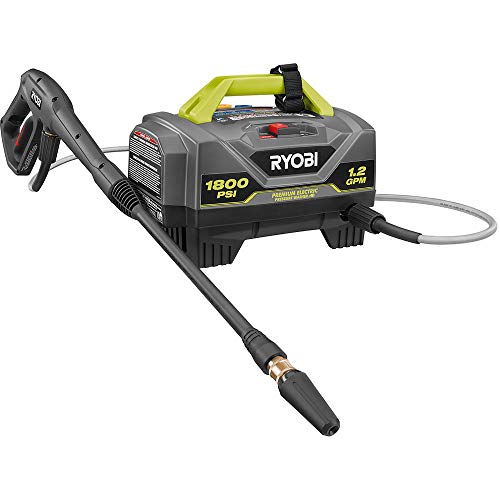

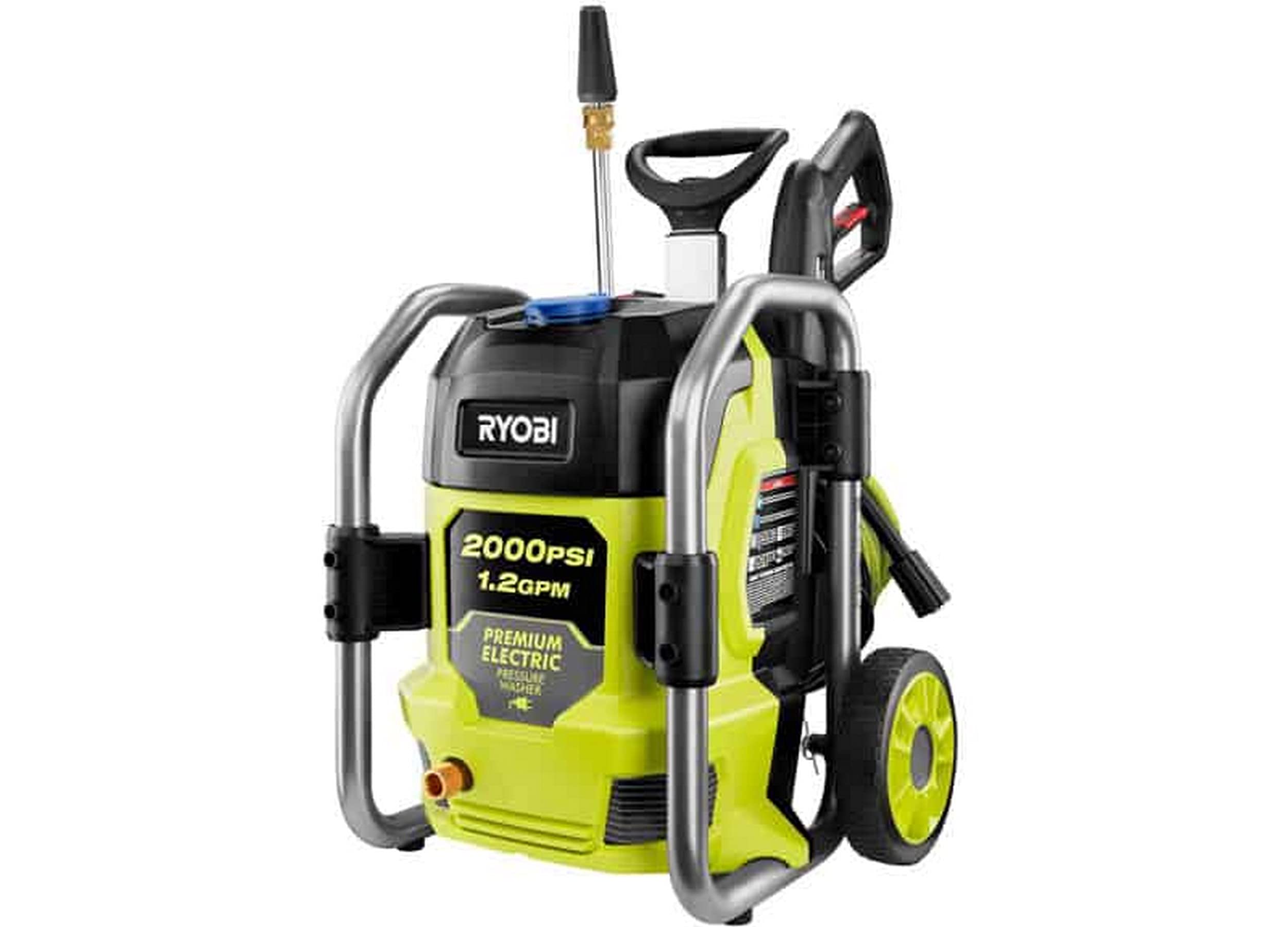
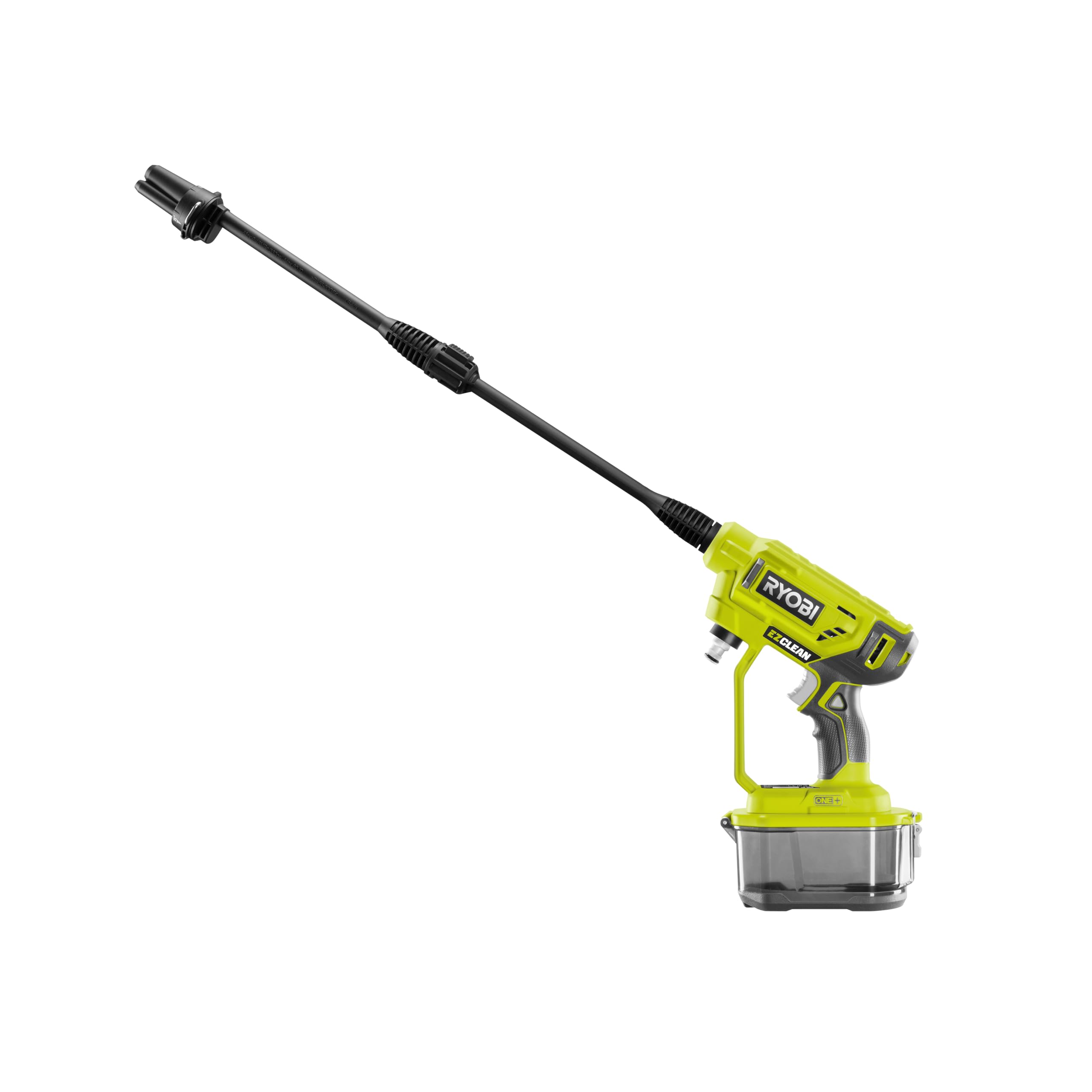
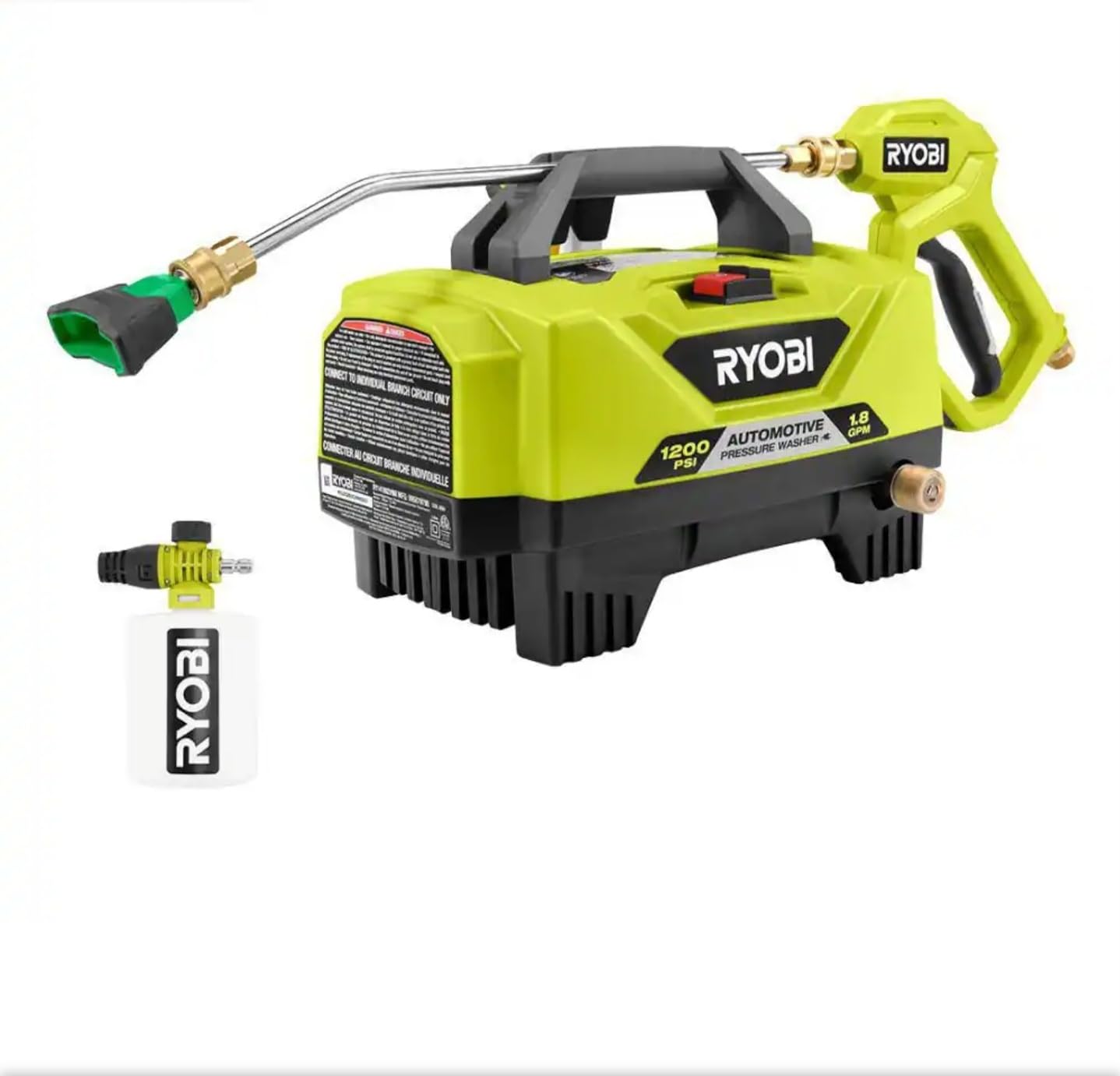
Who Should Buy Which Ryobi Pressure Washer?
Condo and Townhouse Owners With Small Outdoor Spaces
If your cleaning list is a balcony slab, a short walkway, patio furniture, and a grill, a compact electric model in the lower power band is the sensible match. These units store on a shelf, run quietly enough for close neighbors, and start with a trigger pull rather than a choke and cord routine. You give up the force needed for large stained concrete, but you gain a machine you will actually pull out for ten minute jobs instead of postponing them.
Suburban Homeowners With Driveways, Decks, and Siding
A mid range electric model suits the classic weekend list: a two car driveway, vinyl siding with green algae at the base, a wood or composite deck, and fences. This class offers enough pressure for surface cleaner attachments, which cut driveway cleaning time dramatically, while still plugging into a normal outdoor outlet. Shoppers comparing this class against other brands built for the same chores will find the dedicated guide to the best pressure washer for home use helpful for weighing cord length, hose length, and noise before deciding.
Owners of Large Properties and Heavy Grime
Long driveways, brick with years of mildew, and paint preparation push you toward the gas powered end of the lineup or the strongest electric models. Gas machines free you from outlet distance and deliver the flow that strips weathered wood and cleans wide concrete in fewer passes. The trade offs are real: engine upkeep, fuel storage, more noise, and a heavier frame. Choose this class because your surfaces demand it, not because bigger numbers look better on a box.
Key Features to Compare
PSI, GPM, and Cleaning Units
Pressure in PSI tells you how hard the spray hits, and flow in GPM tells you how much water rinses the loosened dirt away. Multiply the two and you get cleaning units, the fairest single number for comparing models across the lineup. A low PSI machine with generous flow can outclean a high PSI trickle on siding, because rinsing volume does most of the work there. Concrete with oil spots wants pressure first. Match the balance to your worst regular mess, and remember that technique matters as much as numbers: keeping the nozzle moving and at a steady distance prevents the etched stripes that too much pressure leaves on wood and soft concrete.
Electric, Gas, and Cordless Power Classes
Electric models dominate the Ryobi home range and split into compact units for light duty and stronger units that rival entry gas machines. They need no fuel or oil, start instantly, and can pause silently between passes. Gas models answer with higher sustained output and total freedom from cords, at the cost of pull starting, engine maintenance, and exhaust you cannot use in enclosed spaces. The cordless corner of the lineup trades raw force for grab and go convenience on boats, bikes, and small patios. Our guide to the best cordless pressure washer designs explains where battery models make sense and where they disappoint, which helps if you are torn between a small cordless unit and a compact corded one.
Nozzles and Spray Patterns
Most models include a set of color coded tips, and the fan angle matters more than the count in the box. A wide 40 degree fan handles siding and screens, a 25 degree fan does general concrete work, a 15 degree tip concentrates force for stubborn spots, and a soap tip drops pressure so detergent can dwell. A turbo nozzle spins a zero degree jet into a cone that strips grime fast but can scar wood, so test it on a hidden corner first. Check how the tips store: onboard holders keep small brass pieces out of the garden soil, where they vanish forever.
Detergent Tanks and Soap Application
An onboard tank or a siphon tube decides how easily you can apply detergent, and detergent does the quiet work on algae, mildew, and road film that plain water struggles with. Larger tanks suit whole house siding jobs, while a simple siphon hose works for a single vehicle. Only use detergent labeled for pressure washers, since household cleaners can damage pump seals. Weekly vehicle washers should also read the guide to the best pressure washer for cars, because car paint wants low pressure and a gentle fan rather than a driveway setup.
Hose Length, Cord Length, and Reach
Reach decides how often you stop to move the machine, and moving the machine is where most cleaning time quietly goes. A longer, flexible hose that resists kinking lets you park the unit once and work a whole driveway, while a short stiff hose drags the unit behind you and tangles around tires and chair legs. On electric models, the power cord counts too: outlet distance plus hose length is your true working radius. Measure to your farthest regular job, then buy the class whose combined reach covers it with slack to spare.
Wheels, Handles, and Storage Footprint
Two machines with identical cleaning numbers can feel completely different in a crowded garage. Larger wheels roll over garden hoses and cracked concrete without tipping, a tall handle saves your back on slopes, and a frame that wraps the hose and cord neatly keeps the unit tidy. Compact electric models may hang on a wall hook; gas models need floor space away from the house. Measure your storage corner before you buy, because a machine that is annoying to store becomes a machine you stop using.
Matching Pressure to the Mess Around Your Home
Start every job at the lowest effective pressure and work up. Vinyl siding, screens, and outdoor fabrics clean well with a wide fan and detergent doing the heavy lifting. Wood decks split under a narrow jet held too close, so keep the fan moving and hold a consistent distance. Concrete tolerates more force, but older concrete can chip, and the spray can drive water under siding edges if you aim upward. Work from the top down on walls, and rinse detergent before it dries.
Safety deserves the same attention as technique. Plug electric models into a GFCI protected outlet and keep connections dry. Never aim the spray at skin, even through clothing: a pressure washer jet can break skin and drive water and dirt into the wound, an injury that needs prompt medical care rather than a bandage. Wear closed toe shoes and eye protection, keep children and pets inside while you work, and lock the trigger before changing tips.
What the Price Bands Generally Include
At around $100 and below, expect compact electric machines for light duty: patios, furniture, bikes, and vehicle rinsing with modest flow and short hoses. The band from about $150 to $300 covers the heart of the home lineup, with stronger electric models, better hoses, turbo nozzles, and surface cleaner compatibility. Gas models and the most powerful electrics sit above that range, adding flow and sturdier frames. Running costs stay modest on electrics, mostly replacement tips and pump protector fluid, while gas adds fuel, oil, and engine service.
Common Mistakes to Avoid
- Buying the highest PSI in the lineup for delicate jobs, then etching lines into a wood deck that no amount of sanding fully hides.
- Skipping the GFCI outlet with an electric model, which removes the protection designed to cut power if current leaks through water.
- Letting detergent dry on siding or glass, which leaves streaks and spots that take a second full wash to remove.
- Storing the machine in a freezing garage with water still in the pump, so ice expands and cracks seals and housings.
- Using a zero degree tip for general cleaning, which concentrates the full force into a pencil jet that scars wood, strips paint, and can injure skin.
- Coiling a kink prone hose tightly after every use, which trains permanent bends that cut flow and make the next job a fight.
How to Make Your Ryobi Pressure Washer Last Longer
Rinse the detergent path with clean water after any soap use so residue does not gum up the injector. Clean the inlet filter screen whenever flow drops, and clear blocked nozzle tips with the provided pin rather than wire, which can enlarge the opening. Before freezing weather, run pump protector or follow the manual's winterizing steps: drain the pump and hoses and store the unit indoors if you can. Gas models need stabilized fuel for storage, an oil check each season, and a clean air filter. Roll hoses in wide loops and store tips in their holders.
FAQ
How long does a Ryobi pressure washer usually last?
A home electric model used a few weekends a month commonly serves five to eight years, and gas models often run longer when the engine gets basic care. The pump is usually the limiting part, and its two main enemies are freezing with water inside and running dry. Winterize every year and keep water flowing whenever the motor runs.
Is a Ryobi pressure washer worth it for a small home?
For a small home, the compact electric class earns its shelf space if you have a patio, walkway, or siding that needs attention a few times a year. Renting twice a year can cost close to the purchase price of a compact unit, and owning one means the grill, bikes, and entry steps get cleaned when they need it. Skip it only if you truly have no hard outdoor surfaces to maintain.
How do you clean a pressure washer itself?
Cleaning the machine means flushing the detergent line with plain water, rinsing the inlet filter, wiping grime off the frame, and checking the nozzle tips for mineral buildup. Work through that short routine at the end of each big job and once more before winter storage, so the machine starts the next season ready.
Is Ryobi a good pressure washer brand for beginners?
Ryobi suits beginners mainly because the lineup is wide and the controls stay simple across it, so a first machine and a later upgrade feel familiar. Electric models remove the fuel and choke learning curve entirely. The honest limits are that the very cheapest units have short hoses and modest flow, which beginners feel as extra machine moving. Spending a little more for reach and a turbo nozzle usually matters more to a new owner than raw pressure numbers.
Can a Ryobi pressure washer strip paint and clean a deck in the same weekend?
Yes, but treat them as two different techniques rather than one setting. Paint stripping wants a narrower fan, patience, and care around glass and trim, and it should only be done on paint you are sure is not lead based, since older home paint can contain lead and the spray turns it into contaminated runoff and chips. Deck cleaning wants a wide fan and steady distance to avoid furring the wood. Lead paint suspicion means stopping and following local guidance for safe removal instead of blasting.
Final Thoughts
The product table above lines the classes up side by side, so use it to confirm reach, power source, and included nozzles once you know your class. Choosing the best ryobi pressure washer is really about an honest inventory of your surfaces: count the square feet of concrete, note the distance from your outlet, and be realistic about storage. Match those three facts to the lineup and the right machine tends to pick itself. Prices and availability can change, so check the product page before ordering.


