
Best Shop Vac for Water in 2026: A Wet Pickup Buying Guide
Disclosure: We may earn a commission when you buy through links on this page, at no extra cost to you. As an Amazon Associate I earn from qualifying purchases. Learn more

Choose the best shop vac for water with a reliable float shutoff, drain options, wet rated filters and GFCI safe habits for leaks, spills and floods.
Water shows up uninvited: a water heater weeps across the garage floor, a washing machine hose lets go, a basement corner floods after a storm, or a child fills the bathroom sink past the rim. Buckets and towels lose that fight slowly. The best shop vac for water is the machine that pulls standing water up fast, holds it without leaking and drains without a wrestling match, so a bad hour does not turn into damaged floors.
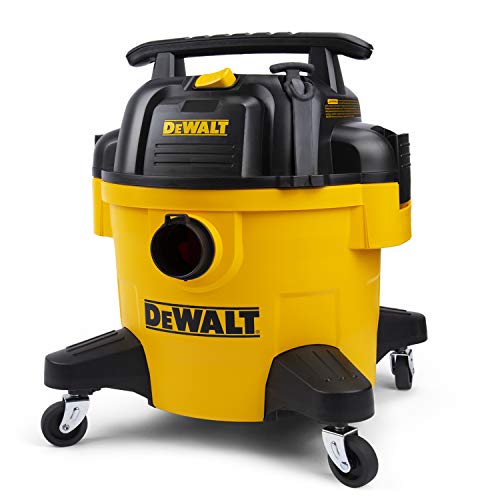
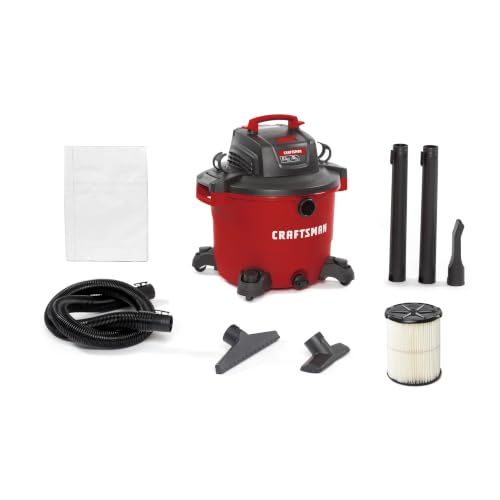
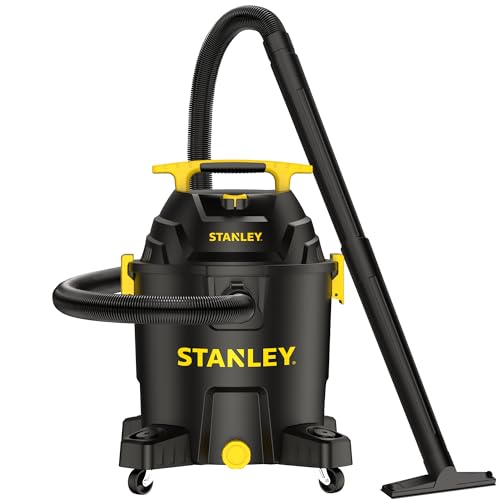
This guide focuses on the wet side of wet dry vacuums: float shutoffs, drainage, wet rated filtration and the safety habits that matter when electricity and water share a room. The product table below lists current models so you can compare them before reading the wet features in detail.



Who Should Buy Which Shop Vac for Water?
Homeowners with a basement or laundry room that has flooded before
If water has already visited once, it will visit again, and you want a mid to large tank with a drain port so you can empty 10 or more gallons without lifting the machine. A pump out feature, offered on some larger models, sends water through a garden hose to a drain and turns a long job into supervision. This group should also value a long hose, because the vac often cannot sit in the puddle it is cleaning.
Renters and apartment dwellers handling small appliance leaks
For a dishwasher drip or an air conditioner drain overflow, a compact vac you can store in a closet is the right scale. You will move a few gallons at a time and carry the tank to a tub or sink to empty, so light weight and a comfortable handle beat raw capacity. Choose a model whose float shutoff is known to be decisive, because small tanks fill during a leak cleanup faster than you expect.
DIY plumbers and renovators who make water messes on purpose
Draining a toilet tank, emptying a water heater sediment flush or catching a pipe cut spill is planned wet work, and it rewards a vac with a wide hose that will not clog on grit and a tank that rinses clean in seconds. You will also appreciate a blower port for clearing lines and drying surfaces afterward. This group abuses machines, so a sturdy latch system and replaceable filters matter more than styling.
Key Features to Compare
Float shutoff and motor protection
Inside every shop vac, a float rises with the water level and cuts suction before liquid can reach the motor. For water duty this part is the whole ballgame: a float that sticks or reacts slowly lets water into the motor housing, which corrodes parts and can kill the machine in one job. Check that the float cage is easy to inspect and clean, since dried debris and string are what make floats stick. When suction tone suddenly rises and pickup stops during a wet job, the float has done its work; empty the tank rather than pushing on.
Tank size, drain ports and pump out options
Water is heavy, about 8 pounds per gallon, so tank strategy matters more than the number on the box. Tanks in the 5 to 12 gallon range suit most home flooding, and anything you must carry full should stay at the smaller end. A bottom drain port lets you empty by gravity into a floor drain or a low hose run, which your back will thank you for. Pump equipped models move water continuously through a hose, ideal for basements without a nearby drain, but they add cost and parts that need their own rinsing after dirty water duty.
Wet filtration setup
For liquids, the paper dry filter comes out or gets protected, and a foam sleeve guards the float cage and motor intake from spray and debris. Some machines add a wet rated cartridge that can stay in place, which simplifies changeovers when a job mixes water and grit, as garage floods always do. Whatever the setup, learn it before the emergency: the time to discover which filter you own is not while water spreads across the floor. After wet work, rinse the sleeve and let every part dry fully before dry vacuuming resumes.
Hose diameter and pickup tools for water
A wider hose, around 2 to 2.5 inches, moves water and mixed debris quickly and resists clogging on the grit that travels with flood water. A squeegee style floor nozzle is the tool that makes standing water pickup efficient on concrete and tile, pulling a clean path instead of chasing puddles with a round nozzle. For shallow water under appliances, a low profile utility nozzle or a crevice tool reaches where the main head cannot. Check that the hose cuffs seal tightly, because air leaks at the cuff show up immediately as weak water lift.
Tank construction, seals and leak control
A water vac lives a wet life, so the tank and lid seal decide whether your stored machine stays clean. Poly tanks resist the dents and rust that plague thin metal ones in damp basements. The lid should latch at several points and compress its gasket evenly; a warped seal drips dirty water down the tank side every time you carry it. Wheels or casters that roll on wet concrete without seizing, and a handle placed over the center of weight, complete the picture for a machine that often moves while full.
Electrical safety around water
Wet vacuuming mixes a motor, a cord and standing water, so habits matter as much as hardware. Plug into a GFCI protected outlet every time, keep the plug and cord out of the water, and never reach for the machine or the outlet with wet hands. Wear shoes with dry soles, and stop and unplug before opening the lid or clearing a clog. Never use any shop vac to pick up gasoline, solvents or other flammable liquids, because motor sparks can ignite the vapors. If flood water may be contaminated, as with sewage, treat the cleanup as a job for protective gear and thorough disinfection afterward.
How Much Shop Vac Do Water Jobs Really Need?
Size follows the water you expect. Occasional appliance leaks are a compact vac job; recurring basement water argues for a larger tank with a drain or pump. Our wider guide to the best shop vac sets out the full size range if you are choosing one machine for dry and wet duty together. Tight storage points to the best small shop vac designs, many of which still handle a few gallons of water well. The same machine usually details the car on dry days, and the best shop vac for car detailing guide shows which tool sets serve both roles, while the best cordless shop vac options trade capacity for grab and go convenience on small spills.
For corded models with credible wet features, expect about $70 to $150 in the mid sizes, with pump equipped and large tank versions reaching about $150 to $250. The cheapest machines often skimp on the float mechanism and lid seal, which are precisely the parts water punishes. If budget forces a choice, protect the wet essentials first: float, seal, drain and a foam sleeve in the box.
Common Mistakes to Avoid
- Leaving the paper dry filter in during water pickup, which destroys the filter and can pull wet debris toward the motor.
- Ignoring the float shutoff and forcing the machine to keep running, which lets water reach the motor and shortens its life sharply.
- Carrying an overfilled tank by the hose or lid handle alone, which spills dirty water and can crack the latch points.
- Plugging into a non GFCI outlet in a wet area, which removes the protection designed to cut power if current leaks.
- Storing the vac sealed right after a flood job, which grows mildew and rust inside a closed damp tank.
- Vacuuming up flammable liquids or using the vac on a fuel spill, which risks ignition from the motor and is never safe.
How to Make Your Shop Vac Last Longer on Water Duty
The routine after a wet job decides the machine lifespan. Empty the tank immediately, rinse it and the hose with clean water, and wash the foam sleeve so grit does not dry into the mesh. Leave the lid off and the tank open until everything is fully dry, ideally overnight in moving air, before you close it up. Inspect the float for free movement every time, and clear string or debris from its cage. Wipe the lid gasket clean so grit does not chew the seal, and check the cord and plug for damage after working in wet areas. If the water was dirty or possibly contaminated, disinfect the tank and tools, dry them well, and wash your hands and any gloves after handling the parts.
FAQ
Can a shop vac remove standing water from a flooded basement?
Yes, that is one of its core jobs, and a squeegee nozzle on a mid or large tank clears shallow flooding efficiently. Work from the shallow edge inward, empty or drain the tank as the float demands, and keep the outlet and plug dry and GFCI protected. For deep or fast rising water, or water that may involve sewage or electrical hazards in the room, stop and call a professional water removal service instead, because those conditions exceed what home equipment and habits can handle safely.
Do you need to remove the filter to vacuum water?
On most models the paper dry filter must come out for liquid pickup, leaving the foam sleeve as protection, though some machines use a wet rated filter that can stay in place. The manual for your machine is the authority, because setups differ. What never changes: a clogged or waterlogged paper filter must be replaced before dry work, and every wet part should dry fully before the next job to prevent mildew and odor.
How do you know when a shop vac tank is full of water?
The float tells you: suction stops and the motor tone climbs to a higher pitch when the water reaches the shutoff level. Treat that change in sound as the signal to switch off and empty, not as a suggestion. Pushing past it can draw water into the motor. On long jobs, emptying a little early keeps the work smooth, especially when you are carrying the tank to a drain rather than using a drain port.
Can a shop vac pick up water from a carpet?
It can pull surface water and a good share of what sits in the pile, which helps after a spill or a small leak, but it will not extract a soaked carpet and pad the way a dedicated extractor does. For a meaningful flood on carpet, the pad underneath usually needs professional attention or removal, because trapped moisture grows mold quickly. Use the shop vac to remove all the water you can, then run fans and a dehumidifier, and check for odor over the following days.
What size shop vac is best for home water emergencies?
Most homes are well served by the 6 to 12 gallon range: large enough to matter in a real leak, still manageable when full, especially with a drain port. Smaller homes with only appliance leaks to fear can stay compact. The real decider is how the tank empties, because a full large tank without a drain is a lifting injury waiting to happen, while the same tank with a drain or pump is an easy one person job.
Final Thoughts
Buy for the water you have actually met: a decisive float, a seal that does not drip, a tank you can empty without hurting yourself and the discipline to plug into GFCI protection every time. Set the candidates in the product table above against those wet essentials, and the best shop vac for water for your home will be ready on the worst plumbing day of the year, not just on the day you bought it.


