
Best Simpson Pressure Washer for 2026: Gas Classes, Pumps and Frames Explained
Disclosure: We may earn a commission when you buy through links on this page, at no extra cost to you. As an Amazon Associate I earn from qualifying purchases. Learn more

Simpson pressure washers lean gas powered, with pro style pumps and steel frames. Compare engines, pump types and classes for your workload and space.
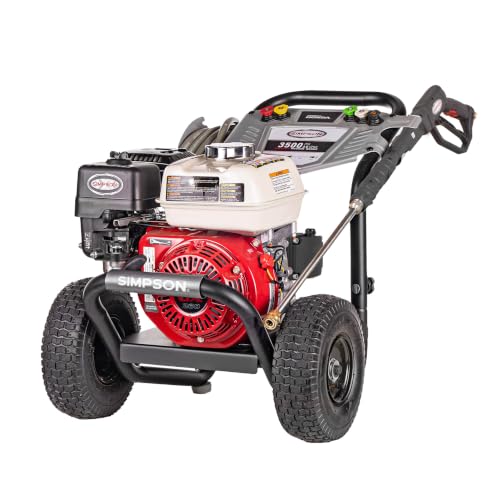
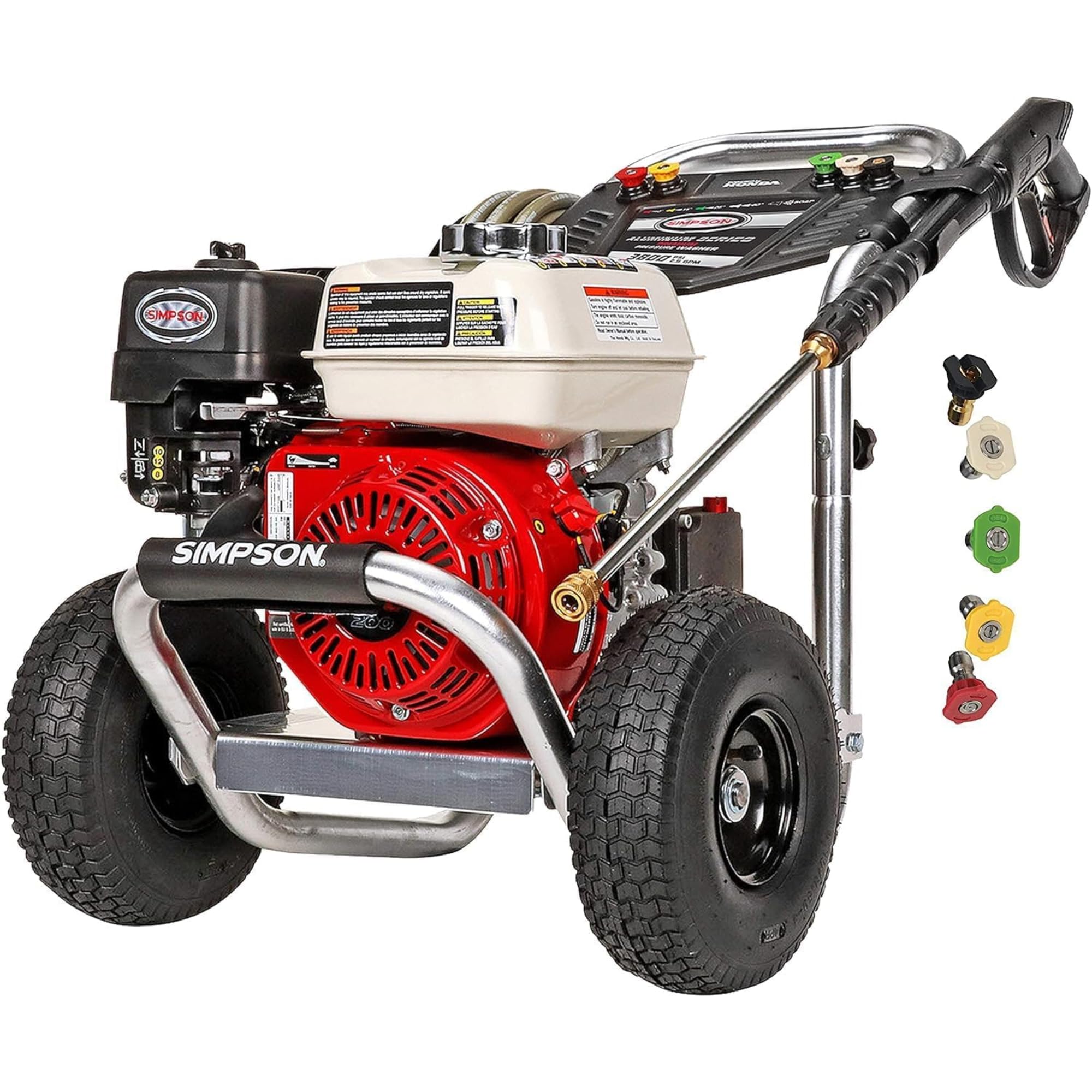
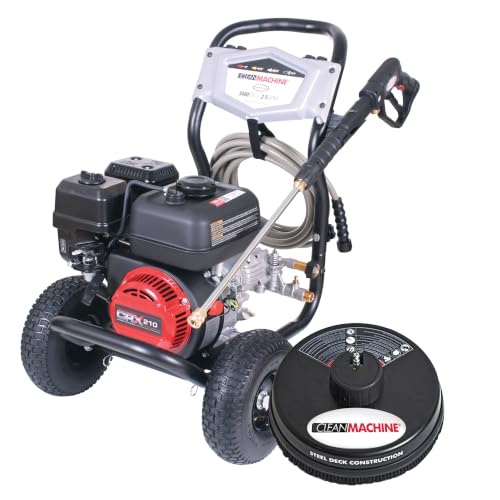
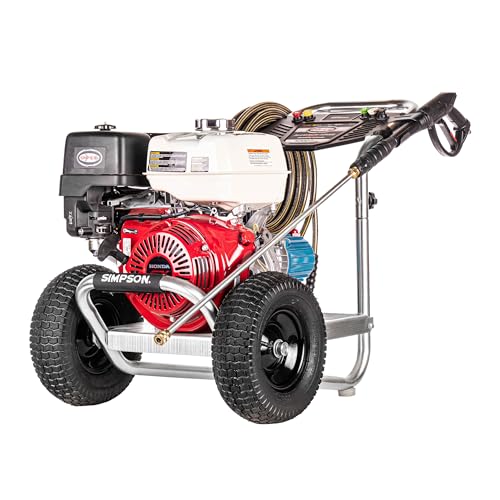
Some cleaning jobs laugh at a household electric machine: a long farm driveway filmed with clay, a boat hull after a season in the water, equipment caked in field dirt. This brand built its name on exactly that end of the work, with gas powered machines, serviceable pumps, and steel frames meant to be repaired rather than replaced, so choosing the best simpson pressure washer is about matching a heavy lineup to a workload that justifies it.
This guide sorts the range into its homeowner and professional leaning classes, explains the pump and engine choices that define them, and covers the ownership duties gas power brings. The product table below lists current models so you can see where your property lands.


Who Should Buy Which Simpson Pressure Washer?
Owners of Large Concrete and Long Driveways
Gas flow rates change the math on big surfaces, because higher GPM rinses a wide swath per pass instead of creeping along a narrow line. If your property includes a long driveway, a big patio, or a barn slab, the homeowner gas class in this lineup cuts hours off the seasonal wash. The machines are heavier and louder than electric units, and that trade only pays when the surface area is genuinely large.
Farm, Fleet and Equipment Washers
Tractors, trailers, mowers, and work trucks carry packed mud and grease that need both pressure and flow, plus detergent that can cut oily film. The stronger classes here, with triplex pumps and engines from established small engine makers, suit that rhythm of weekly heavy use. Buyers at this level should value rebuildable pumps over headline pressure, because a pump you can reseal beats a sealed unit you replace.
Pros and Serious Side Hustlers
People washing for paying customers, even part time, need duty cycle above all: machines that run most of a day without fading. The professional leaning end of this brand, with belt driven or heavy triplex pumps and commercial engines, is built for that pattern. Homeowners tempted by this class for prestige should weigh the upkeep honestly, since pro machines ask for oil discipline, valve checks, and winter care that casual owners often skip.
Key Features to Compare
Engines and the Service Network Behind Them
Gas classes in this lineup pair the frames with engines from recognized small engine manufacturers, and that choice decides your ownership experience more than any spec. An engine with a local dealer network means carburetor parts, filters, and cables are a short drive away for a decade. Check the engine family on the class you are eyeing, its oil change routine, and whether it uses a standard recoil start. Ethanol free fuel or a stabilizer habit matters, because stored gasoline is the top cause of hard starting across every gas brand.
Pump Types: Axial Cam Versus Triplex
The homeowner gas classes commonly run axial cam pumps, which are compact and adequate for regular home duty. The stronger classes move to triplex plunger pumps, the professional standard, which run smoother, last far longer, and can be rebuilt with seal and valve kits instead of being scrapped. Triplex pumps also hold pressure more evenly, which you feel as a steadier jet on long passes. If you plan to keep the machine for many years or run it weekly, the pump type is the single most important line on the spec sheet.
Pressure and Flow at Working Levels
This lineup lives at numbers electric machines cannot reach, roughly 3000 to 3400 PSI with about 2.3 to 2.5 GPM in the popular homeowner gas class, and higher on both counts in the pro classes. The flow figure deserves your attention, because it is what sweeps loosened clay and grit off a slab instead of just wetting it. Cleaning units, pressure times flow, give the fair comparison between classes. More is not automatically better for home use, though, since excess pressure punishes wood, screens, and vehicle finishes.
Frames, Wheels and Hose Quality
Steel tube frames and large pneumatic or solid wheels define the brand's build, and they matter when a machine crosses gravel, grass, and shop floors weekly. A frame that flexes or a wheel that wobbles makes a heavy gas unit miserable to move. Hose quality steps up with class too, from basic thermoplastic lines to tougher braided hoses with quick connect fittings that resist kinks and abrasion. Check the gun and wand as well, since a comfortable trigger decides how a four hour wash day feels on your hands.
Detergent Systems and Nozzle Coverage
Most classes apply detergent through a downstream injector at low pressure, which keeps chemicals out of the pump and is the right design for longevity. Nozzle sets usually include the standard fan tips plus a soap tip, and pro classes may add a turbo nozzle. For equipment washing, confirm the machine can draw from an external detergent container, because onboard tanks empty fast on a tractor. Our wider guide to the best pressure washer range explains how these systems compare across brands.
Noise, Exhaust and Where You Can Run It
Gas power brings real noise and exhaust, which sets rules the electric classes never face. Never run a gas engine in a garage or enclosed space, since carbon monoxide builds silently and kills, and keep the exhaust pointed away from people, pets, and open windows. Expect conversation to pause near the machine, and plan work hours with neighbors in mind. Buyers whose jobs sit close to the house should cross check the electric options in our guide to the best pressure washer for home use before committing to gas.
Placing the Lineup Against Typical Properties
A suburban home with a two car drive and a patio sits at the bottom of this brand's range, and the homeowner gas class is already more machine than it strictly needs, which some buyers happily accept for the speed. Acreage with outbuildings moves you to the middle, where the triplex pump earns its premium in weekly use. Working properties and paid work belong at the top class. Car washing, notably, uses none of this power: the gentle techniques in our guide to the best pressure washer for cars apply at low pressure with wide tips, and the cordless niche in our roundup of the best cordless pressure washer models covers quick rinses where gas setup time is not worth it.
Common Mistakes to Avoid
- Buying a pro class machine for a small patio, which saddles you with gas upkeep for power you never use.
- Storing gasoline in the tank over winter without stabilizer, which gums the carburetor by spring.
- Running the engine in a garage or under a carport, which risks carbon monoxide poisoning.
- Judging classes by pressure alone, which ignores the flow and pump type that decide real cleaning speed and lifespan.
- Skipping pump oil and engine oil changes, which shortens the life of exactly the parts you paid extra for.
- Using a narrow tip on vehicle paint or soft wood, which scars surfaces even at homeowner class pressures.
How to Make Your Simpson Pressure Washer Last Longer
Gas ownership is a rhythm: fresh treated fuel during the season, oil changes on schedule for both engine and pump, and a full winter routine that drains or protects the pump and empties the fuel system as the maker directs. Run clean water through the detergent line after chemical work, keep the inlet screen spotless, and inspect the hose for abrasion where it crosses concrete edges. Store the machine indoors, wheels chocked, with the gun trigger released and pressure bled off. These habits are why pro class machines survive a decade of work while neglected ones fade in three seasons.
FAQ
Is Simpson a good pressure washer brand?
It is an established name in gas pressure washing, known for steel frames and, on the stronger classes, serviceable triplex pumps and name brand engines. The brand suits buyers who will actually use gas level flow and who accept engine upkeep as part of ownership. For light patio and car work, its smallest class is more machine than the job needs, which is a compliment to the build rather than a flaw.
Which Simpson class suits a homeowner best?
The homeowner gas class, around 3000 to 3400 PSI with roughly 2.4 GPM, covers big driveways, siding, fences, and equipment for most properties. Step up to a triplex pump class if you wash weekly or plan to keep the machine for many years. Stay with electric brands instead if your surfaces are small and your storage or noise limits are tight.
How long does a Simpson pressure washer last?
With oil discipline, treated fuel, and proper winter storage, the stronger classes run for many years, and triplex pumps can be rebuilt to extend that further. Axial cam homeowner models have a shorter natural life but still serve for years of seasonal use. The two habits that decide most lifespans are winter care and never running the pump dry.
Can a Simpson pressure washer clean a car safely?
Yes, at a distance with the wide fan tip and low effective pressure at the panel, keeping the jet moving and never closing in on a stubborn spot. Many owners use the gas machine for the driveway and a gentler method for the car, since setup time alone argues for it. The machine's power is an asset only when the operator deliberately turns it down.
What fuel and oil care does a gas Simpson need?
Use fresh gasoline, add stabilizer for any storage beyond a few weeks, and consider ethanol free fuel where it is sold, since ethanol draws moisture into the system. Change engine oil after the break in period and then on the maker's schedule, and service the pump oil on triplex models as directed. Keep the exact oil types in the manual with your records, because pro class parts reward correct fluids.
Final Thoughts
This is a lineup for people whose surfaces, schedules, or ambitions outgrow electric duty, and its best value sits in the pump and engine choices rather than the badge. Match the class to your acreage, respect the gas upkeep, and the best simpson pressure washer for your property will still be earning its space a decade from now. Compare the classes in the product table above, and be honest about the maintenance rhythm you will actually keep.

