
Best Small Kitchen Trash Can for 2026: A Buying Guide for Tight Kitchens
Disclosure: We may earn a commission when you buy through links on this page, at no extra cost to you. As an Amazon Associate I earn from qualifying purchases. Learn more

Fit, capacity, lid style and odor control explained: how to choose the best small kitchen trash can for under sink cabinets, corners and narrow gaps.
A small kitchen trash can is a compromise you make on purpose. You give up the week long capacity of a tall kitchen can in exchange for a bin that fits under the sink, beside the fridge or in the gap at the end of the counter where nothing else works. Choosing the best small kitchen trash can means getting that compromise right: small outside, but genuinely usable inside.
This guide covers the capacities, shapes and lid styles that work in tight kitchens, plus the bag fit details that decide whether a small can is pleasant or annoying. The product table below lists current models first.

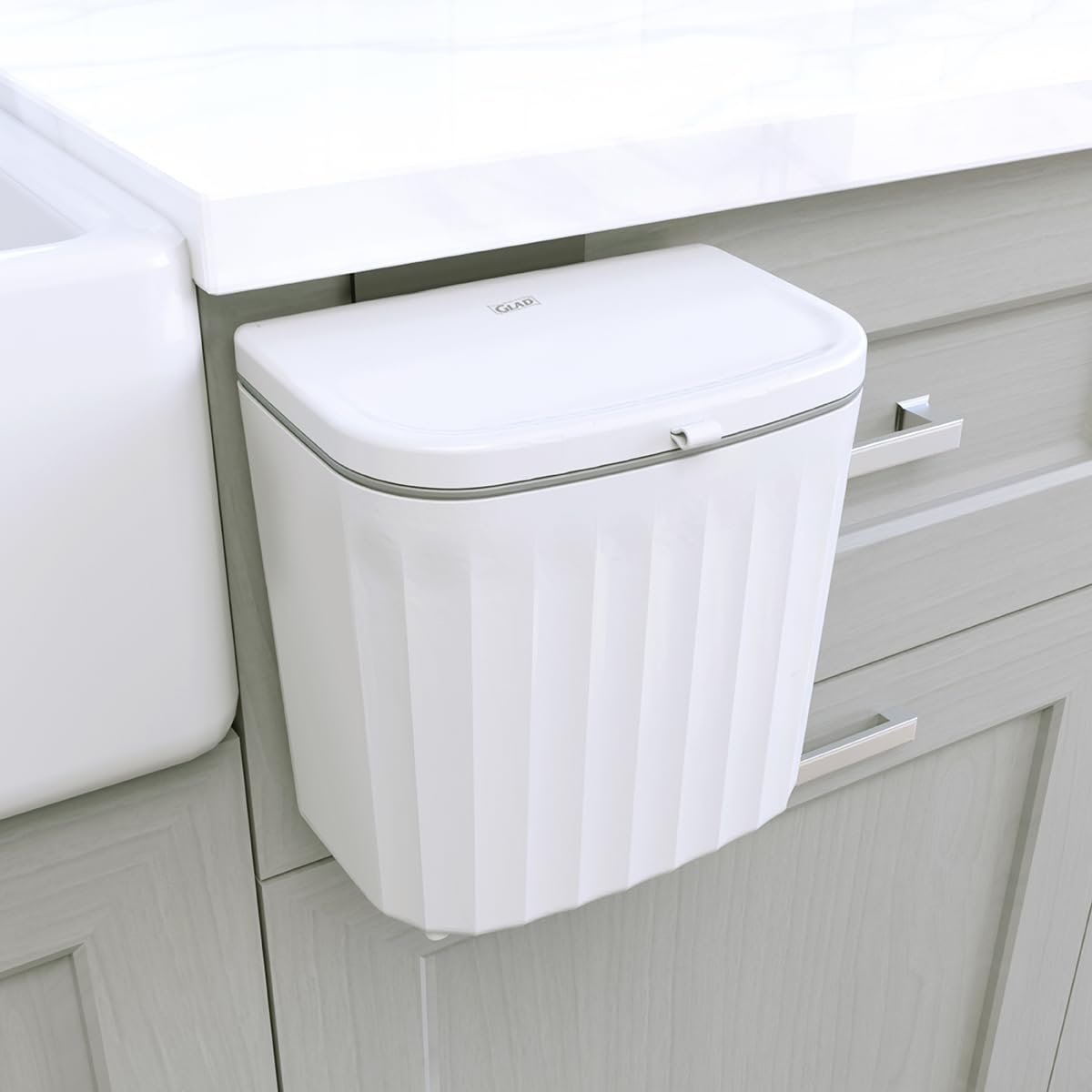
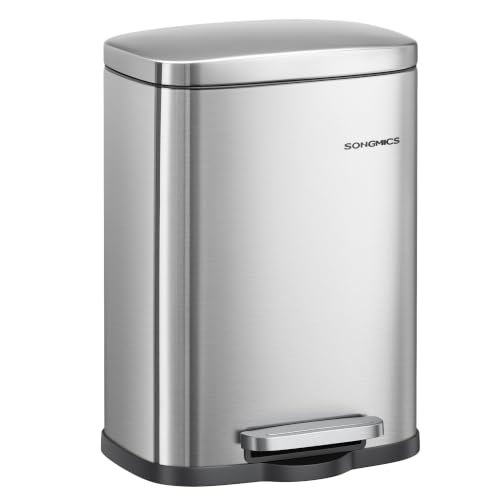
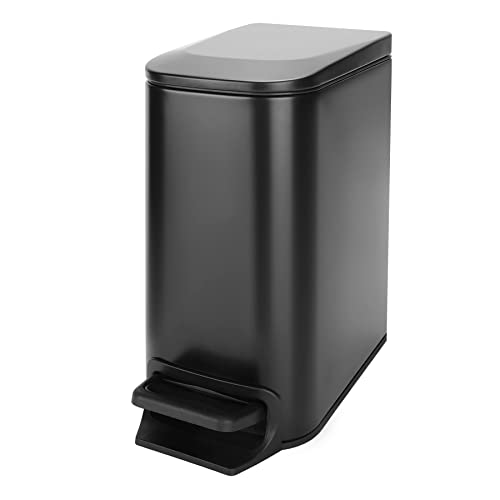
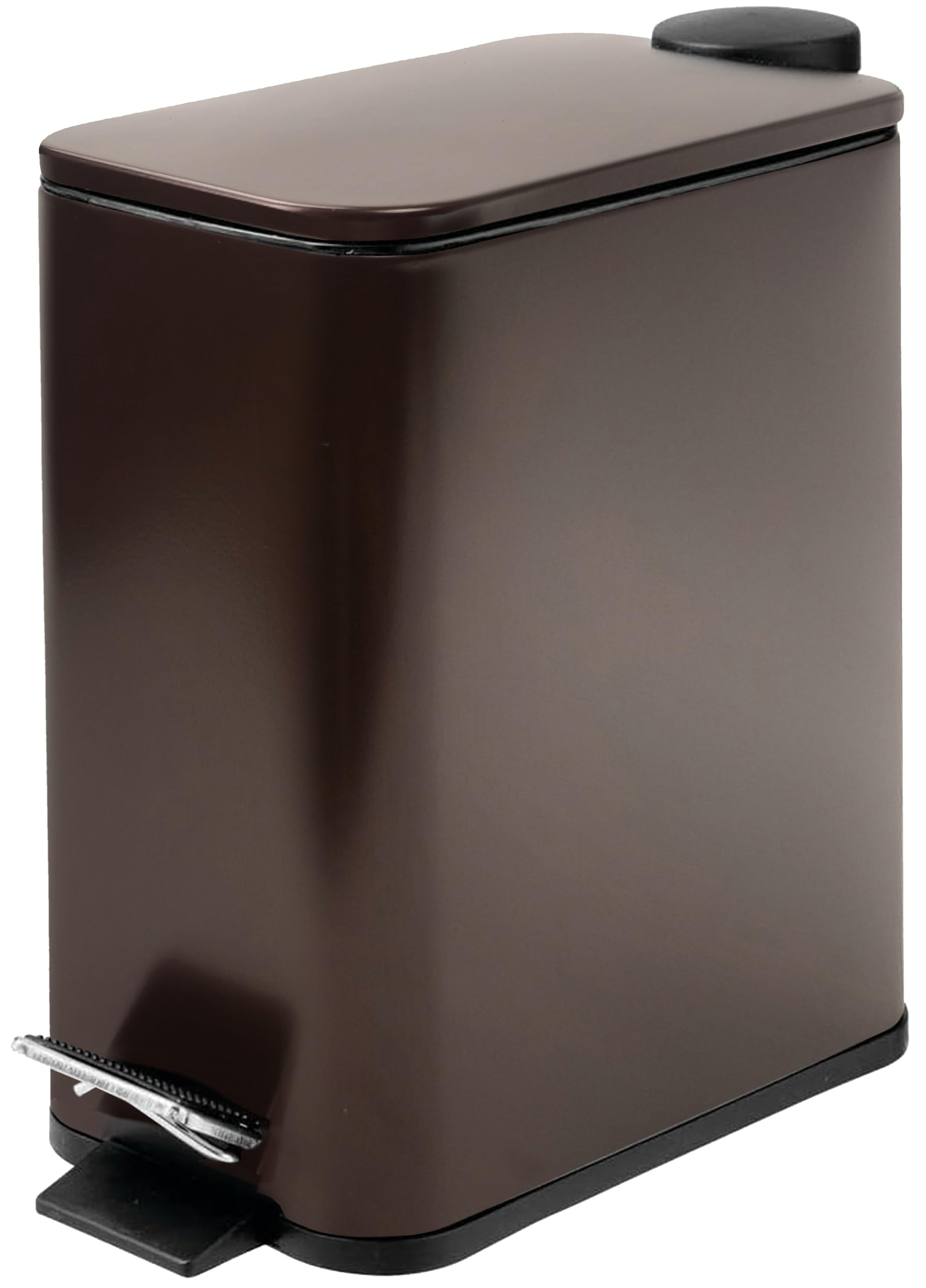

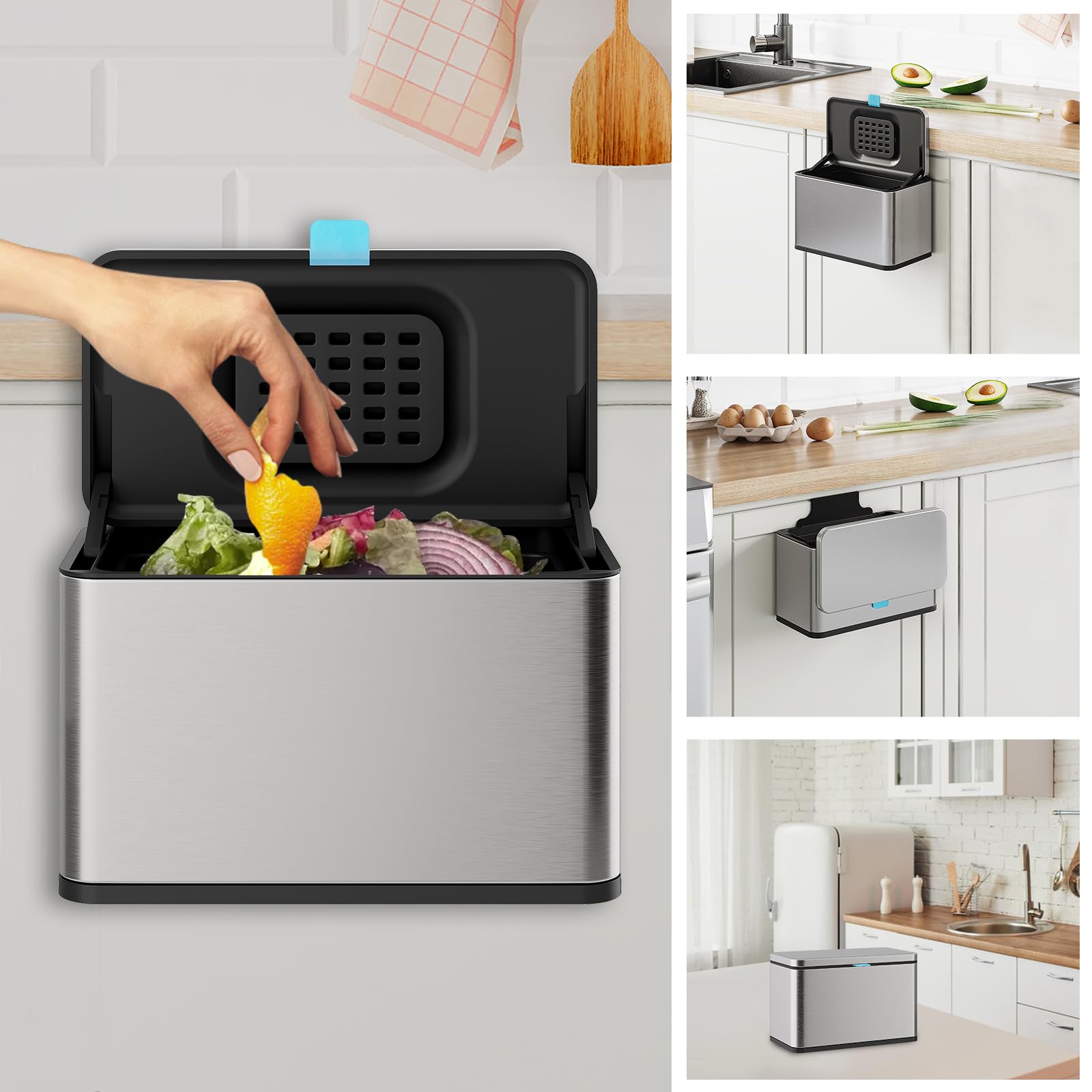


Who Should Buy a Small Kitchen Trash Can?
Under Sink Cabinet Users
The cabinet under the sink is the classic small kitchen hiding place, and it sets hard limits. You typically have about 20 to 24 inches of vertical clearance once pipes are accounted for, and the lid needs room to open without striking the sink bowl or plumbing. Measure the cabinet with the door open and note where the pipes sit, because a can that fits the cabinet shell but fouls the trap is useless.
Small Apartment and Studio Kitchens
When floor space is measured in single square feet, a slim can that hugs the wall or slides between the fridge and the counter keeps walkways clear. Studio cooks also empty trash more often by necessity, since cooking smells in a one room home are personal. A smaller can matches that rhythm, as long as daily scraps do not overflow it before the day ends.
Households Adding a Second, Task Specific Bin
A small can earns its place as a satellite: a prep station bin for vegetable trimmings while you cook, or a recycling and compost companion beside the main can. If your main bin is one of the best 13 gallon kitchen trash can models across the room, a small second can at the cutting board saves dozens of drippy trips a week.
Key Features to Compare
Capacity and How Fast It Really Fills
Small kitchen cans run from about 1.2 to 4 gallons. Solo cooks and couples who take trash out every day or two do well around 2 to 3 gallons. Families using a small can as their only bin will find even 4 gallons tight, because kitchen waste is bulky and packaging heavy. Remember that the stated capacity assumes you fill to the rim, while real use stops at the point where the lid closes without pressing, so buy a step up from your first estimate.
Shape and Clearance: Round, Slim and Rectangular
Rectangular and slim oval cans use corners and wall gaps far better than round ones, which waste the space behind them. The critical measurement is total height with the lid fully open, since a step can lid swings up and back. Swing top cans need the least clearance but expose odors each time the flap moves. For cabinets, also check depth front to back against the pipe position, not just the cabinet interior.
Lid Style and Odor Containment
A lid that seals flat does more for odor than any filter. Step cans open hands free and close softly, flip lids are simple and cheap, and open top bins belong only where waste is dry and the can empties daily. Small cans live close to where you stand, often under the sink, so a weak lid announces itself. Carbon filter pockets in the lid help with mild smells, but they are an assist, not a seal.
Bag Fit and the Inner Bucket
Small cans pair with 3 or 4 gallon bags, tall kitchen bags folded down, or plain grocery bags. A removable inner bucket makes the swap clean and lets you hose out spills, while a bag tuck hole or rim band hides the bag edge and stops it sliding into the bin under a heavy load. If you plan to use standard tall kitchen bags, check that the rim shape holds the folded excess without bunching into the lid path.
Materials and Finish
A best stainless steel kitchen trash can resists dents, wipes clean and shrugs off the damp under sink environment better than painted steel. Plastic cans are lighter and cheaper, and good ones rinse out in seconds, though they can absorb odors over time. Fingerprint resistant coatings matter more on a small can than a large one, because you handle a compact bin constantly, moving it to clean behind and around it.
How to Measure Your Space for a Small Trash Can
Measure the exact spot in three dimensions: floor footprint, height to the underside of the counter or cabinet top, and then add the lid swing. For under sink spots, open the cabinet and measure around the pipes, including the lowest point of the sink bowl. Check the door swing too, because a can that fits inside but blocks the cabinet door from closing is a daily irritation. If no enclosed spot works, compare the main category in our best kitchen trash can guide, where slim full height cans sometimes solve the problem better than a short bin.
Common Mistakes to Avoid
- Measuring the cabinet height but not the lid opening arc, so the lid hits the sink bowl or pipes every time it opens.
- Buying a 1.2 gallon can as the only kitchen bin, then living with daily overflow and bags changed mid recipe.
- Choosing a swing top for wet food waste, which vents odor into the room with every toss.
- Skipping the inner bucket, so a leaking bag soils the can shell and every change becomes a scrubbing job.
- Ignoring bag size, then fighting tall kitchen bags that swamp a small can and bunch under the lid.
How to Make Your Small Kitchen Trash Can Last Longer
Line the bottom of the inner bucket with a folded paper towel or a spare bag to catch leaks before they bake onto the surface. Wash the bucket with hot soapy water weekly and let it dry fully before relining, because a small can concentrates moisture and odor faster than a large one. Wipe the lid seal and hinge area during that wash, since grime on the seal is the usual reason an older can stops closing flat. A tablespoon of baking soda sprinkled in the fresh bag absorbs odor between changes. Keep spare bags stored in the bottom of the can under the current one, a trick that makes changes faster and protects the base.
FAQ
What size kitchen trash can do I need for a small kitchen?
Most small kitchens do best between 2 and 4 gallons. One or two people who cook daily usually fill a 3 gallon can in two to three days, which is a healthy rhythm for odor. If the can is your only bin and four people use it, look at slim tall designs instead, since no small can swallows family volume gracefully.
How do you clean a small kitchen trash can?
Remove the inner bucket and wash it with hot water and dish soap, using a brush around the rim and base corners where residue collects. Wipe the outer shell and lid, paying attention to the seal. Let everything dry completely before adding a fresh bag, because sealing moisture inside a small can guarantees a smell by the next day.
Can a small kitchen trash can use tall kitchen bags?
Yes, with folding. A 13 gallon tall bag folds over the rim of a small can several inches deep, and a rim band or tuck hole keeps the excess tidy. The trade is wasted bag material on every change. Many owners switch to 4 gallon bags sized for small cans and find changes quicker and neater.
Where is the best place to put a small trash can in a tiny kitchen?
Under the sink is the default if the pipes allow it, because it hides the can and sits near the washing up zone. A slim gap beside the fridge or at the end of a counter run works well for cans with a lid you open by hand. Avoid spots that block a walkway or sit against a heat source like a radiator or oven side.
How long does a small kitchen trash can last?
A plastic can typically serves three to five years before it holds odors permanently, and a stainless can often lasts much longer. The lid mechanism is usually the first failure, either a pedal that loses its snap or a hinge that stops closing flat. When the lid no longer seals, odor control goes with it, and replacement makes more sense than repair.
Final Thoughts
Measure the hiding spot, count your real daily waste, and pick a lid that seals. With those three decisions made, the best small kitchen trash can for your kitchen is easy to find in the product table above. Small should mean space smart, not a daily fight with overflow. If your household outgrows small entirely, the best large kitchen trash can designs are the step up to consider.


