
Best Stainless Steel Shop Vac: A Buying Guide for 2026
Disclosure: We may earn a commission when you buy through links on this page, at no extra cost to you. As an Amazon Associate I earn from qualifying purchases. Learn more

Compare the best stainless steel shop vac sizes and motors, with tank material pros and cons, safety notes, care tips and answers to common buyer questions.
A plastic tank cracks when a ladder clips it in a cold garage. A stainless tank dents, shrugs, and keeps working. That toughness, plus a surface you can hose out after a filthy job, is why many buyers hunt for the best stainless steel shop vac instead of the default plastic models. The metal tank is not automatically the better tool, though; it changes weight, price and noise in ways worth understanding first.
This guide compares tank sizes, motors and filtration for steel tank models, and explains where the material genuinely earns its premium. The product table below lists current models, and the sections that follow help you match one to your garage, shop or jobsite.
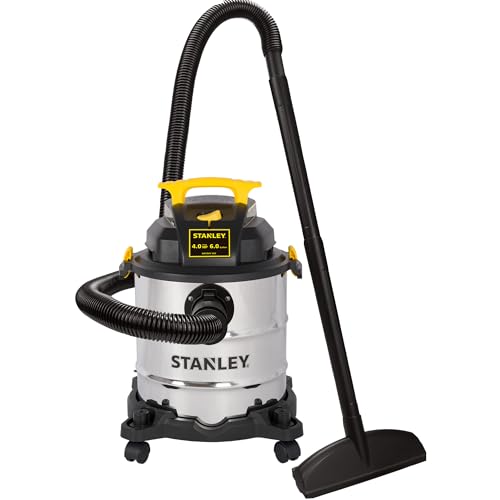
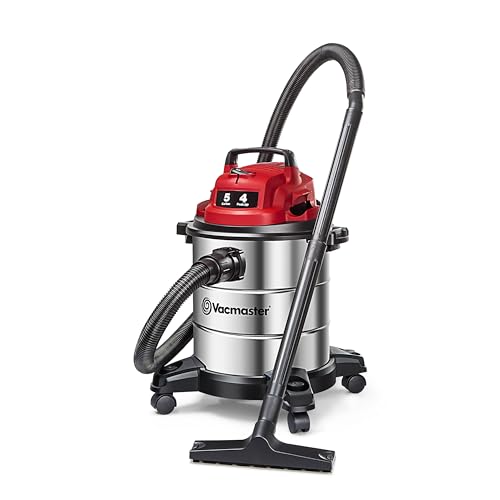
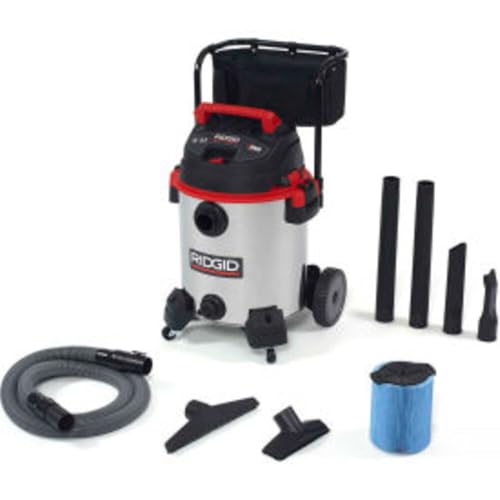
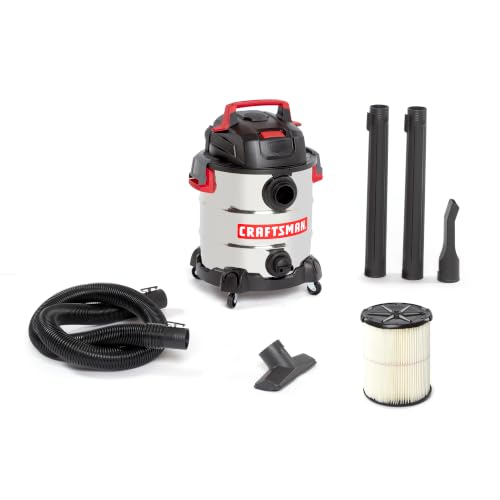

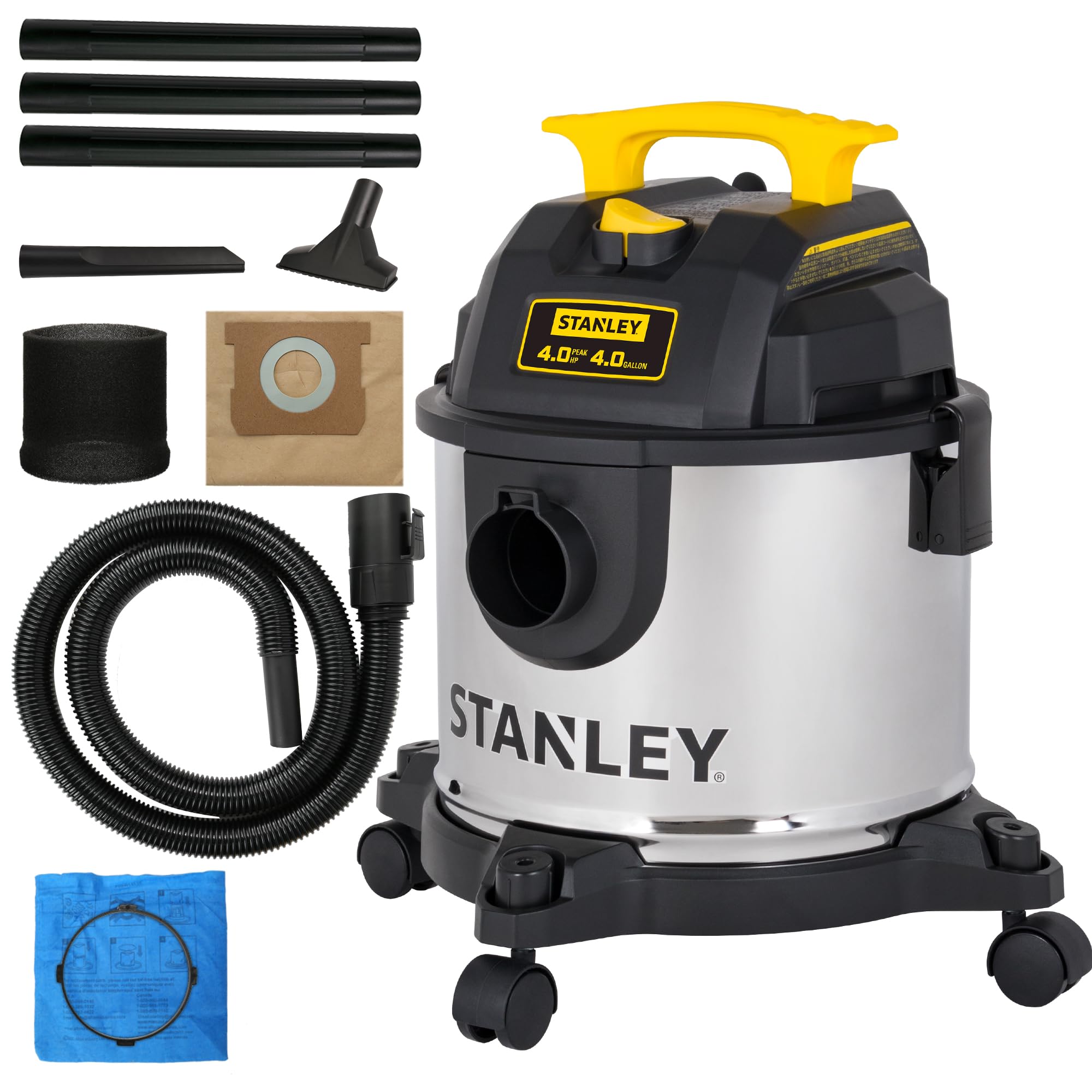

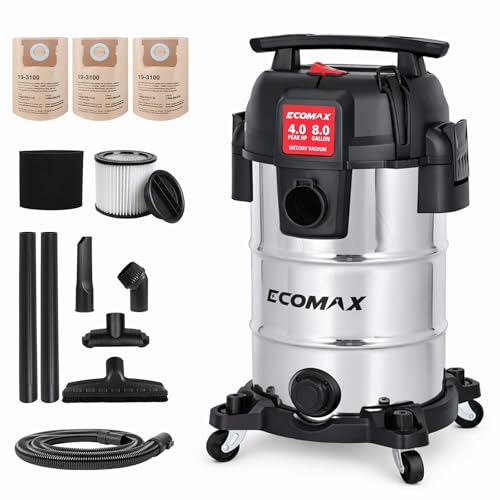


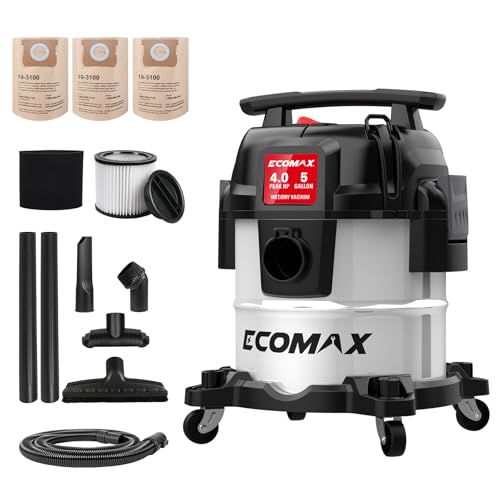
Who Should Buy Which Stainless Steel Shop Vac?
Garage Owners Who Flood, Rinse and Repeat
If your vacuum regularly swallows meltwater, spilled coolant or a flooded corner, a stainless tank is the easiest housing to rinse clean and dry without odor soaking in. Steel does not hold smells the way scratched plastic does, and it tolerates the hot water rinse that melts greasy residue. Pair that with a drain plug on larger sizes and wet cleanup stops being a wrestling match.
Metalworkers and Makers With Sharp Debris
Metal shavings, screws and broken glass chew up plastic tanks from the inside. A steel tank resists punctures and keeps sharp loads contained until you dump them. Choose a mid size tank, about 8 to 12 gallons, so a load of dense debris stays liftable, and look for a cartridge filter with a foam sleeve option for damp pickups. Our general guide to the best shop vac covers motor sizing across all tank materials.
Hobby Detailers Who Want a Shop Vac That Looks the Part
A polished steel tank survives car chemicals, resists staining from tire dressings, and wipes clean after a detailing session. Detailers usually work in tight bays, so a compact steel model with a long hose matters more than huge capacity. See our guide to the best shop vac for car detailing for the hose and nozzle setups that reach footwells and seat rails.
Key Features to Compare
Tank Capacity and Real Working Volume
Steel tank shop vacs commonly run from about 5 to 16 gallons. The headline number is the tank size, not the usable volume; wet pickup stops at the float valve well below the rim, and dry loads should stay under the inlet for clean airflow. A 5 to 8 gallon steel vac suits garages and cars, 10 to 12 gallons covers most workshops, and 16 gallons is renovation territory. Remember that water weighs about 8 pounds per gallon, so a big steel tank full of liquid is a serious lift even before the metal's own weight.
Motor Power: Peak Horsepower Versus Airflow
Manufacturers advertise peak horsepower, a laboratory number that flatters every brand equally. The figures that predict pickup are airflow in cubic feet per minute and sealed suction. For a steel tank vac, aim for airflow that matches the hose diameter: large 2.5 inch hoses need strong airflow to move chips and leaves, while 1.25 inch accessory hoses feel snappy on modest motors. If you plan to run long hoses across a shop, airflow headroom matters more than a peak horsepower badge.
Hose Diameter and Accessory Fit
Most steel tank models ship with a 2.5 inch hose for debris and rely on adapters for detail tools. Check that the accessory set includes a crevice tool, a utility nozzle and a floor brush you will actually use, and confirm the cuff standard before buying extra attachments. Compact spaces sometimes favor a smaller machine altogether; our guide to the best small shop vac covers the trade offs when a steel tank is simply too much machine.
Filtration: Cartridge, Bags and Foam Sleeves
A pleated cartridge filter handles dry debris, a foam sleeve goes over it for wet pickup, and disposable filter bags are the upgrade that keeps fine dust off the cartridge and makes emptying cleaner. Fine dust work such as drywall or cement demands bags plus a fine filter, or the cartridge blinds over and suction fades mid job. Steel tanks rinse clean, which helps here: after a dusty job you can wash the tank out instead of scraping caked residue from textured plastic.
Mobility: Casters, Handles and Cord
A steel tank adds pounds, so wheel quality decides whether the vacuum follows you or fights you. Look for large rear casters that roll over cords and thresholds, a top handle balanced over the tank center, and a cord of at least 15 to 20 feet so you are not chained to one outlet. Cordless steel tank models exist but stay niche; our roundup of the best cordless shop vac explains the run time limits before you pay that premium.
Stainless Steel vs Plastic Tanks: What Changes in Daily Use
Steel wins on puncture resistance, heat tolerance and cleaning: you can rinse it with hot water, scrape it without gouging, and leave it in a sunny bay without the plastic chalking that UV causes. Steel also dents instead of cracking, so one bad drop rarely ends the tool's life. Plastic wins on price, weight and noise; a steel tank rings and echoes more, and it can sweat condensation in humid shops. Neither material rusts in normal use, but cheap steel tanks with scratched coatings deserve a dry wipe before storage. Choose steel when the tank itself is at risk in your work, and plastic when budget and back strain lead the decision.
Common Mistakes to Avoid
- Buying the largest steel tank for wet pickup, then discovering a full 16 gallon tank is too heavy to carry to a drain.
- Vacuuming water with the dry cartridge filter in place and no foam sleeve, which ruins the filter in one job.
- Trusting peak horsepower numbers instead of comparing airflow, then finding the vac weak on a long hose.
- Picking up flammable liquids or hot ash, which no shop vac of any tank material is built to handle safely.
- Plugging into a non GFCI outlet for wet cleanup in a garage, adding shock risk to a water job.
How to Make Your Stainless Steel Shop Vac Last Longer
Rinse the tank after wet jobs and leave the lid off until the interior is fully dry, which prevents musty odors and protects the motor from humid air. Tap or rinse the cartridge filter regularly, use bags for fine dust, and replace filters when suction stays weak after cleaning. Wipe the steel exterior dry after rinsing so water spots and workshop chemicals do not sit on the finish. Store the hose loosely coiled to avoid kinks, and check caster axles for wrapped string and wire that make the vac drag.
FAQ
Are stainless steel shop vacs worth the extra money?
They are worth it when the tank takes abuse: sharp debris, hot rinses, chemicals, or a clumsy garage where things fall on equipment. The premium buys puncture resistance and a tank that cleans up like new for years. If your vacuum lives a gentle life picking up sawdust in a corner, a plastic tank delivers the same suction for less money and less carrying weight.
How do you clean a stainless steel shop vac after wet pickup?
Dump the liquid through the drain plug or by tipping the tank, then remove the foam sleeve and rinse both it and the tank with plain water. Leave everything open to dry fully before reassembly. Skipping the drying step is what causes the sour smell people blame on the vacuum, and a dry tank also keeps the next dry job from turning dust into mud.
What size stainless steel shop vac do most homeowners need?
About 8 to 12 gallons covers the typical mix of garage floods, car cleaning and workshop debris. Smaller tanks fill too fast during a flood, while 16 gallon tanks become hard to move when wet. Match the size to your worst realistic job, not your average one, and remember that a mid size vac with filter bags often outperforms a bigger vac run bare.
Can a stainless steel shop vac pick up water safely?
Yes, with the cartridge filter swapped for the foam sleeve and the float valve free to rise. Stop when the motor tone changes, which signals the float has shut off intake at the safe level. Use a GFCI protected outlet for any wet work, keep the plug connection dry, and never vacuum flammable liquids, which can ignite from motor sparks.
How long does a stainless steel shop vac usually last?
The tank itself can outlast two motors, which is the point of the material. With filter care and dry storage, the motor and switch gear on a decent unit serve about five to ten years of home and light shop use. Abuse that kills them early is almost always fine dust run without bags, or wet debris left sitting in the tank.
Final Thoughts
The best stainless steel shop vac for you pairs a tank size you can still lift when wet with airflow matched to your hose, and filtration you will actually maintain. Steel earns its price when your debris is sharp, your rinses are hot, or your garage is hard on equipment. Use the product table above to compare the current sizes, protect the filter with bags on dusty work, and the tank will still be shining when the rest of the tool wears out.


