
Best Steam Mop for Grout in 2026: A Buying Guide for Tile Floors
Disclosure: We may earn a commission when you buy through links on this page, at no extra cost to you. As an Amazon Associate I earn from qualifying purchases. Learn more

Choose the best steam mop for grout with the right steam control, grout brush tools, tank size and heat up time for tile floors that stay cleaner longer.
Grout lines are the low, porous part of a tile floor, so they collect mop water, cooking grease and tracked in soil long after the tile faces look clean. Scrubbing them on your knees works, but it is slow enough that most people do it rarely. The best steam mop for grout uses pressurized steam and a focused brush or jet to loosen that packed grime so a pad can wipe it away, turning a half day chore into part of a normal floor clean.
This guide covers the features that decide whether a steam mop actually cleans grout or just steams the tile: steam control, grout tools, tank size and how the head is shaped. The product table below lists current models so you can see which setup fits your tile before reading on.
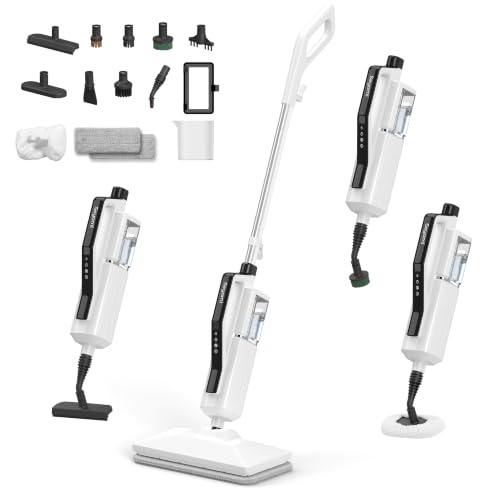
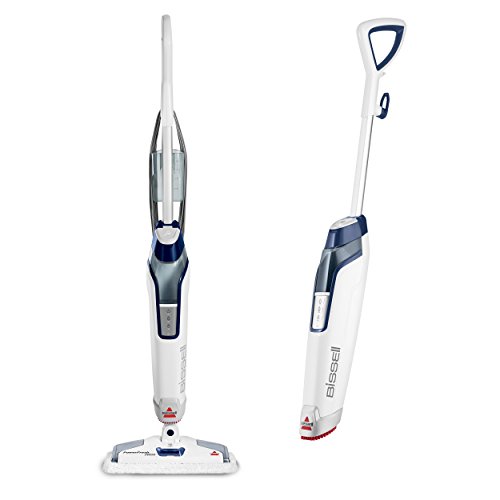


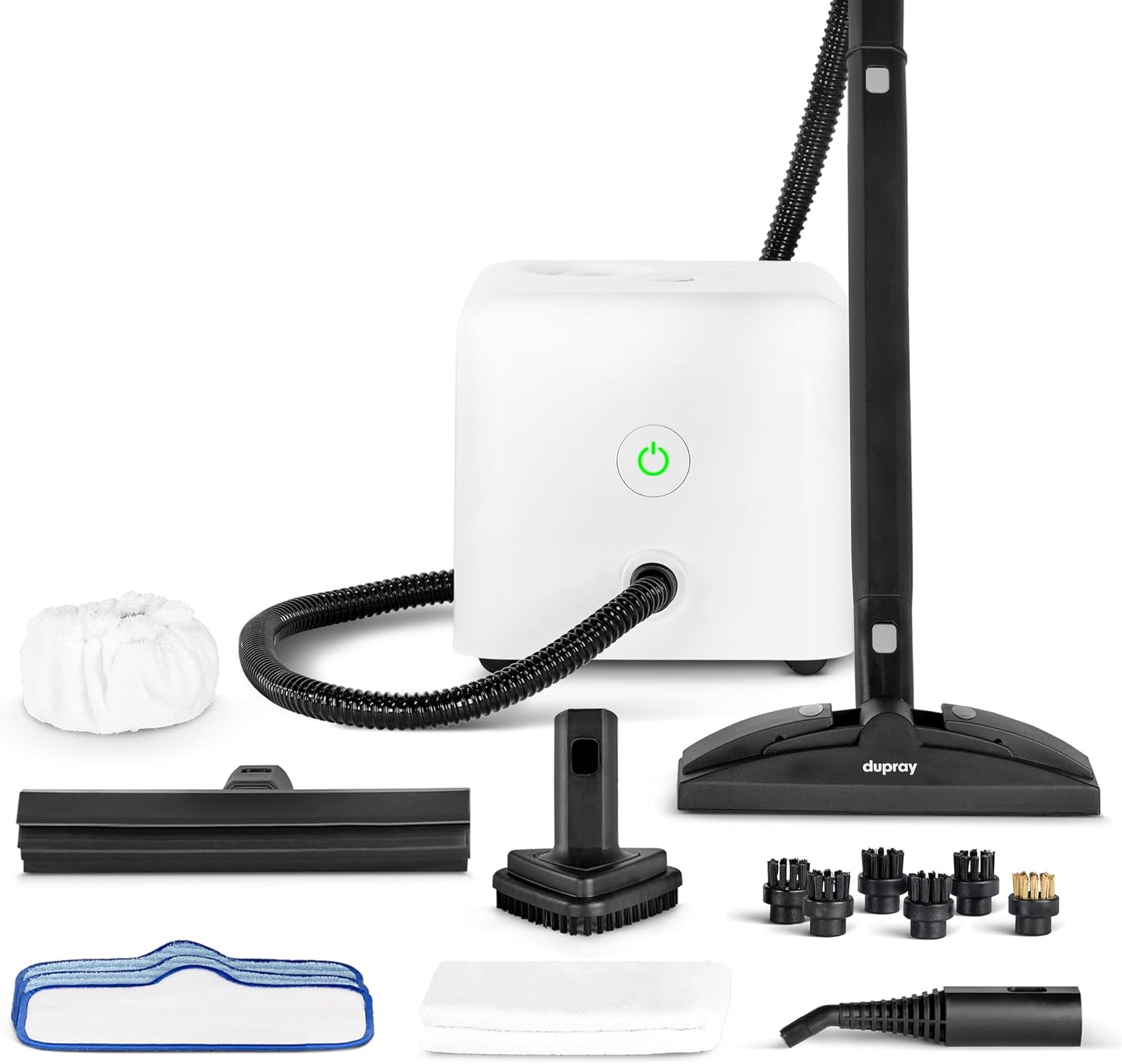

Who Should Buy Which Steam Mop for Grout?
Homes with large tile kitchens and greasy grout lines
If cooking oil mist settles into your kitchen grout, you need steam output with an adjustable high setting and a grout brush attachment, because flat pads alone skate over recessed lines. A larger tank also matters, since a big kitchen will empty a small tank before the last row of tile. This group gets the most from a model that converts to a handheld steamer for the backsplash and stove surround as well.
Bathroom heavy homes with mildew prone grout
Bathrooms grow mildew in grout because the lines stay damp and feed on soap residue. A steam mop with a jet nozzle or a small stiff brush reaches shower thresholds, toilet bases and the lines around a tub where a mop head cannot go. Heat is the point here: steam loosens soap film and surface mildew so you can wipe it away, though deep black staining inside old grout may still need resealing after cleaning.
Small homes that want one tool for quick weekly tile care
If your tile area is a bathroom and an entryway, a light stick style steam mop with a fast heat up time is the better buy. You will use it weekly because it is ready in under a minute and stores in a corner. A grout focused accessory in the box matters more for you than tank size, since your floors are small but the lines between modest tiles are proportionally more of the surface.
Key Features to Compare
Steam output and adjustable control
Steam does the work, so output and control come first. Mops that offer two or three steam levels let you run gentle steam on sealed stone or older grout and full steam on ceramic and porcelain in the kitchen. Constant steam designs are simpler, while trigger controlled models release steam only while you hold the handle, which saves water and keeps floors drier. For grout, short bursts of high steam held over a line soften packed soil far better than a quick pass, so a trigger or a strong top setting is worth having.
Grout tools and head design
A flat microfiber pad cleans tile faces but bridges over grout lines, which sit a few millimeters lower. The tools that change grout results are a stiff grout brush, a jet nozzle that concentrates steam into the line, and pads with scrubbing strips that dip slightly into the recess. Some heads flip between a pad side and a scrubber side, which speeds up alternating between lines and open floor. Check that the grout brush is included rather than sold separately, and look at replacement cost, because stiff brushes wear down quickly on rough grout.
Tank size and heat up time
Tanks on stick steam mops typically hold about 350 to 500 milliliters, giving roughly 15 to 25 minutes of steam depending on the setting. That covers most kitchens, but large open tile areas will need a refill, so a tank that detaches or fills under a tap without tools saves time. Heat up time runs from under 30 seconds to a few minutes on larger units. Distilled water is worth using if your tap water is hard, since mineral scale inside the boiler is the most common cause of weak steam over time.
Cord length and swivel handling
Steam mops are corded, and cord length quietly decides how the job feels. A cord of 20 feet or more lets you finish most rooms from one outlet; shorter cords mean replugging with wet hands near a sink, which you should never do. Wait for the machine to cool and dry your hands before changing outlets. A swivel head that turns sharply helps you run the pad along grout lines at an angle and get under the toe kicks and around toilet bases where grime concentrates.
Pad options and laundry care
Pads are the part that touches the dirt you loosen, so having several matters: grout work loads a pad with dark soil fast, and swapping to a fresh pad mid job prevents smearing it back onto clean tile. Microfiber pads with scrubbing strips suit grout best. Pads wash in a machine and last through many cycles, but skip fabric softener, which coats the fibers and cuts absorbency. Buy at least one spare pad set with the mop so a laundry delay never blocks a cleaning day.
Safety, floor compatibility and grout condition
Steam is hot water vapor, so treat it with respect: keep the head moving on heat sensitive floors and never leave a steaming mop parked on one spot. Steam suits ceramic, porcelain and sealed stone; use care on laminate and wood look floors, and check the flooring maker guidance before steaming them at all. Also inspect your grout first. Steam will not repair cracked or crumbling grout, and strong jets can loosen already failing lines, so repoint damaged sections before deep steam cleaning. Keep children and pets out of the room until floors cool and dry.
Steam Mops Among Your Other Floor Tools
A steam mop is a specialist next to your regular mop and vacuum. Our main guide to the best steam mop covers the category broadly if you are still deciding on the format. Floor material changes the answer: owners weighing steam for wood should read the best steam mop for hardwood floors guide before using heat and moisture on boards, and the best steam mop for tile floors guide goes deeper on tile specific care. If part of your home is laminate, the best steam mop for laminate floors guide explains the low steam settings and cautions that material needs.
Prices for steam mops with real grout tools generally run about $80 to $180, with convertible models that add a handheld steamer and a full accessory kit reaching about $180 to $250. The bottom of the market under $60 usually means one steam level, a small tank and no grout brush, which is exactly the combination that disappoints grout owners. Spending a little more on the tool set pays back every time the grout lines come up clean.
Common Mistakes to Avoid
- Mopping with a flat pad only and expecting grout to change color, which fails because the pad never reaches into the recessed lines.
- Holding a steam jet on one spot of vinyl or laminate, which can soften adhesive and cloud the finish.
- Using tap water in a hard water area without ever descaling, which slowly chokes steam output until the mop seems worn out.
- Pushing one filthy pad across a whole floor, which redeposits loosened grout soil onto tile you already cleaned.
- Steam cleaning cracked or missing grout, which drives moisture behind the tile and makes the underlying damage worse.
- Storing the mop with water in the tank and a damp pad attached, which grows mildew that smells the next time the boiler heats up.
How to Make Your Steam Mop Last Longer
Empty the tank after each session and let the mop cool fully before you wrap the cord. Use distilled or demineralized water if your supply is hard, and run the maker descaling routine whenever steam output dips or spitting starts. Wash pads promptly after grout jobs, since ground in soil sets into microfiber if it sits, and replace pads when the scrubbing strips flatten. Check the grout brush for bent bristles and swap it when it stops biting into the lines. Store the mop upright in a dry spot with the pad removed, and inspect the cord and plug for damage before each use, especially around the strain relief where flexing is greatest.
FAQ
Does steam cleaning really restore grout color?
Steam removes the soil sitting on and just under the grout surface, which is what makes lines look dark, so cleaned grout usually returns close to its original shade. Stains that have penetrated deeply over years, especially rust and dye stains, may lighten rather than vanish. If the lines still look patchy after a thorough clean, the lasting fix is a grout colorant or resealing once everything is fully dry, not more steam.
Can you steam clean grout too often?
For sound, well sealed grout on ceramic or porcelain tile, regular steaming is fine and will not wear the lines down. The risk cases are old grout that is already crumbling, sanded grout in poor condition and floors where the maker warns against steam. In those cases the brush and jet can loosen weak material. Inspect a small area first, use moderate pressure, and fix failing joints before making steam part of the routine.
Should grout be sealed after steam cleaning?
Sealing is a smart follow up once the floor is clean and completely dry, usually a day later. A penetrating sealer soaks into the porous grout and slows the return of stains and mildew, which keeps your steam results visible for months instead of weeks. Sealer does not make grout waterproof, so steam cleaning is still needed on a schedule, but the lines will release soil faster each time.
What is the difference between a steam mop and a steam cleaner for grout?
A steam mop is a stick machine built around a floor pad, sometimes with small attachments, while a canister steam cleaner is built around a hose and a full tool kit with the floor head as one option. For whole floors, the mop is faster to set up and store. For shower grout, thresholds and vertical tile, the canister with a jet nozzle reaches places a mop head cannot. Many grout heavy homes end up using a mop weekly and a detail tool for edges.
How long does a steam mop take to clean a tiled kitchen?
A typical kitchen takes about 15 to 25 minutes including passes along the grout lines with a brush or scrub pad, once the machine has heated up. Working in small sections and slowing down over the lines matters more than total time, because steam needs a few seconds of contact to loosen packed soil. Very dirty grout may take a second session a few days later rather than one marathon pass.
Final Thoughts
For grout, the winning combination is honest steam control, a real grout tool in the box and enough tank to finish your biggest tiled room. Match those against your tile type using the product table above, respect the limits of older grout, and the best steam mop for grout for your home will keep lines looking light and clean as part of a normal weekly routine instead of a once a year project.


