
Best Carpet Cleaner Under 150 for 2026: The Whole Room Tier
Disclosure: We may earn a commission when you buy through links on this page, at no extra cost to you. As an Amazon Associate I earn from qualifying purchases. Learn more

Compare full size and compact carpet cleaners under 150 by tank size, brush action and dry time, and see what this budget adds over cheaper models.
This is the budget where full size carpet cleaning comes home. The best carpet cleaner under 150 dollars buys an upright extractor with real tanks, a rotating brushroll and suction strong enough to do whole rooms at a sane pace, plus compact machines with meaningful upgrades for spot duty. For most carpeted homes, this tier covers the full workload: seasonal deep cleans, traffic lanes, pet accidents and the stairs in between.
This guide explains what the step up from the cheapest tier buys, how to choose between full size and compact formats here, and which specs decide dry time. The comparison table below sorts the current options by format and tank size, the two facts that frame every other choice.




Who Should Buy Which Carpet Cleaner?
Homes with several carpeted rooms cleaned seasonally
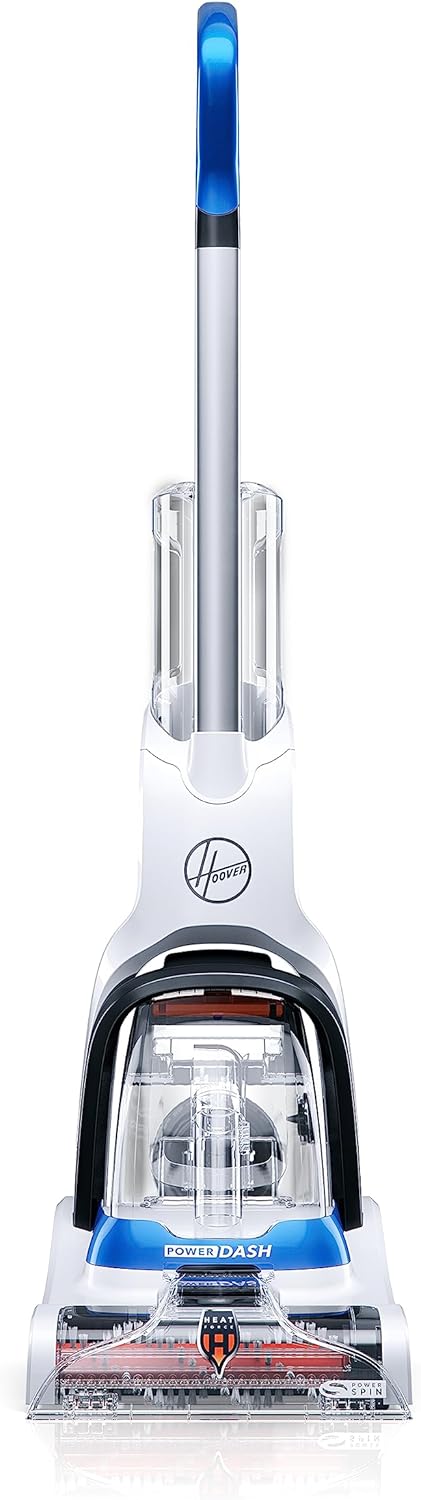
If deep clean day means two or three bedrooms plus a living room, you need the full size format: tanks around a gallon, a cleaning path near 11 inches and a cord that crosses a room without replugging. Compact machines would turn that day into refill trips. Our overview of the best carpet cleaner formats shows how full size uprights compare with the portable and premium tiers around them.
Pet households that need both deep cleans and spot duty
Pet homes run two workloads: whole room extraction on schedule and instant response when accidents happen. A full size upright with a proper hose and spot tool covers both, which is why this tier is the natural pet home choice. Our guides to the best carpet cleaner for pet urine and the best carpet cleaner for pet stains detail the enzyme treatment order and tools that matter most for each kind of incident.
Stair and upholstery heavy homes choosing one machine
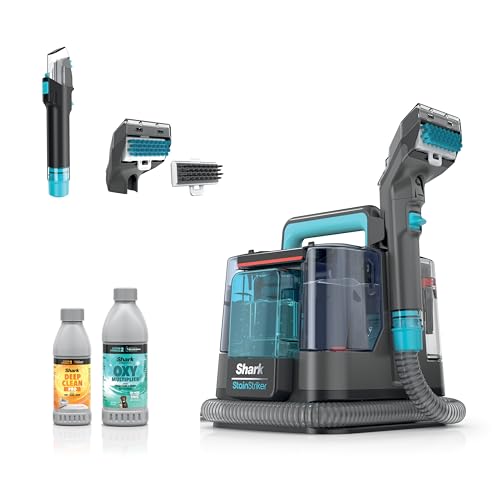
If your dirt lives on steps, sofas and car seats more than open floors, spend this budget on an upgraded compact or a full size model whose hose system is genuinely long and well tooled, rather than a floor head with a token hose. Our roundup of the best portable carpet cleaner designs compares the hose first machines that specialize in exactly this work.
Key Features to Compare
Tank capacity and cleaning path
Tank size sets your pace. Full size machines at this price carry roughly three quarters of a gallon to a gallon and a quarter per side, enough for a mid sized room per fill, while compact designs carry about half that for spot and single room work. Cleaning path width trades coverage against control: about 11 inches finishes open rooms quickly, while narrower heads maneuver between furniture legs. Two tank designs that lift out, open wide and rinse fully beat slightly larger tanks with narrow necks, because hygiene decides whether the machine smells clean next season.
Brushroll action and pile safety
Most full size models here drive a rotating brushroll that sweeps solution into the pile and loosens ground in grit, which is the single biggest cleaning upgrade over the sub $100 tier. Check that the roll removes for cleaning and that the machine offers a gentler mode or lift for delicate rugs, because aggressive rolls can fuzz loop pile and wool blends. Fixed brush rows on compact machines suit surface soil and spots. Match agitation to your deepest pile: the dirtier and thicker the carpet, the more the rotating roll earns its place.
Suction, recovery and realistic dry time
Recovery strength is where this tier separates from the one below. Stronger motors and better sealed floor heads pull more solution back out of the pile, so carpet dries in roughly four to eight hours instead of most of a day, and less residue stays behind to attract new soil. Judge by head seal and by owner technique together: slow pulls and extra dry passes multiply whatever suction the machine has. If your home has thick padding, favor the strongest recovery in the tier, because padding holds water like a sponge.
Heat maintenance and solution systems
Some machines in this band add heat maintenance that keeps hot tap water warm during the session, a genuine help on greasy traffic soil. It is a support feature, not the headline: fill with hot tap water as directed, never boiling, and remember that solution choice and contact time do as much work as temperature. Check whether the machine heats, whether it uses separate solution dosing or a premixed tank, and what the approved solutions cost per refill, since solution is the running expense that follows this purchase home.
Hose reach, tools and edge work
A hose around 8 to 10 feet with a powered or well shaped hand tool turns the same machine into your stair and upholstery cleaner, and crevice style spray tools handle car mats and tight corners. Edge cleaning deserves a look too, because soil frames every room along the baseboards; heads with edge brushes or close riding sides finish that frame instead of leaving it gray. Tools stored onboard get used weekly, and a hose that detaches fully rinses clean instead of growing residue in a permanent loop.
Full Size or Compact at This Price?
Both formats are legitimate under $150, and the wrong one wastes the budget. Choose full size when open carpeted rooms dominate, when deep clean day covers several rooms, and when you have closet or garage floor space to park it. Choose compact when your workload is spots, stairs, upholstery and one rug at a time, and when storage is a shelf rather than a floor corner. The tie breaker is your last three cleaning jobs: if two of them were accidents and furniture, buy compact; if two were whole rooms, buy full size. Households that honestly face both should buy the full size machine with the best hose system, since it covers compact work passably, while the reverse is not true.
Common Mistakes to Avoid
- Buying full size for a spot only workload, so the machine stays in the garage while accidents get paper towels instead.
- Running the brushroll aggressively over wool or loop pile rugs, which can fuzz and distort delicate fibers.
- Judging the machine by tank size alone, while ignoring whether the tanks open fully for rinsing and drying.
- Leaving solution sitting in the tank between sessions, which clogs jets and feeds odor in the lines.
- Skipping extra dry passes to save time, then blaming the machine for carpet that stays damp into the next day.
How to Make Your Carpet Cleaner Last Longer
Rinse both tanks after every session and flush the spray path with clean water for a few seconds so detergent does not dry inside the jets. Leave tanks, lids and the hose path open until dry, since sealed damp machines grow the sour smell owners blame on carpet. Remove the brushroll monthly to clear hair and fiber from its ends and bearings, and wipe the suction inlet screen where lint mats down. Inspect the hose cuffs and floor head seals for cracks, because small air leaks quietly tax recovery on every pass. Store the machine indoors away from freezing temperatures with tanks empty, and keep its approved solution stored locked away from children and pets alongside your other cleaning chemicals.
FAQ
What does a carpet cleaner under $150 do that one under $100 cannot?
It cleans whole rooms at a practical pace. This tier adds gallon class tanks, a wider path, rotating brushrolls and recovery strong enough to dry carpet in hours rather than most of a day. The cheaper tier remains fine for spots, stairs and single rugs, but asking it to do a house of carpet is where frustration starts. The step up is about scale and dry time, not a different kind of clean.
How many rooms can a carpet cleaner under $150 handle per fill?
A full size machine with gallon class tanks usually finishes one mid sized bedroom or living room per fill, depending on soil and how heavily you spray. Compact models in the tier cover a rug or a small room per fill. Refills are normal even for professionals, so judge the tank by how easily it lifts, empties and rinses rather than by chasing the largest number on the box.
Is heat maintenance worth paying for in this tier?
It is worth having when your soil is greasy kitchen adjacent carpet or heavy traffic lanes, because warm solution releases oily soil faster and rinses cleaner. It is not worth choosing over stronger recovery or a better brushroll, since dry time and agitation shape your results more. Treat heat as a supporting feature on an otherwise well matched machine, and always fill with hot tap water rather than anything hotter.
Can a carpet cleaner under $150 handle stairs well?
Yes, if the hose system is real. Look for a hose around 8 to 10 feet, a hand tool that sprays and scrubs, and a machine stable enough to sit at the top or bottom landing while you work the flight. Compact models handle stairs natively, while full size models handle them through the hose. What does not work is carrying a full size upright step by step, so check hose reach against your longest flight before ordering.
How do you keep a carpet cleaner under $150 from smelling?
The smell almost always comes from storage, not use. Dirty water left in the recovery tank and a damp brushroll sealed in a closet grow odor within days. Rinse tanks, flush the lines, remove and rinse the brushroll after messy jobs, and store everything open until fully dry. If odor has already set in, a session run with plain warm water and a thorough dry usually clears it without any special products.
Final Thoughts
This tier is the sweet spot for most carpeted homes: big enough for whole rooms, priced below the premium features few households need. Decide full size versus compact by your last few cleaning jobs, then rank recovery, brushroll and tank hygiene in that order. Every option in the product table above fits the budget, so confirm format and hose reach against your rooms before you choose. Picked with that discipline, the best carpet cleaner under 150 dollars turns deep clean day from a rental errand into routine home care.


