
Best Hayward Pool Vacuum for 2026: Which Type Fits Your Pool?
Disclosure: We may earn a commission when you buy through links on this page, at no extra cost to you. As an Amazon Associate I earn from qualifying purchases. Learn more

Compare Hayward pool vacuum types by pool size, pump needs and debris load. A brand guide to suction, robotic and manual Hayward cleaners and their costs.
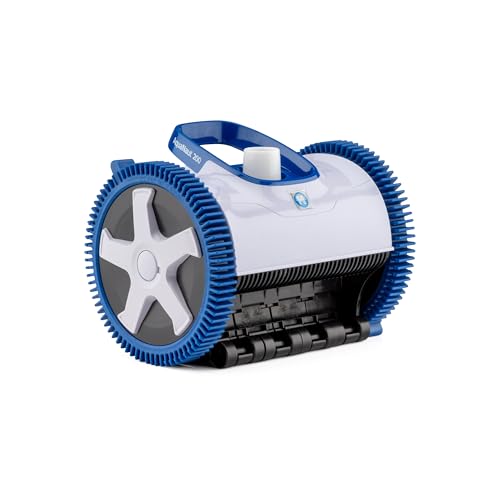
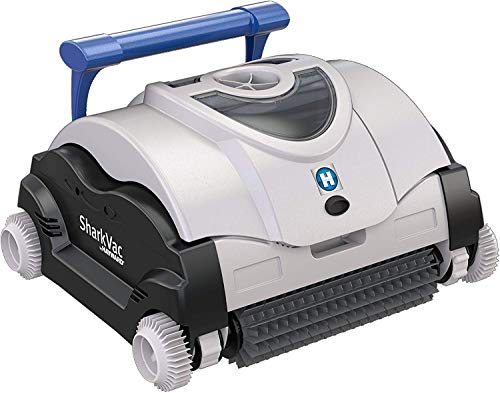
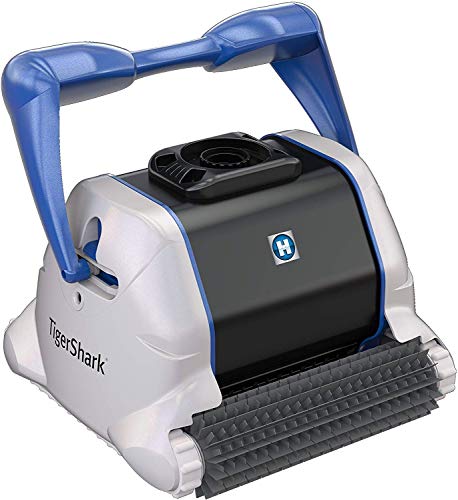
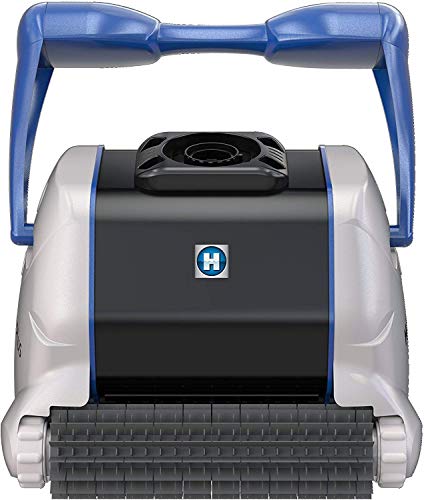
Hayward has sold pool equipment for decades, and its cleaner range can confuse buyers because the same brand covers three very different machines. The best hayward pool vacuum for your yard might be a suction cleaner that runs off your pump, a self contained robotic unit, or a simple manual vacuum head on a pole. Each type fits a different pool, budget, and debris problem, and picking the wrong type wastes more money than picking the wrong tier.
This brand guide explains the Hayward lineup by cleaner class rather than by badge, so you can match a type to your pool size, pump strength, and leaf load. The product table lists models from these classes, and the sections after it cover the details that decide between them.





Who Should Buy Which Hayward Pool Vacuum?
In ground pool owners with a healthy pump
If your pool pump is strong and runs daily, a Hayward suction side cleaner puts that power to work with no extra electricity or charging. It travels the floor on its own while the filter runs, suiting owners who want steady background cleaning with very little handling.
Above ground pool owners on a budget
Above ground pools have smaller pumps and softer walls, so they need lighter suction cleaners or manual vacuum heads sized for lower flow. Hayward makes suction models scaled for these pools, and they cost far less than robotic units while still cutting hand vacuuming to a fraction.
Owners fighting heavy leaf loads
Pools under trees fill with leaves that choke small cleaners and clog skimmers. A robotic cleaner with its own filter canister handles bulk debris without loading your main filter, and Hayward robotic models target exactly this owner, trading a higher purchase price for far less babysitting after storms.
Key Features to Compare
Cleaner type and how it is powered
Suction side cleaners plug into the skimmer or a dedicated suction line and move using your pump flow, so they add no energy cost beyond the pump hours you already run. Robotic cleaners plug into a standard outlet, drive themselves with internal motors, and filter water inside the unit, which keeps debris out of your main filter entirely. Manual vacuum heads cost the least and give you full control, but every session is your time on the pole. Decide first how much of the work you want the machine to do, because that answer picks the class before any spec sheet matters.
Pump and flow requirements for suction models
A suction cleaner is only as good as the flow behind it. Most full size suction models want a pump around three quarters of a horsepower or more and clean plumbing with a healthy filter; a clogged filter or an aging pump leaves the cleaner crawling or stalled in corners. Check your pump rating and filter pressure before buying, and plan on a leaf canister inline if your pool drops heavy debris, since the canister catches leaves before they reach the pump basket. Robotic models skip this whole question, which is a real advantage for older equipment.
Coverage: floor only or walls and waterline too
Basic suction cleaners cover the floor and may climb partway up walls depending on flow and hose balance. Better robotic units are programmed to climb walls and scrub the waterline, where sunscreen and pollen build a greasy band that floor only cleaners never touch. If your pool has steps, benches, or a beach entry, ask how the cleaner handles transitions, because some suction designs stall on sharp steps while tracked robots handle them well. Match coverage to the surfaces you actually scrub by hand today.
Hose length, cord length, and pool size
Suction cleaners ship with sectional hoses you assemble to reach the farthest point of the pool plus a little slack; too much hose tangles and too little leaves dead zones. Robotic cleaners are limited by their power cord, often around 50 to 60 feet, and the outlet position decides which pools they can fully reach. Measure your pool diagonal and the distance from your outlet before choosing a class. A cleaner that cannot physically reach the deep end corner will leave that corner dirty no matter how strong its motor is.
Parts, warranty, and service access
One honest advantage of a major brand is replacement parts. Suction cleaners wear out shoes, wings, and diaphragms or pods depending on design, and Hayward parts are widely stocked at pool stores and online, so a worn part is a small purchase instead of a new cleaner. Robotic units carry longer warranties on motors and power supplies but cost more to repair out of warranty. Check the warranty length by class before buying, and favor the type your local pool shop services if you do not want to ship a heavy robot for repairs.
The Hayward Lineup by Class, in Plain Terms
Think of the range in three shelves. The entry shelf is manual vacuum heads and simple suction cleaners for small and above ground pools, roughly under $100 to around $200. The middle shelf is full size suction cleaners for in ground pools, generally about $200 to $450, and this is where most Hayward owners land. The top shelf is robotic cleaning, about $600 and up, bought for wall climbing and independence from the pump. If you are still comparing across brands and types, the wider best pool vacuum guide sets the whole category out in one place. Owners of smaller setups should cross check the best above ground pool vacuum class before paying for in ground power they cannot use, and anyone leaning suction powered should read the best suction pool vacuum comparison for flow requirements. If cords and hoses both annoy you, the best battery powered pool vacuum class covers handheld cordless units for spot cleaning and small pools.
Common Mistakes to Avoid
- Buying a suction cleaner for an undersized pump: weak flow leaves the cleaner parked in one spot, and the pool stays dirty despite daily run time.
- Leaving a robotic cleaner in the pool all week: constant chemical exposure ages seals and cables, shortening the unit life the manual warns about.
- Skipping the inline leaf canister: heavy leaves pass straight to the pump basket, choking flow and starving both the cleaner and the filter.
- Using the wrong hose length: extra hose coils and tangles while short hose leaves the far end untouched, and both look like cleaner failure.
- Running any cleaner while swimmers are in the water: hoses and cords are trip and entanglement hazards, so sessions belong in an empty pool.
Care and Off Season Storage
Rinse suction cleaners with fresh water after heavy use and store the hose in straight sections out of direct sun, because coiled hose develops a memory that ruins the cleaning pattern next season. Keep robotic cleaners out of the pool between sessions, rinse their filter canisters after every run, and store the unit on its caddy in a shaded spot with the cord loosely looped rather than tightly wound. Store pool chemicals locked away from children and pets, and never let cleaner parts soak in chlorinated water during winter storage. Before the first spring run, inspect hoses, seals, and cords for cracks, since replacing a worn seal in spring is far cheaper than replacing a motor in July.
FAQ
Are Hayward pool vacuums a good choice for in ground pools?
Yes, the brand built its reputation on in ground equipment, and its suction and robotic classes cover most residential in ground pools well. The deciding factor is your pump and debris load, not the badge. A strong pump favors a suction model, while heavy leaves or a weak pump point to a robotic unit instead.
How long does a Hayward pool vacuum last?
Suction cleaners often run five years or more with periodic replacement of wear parts like shoes and diaphragms, which are cheap and user replaceable. Robotic cleaners typically last three to five seasons before battery free corded motors or power supplies need service. Storing any cleaner out of the water and sun between uses adds more life than any other habit.
Can a suction side cleaner climb pool walls?
Many can climb partway or fully, depending on flow rate, hose balance, and wall surface. Fiberglass and vinyl walls are easier than rough plaster for some designs. If waterline scrubbing matters to you, a robotic cleaner with a climbing program is the reliable route, since suction climbing varies day to day with filter pressure.
Do Hayward suction cleaners work with variable speed pumps?
Yes, but you may need to raise the pump speed during cleaning hours, because variable speed pumps run most of the day at low flow that will not drive a suction cleaner. Many owners schedule a higher speed window for cleaning. Check the flow range in the cleaner manual against your pump settings before the first run.
Is a robotic Hayward cleaner worth the extra cost over suction?
It is worth it when your pump is weak, your leaf load is heavy, or you want wall and waterline coverage without touching the plumbing. It is harder to justify when you already run a strong pump daily and your pool is a simple rectangle with light debris, where a suction model costing half as much cleans just as well.
Final Thoughts
The best hayward pool vacuum is the class that matches your pool hardware: suction for strong pumps and steady routines, robotic for heavy debris and hands off coverage, manual for small pools and tight budgets. Compare the classes in the product table above, confirm your pump and outlet reach on paper, and the brand choice becomes straightforward. Buy the type your pool can support, and any Hayward cleaner will repay you in weekends not spent holding a pole.


