
Best Kitchen Trash Can for Dogs in 2026: Lids, Weight and Odor Control
Disclosure: We may earn a commission when you buy through links on this page, at no extra cost to you. As an Amazon Associate I earn from qualifying purchases. Learn more

Choose the best kitchen trash can for dogs with locking lids, steady weight and strong odor control, plus placement tips that keep curious noses out daily.
You hear a soft clink from the kitchen, and by the time you get there your dog has a chicken bone halfway out of the trash and a guilty look ready. Choosing the best kitchen trash can for dogs means thinking like the animal that will be working on it, because a lid that merely closes will not slow a motivated nose for long.
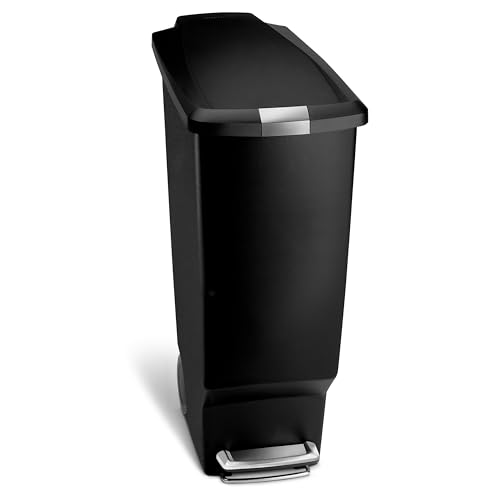
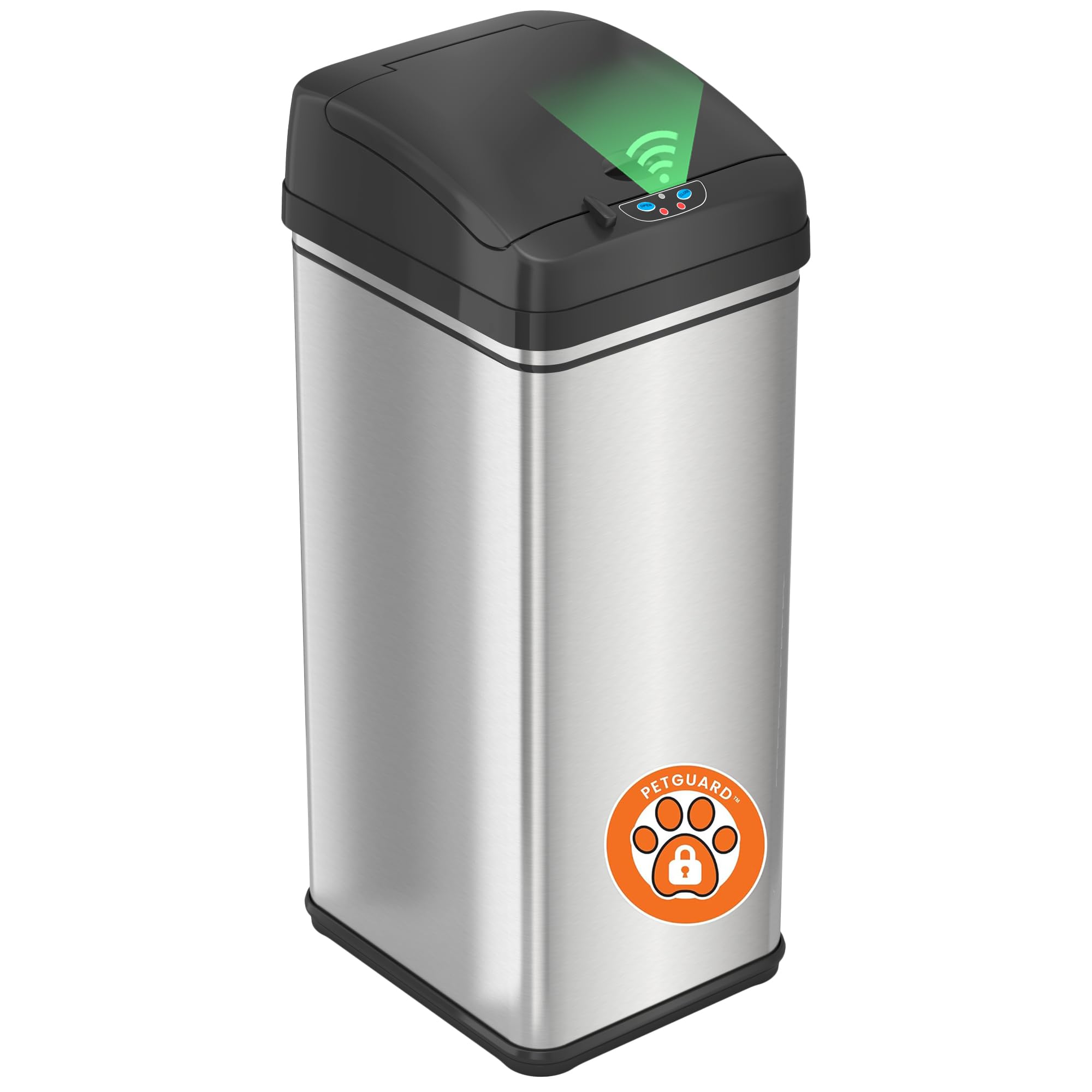
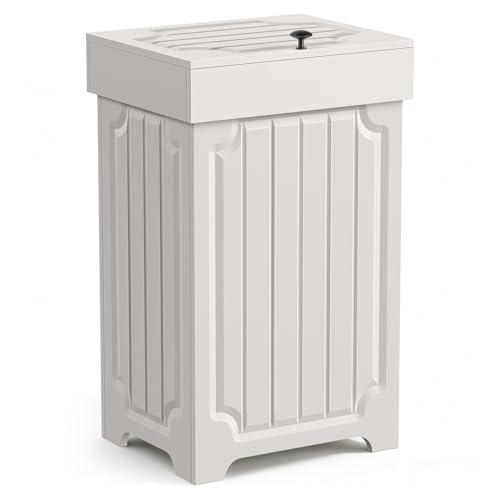
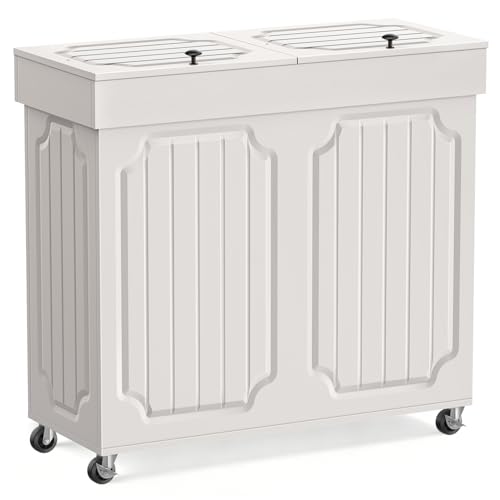
This guide looks at the lids, weight and seals that actually keep dogs out, plus how placement and daily habits back them up. The product table lays out the main can styles side by side, and the sections after it explain which features matter for which kind of dog.


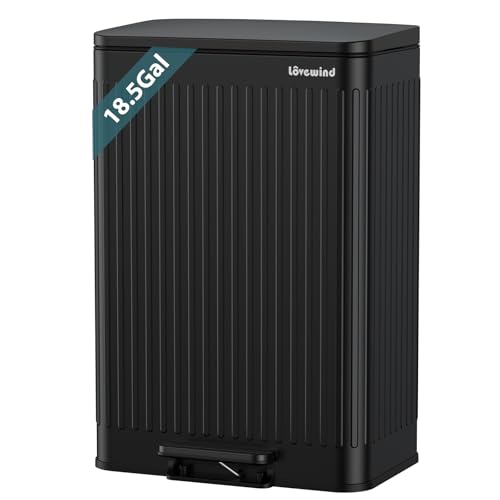

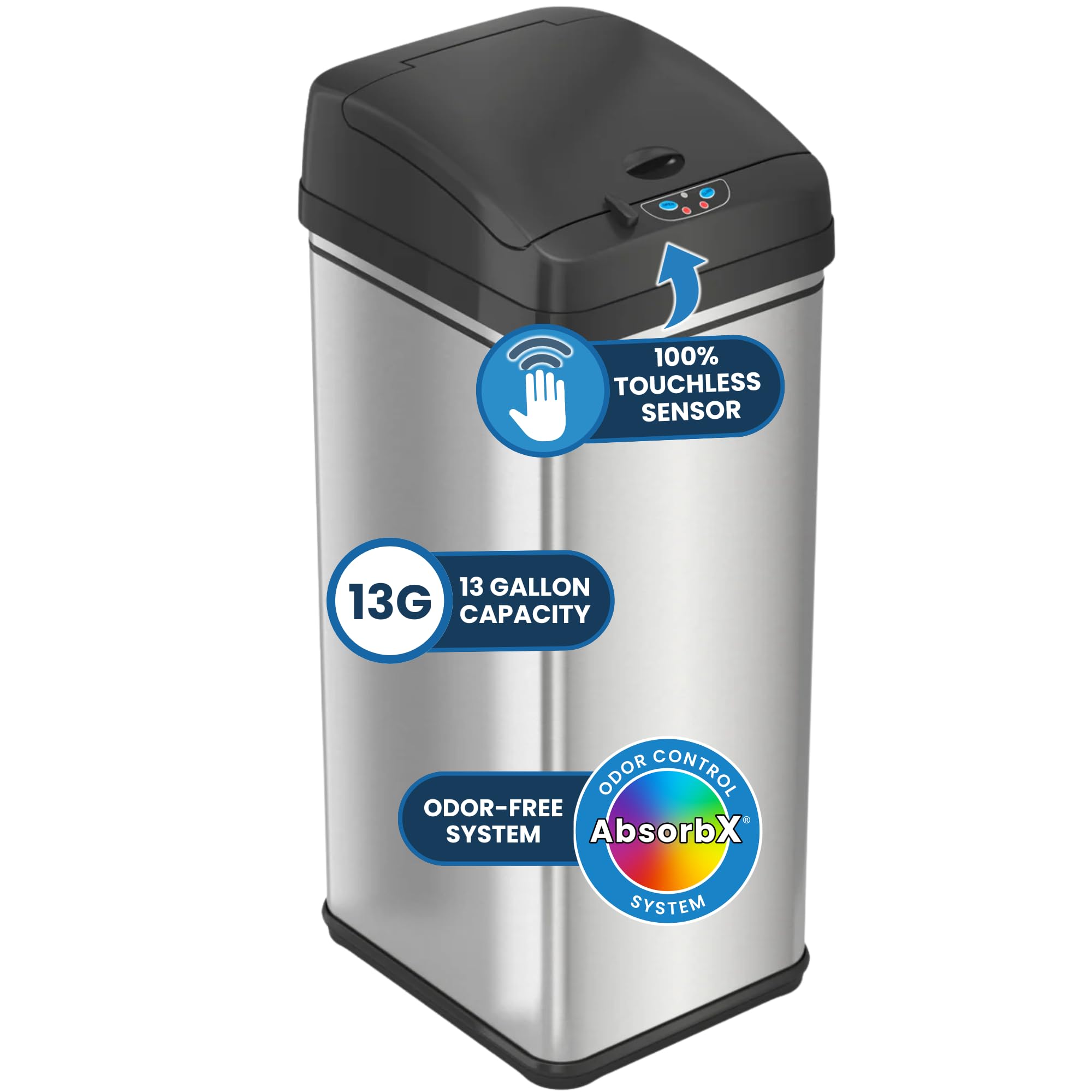
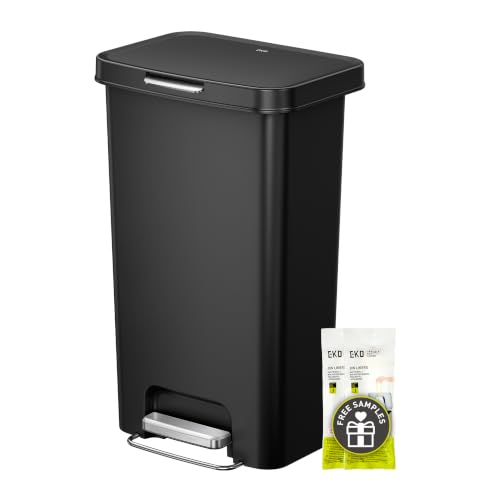
Who Should Buy Which Kitchen Trash Can for Dogs?
Owners of Tall Dogs That Reach and Paw at Lids
Large breeds can rest a chin on the rim of a standard can and work a paw under the lid edge, so height and a flush fitting lid matter as much as the lock itself. Choose a taller can whose lid sits down inside the rim rather than perching on top, since a raised edge gives teeth and claws a starting point. A lock you can engage with one hand also matters, because a lock that is fiddly simply stays unused.
Owners of Puppies and Determined Chewers
Puppies explore with their mouths, and a plastic rim or an exposed liner edge becomes a chew toy with a food smell attached. A smooth metal shell with the liner fully hidden gives a young dog nothing to grab, and a pedal design keeps small paws busy without reward. Supervision still matters during training, since no can teaches manners on its own, but the right shell removes the easy wins that turn curiosity into a habit.
Multi Dog Homes With Heavy Food Waste
More dogs usually means more people, more cooking and more scraps, and odor builds faster than a small can can hide it. Capacity and seal quality lead the decision here, and our guide to the best large kitchen trash can covers the bigger formats worth considering. A wide, stable base also earns its keep when two dogs jostle past the can on their way to their bowls.
Key Features to Compare
Locking Lids and Latch Strength
A real lock is the single feature that changes the outcome, because it holds the lid shut even when the can rocks or tips. Sliding locks and positive latches both work; what matters is that the lid cannot be lifted by a nose pushing up at the front edge. Check the idea when you shop by picture and description: if the lid only rests on the rim by gravity, a determined dog treats it as a puzzle with food inside, and most dogs solve it.
Weight and Tip Resistance
A heavier steel can with a wide base and a low center of gravity stays upright when a dog leans, paws or bumps it during a raid attempt. Weight matters beyond tipping, too, because a light can slides across the floor and ends up in a corner where the lid can be worked against a wall for leverage. A can that does tip despite its weight is exactly why the lock above matters, since a locked lid keeps the contents in even on its side.
Opening Style and How Dogs Defeat It
Each opening style has a weakness a dog can learn. Step pedals are paws in disguise, and smart dogs press them within weeks once they see you do it. Sensor lids open for any warm body standing in front, which includes the dog. Plain lift lids ask the least effort of all. None of this makes these styles unusable, but it means the opening method should never be your only defense; pair any of them with a lock or a cabinet and the style becomes a matter of your convenience, not the dog safety plan.
Odor Control and Liner Security
A tight seal does double duty in a dog home, because it keeps smells from advertising the contents across the room. Charcoal filters in the lid help between bag changes, though taking food scraps out nightly helps more. Liner security matters just as much: choose a rim, ring or tuck system that hides the entire bag edge inside the can. A liner tail hanging outside is a handle, and dogs pull handles, which spreads a full bag across the floor.
Capacity for Dog Households
The 13 gallon size suits most homes because it matches standard tall bags, and our guide to the best 13 gallon kitchen trash can explains the sizing in detail. Go larger if your household fills a bag with packaging and pet related waste every day or two, since an overfull can props its own lid open and defeats the seal. A slightly bigger can that closes fully beats a smaller one stuffed past its rim every single time.
Shell Material and Cleanup After a Raid
Stainless steel resists scratching, does not flex under a pawing dog and, unlike plastic, does not hold onto old food smells after washing, and our guide to the best stainless steel kitchen trash can compares finishes worth choosing. A smooth removable inner bucket matters on the bad days, because it lifts out and hoses down in minutes. Avoid shells with deep exterior grooves or textured rims, since grime and drool collect there and take real scrubbing to shift.
Placement and Setup That Keep Dogs Out
The strongest setup removes access instead of winning a wrestling match: a can inside a cabinet on a pull out frame, or behind a door with a latch, ends the contest entirely for the most determined dogs. If the can stays in the open, park it in a corner away from the feeding station, so the trash does not sit inside the zone your dog already associates with food. Keep the floor spot consistent rather than moving the can around, since dogs raid less when the routine never changes. One safety point belongs here: trash holds real hazards for dogs. Cooked bones splinter, coffee grounds and chocolate are toxic, and gum sweetened with xylitol is dangerous even in small amounts. If your dog eats any of these, call a veterinarian promptly instead of waiting for symptoms.
Common Mistakes to Avoid
- Trusting a sensor lid around dogs, since the sensor reads a passing dog the same as a person and opens on its own.
- Letting the liner edge hang outside the rim, which gives teeth an easy grip to pull the whole bag out at once.
- Picking a light plastic can that a large dog can drag across the floor or tip over in seconds.
- Setting the can right beside the feeding bowls, which teaches the dog that the best smells in the house live in that corner.
- Assuming a closed lid is a locked lid, when most unlatched lids lift with one steady push of a nose.
How to Make Your Kitchen Trash Can Last Longer Around Dogs
Wash the inner bucket with warm water and dish soap every week, and wash it the same day after any raid, because odor left soaking into surfaces invites repeat visits. If you disinfect, rinse every trace away and let the can dry fully before the liner goes back, so no residue reaches paws or noses, and never mix bleach with ammonia based cleaners while you work. Keep cleaning products and spare liners stored locked away from pets and children. Inspect the latch, pedal and lid hinge monthly for chew marks or bent parts, since a lock that starts to slip is worse than none at all. Replace charcoal odor filters on the schedule the maker suggests, and wipe paw prints off the shell before grime builds into the finish.
FAQ
Can a dog learn to open a step trash can?
Yes, many dogs figure out the pedal within a few weeks, pressing it with a paw or nosing the lid seam while they stand on it. Treat the pedal as your convenience feature, not the barrier. The habit that protects the trash is engaging the lock whenever you leave the room, because a lock stays a barrier long after the pedal stops being a puzzle.
Are motion sensor trash cans a bad idea for dog owners?
For most dog homes, yes, unless the can also has a lock or lives inside a cabinet. A sensor cannot tell a dog from a person, so it opens every time the dog wanders past. Each accidental opening also rewards the dog for hovering at the can, which trains exactly the habit you are trying to end.
What should I look for in a kitchen trash can for dogs?
Beyond a lock, a tight seal and hidden liner edges, measure your dog. Have the dog stand on all fours and note the height from the floor to the tip of the nose, then choose a can at least that tall. A rim above comfortable nose reach removes the casual sniffing that turns into pawing, tipping and full raids.
How do you clean a kitchen trash can after a dog has raided it?
Take the whole can outside before you start, and check the bucket seams and lid hinge for bone fragments and sharp bits hiding in the corners before any washing. Then wash the bucket, lid underside and rim with hot soapy water, rinse well and let everything dry in the open air. The outside check matters because a leftover shard can cut the next liner.
What size trash can works best for a home with two large dogs?
Count every waste stream before you size up: food packaging, daily scraps and the pet waste bags many owners drop in the kitchen can. Two large dogs often push a household past a 13 gallon bag in about two days, so a larger single can or a dual compartment model that separates recycling usually fits better than a standard size stuffed to the rim.
Final Thoughts
Match the lock and weight to your dog strength and habits, place the can with some thought, and the trash stops being a daily contest. Compared with the product table above, the best kitchen trash can for dogs is the one your dog can push, paw and sniff without ever getting a reward. For a wider look at every lid style beyond dog focused models, our guide to the best kitchen trash can compares them all. And if your dog does get into something harmful, call a veterinarian right away rather than waiting to see how it goes.


