
Best Lightweight Steam Mop for 2026: Light in Hand, Safe on Floors
Disclosure: We may earn a commission when you buy through links on this page, at no extra cost to you. As an Amazon Associate I earn from qualifying purchases. Learn more

Choose a lightweight steam mop by true working weight, tank size and floor safety. Compare steam settings, pads and cords for tile, wood and laminate.
A steam mop only earns its closet space if you reach for it without sighing, and that is exactly where weight stops being a spec and becomes the product. The best lightweight steam mop feels easy to push when its tank is full, turns under furniture without wrist strain, and still puts out enough steam to loosen dried kitchen spills. Models that chase power with big tanks and heavy bodies quietly become the mop you avoid, and an avoided mop cleans nothing.
This guide weighs the lightweight class properly: working weight with water in, tank size against your floor area, steam control for delicate surfaces, and the safety rules that come with mixing steam, water, and electricity. The product table shows the main designs, and the sections after it explain how to match one to your floors.


Who Should Buy a Lightweight Steam Mop?
Apartment dwellers with modest hard floor areas
Small kitchens and bathrooms do not need a giant tank, so a light mop with a compact reservoir covers the whole job on one fill and stores in a sliver of closet. If your hard floors total a few hundred square feet, this class was designed for you.
Anyone whose wrist, shoulder, or back complains about mopping
Pushing a mop is repetitive work at an awkward angle. A lighter body with a swivel head cuts the effort on every pass, and the difference grows with room size. For multi room hard floor homes, saving two or three pounds per session is the difference between weekly mopping and monthly excuses.
Homes with kids and pets that want chemical free floor cleaning
Steam cleans with water alone, which appeals to households that dislike detergent residue where babies crawl and pets lick their paws. A light mop makes the quick after dinner cleanup realistic, and quick cleanups are the ones that actually keep floors ahead of the mess.
Key Features to Compare
True working weight, not dry weight
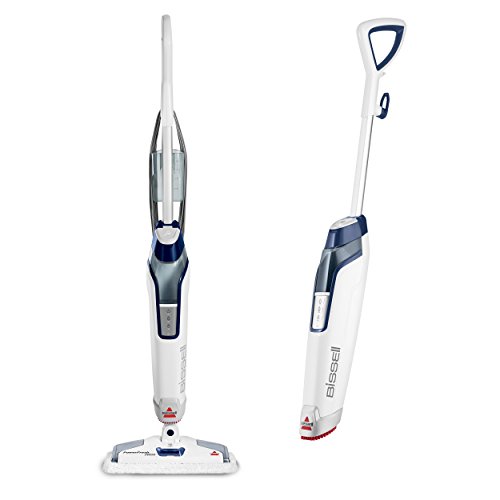
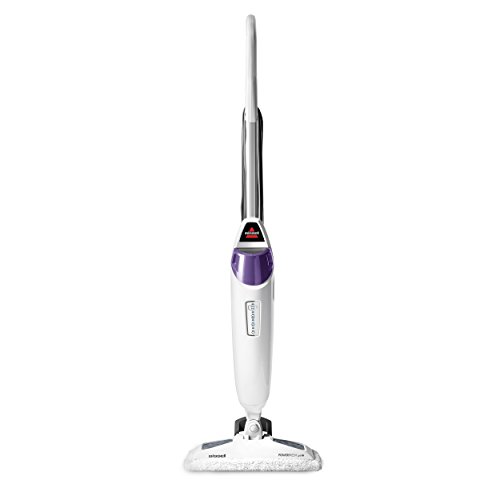
Listings quote the weight of the mop empty, but you push it full. Water adds roughly a pound per pint in the tank, and cord drag adds more effort than the scale shows. As a guide, the lightest steam mops run about three to five pounds ready to work, while heavier standard models reach seven or more. Also judge the balance in your head before buying: a mop that carries its weight low near the head feels lighter in use than a top heavy design of the same scale weight, because your wrist is not fighting the tilt on every turn.
Tank capacity against your floor area
Small tanks keep weight down but run dry mid room, and refilling means waiting for the mop to cool or risking a steam burn at the cap. Most lightweight models hold roughly 8 to 16 ounces, enough for a few hundred square feet per fill depending on steam setting. Match the tank to your largest single mopping area: kitchen plus bathroom on one tank suits most apartments, while open plan homes should accept a slightly larger tank or plan a refill stop. Removable tanks that fill at the sink beat fixed ones you fill with a jug over the mop.
Steam settings and floor safety
Adjustable steam is the feature that separates careful lightweight mops from risky ones. High steam suits sealed tile and grout, while the lowest setting is the only sensible choice for sealed hardwood and laminate, which can be damaged by heat and moisture forced into seams. No steam mop belongs on unsealed wood, waxed floors, or flooring whose maker bans steam, and that warning overrides any mop marketing. If your home mixes surfaces, compare the floor specific advice in our best steam mop for hardwood floors guide before choosing how much steam control you need.
Heat up time and steam consistency
Lightweight mops heat fast, often in about thirty seconds, because their boilers are small. That speed suits spot cleaning, but small boilers can also pulse: steam flows strong, fades while the element recovers, then returns. For dried spills, a mop that holds steady steam beats one with a higher peak and a fading cycle. Pump assisted designs push water to the element on demand and tend to hold output steadier than gravity fed ones, a detail worth checking in the description of any model you shortlist.
Pads: grip, wash life, and spares
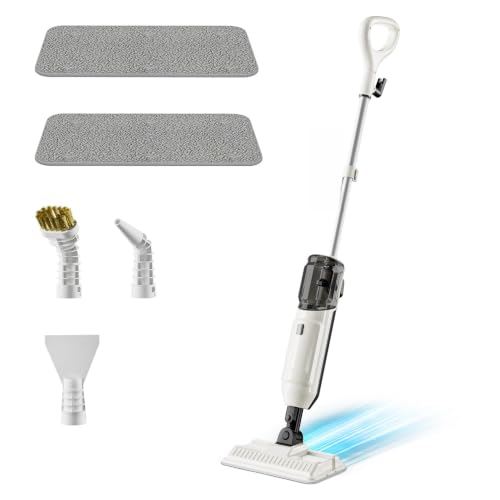
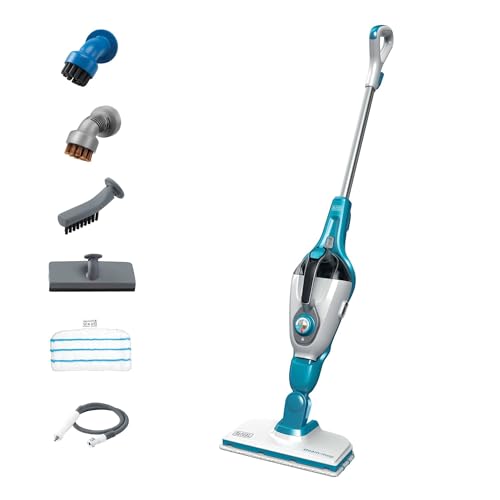
The pad does the scrubbing while steam does the loosening. Microfiber pads with scrubbing strips handle grout lines and textured tile better than flat pads alone. Every lightweight mop should ship with at least two pads, because a pad loaded with dirt halfway through a big floor just moves grime around. Pads are washable many times, but they thin out and lose grip with age, so price replacements before buying; a mop with cheap available pads costs less over its life than a bargain mop with orphan pads. Tile heavy homes can compare pad styles in the best steam mop for tile floors roundup.
Cord length and head maneuverability
Nearly all steam mops are corded, and cord length decides how often you stop to move the plug; around 20 to 25 feet covers most rooms. The head matters as much as the cord: a low swivel head slides under toe kicks and around toilet bases, where bathroom grime actually lives. Triangle or corner shaped heads reach into angles that rectangular heads bridge over. For laminate areas, which need the gentlest steam and quick passes, the best steam mop for laminate floors guidance on moisture control is worth reading alongside the general best steam mop overview.
Using a Lightweight Steam Mop Safely
Steam leaves the head hot enough to scald skin, so treat the mop like a kettle with a handle: never touch the pad or head during or right after use, and let it cool on a heat safe surface before changing pads. Plug into a GFCI protected outlet in kitchens and bathrooms, keep the cord out of standing water, and never leave a plugged in mop standing unattended where kids or pets can knock it over. Vacuum or sweep first, because steam over loose grit grinds it into the finish. Only add water to the tank unless the maker explicitly allows a cleaning solution, and store cleaning chemicals locked away from children and pets rather than beside the mop.
Common Mistakes to Avoid
- Steaming unsealed or steam banned floors: heat and moisture swell seams and cloud finishes, and the damage appears slowly, long after the warranty talk ends.
- Holding the mop still on one spot: parked steam overheats a small area, which can soften vinyl and lift laminate edges instead of cleaning better.
- Skipping the sweep or vacuum first: loose grit under a hot pad acts like sandpaper, dulling the very floors you are trying to protect.
- Using hard tap water in a dry climate boiler: mineral scale builds inside small boilers quickly, choking steam output within months.
- Grabbing the pad right after a session: pads hold scalding water well after the steam stops, so cool down time is part of the job, not a suggestion.
How to Make a Lightweight Steam Mop Last Longer
Use distilled or demineralized water if your tap water is hard, and empty the tank after each session rather than storing the mop full, which keeps seals and the boiler cleaner. Descale on the maker schedule with the method the manual names, and stop using any solution the manual does not approve. Wash pads after every use, let them dry fully before storing, and replace them when they stop gripping dirt even after washing. Coil the cord loosely, store the mop upright in a dry spot, and check the cord and plug for damage before each use, since water and worn cords are a combination never worth risking.
FAQ
Can a lightweight steam mop be used on laminate floors?
Only on laminate whose maker allows steam, and only on the lowest setting with constant motion. Some laminate warranties exclude steam outright, because moisture driven into the seams swells the core. When in doubt, ask the floor maker, not the mop maker, and try a closet corner first. Many laminate owners end up preferring a barely damp flat mop instead.
Do steam mops really clean without chemicals?
Yes for everyday soil: steam loosens dried spills and sticky films so the pad can lift them, with water as the only input. Makers often state that sustained steam contact kills common household germs on hard sealed surfaces when used exactly as directed, but that is a surface hygiene claim under controlled conditions, not a promise for every pass. For greasy kitchen zones, a pre wipe on the worst spots still helps.
How long does a steam mop take to heat up?
Most lightweight models are ready in about twenty to thirty seconds, much faster than standard mops with larger boilers. That speed is a core perk of the class and makes short jobs practical. The trade is recovery: after long continuous steaming, output can dip briefly while the small boiler catches up, so work in sections on big floors.
Should you use distilled water in a steam mop?
If your tap water is hard, yes. Minerals in hard water deposit inside the small boiler and lines, and lightweight mops have less tolerance for scale before steam weakens. Distilled water is cheap insurance. In soft water areas, tap water is usually fine, but emptying the tank after use still slows buildup and keeps stored water from going stale.
Are steam mop pads reusable, and when should you replace them?
Yes, microfiber pads are machine washable and typically last through dozens of washes. Wash them without fabric softener, which coats the fibers and ruins absorbency. Replace a pad when it looks thin, stops picking up dirt evenly, or leaves streaks after washing. Keeping three or four pads in rotation means a dirty pad never forces you to mop a whole floor with grime.
Final Thoughts
The best lightweight steam mop is the one you will happily push weekly: honest working weight, a tank matched to your biggest room, steam control your floors can live with, and pads you can replace cheaply. Compare the designs in the product table above, check your flooring maker steam policy before you buy, and observe the GFCI and cool down habits from day one. Light, safe, and used often beats powerful and parked in the closet every time.


