
Best Pet Hair Remover for Carpet: A 2026 Buying Guide
Disclosure: We may earn a commission when you buy through links on this page, at no extra cost to you. As an Amazon Associate I earn from qualifying purchases. Learn more

Compare pet hair removers for carpet: rakes, rubber rollers and reusable tools that pull embedded hair from pile, plus prices and care tips.
Vacuuming lifts loose hair from carpet, but the hair woven deep into the pile by foot traffic and pet naps stays behind, and it shows up as a dull shadow on the fibers. A dedicated removal tool rakes, rolls, or scrapes that embedded hair free. Choosing the best pet hair remover for carpet depends on your carpet pile, the size of the area, and whether you want a tool with no refills. The comparison table below puts the main types side by side.
This guide explains how each tool type works on carpet, what separates a sturdy rake from a flimsy one, and how to work a room so the hair comes up instead of moving around. For other surfaces, our guide to the best pet hair remover tools covers the full range.




Who Should Buy Which Pet Hair Remover for Carpet?
Owners of Heavy Shedders With Whole Rooms to Clear
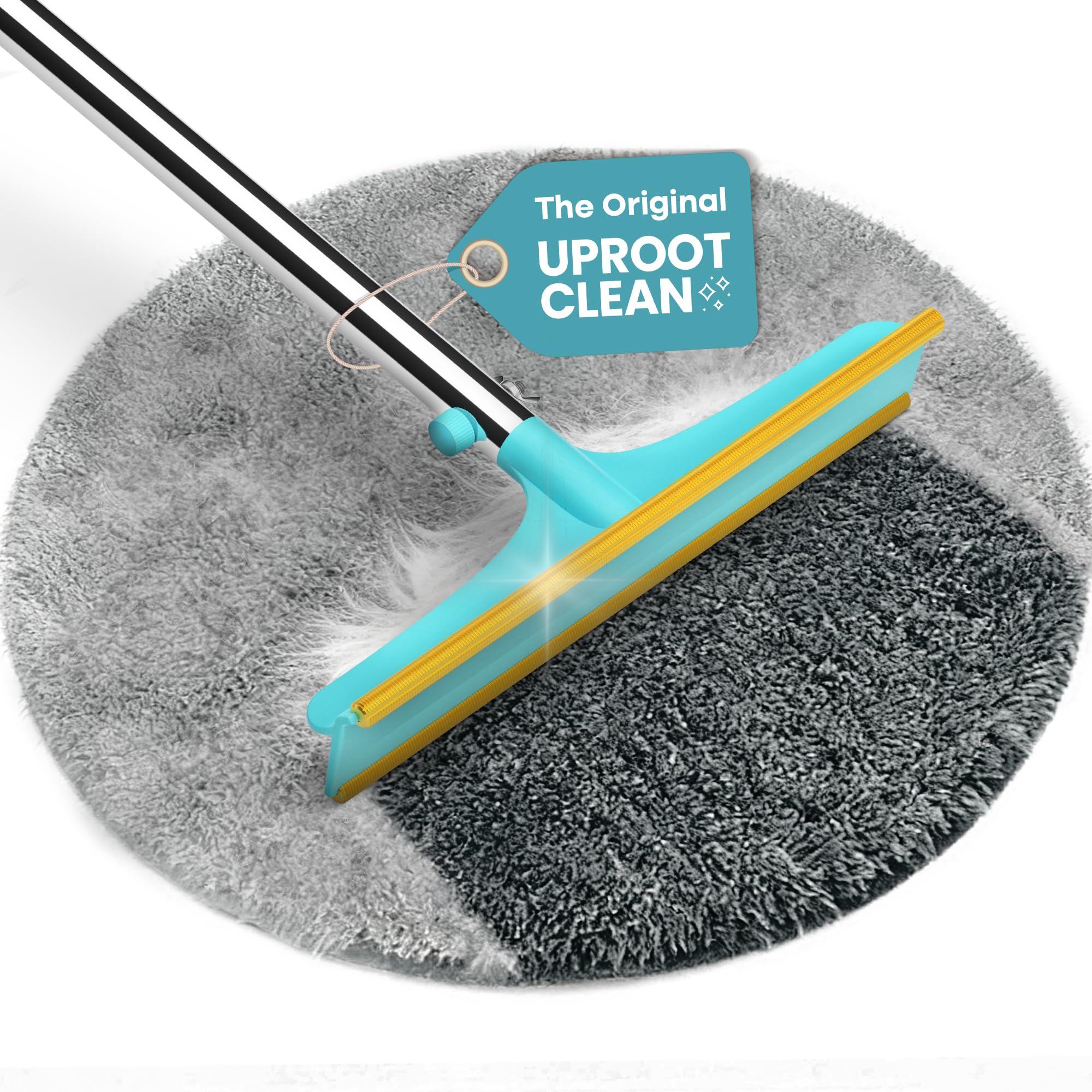
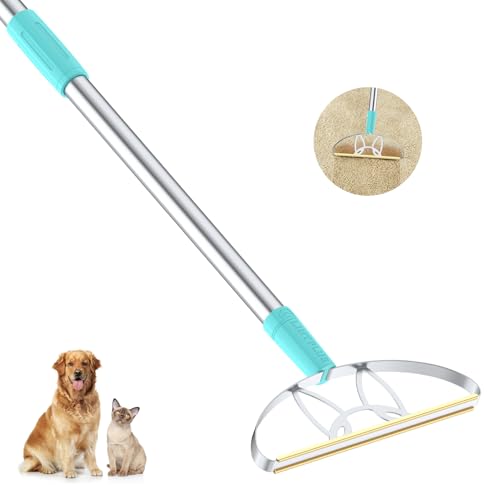
If a double coated dog or a long haired cat has claimed the living room, you need a long handled carpet rake that covers ground in wide passes and gathers hair into lines you can pick up. Look for a telescoping handle so you can work standing up, and a head wide enough for open floor but narrow enough to fit between furniture legs.
Apartment Dwellers Doing Spot Work on Rugs and Stairs
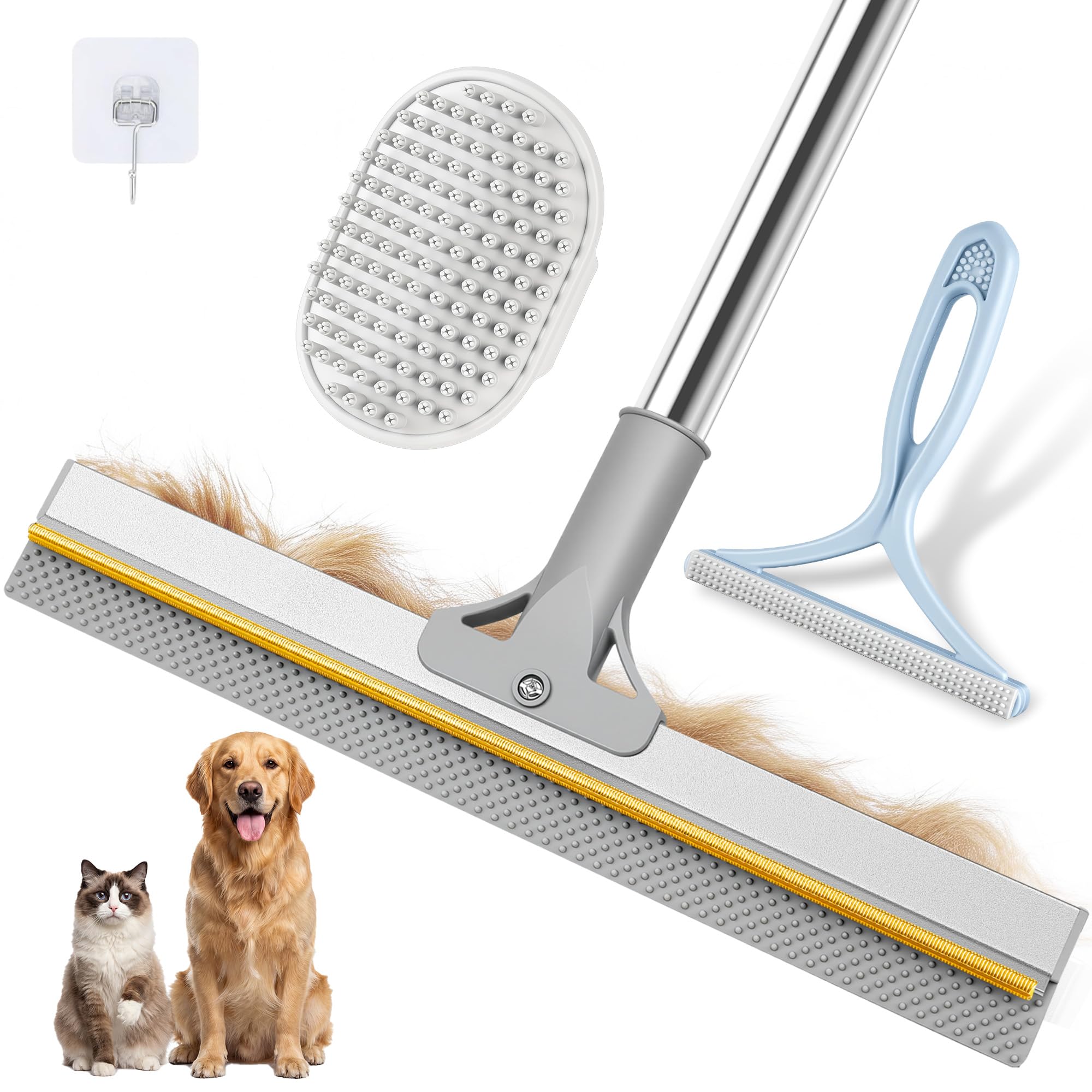
For a few rugs, a runner, and carpeted stairs, a compact handheld tool is the better buy. Rubber edged scrapers and reusable rollers shine on stair treads and rug corners, where a big rake cannot maneuver. A small tool also stores in a drawer, which matters when the whole cleaning kit shares one closet.
Allergy Sensitive Households That Clean Often
If hair removal is a two or three times a week routine, skip anything with sticky refills and choose a reusable tool you can rinse and put away. Refill costs add up fast at that pace, and a washable rubber tool is ready every time. Pair it with a lint roller kept for clothing, since frequent carpet work and outfit checks go together in pet homes.
Key Features to Compare
Tool Type and How It Grabs Hair
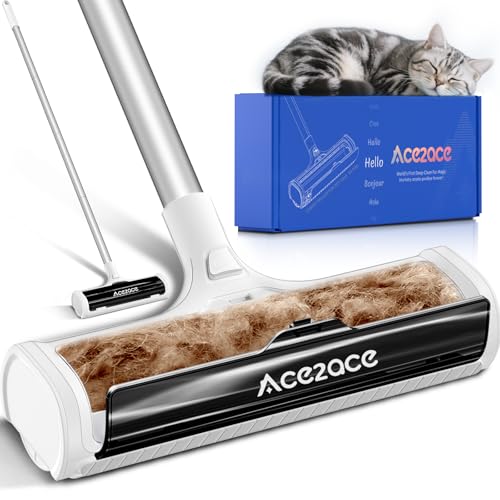
Carpet rakes use rubber or metal teeth to drag hair out of the pile and ball it up for pickup. Rubber squeegee style blades rely on static and friction, which works well on low pile. Reusable rollers with a fabric chamber collect hair as you push back and forth, and sticky sheet rollers exist too, though sheets tear and fill quickly on carpet. Match the mechanism to your pile depth before anything else, because a tool that skims the surface will disappoint on plush carpet.
Handle Length and Reach
A long handle saves your back on whole rooms and reaches under sofas where hair drifts and settles. Telescoping handles, often adjusting from about 30 to 50 inches, suit users of different heights and store shorter. Handheld tools trade reach for control, which is what you want on stairs and car mats. Some rakes offer both, with a head that detaches for close work, and that flexibility is worth paying for.
Head Width and Edge Design
Wider heads, around 12 inches, clear open carpet quickly but struggle in corners and along baseboards, where hair collects most. A head with a tapered or angled edge pulls hair out of the carpet edge instead of pushing it against the wall. Narrow heads around 5 to 7 inches suit stairs and rugs. If your home mixes both, a mid width head plus a small handheld scraper covers everything.
Refills, Waste, and Running Cost
Reusable tools cost more up front and nearly nothing after, while sticky rollers are cheap to buy and keep charging you for sheets. On carpet, a single room can eat several sheets, so the math favors reusable designs for anyone cleaning weekly. Also consider waste: a rake produces a ball of hair and nothing else, which many pet owners prefer over a trash can of used adhesive sheets.
Build Quality and Grip
Raking carpet is real exercise, and weak handles flex or snap at the joint where the head meets the pole. Look for metal or reinforced handles, a head that locks without wobble, and rubber teeth that are molded in rather than glued. A padded grip helps on long sessions. Cheap tools often fail at the telescoping lock, so check that the collar tightens firmly and stays put under pressure.
How to Remove Embedded Pet Hair From Carpet, Step by Step
Start by vacuuming the room as usual, since the rake works best on hair that is already loose at the surface. Then rake in short, firm strokes toward yourself, working in a grid so no patch is missed. Hair gathers into clumps and lines; pick these up by hand or with the vacuum hose rather than running the full vacuum again, which can scatter the piles. Work the edges and the areas in front of sofas and pet beds twice, because traffic presses hair deepest there.
On stairs, switch to the handheld tool and pull downward toward the tread edge, then lift the collected hair away. For rugs that slide, stand on one end while you rake the other. When the room is done, rinse rubber tools and let them dry; a clean rubber edge grips better next time. Clothes need a different touch, and our guide to the best pet hair remover for clothes covers gentler tools for fabric you wear.
What Pet Hair Removers for Carpet Cost
Handheld scrapers and small rollers run under $10 and are a cheap way to test the idea on stairs and rugs. Long handled rakes and quality reusable tools sit around $10 to $30, which is where most carpet owners should shop. Above $30 you find bundled kits with several heads or premium roller systems. Since there are no ongoing costs with reusable designs, a mid priced rake usually pays for itself within a few months of avoided vacuum bags and sticky sheets.
Common Mistakes to Avoid
- Raking before vacuuming, which drags grit through the pile and wears the tool edge faster.
- Pressing harder when little hair appears, instead of checking that the tool type matches your pile depth.
- Using a sticky sheet roller as the main carpet tool, burning through refills on a single room.
- Skipping baseboards and furniture edges, where the most visible hair actually collects.
- Choosing a metal toothed rake for delicate loop pile or antique rugs, which can snag and pull loops loose.
- Leaving collected hair sitting on the carpet, so foot traffic presses it straight back into the pile.
How to Make Your Pet Hair Remover Last Longer
Rinse rubber heads and blades after each session and let them dry fully, since damp rubber stored in a closed closet can grow tacky and lose its grip. Check rake teeth for bent or cracked sections and trim away hair wrapped around the head joint. Store long handled tools hanging or standing in a corner rather than leaning on the head, which warps the edge. For roller style tools, empty the chamber every session and wipe the fabric surface so it keeps collecting at full strength. Keep the carpet tool for carpet only; dragging it across rough concrete or deck boards chews the edge quickly.
FAQ
Does a carpet rake work better than a vacuum for pet hair?
For embedded hair, yes, because the teeth reach into the pile and pull out hair the vacuum airflow cannot move. For surface hair and general dirt, the vacuum is faster and more thorough. Most pet owners use both: vacuum first, rake second, then pick up the gathered clumps. The combination leaves carpet visibly cleaner than either tool alone.
Will a pet hair rake damage carpet fibers?
Rubber tools are safe on most cut pile and low pile carpets when used with moderate pressure. Metal toothed rakes need more care: test one on a hidden corner first, and avoid them on loop pile, Berber, and fragile vintage rugs, where teeth can catch a loop and pull a run. If fibers start coming up with the hair, switch to a rubber edge.
How often should you rake pet hair out of carpet?
Once a week keeps up with a moderate shedder, and twice a week during spring and fall shedding peaks. High traffic zones near doors and pet beds benefit from a quick pass every few days. Regular short sessions beat one long monthly battle, because hair that sits gets walked deeper into the pile and takes more effort to free.
Can the same pet hair remover handle the couch and the carpet?
Handheld rubber scrapers and reusable rollers usually can, since upholstery pile is shallow like low pile carpet. Long handled rakes are awkward on furniture and their teeth can be rough on woven upholstery fabric. Many owners keep the rake for floors and a small tool for furniture; our guide to the best pet hair remover for couch use explains the gentler approach sofas need.
What removes pet hair from carpet when you have no special tools?
A damp rubber glove drawn across the carpet gathers hair surprisingly well, and a window squeegee does the same job on low pile. Both are slow over a whole room, which is why dedicated tools exist. For laundry day loads of hairy blankets, our guide to the best pet hair remover for laundry covers dryer friendly options instead.
Final Thoughts
Match the tool to your pile first, then to the size of the job: a sturdy rake for rooms, a compact scraper for stairs and rugs, and reusable designs if you clean often. With the vacuum first, rake second routine, embedded hair stops being a permanent shadow on your floors. The product table above lines up the main options so you can choose the best pet hair remover for carpet in your home with confidence.


