
Best Reusable Pet Hair Remover in 2026: A Buying Guide
Disclosure: We may earn a commission when you buy through links on this page, at no extra cost to you. As an Amazon Associate I earn from qualifying purchases. Learn more

Compare reusable pet hair remover types for sofas, carpet, clothes and car seats. Look at surface fit, hair chamber size, edges and long term upkeep.
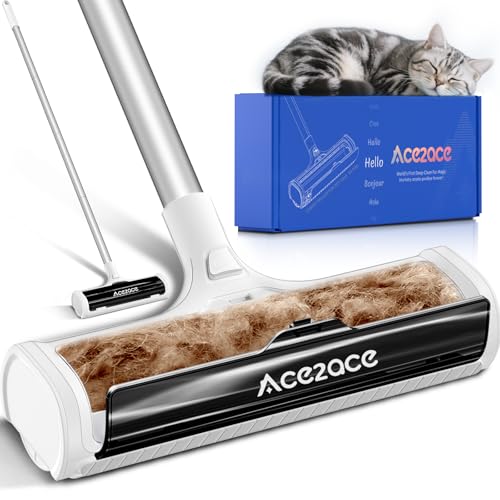
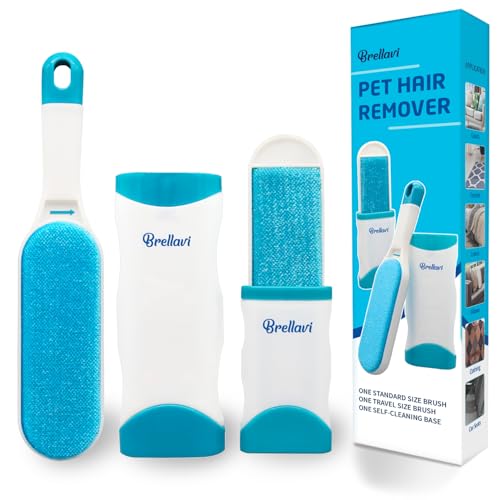
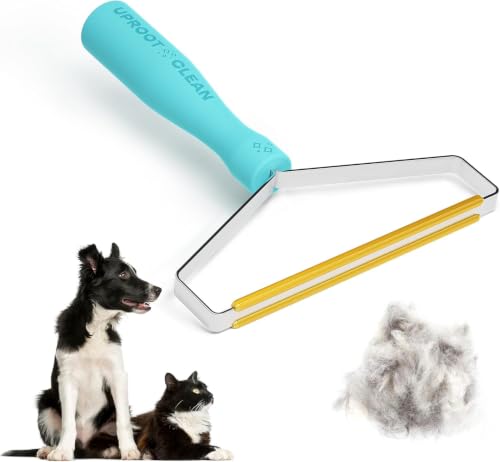
Sticky rollers work, but they also turn pet hair into a permanent subscription of refill sheets that run out at the worst moment. Reusable removers promise a different deal: one tool, no refills, and hair collected in a chamber or lifted by a textured edge. The catch is that the category covers several unlike designs, and the type that strips a carpet clean may do almost nothing on a black sweater. Choosing the best reusable pet hair remover starts with the surface you clean most, then the hair type your pet actually sheds. The product table near the top groups the main designs by where they work best.
This guide explains how each reusable design picks up hair, where each one struggles, and which details, such as chamber size and edge material, decide whether the tool stays in daily use or ends up in a drawer.




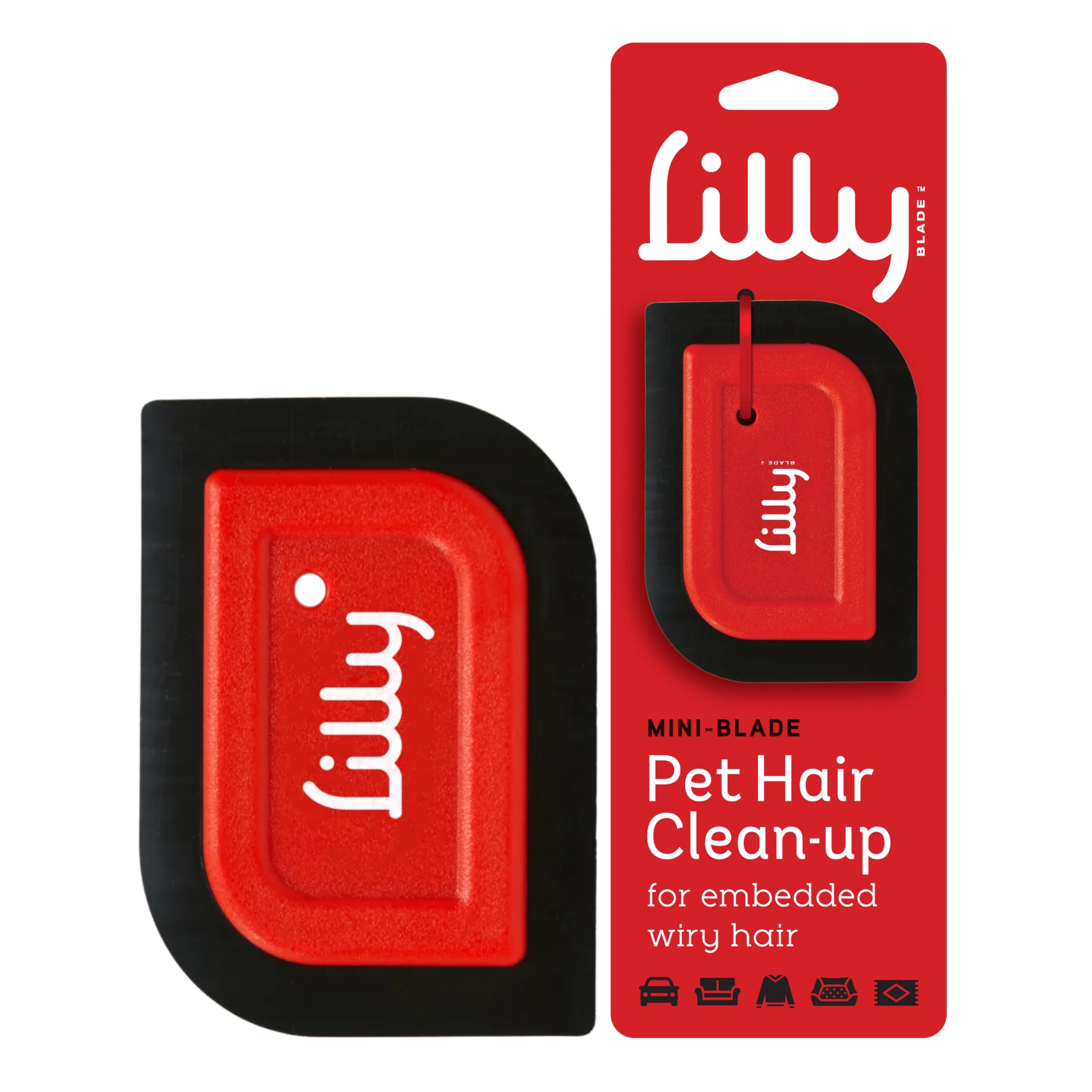
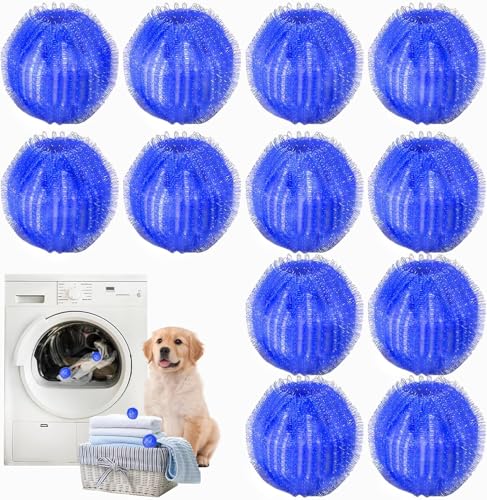
Who Should Buy Which Reusable Pet Hair Remover?
Sofa and Upholstery Owners
Couches collect hair deep in fabric weave and along seams, so this group gets the most from roller designs with a self cleaning base and from wide fabric brushes worked in short strokes. A tool you can run over a cushion in ten seconds before guests arrive will get used; a fiddly one will not. If your furniture is the main problem, start with the designs in guides to the best pet hair remover for furniture, and favor a large rolling surface and a chamber that empties without opening a mess over your clean sofa.
Carpet and Rug Households
Hair on carpet is a different physics problem: it weaves into the pile and resists anything that only touches the surface. Rubber rakes and brooms with flexible fingers pull embedded hair up into clumps you can vacuum or pick up, which makes them the workhorse for stairs, rugs and pet beds. Owners whose floors are the main battlefield should compare these rakes with the options covered under the best pet hair remover for carpet, where the emphasis is on reaching below the pile surface.
Clothing and Car Interior Touch Ups
Some owners care less about floors and more about the last minute pass over a jacket, car seat or fabric stroller. Compact double sided brushes and small rollers shine here because they live in a coat closet, glove box or laundry room. For laundry itself, reusable balls and discs that tumble in the wash are a separate solution, compared in the roundup of the best pet hair remover for laundry. For clothes you are about to wear, a handheld brush kept near the mirror, of the kind listed among the best pet hair remover for clothes, is the realistic daily tool.
Key Features to Compare
Removal Mechanism and How It Grabs Hair
Reusable removers use one of three tricks. Textured rollers rely on a velvet like surface that grabs hair as it rolls and deposits it in a chamber when the direction reverses. Rubber edges and rakes use flexible fingers that create drag and static, pulling hair out of pile and into clumps. Fabric brushes use a directional nap that lifts hair in one stroke direction and releases it when stroked the other way over a hard edge. None of these needs refills, but they differ sharply by surface: rollers excel on flat upholstery, rakes on carpet, and brushes on clothing.
Surface Compatibility and Fabric Safety
The strongest remover is the wrong tool if it snags your fabric. Metal edged scrapers strip carpet hair impressively but can pull loops on delicate upholstery, knitted throws and car headliners. Rubber and fabric designs are gentler and safer across mixed surfaces, at the cost of more strokes on embedded carpet hair. Check whether the maker lists exclusions, such as silk, loose knits or leather, and test any new tool on a hidden corner first. If your home mixes leather furniture with fabric, plan on the gentle design and accept slower work on carpet days.
Chamber Size and Emptying Design
Roller designs collect hair in an internal chamber, and its size decides how often you stop mid job to empty it. A chamber that opens with one press and wipes clean keeps the rhythm going; a chamber that needs prying and picking will annoy you by the third use. During heavy shedding season, a small chamber on a big sofa job means four or five stops. Look for a lid that seals well enough that collected hair does not drift back out when you tilt the tool.
Size, Weight and Where the Tool Lives
Pet hair tools succeed when they are within reach at the moment hair appears. Full size rollers suit a laundry room shelf, travel size brushes suit a purse or glove box, and long handled rakes suit a closet near the stairs. Weight matters on vertical surfaces such as drapes and car seats, where a heavy roller tires your arm quickly. Many households end up with two: one thorough tool for weekly sessions and one small brush for daily touch ups. Buying the pair deliberately is cheaper than buying one premium tool that does neither job well.
Durability of Edges and Surfaces
The working surface is the part that wears out. Fabric naps flatten over time, rubber fingers can tear if they catch on carpet tacks or rough thresholds, and chamber hinges loosen with daily opening. Quality designs use replaceable or at least robust edge materials and a body that survives being dropped on tile. Before buying, check whether the textured surface can be rinsed clean, because a roller clogged with fine undercoat dust loses its grip long before it actually breaks.
Matching Remover Type to Surface
Flat woven upholstery responds best to rollers and fabric brushes worked with the weave, using short overlapping strokes and reversing direction to release hair into the chamber or off the brush edge. Carpet and rugs need the rake first: pull the rubber fingers toward you in rows, gather the clumps by hand or vacuum, and only then do a roller pass for the surface layer. Clothing responds to a dampened fabric brush or a light roller pass on a hard flat surface like a table, never while the garment hangs, because hanging fabric moves away from the tool. Car seats and pet carriers sit between upholstery and carpet, so start with the gentle brush and escalate to the rake only on the floor mats.
Common Mistakes to Avoid
- Buying one remover type for every surface, then concluding reusable tools do not work when the carpet rake disappoints on sweaters.
- Using a metal edged scraper on looped or delicate upholstery, which pulls threads and can ruin a cushion in one session.
- Letting the collection chamber overfill, which makes the roller redeposit hair instead of trapping it.
- Working dry carpet hair with long fast strokes, which builds static and blows light hair off the pile instead of gathering it.
- Storing a damp rubber rake pressed against other tools, which can stick, deform the fingers and shorten its life.
How to Make Your Reusable Pet Hair Remover Last Longer
Rinse rubber rakes and roller surfaces under the tap when fine dust dulls their grip, and let them dry fully before storage so the texture recovers. Empty the chamber after every session rather than letting packed hair sit, because compressed hair strains the lid and hinge. Keep fabric brushes clean by stroking them against a hard edge over a bin, and store them nap side protected so the directional fibers are not crushed flat in a drawer. Avoid leaving any of these tools in a hot car, where rubber hardens and plastic chambers warp. With basic care, a good reusable remover lasts years, which is the entire point of skipping refills.
FAQ
Do reusable pet hair removers work on short pet hair?
Yes, but short hair is the harder test because it spears into fabric and lies flat. Rubber rakes and dampened fabric brushes handle short hair best, since their drag lifts the flat lying strands. Rollers manage short hair on smooth upholstery but may need more passes on woven fabric. Short haired breeds also shed finer undercoat, so cleaning the tool surface more often keeps its grip strong through the job.
Can a reusable pet hair remover damage delicate fabrics?
It can if the design is too aggressive for the material. Metal edged tools are the risk on silk, loose knits, lace and worn upholstery, where they can snag threads. Rubber and fabric designs are safe on nearly everything washable, though you should still test a hidden spot first. When a fabric matters to you, choose the gentle tool and more strokes over the aggressive tool and one risky pass.
How do you empty and clean a reusable roller with a hair chamber?
Most chambers open with a button or a sliding lid over a bin; tap the body to drop loose hair, then wipe the roller surface with a dry cloth to restore its texture. If pickup weakens over time, rinse the roller surface, let it dry completely, and it usually grips like new again. Avoid soaking models with internal springs or hinges for long periods, and never put a chambered roller in the dishwasher.
How long does a reusable pet hair remover last?
A well made reusable remover lasts for years of regular use, far longer than the equivalent stack of sticky refills. The first parts to tire are the working surfaces: fabric nap flattens, rubber fingers nick, and lids loosen. Many owners find the tool still works at half its original speed after two or three heavy shedding pets, at which point replacement is about convenience rather than total failure.
Is a reusable pet hair remover better than a sticky lint roller?
For furniture and carpet, yes: reusable designs grab more hair per pass, cost nothing to run and never run out mid job. Sticky rollers still win for a ten second pass over a dark suit before you leave, since they live anywhere and work on lint as well as hair. Most pet homes keep both, using the reusable tool for real cleaning and a small sticky roller for emergencies.
Final Thoughts
Reusable removers are not one tool but a small family, and matching the design to your main surface is the whole decision. Rollers for upholstery, rakes for carpet, brushes for clothing, and a chamber and edge you can maintain in seconds. Chosen that way, the best reusable pet hair remover quietly replaces a shelf of refills and stays ready whenever the dog claims the sofa. Check the product table above to compare designs against your own mix of surfaces.


