
Best Pet Hair Remover for Couch for 2026: A Guide
Disclosure: We may earn a commission when you buy through links on this page, at no extra cost to you. As an Amazon Associate I earn from qualifying purchases. Learn more

Compare the best pet hair remover for couch fabrics by tool type, speed and upkeep, from reusable rollers to rubber brushes and vacuum attachments.
Your dog claims the couch corner, your cat owns the armrest, and every cushion wears a light fur coat that a quick hand swipe only spreads around. Couch hair is stubborn because upholstery weave traps it, and the tools in our best pet hair remover for carpet guide often fail on a sofa cushion. Choosing the best pet hair remover for couch starts with your fabric: woven upholstery, smooth microfiber, and leather each respond to a different tool, and using the wrong one wastes money or, worse, snags the fabric.
This guide compares the main tool types, reusable rollers, rubber brushes, gloves, sticky rollers, and vacuum attachments, by the couch jobs they actually handle. The comparison table below sums up the types side by side, and the sections after it help you match a tool to your fabric and your shedding load.




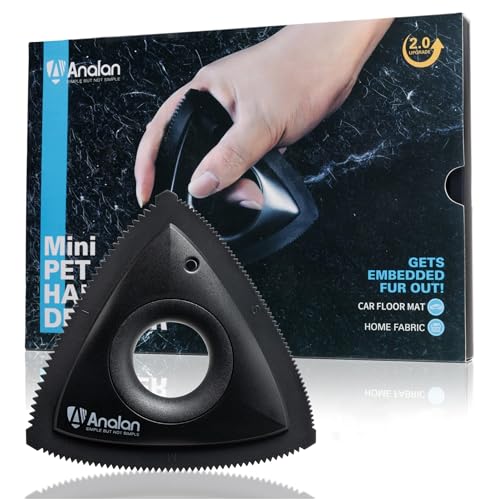
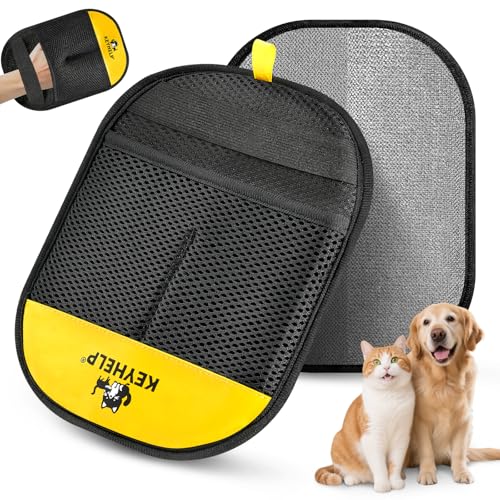
Who Should Buy Which Pet Hair Remover for a Couch?
Owners of heavy shedders on woven upholstery
Double coated dogs and long haired cats push hair deep into woven fabric, where surface tools skate over it. This group needs a tool that works hair loose before lifting it: a rubber brush or a reusable roller used with short, firm strokes. Expect a two step routine on the worst cushions, loosening first and rolling second. A vacuum with an upholstery tool finishes the seams, where hair packs into piping and corners.
Apartments needing fast touch ups before guests
If the couch looks fine until someone in black trousers sits down, you need speed, not depth. A reusable roller with a self cleaning base lives in a side table drawer and clears a cushion in under a minute with nothing to throw away. Sticky sheet rollers are even faster for a light dusting of hair, but the cost per use adds up. For this group, the best tool is the one stored within arm's reach of the couch.
Homes with leather or delicate fabric sofas
Leather sheds hair easily but scratches easily too, so rough scrapers and stiff bristles are off the table. A slightly damp rubber glove or a soft rubber brush lifts hair from leather with friction alone and does no harm. Delicate woven fabrics and loose covers call for gentler tools as well: test any new remover on the back of a cushion first, and favor rolling and lifting motions over aggressive scraping.
Key Features to Compare
Tool type and how it removes hair
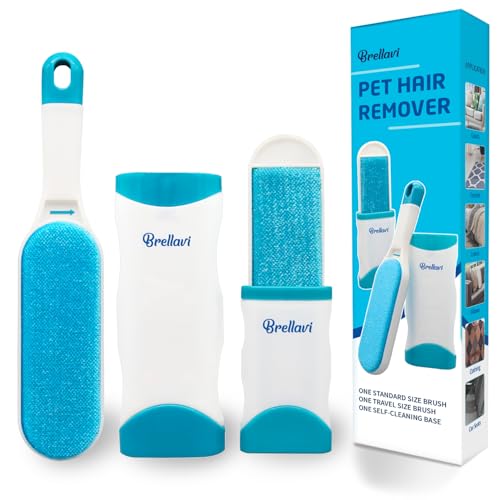
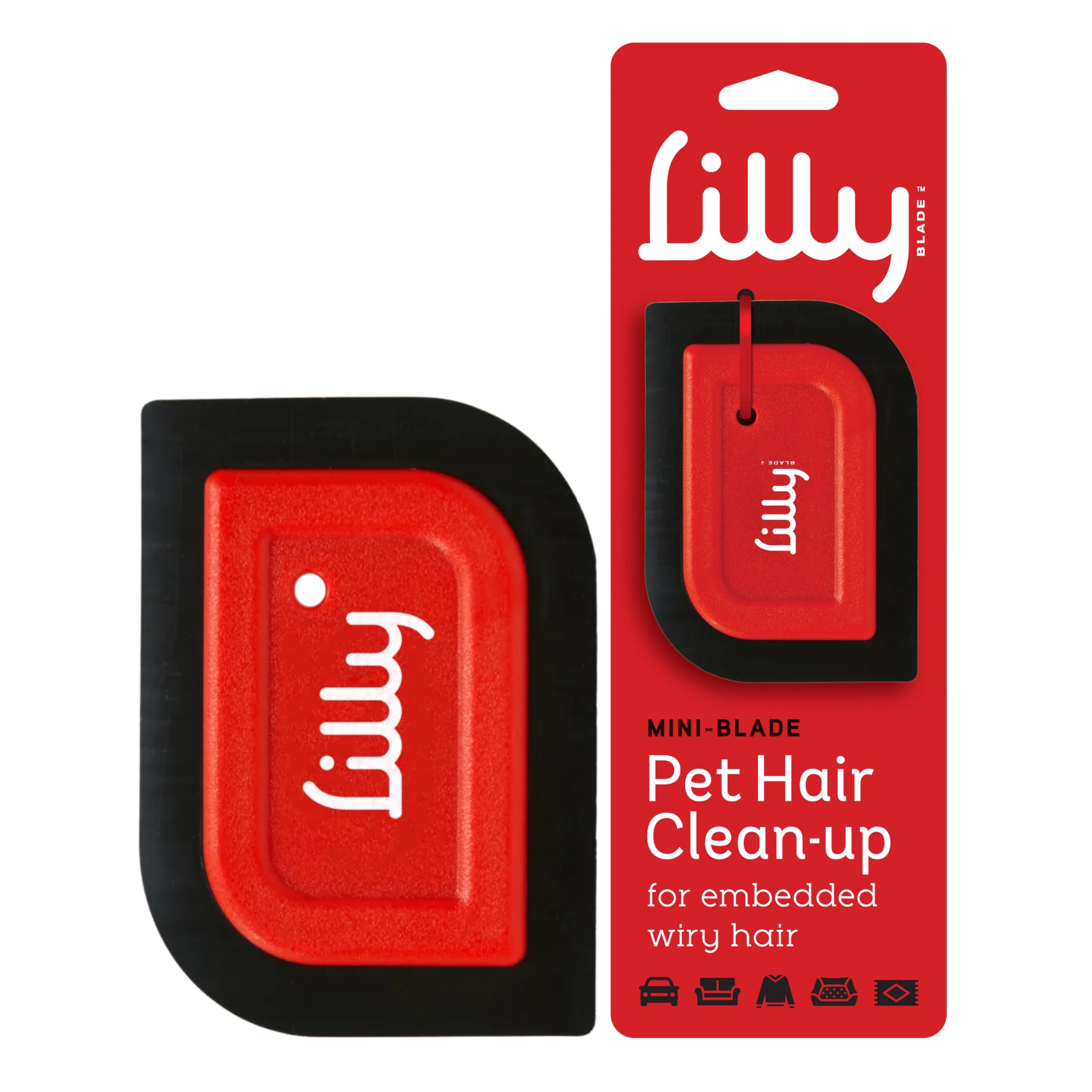
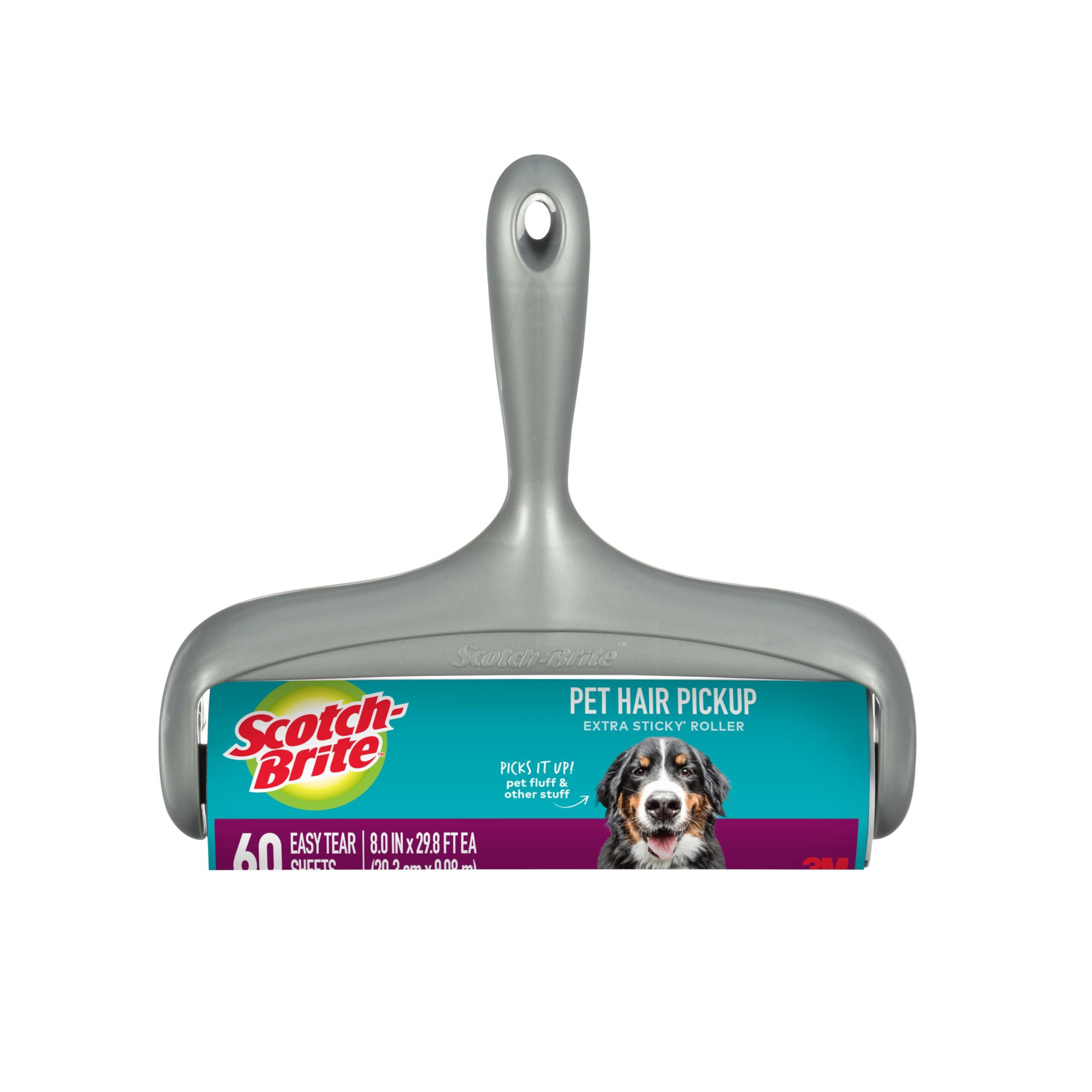
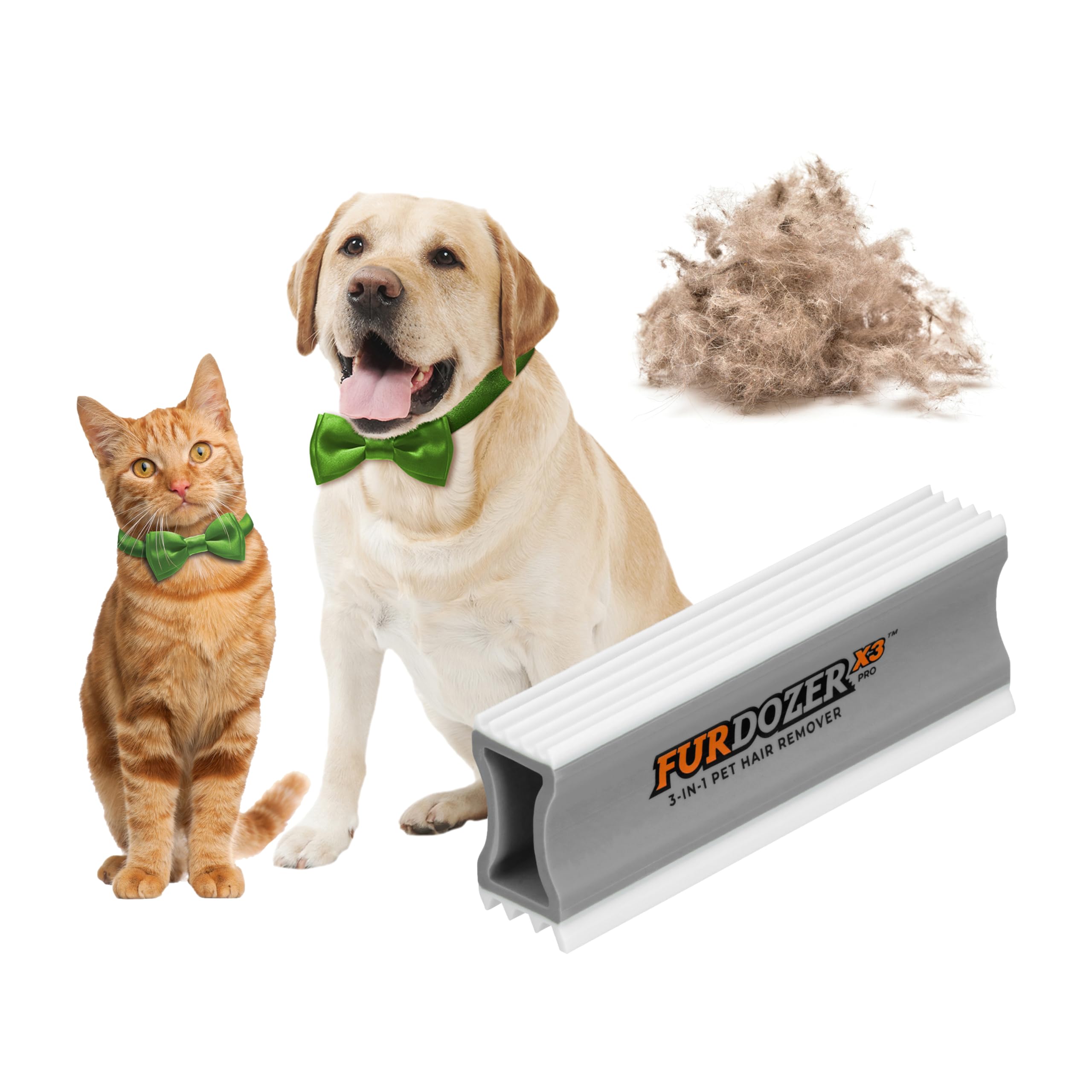
Reusable rollers use a microfiber or flocked surface that grabs hair as you roll back and forth, then wipes itself clean inside a base. Rubber brushes and squeegee style edges use static and friction to rake hair into clumps you pick up by hand. Gloves turn your hand into the tool, which is unbeatable for curves and corners. Sticky rollers peel hair off with adhesive sheets you tear away. Vacuum attachments pull hair out with suction plus a brush roll. Each mechanism suits different fabrics and patience levels, so name your couch fabric before choosing.
Fabric compatibility
Woven upholstery tolerates the widest range, including firmer rubber edges. Microfiber couches release hair readily but show scrapes from hard tools, so softer removers work better. Leather needs friction based tools only, and velvet needs a light touch in the direction of the nap. Removable cushion covers add an option other couches lack: you can take the cover outside, shake it, and treat it flat on a table, where every tool works better than it does on a soft, shifting cushion, and washable covers pair well with the methods in our best pet hair remover for laundry guide for the hair that survives the wash.
Speed and coverage
A couch is a big target: three seat cushions, backrests, arms, and the skirt below. Wide rollers and vacuum tools cover flat areas fast, while gloves and small brushes win in seams and tufting. Think about your real routine: a full deep clean monthly, a quick pass weekly, or a rescue swipe before guests. Buying one wide tool and one detail tool usually beats hunting for a single tool that does both jobs poorly.
Running costs and waste
Reusable rollers, brushes, and gloves cost nothing per use and create no trash, which matters when you dehair weekly. Sticky rollers charge you forever in refill rolls and fill the bin with used sheets; they earn their place as a backup covered by our best pet hair remover for clothes guide and for quick fixes rather than as the main couch tool. Vacuum attachments use a machine you already own, though bagless bins and filters need regular emptying to keep suction strong on hair.
Ease of cleaning the tool itself
A remover that is annoying to empty gets used less, so check how each tool sheds its load. Self cleaning roller bases wipe the surface into a chamber you pop open and tip out. Rubber brushes rinse clean under a tap. Gloves peel dry or rinse. If a tool needs its collected hair picked off strand by strand, it will end up in a drawer. Also consider where the hair goes during the job: tools that clump hair are tidier than tools that scatter it onto the floor.
Getting Hair Out of Seams, Corners, and Cushion Edges
The flat centers of cushions are the easy part; couches hide most of their hair in seams, piping, and the gap where cushions meet the frame. Work those areas with a glove or the edge of a rubber brush, pulling hair toward you in short strokes so it rolls into a grabbable wad. Lift cushions out entirely every few weeks: the deck beneath them collects a surprising layer of hair, crumbs, and grit that a vacuum crevice tool clears in minutes. Finish with a once over of the floor around the couch, because loosened hair migrates downward during the job and will climb back onto the fabric on shoes and socks.
Common Mistakes to Avoid
- Scraping leather or microfiber with a stiff edged tool and leaving permanent marks on the surface.
- Using long sweeping strokes on woven fabric, which pushes hair deeper instead of rolling it loose.
- Relying on a sticky roller for a whole couch, burning through refills and missing embedded hair.
- Skipping the area under the cushions, where hidden hair keeps reseeding the surfaces you cleaned.
- Vacuuming upholstery with a spinning brush set too aggressive for the fabric, fuzzing the weave over time.
- Letting hair build up for months, turning a ten minute job into an hour of work.
How to Make Your Pet Hair Remover Last Longer
Rinse rubber brushes and gloves after use and let them dry fully, because soap film and damp storage dull the friction that makes them work. Empty reusable roller chambers before they pack tight, and wipe the roller surface with a damp cloth when pickup fades, since oils from hands and fabric coat it over time. Store tools out of direct sunlight, which hardens rubber edges. Keep sticky roller refills for clothes and lint duty so they last. None of these tools needs chemicals; if you wash a brush with dish soap, rinse it thoroughly and store cleaning supplies away from pets, as you would any household chemical.
FAQ
Which pet hair remover type works best on woven couch fabric?
A reusable roller or a rubber brush usually wins on woven upholstery, because both can work hair out of the weave rather than skimming the surface. Use short strokes in one direction to gather hair into lines, then lift it away. For hair that has been sat on for weeks, loosen it with the rubber brush first and finish with the roller. Adding a vacuum pass over seams completes a deep clean.
Can a pet hair remover damage couch upholstery?
Yes, the wrong tool can: stiff scrapers can snag woven loops, mark leather, and fuzz microfiber. The safeguard is matching tool hardness to fabric and testing on a hidden spot, like the back of the couch or under a cushion, before working the visible areas. Friction based tools such as rubber gloves are the safest starting point for any fabric you are unsure about, and they still remove a satisfying amount of hair.
How do you get pet hair out of couch seams and corners?
Use a glove or the narrow edge of a rubber brush and pull hair out of the seam toward the cushion center in short strokes, gathering it into a clump you can lift. A vacuum crevice tool then takes the loosened remainder. Pulling cushions out and treating them on a hard surface makes seam work far easier than wrestling them in place. Check the frame deck underneath too, since seams drain hair down into it.
How often should you remove pet hair from a couch?
During heavy shedding seasons, a quick pass two or three times a week keeps hair from embedding, and each pass takes only minutes. In quieter months, weekly is enough for most homes. The logic is simple: fresh hair sits on the surface and lifts easily, while hair that gets sat on daily works into the weave and needs the full loosening routine. Frequent light passes beat occasional heroic cleans for both effort and results.
Do reusable pet hair rollers work on leather couches?
They can, but leather usually needs less help: hair rests on the surface rather than embedding, so a damp rubber glove or a soft brush clears it in seconds. If you use a roller on leather, choose a soft surfaced one and roll lightly, avoiding any hard scraper edges. Leather also benefits from its normal conditioning routine afterward, since dry leather attracts static, and static is what makes loose hair cling.
Final Thoughts
Match the tool to your fabric first, then to your routine: deep loosening tools for woven couches and heavy shedders, fast rollers for touch ups, gentle friction for leather. The product table above compares the types by fabric fit, speed, and running cost. With the right pairing, the best pet hair remover for couch duty stops being a project and becomes a two minute habit that keeps the sofa welcoming for people and pets alike. Our best pet hair remover overview compares every tool family if you are outfitting the whole house, not just the sofa.


