
Best Pool Vacuum for Inground Pools in 2026: A Buying Guide
Disclosure: We may earn a commission when you buy through links on this page, at no extra cost to you. As an Amazon Associate I earn from qualifying purchases. Learn more

Compare the best pool vacuum for inground pools by cleaner type, surface and coverage, and learn which system fits your plumbing, pump and debris load.
An inground pool is a serious investment in concrete, plaster and plumbing, and keeping it clean by hand with a manual vacuum head can eat an hour or more every week. The best pool vacuum for inground pools takes that job over, but the right choice depends on how your pool is built: its size, its surface, and whether your plumbing supports a suction or pressure cleaner at all. A cleaner that thrives in a small vinyl pool can struggle badly in a deep plaster pool with a beach entry.
This guide compares the four cleaner families that serve inground pools, explains which specs actually matter for coverage and debris, and uses the comparison table below to help you match a system to your pump, surface and yard. Safety notes for running electrical equipment around water are included where they matter.



Who Should Buy Which Pool Vacuum for an Inground Pool?
Owners Who Want Set It and Forget It Cleaning
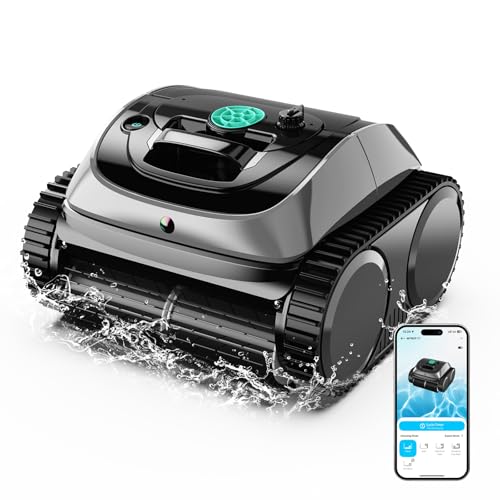
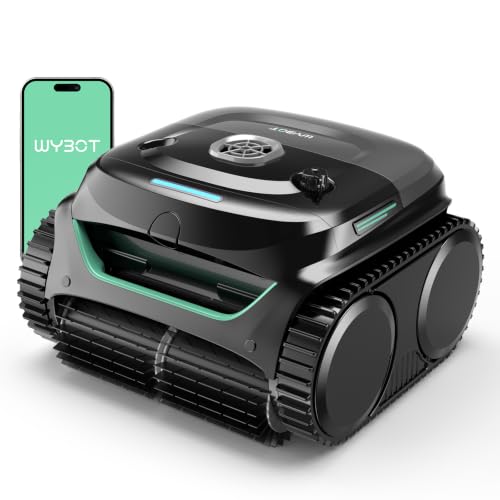
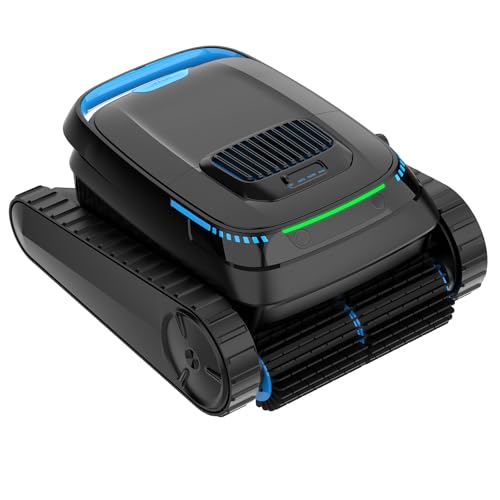
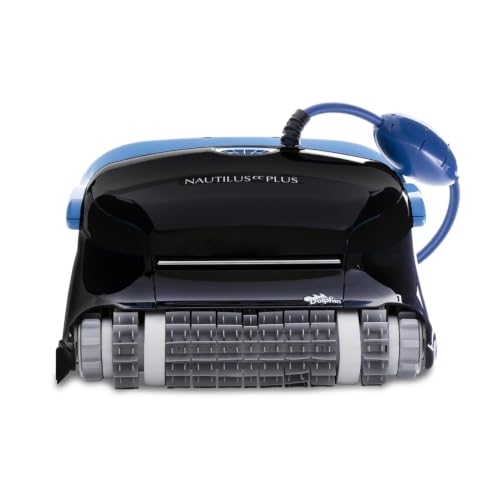
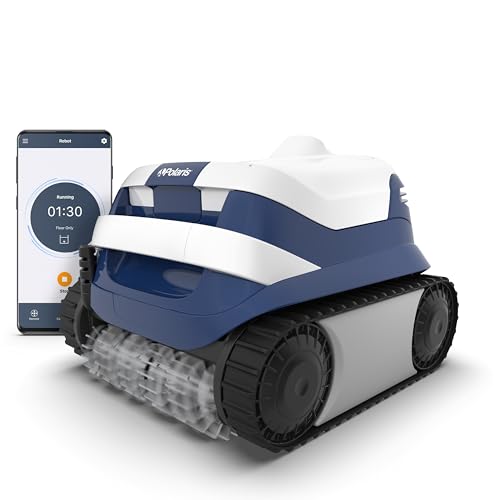
If your goal is to touch the pool as little as possible, an automatic robotic cleaner is your category. Robots run on their own motor and filter, scrub walls and the waterline, and do not depend on the pool pump at all. They suit owners who run the pump on a limited schedule or who simply want cleaning finished at the push of a button. The trade off is a higher purchase price and a unit you lift out of the water after each cycle.
Budget Minded Owners With a Strong Pump
If your pool already has a healthy pump and a dedicated suction port or skimmer access, a suction side cleaner gives you automatic cleaning for far less money. It rolls across the floor using the pump's pull and sends debris to your existing filter. Owners comfortable with basic plumbing checks get the most from this category, because performance tracks pump strength closely. Our guide to the best suction pool vacuum explains the setup in detail.
Pools Under Trees With Heavy Leaf Loads
Yards with overhanging trees drop leaves, acorns and twigs that choke small cleaners and fine filters. For that debris profile, a pressure side cleaner with a large debris bag, or a robot with an oversized filter basket, keeps working between emptyings instead of stalling on the first pile. If your pool is inground but shallow and small, some of the simpler options in our roundup of the best above ground pool vacuum can also handle spot duty, though they are not built for deep ends.
Key Features to Compare
Cleaner Type and How It Is Powered
Everything starts with the drive system. Robotic cleaners carry their own motor and filtration and plug into a power supply that stays poolside. Suction side cleaners borrow power from your pump through a hose connected to the skimmer or a suction line. Pressure side cleaners use water returning to the pool, often with a booster pump, and push debris into their own bag. Manual and battery handheld vacuums cover spot cleaning only. The product table above sorts options by type, and your plumbing decides which types are even possible in your pool.
Coverage: Floor Only or Walls and Waterline Too
A cleaner that only crosses the floor leaves the dirtiest band of the pool, the waterline, for you to brush by hand. Wall climbing models scrub vertical surfaces and the tile line where sunscreen and pollen collect, which is where robotic cleaners earn their price. Check the stated coverage against your pool shape: freeform pools with tight curves, steps and benches confuse basic random pattern cleaners, while models with smart navigation map the pool and miss far less. Deep ends above about 8 feet also need a cleaner rated for the depth and hose or cable length to reach.
Surface Compatibility
Inground pools wear plaster, pebble, tile, fiberglass or vinyl, and wheels and brushes must match. Hard wheeled cleaners grip plaster and concrete well but can mark soft vinyl liners; soft brushes and foam rollers suit fiberglass and tile. Some suction cleaners ship with interchangeable throat or wheel options for different surfaces. Using the wrong contact parts wears both the cleaner and the pool finish, so confirm your exact surface in the product specs rather than assuming a universal fit.
Filtration and Debris Capacity
Robots filter debris into an internal basket or cartridge, and the size of that container decides how long the cleaner runs before it chokes on leaves. Fine filters catch sand and silt that cloud water, while coarse baskets handle acorns but pass the grit. Suction and pressure cleaners lean on your pool filter or a debris bag instead, which shifts the maintenance to backwashing or emptying the bag. Match capacity to your yard: a pool under pine trees needs volume first, while a screened pool needs fine filtration first.
Hose, Cable and Reach
A cleaner is useless if it cannot reach the far corner. Suction and pressure hoses should be a few feet longer than the distance from the connection point to the pool's farthest spot, or the cleaner will circle the deep end and skip the shallow shelf. Robotic cables commonly run about 50 to 60 feet and include a swivel to resist tangling. Measure your pool's longest run before buying, and remember that steps, swim outs and beach entries add distance the spec sheet does not know about.
Matching a Cleaner to Your Pool System
Before choosing a suction or pressure model, confirm three things about your setup. First, find your pump's horsepower and check the cleaner's minimum flow needs; an undersized pump leaves a suction cleaner creeping. Second, check whether you have a dedicated cleaner line and, for pressure models, whether a booster pump is required and already installed. Third, confirm your filter can spare the capacity, since suction cleaners load the main filter with everything they collect.
Safety belongs in this step too. Keep swimmers out of the pool while any automatic cleaner runs, since suction fittings and moving cleaners are entanglement hazards, and keep robotic power supplies the required distance from the water's edge, plugged into a GFCI protected outlet. Never handle plugs with wet hands, and pull battery handheld units, such as the ones compared in our guide to the best battery powered pool vacuum, out of the water before anyone swims. For the widest view of cleaner types across all pool styles, see our overview of the best pool vacuum options before you commit.
What Inground Pool Vacuums Cost
Suction side cleaners are the entry point, often around $100 to $250, using equipment you already own. Pressure side models and their booster pumps land higher, commonly about $300 to $600 all in. Robotic cleaners span the widest range, about $300 to over $1,000, with wall climbing, fine filtration and smart navigation at the top. Manual vacuum heads and hoses cost the least up front, under $100 for a basic setup, but they charge you in weekly time instead of money.
Common Mistakes to Avoid
- Buying a suction cleaner without checking pump strength, then blaming the cleaner for moving at a crawl.
- Choosing a hose or cable that is too short, which leaves the shallow end and steps permanently dirty.
- Running a robotic cleaner on a torn liner or damaged surface, where its brushes can catch and worsen the tear.
- Leaving a robot stored in the pool between swims, which ages its seals and cable in constant chlorinated water.
- Letting anyone swim while an automatic cleaner is working, despite the suction and entanglement risk.
- Ignoring the waterline, then scrubbing algae by hand all summer because the cleaner only covers the floor.
How to Make Your Pool Vacuum Last Longer
Rinse the cleaner with fresh water after use, especially robots, and empty baskets and bags before they are packed full, since straining against a clogged filter overworks the motor. Store robots out of direct sun on their caddy, keep cables loosely coiled rather than kinked, and check wheels, tracks and brushes each month for trapped twigs and worn rubber. For suction and pressure models, inspect hose sections for cracks and keep the pool filter clean so the cleaner gets the flow it was designed for. Balanced water chemistry protects every plastic and rubber part in the unit.
FAQ
How often should an inground pool be vacuumed?
Most inground pools stay clean with two to three automatic cycles per week in swim season, plus a spot clean after storms or heavy pool parties. Pools under trees may need a run every other day during leaf fall. The floor should also be brushed or vacuumed before shocking the water, so debris does not consume the chlorine you just added.
Can one pool vacuum clean both the floor and the walls?
Yes, if it is a wall climbing model, which most mid range and premium robotic cleaners are. These units scrub vertical surfaces and the waterline as part of each cycle. Basic suction cleaners usually stay on the floor and may climb partway up a wall, but they rarely clean the tile line, so check the stated coverage rather than assuming.
Do robotic pool cleaners work in saltwater inground pools?
Most modern robots are rated for saltwater pools, since salt systems generate the same chlorine at lower concentrations than traditional dosing. Confirm the rating in the specs, rinse the unit with fresh water after use, and check the cable and seals more often, because salt residue is hard on connectors and rubber over a long season.
What size pool vacuum does a large inground pool need?
Match the cleaner's rated pool length to your pool's longest dimension, then add margin. A cleaner rated for 40 foot pools will struggle in a 50 foot pool because its cable or hose runs short and its cycle ends before coverage is complete. Larger pools also benefit from bigger debris capacity and navigation features that keep the pattern efficient.
Is a pool vacuum worth it compared with manual vacuuming?
For most inground owners, yes: an automatic cleaner returns several hours a month and keeps up a schedule people rarely match by hand. Manual vacuuming still wins for targeted jobs like vacuuming algae to waste after a bloom. Many owners keep a simple manual head for those rare events and let the automatic cleaner handle everything routine.
Final Thoughts
Start with your plumbing and your surface, then choose the cleaner family that fits them, and let price refine the choice rather than drive it. The product table above lines up coverage, power source and capacity so you can compare at a glance. Whether you land on a robot, a suction model or a pressure cleaner, the best pool vacuum for inground pools is the one that reaches every corner of your pool and keeps running without weekly babysitting. Prices and availability can change, so check the product page before ordering.


