
Best Robot Vacuum Under $200: How to Choose for 2026
Disclosure: We may earn a commission when you buy through links on this page, at no extra cost to you. As an Amazon Associate I earn from qualifying purchases. Learn more

Find a robot vacuum under $200 by judging navigation, run time, brush design, and app control, and learn which premium features this budget honestly leaves out.
Under $200 is the price band where robot vacuums stop being a novelty and start being a sensible purchase, but it is also where marketing hides the compromises. A best robot vacuum under 200 candidate should still clean in a sensible pattern, run long enough for a small home, and empty without a fight. What it will not do is map like a flagship or empty itself.
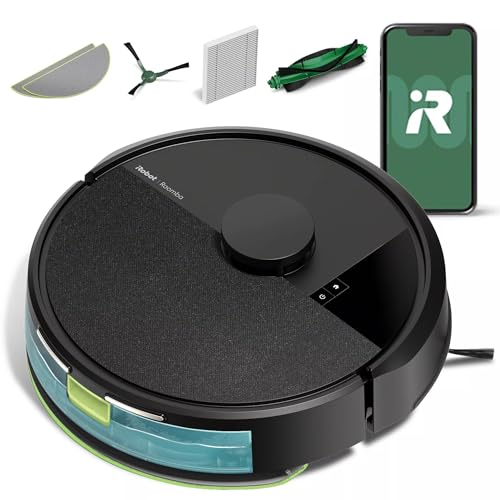
This guide separates the features that genuinely exist at this price from the ones that only appear in ad copy, and the product table near the top shows how the main designs in this band differ.
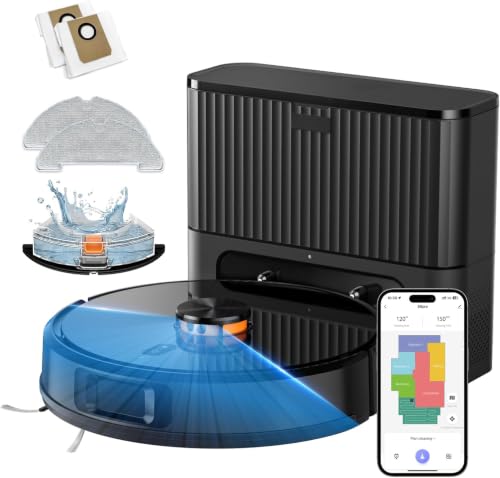
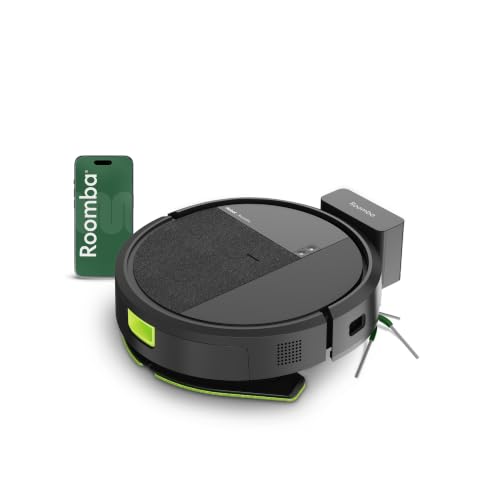
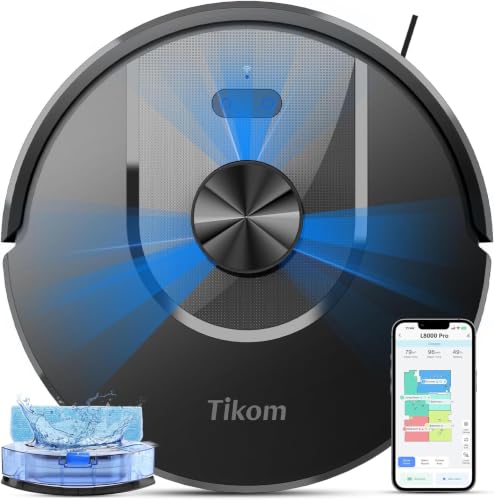


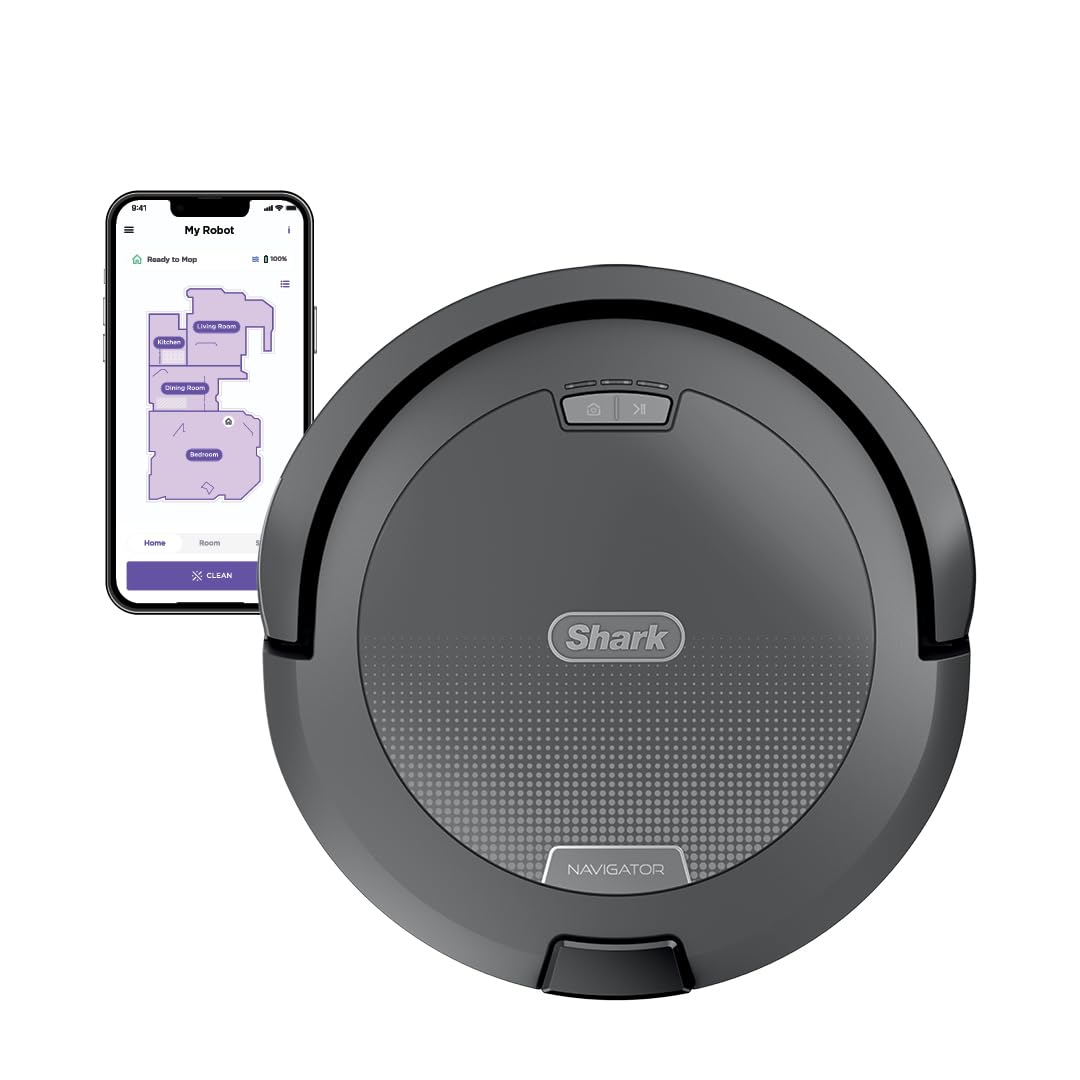



Who Should Buy Which Robot Vacuum Under $200?
Apartment and Studio Renters
A compact floor plan is the natural home of a budget robot. One charge covers the whole space, navigation quirks matter less when there are only two or three rooms, and a slim body slides under rental furniture easily. If your place is mostly hard floors with one or two rugs, this budget covers your needs honestly, with money left over for spare filters and brushes.
First Time Robot Vacuum Buyers
If you are unsure whether a robot fits your habits, this is the sensible trial tier. You learn how often you actually run it, how much prep your floors need, and whether you care about mapping, all without flagship money at risk. Many owners start here and upgrade years later with clear opinions. Our broader guide to the best cheap robot vacuum range explains how this band compares with the even cheaper models below it.
Owners Who Want a Second Robot
A budget unit makes a practical second machine for a bedroom level, a finished basement, or a workshop area where a flagship would be wasted. It handles the daily dust film in that zone while your main robot covers the living areas. Keep expectations aligned with the zone: hard floors and light debris are its comfort area, while thick carpet and pet accidents belong to the better equipped machine.
Key Features to Compare
Navigation Style at This Price
Most models under $200 steer by gyroscope guidance or a semi random pattern with wall following, and a growing number add basic mapping. The practical difference is time and missed strips: guided machines finish a room faster and leave fewer untouched patches than pure random bouncers. None at this price draw the crisp laser maps of premium models, so judge by coverage behavior in real rooms, not app screenshots. A robot that returns reliably to its dock when the battery fades is worth more here than one with a prettier route and a habit of dying under the couch.
Run Time and Home Size Fit
Expect roughly 90 to 120 minutes of run time in this band, which covers apartments and small houses in one session. That figure assumes standard suction on hard floors; carpet boost shortens it. Recharge and resume is rare under $200, so the honest test is whether one charge covers your space with margin. Measure your cleanable area and compare it with the stated coverage, treating maker claims as optimistic. If your home needs two sessions, schedule the robot to run while you are out so the split never bothers you.
Brush and Suction Basics
Budget robots use either a bristle and rubber combo brush or a simple rubber roller, and both are fine for daily dust and crumbs. Suction figures in this band are quoted in pascals and vary wildly in method, so treat them as rough tiers rather than precise rankings. What matters more is edge behavior: a spinning side brush that sweeps baseboards, and a brush housing that sits close to the floor. Homes with carpet as the main surface should compare the carpet focused notes in our guide to the best carpet robot vacuum before expecting deep pile results from a budget machine.
App, Remote, and Controls
You will find three control styles here: app plus voice assistant, app only, and a simple remote with onboard buttons. Scheduling is the feature to insist on, because a robot you must start by hand gets used half as often. App control adds start, stop, suction levels, and sometimes simple room selection on mapped models. Check the app ratings before buying, since a flaky app is the most common complaint at this price and no suction number makes up for a robot you cannot schedule.
Bin Size and Filter Care
Dustbins under $200 are modest, often around a third of a liter, which is fine for daily dust in a small home but fills quickly with pet fur. If you share the home with a shedding pet, plan to empty after every run or two, and read our guide to the best robot vacuum for pet hair for the brush traits that matter. Filters at this price are usually washable or tap clean designs; keep a spare so a washed filter can dry fully while the robot keeps working.
What Your Money Buys at Each Level Under $200
Near the bottom of the band, around $100 to $140, expect random or gyroscope navigation, a remote or basic app, and run time near 90 minutes. These are honest dust keepers for small hard floor spaces. In the middle, about $140 to $170, you typically gain better guidance, stronger scheduling, and sometimes a mop pad attachment that drags a damp cloth behind the vacuum. Near the top, just under $200, look for entry mapping, recharge behavior that at least returns to dock reliably, and better obstacle sensors. What no slice of this band buys: a self emptying dock, true laser mapping, or dependable pet waste avoidance. If those matter, the step up in budget is real, and our overview of the best robot vacuum market shows where those features begin.
Common Mistakes to Avoid
- Paying for pascal numbers instead of navigation, so the robot cleans hard in circles and still misses half the room.
- Expecting a mop pad on a budget model to scrub, when it only damp wipes and can smear a real spill.
- Ignoring bin size in a pet home, then giving up on the robot because it needs emptying before every single run.
- Skipping the app ratings check and ending up with a robot whose schedule resets whenever the WiFi drops.
- Running max suction as the default, cutting run time so the far rooms never get reached.
How to Make Your Budget Robot Vacuum Last Longer
Cheap robots reward simple care because their parts are small. Empty the bin before it packs tight, tap the filter clean weekly, and rinse it only if the maker allows, letting it dry fully before refitting. Clear hair from the brush ends every few runs so the motor is not straining against a wrapped roller. Keep the charging contacts clean with a dry cloth, park the dock against a wall where the robot can find it in a straight approach, and store spare brushes and filters from day one, since budget model parts are easiest to find while the model is current.
FAQ
Can you get a good robot vacuum for under $200?
Yes, if good means reliable daily pickup of dust, crumbs, and light fur in a small to medium space. Budget models genuinely handle that job and keep floors visibly cleaner between deep cleans. What you give up is intelligence and convenience: no self emptying, basic navigation, and weaker carpet work. Buyers who accept that trade usually stay happy with the purchase, while buyers expecting flagship behavior at this price are the ones who return them.
Do robot vacuums under $200 have mapping?
A few at the top of the band offer basic map views built from gyroscope and sensor data, but it is not the precise laser mapping of premium models, and saved multi room control varies a lot. Treat any map at this price as a helpful extra rather than the reason to buy. If room by room scheduling is your main goal, either stretch the budget or pick the budget model whose app and guidance get the strongest owner feedback for consistency.
How long does a budget robot vacuum last?
Two to four years is a fair expectation, with the battery the most common reason performance fades. You can stay near the top of that range by keeping the brush and filter clean so the motor never strains, and by avoiding constant max suction. Replacement batteries exist for many popular budget models, and swapping one in is usually far cheaper than replacing the whole robot when the rest of the machine still works well.
Is a robot vacuum under $200 good for pet hair?
For one lightly shedding pet in a small home, yes, with daily runs and frequent bin emptying. The limits show up fast with heavy shedders: small bins fill mid run and simple brushes wrap with fur. A rubber roller model copes better than a bristle brush at this price. If pet hair is the main job rather than a side job, most owners end up happier stepping up to a model with a larger bin or a self emptying dock.
Should you buy a vacuum and mop combo under $200?
Only with modest expectations. At this price the mop is a damp pad the robot drags, useful for dust film on hard floors and for keeping paw prints faint between real moppings. It cannot apply pressure or change its own water, and you must remove the pad before carpet runs on many models. If hard floor shine is your priority, a vacuum only model at the same price usually cleans better; if light upkeep is enough, the combo is a fair convenience.
Final Thoughts
Under $200, shop for navigation, run time, and an app you can trust, and let the suction numbers be a tiebreaker at most. The comparison table above shows how the designs in this band stack up, and the best robot vacuum under 200 dollars for your home is the one whose limits you understand and can happily live with. Prices and availability can change, so check the product page before ordering.


