
Best Robotic Pool Cleaner for Leaves (2026): A Guide to a Faster, Deeper Clean
Disclosure: We may earn a commission when you buy through links on this page, at no extra cost to you. As an Amazon Associate I earn from qualifying purchases. Learn more

Choose the best robotic pool cleaner for leaves by comparing basket size, intake width, runtime and navigation for pools under heavy tree cover.
A pool under trees lives a double life. It is a swimming pool in the morning and a leaf trap by evening, and in autumn the skimmer baskets fill faster than you can empty them. Leaves left on the floor stain plaster, feed algae, and overwhelm filters. A robot built for that job is a different machine from a fine dirt specialist. Finding the best robotic pool cleaner for leaves means judging debris capacity, intake size, and emptying effort first, and treating fine filtration as the bonus rather than the headline.
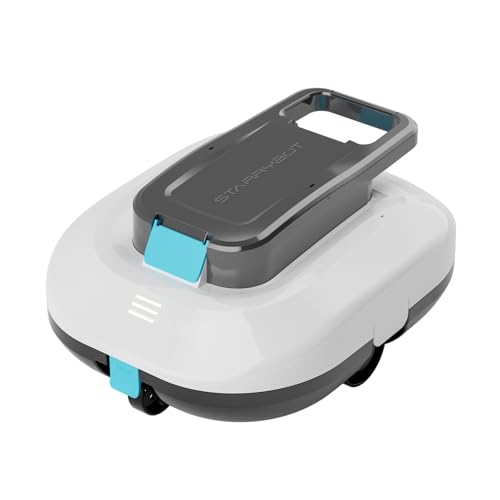
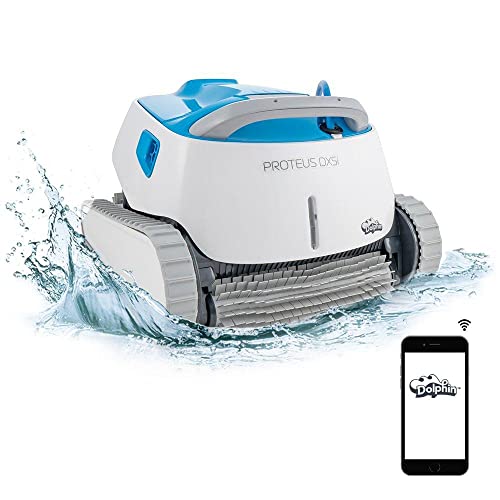
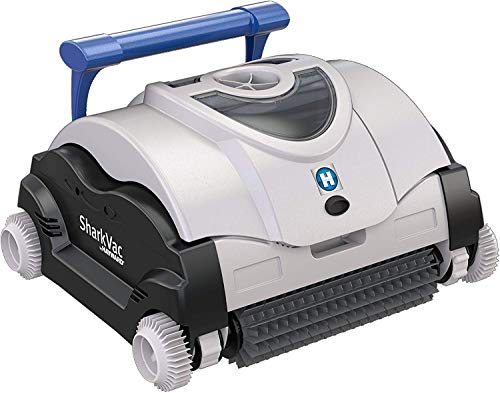
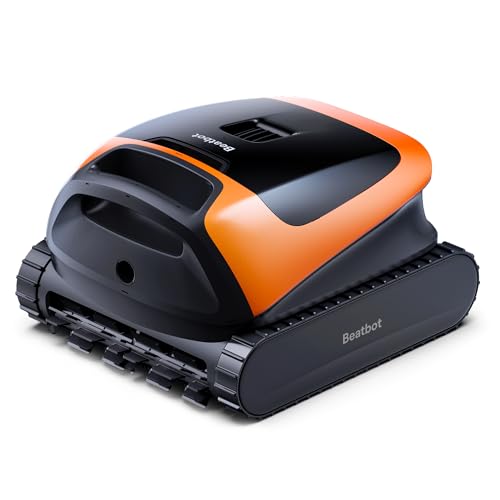
Robotic cleaners work independently of your pool pump, scrubbing and vacuuming on their own drive systems. The product table near the top shows the leaf relevant specs across the main options. This guide explains which pool owners gain the most, which features decide whether a robot swallows a pile of oak leaves or stalls on top of it, and the habits that keep it working through leaf season.

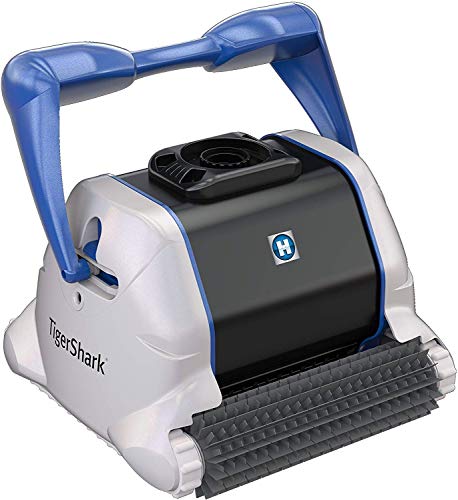
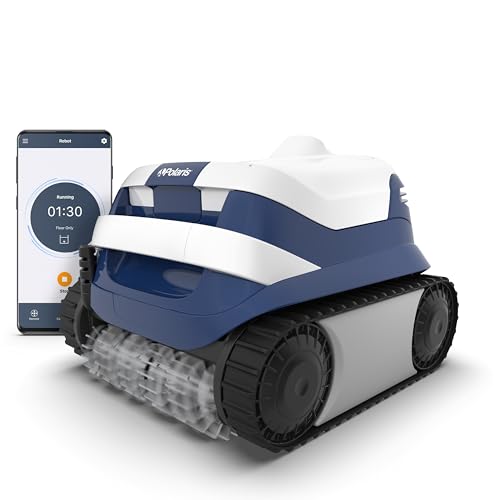


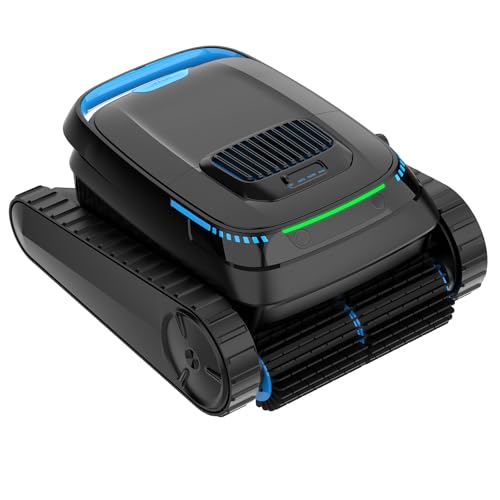
Who Should Buy Which Robotic Pool Cleaner for Leaves?
Pools Under Heavy Tree Cover
If oaks, maples, or palms rain debris on your water, capacity is your life. Choose a robot with the largest debris basket in its class and an intake mouth wide enough to pass whole leaves without bridging. Runtime matters too, because leaf season cleaning is measured in full floor coverages per week. A top loading basket you can empty in seconds, several times in one session, beats a slightly stronger motor paired with a fiddly canister you dread opening.
Above Ground Pool Owners With Seasonal Leaf Loads
Above ground pools collect the same leaves with smaller pumps and filters that clog faster, so offloading debris work to a robot protects the whole system. Models designed for flat bottoms and gentle wall transitions, like those in our best above ground robotic pool cleaner guide, suit these pools best. Confirm the robot is rated for your liner type, since aggressive tracks and brushes made for plaster can scuff vinyl.
Busy Owners Who Want the Pool Ready Without Weekend Work
If the pool must be swim ready with minimal effort from you, look at scheduling and automation: robots that run on a timer from their power supply, or app controlled cordless models you drop in on set days. Pair the robot with a simple habit, skim the surface after storms so leaves are caught before they sink and decay. This group should also weigh the cordless options in our best cordless robotic pool cleaner guide, since no cable means no tangles around ladders and steps during long unattended runs.
Key Features to Compare
Debris Basket Size and How It Empties
For leaves, the basket is the spec that decides your afternoon. Bigger baskets hold more leaves between emptyings, and top access designs let you lift, shake, and rinse the load in seconds. Bottom access canisters work, but they ask you to flip a wet, heavy robot over every time it fills, which in leaf season can be three times in one cycle. Look at the basket mesh as well: an open mesh catches leaves and twigs while letting water flow freely, so suction stays strong even as the basket loads up.
Intake Width and Anti Clog Design
A robot eats leaves through its intake, and a narrow mouth chokes on the very debris you bought it for. Wide intakes with a flexible flap or a large throat pass whole leaves and small twigs instead of pushing them ahead like a plow. Some designs add a leaf canister style pre filter for extreme loads. Test the claim against your trees: acorns, pine cones, and long pine needles challenge intakes differently than broad flat leaves, and needle like debris can mat over a fine basket mesh and starve the pump.
Filtration: Coarse for Leaves, Fine for Polish
Leaf work and fine dirt work pull filtration in opposite directions. A coarse basket keeps flow high and swallows debris, but it will not clear cloudy water or fine silt. Many robots accept interchangeable cartridges, a coarse basket for leaf season and a fine or ultra fine set for polishing in summer. If your pool suffers both problems, that swappable system is worth real money. Be honest about your main enemy: for most tree shaded pools, it is volume of leaves first and fine dirt second, so start coarse.
Drive, Navigation, and Floor Coverage
A robot that wanders randomly will eventually cover the floor, but leaf piles test it: the machine must drive into drifts repeatedly rather than bouncing off. Track drives climb over leaf mats and small obstacles better than wheels, and systematic scanning patterns finish faster than random bouncing. Wall climbing is a secondary concern for leaf duty, since leaves settle on the floor, but a robot that scrubs the waterline as a bonus keeps the tile cleaner through the season. Compare coverage claims with your pool shape in mind, because freeform pools with steps and benches slow every navigation system.
Corded Versus Cordless for Long Leaf Sessions
Corded robots run as long as you leave them in, which suits marathon leaf days, and their floating cables include swivels on better models to limit tangling. Cordless robots trade that endurance for simplicity: charge, drop in, retrieve when the cycle ends. In heavy leaf season a cordless unit may need two cycles with an emptying and a partial recharge between them. Neither is wrong; the choice follows your pool size and how much debris falls in a week. The general category in our best robotic pool cleaner guide lays out both branches if you are still deciding.
Running a Robot Through Leaf Season: A Simple Rhythm
Skim first after windy days, because every leaf you net off the surface is one the robot never has to swallow. Run the robot in shorter, more frequent cycles during peak fall rather than one heroic session; baskets fill, and a robot pushing a full basket just stirs the water. Empty and rinse the basket the moment a cycle ends, and check the intake for twigs wedged at the flap. Keep the pool chemistry balanced even when you are not swimming, since decaying leaves consume chlorine fast and a green pool is a far bigger job than a leafy one.
Common Mistakes to Avoid
- Leaving the robot in the pool for days at a time, which ages seals and plastic in chlorinated water and voids some warranties.
- Letting swimmers in while the robot runs, which risks entanglement with a cord and contact with a moving machine; always remove it before swimming.
- Ignoring a full basket and running extra cycles, which strains the motor while the robot cleans almost nothing.
- Placing the power supply where it can fall into the pool or sit in puddles; it belongs on dry ground at the distance the manual states.
- Shocking the pool heavily with the robot inside, since high chemical levels attack its seals, tracks, and cable.
- Storing the robot in direct sun on a hot deck all summer, which fades and embrittles the housing and cable.
How to Make Your Robotic Pool Cleaner Last Longer
Rinse the basket or cartridges with a hose after every cycle in leaf season; debris left sitting in a wet basket smells and mats into the mesh. Lift the robot out by its handle, never by the cable, and let it drain before carrying. Store it on its caddy or upside down as the manual directs, in shade, with the cable loosely coiled in large loops so it keeps its shape for tangle free runs. Inspect tracks, brushes, and the intake flap monthly during the season, since a twig worn into the flap is a common cause of slow cleaning. In winter, clean everything, dry it fully, and store it indoors away from freezing temperatures and pool chemicals.
FAQ
Can a robotic pool cleaner handle a pool full of leaves?
It can work through a heavy leaf load in stages, but a pool carpeted in leaves after a storm deserves a manual assist first. Net out the bulk, or use a leaf rake on the floor for the worst drifts, then let the robot finish and maintain. Running any robot blind into a deep mat fills its basket in minutes and leaves most of the floor untouched. Think of the robot as the maintainer that prevents buildup, with you as the rescue crew after storms.
Do robotic pool cleaners pick up acorns and twigs?
Most leaf capable models swallow small twigs and acorns through a wide intake, but size has limits. Pieces longer than the intake is wide tend to bridge across it or wedge in the flap, and pine cones are beyond nearly all of them. A quick walk with a net before the cycle removes the few oversized items and lets the robot spend its time on the thousands of leaves it handles well. Check the intake each cycle during nut season.
How often should you run a robot in leaf season?
Two to four cycles a week suits most tree shaded pools during peak fall, adjusted to how fast leaves sink in your yard. Daily short cycles are fine for corded models and keep baskets from ever running full. The goal is to never let leaves sit long enough to stain or rot, which happens faster in warm water. In light seasons, one or two cycles weekly is plenty, similar to the rhythm for pools covered in our best robotic pool cleaner for above ground pools guide.
Will a robotic cleaner remove algae and fine dirt too?
With a fine cartridge fitted, a robot scrubs walls and floors and traps a good share of fine debris, which helps prevent algae from gaining a foothold. It does not replace water chemistry: established algae needs brushing, balanced water, and an algaecide or shock treatment per the product label, with the robot kept out during heavy shocking. Robots maintain clean pools far better than they rescue green ones, so fix the water first and let the machine keep it that way.
How long does a robotic pool cleaner last?
With seasonal care, several years of service is normal, with wear parts like tracks, brushes, and filter media replaced along the way. The habits that shorten life are storage in the water, storage in the sun, and cables kinked by tight coiling. Motors and electronics usually outlast the wear parts by a wide margin. Buying from a line with readily available spare parts is the practical way to stretch the lifespan of any model.
Final Thoughts
The best robotic pool cleaner for leaves is the one with the basket and intake your trees demand, emptied without a fight, on a drive system that pushes through drifts instead of bouncing off them. Compare capacity and intake first using the product table above, choose coarse filtration for leaf season with a fine option for summer if you need it, and build the skim, run, empty rhythm into your week. Your filter will thank you, and the pool stays ready. Prices and availability can change, so check the product page before ordering.


