Best Carpet Cleaner Under $200: How to Choose Well in 2026
Disclosure: We may earn a commission when you buy through links on this page, at no extra cost to you. As an Amazon Associate I earn from qualifying purchases. Learn more

Match the best carpet cleaner under 200 to your rooms by weighing format, tank size, brush type and dry time before you buy.
A mug of coffee tipped onto pale carpet, a trail of muddy paw prints across the living room, a toddler snack spill that soaked straight through to the pad. Moments like these are why home carpet cleaners exist, and you do not need a huge budget to handle them. The best carpet cleaner under 200 dollars for your home depends less on raw power claims and more on matching the machine format to the messes you actually clean.
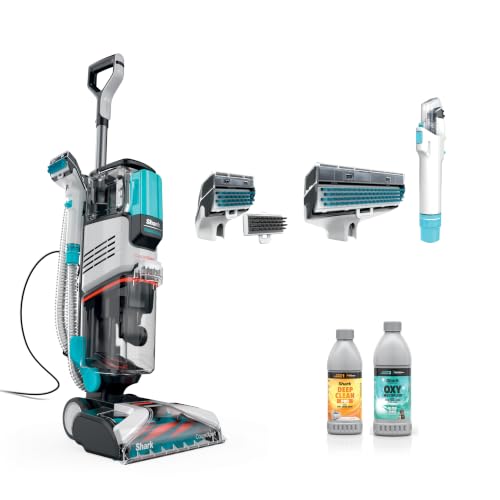
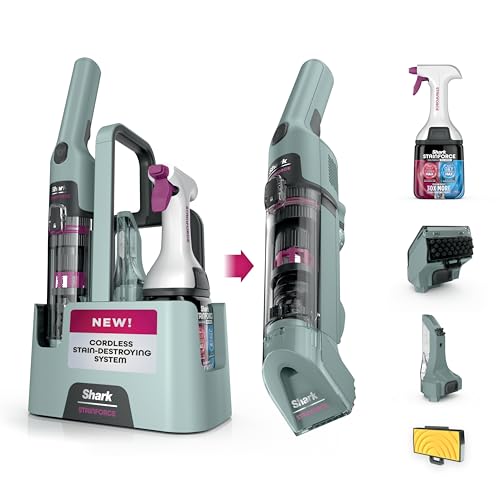
This guide walks through the formats, tank sizes, brush systems, and dry time trade offs you will find under this price ceiling. The comparison table below sums up the main types side by side, and the sections after it explain which type fits which household, what each price band really buys, and how to keep the machine working well for years.





Who Should Buy Which Carpet Cleaner Under $200?
Pet Owners Dealing With Frequent Small Messes
If most of your carpet emergencies are small and urgent, a portable spot cleaner is usually the smartest format in this budget. These compact machines sit on the floor or a stair tread, use a short hose and a small scrub tool, and are ready in about a minute. They suit homes where accidents happen in the same few places and speed matters more than coverage. For targeted odor work, read our guide to the best carpet cleaner for pet urine, and note that enzyme solutions need dwell time on the spot before extraction to break down the source of the smell.
Renters With One or Two Carpeted Rooms
A compact upright fits renters who need to refresh a bedroom and a living room a few times a year without storing a bulky machine. Look for a model that stands on its own, weighs under about 15 pounds, and has tanks you can carry to a sink without dripping. A cleaning path around 9 to 11 inches keeps the machine easy to push in furnished rooms, and a cord of about 20 feet usually reaches across a small apartment room without moving outlets.
Families With Wall to Wall Carpet in Busy Rooms
Households cleaning whole rooms several times a year should spend toward the top of the budget on a full size upright. Bigger clean and dirty water tanks mean fewer trips to the sink during a long session, and a wider cleaning path shortens the job. This group benefits most from heated drying features and stronger extraction, because thick carpet that stays damp for many hours can start to smell musty in humid weather.
Key Features to Compare
Spec sheets in this price range love big numbers, so it helps to know which figures change your results. Our guide to the best carpet cleaner options across every budget uses the same factors, and the five below matter most under $200.
Format and Cleaning Path Width
Format decides how the machine moves through your home. Uprights roll over open floor and cover ground quickly, while portable units work through a hose and excel on stairs, car interiors, and single spots. Path width, usually about 9 to 13 inches on uprights here, controls how many passes a room needs. A narrow path is slower but reaches between furniture legs, so measure your tightest gap before assuming wider is better.
Tank Capacity and Tank Design
Most cleaners under $200 hold about half a gallon to one gallon of clean solution. What matters more than the number is the design: separate clean and dirty tanks keep you from spreading dirty water back onto the carpet, and wide tank openings make rinsing far easier at the sink. A dirty tank with a pour spout and a removable lid rinses clean in seconds, while a narrow neck traps grit and old solution that later causes odors.
Brush System and Agitation
Brushes do the scrubbing that loosens ground in dirt from carpet fibers. Rotating brushrolls dig deeper on medium and high pile carpet, while stationary brushes and rubber scrub tools are gentler on low pile and looped fibers that can fuzz or snag. On portable models the tool head matters more than the motor, so look for stiff bristles paired with strong suction at the tool. If your home has delicate loop pile, check that the brush can be turned off or swapped.
Suction, Heat Features, and Dry Time
Extraction strength decides how much dirty water the machine pulls back out, and that controls dry time more than any other factor. Some models in this range add heated air or hold solution temperature to help loosen oily soil. Expect cleaned carpet to feel dry in about 4 to 8 hours in a ventilated room, faster with a fan running. Strong claims about carpets drying in one hour usually assume low pile, light moisture, and warm dry air.
Hose Reach and Upholstery Tools
A hose stretches an upright into a stair and furniture tool, so check its length, commonly about 5 to 8 feet here, and whether a dedicated upholstery tool is included or sold separately. Homes with carpeted stairs should count the steps: a hose that cannot reach the top steps from a stable landing forces you to balance the machine mid flight, which is awkward and unsafe. Crevice style tools also help along baseboards where grit collects.
What Each Price Band Under $200 Buys You
Under about $100, the market is mostly portable spot cleaners and very light uprights with small tanks. These are fine for spot work and small rooms, but expect shorter cords, basic brushes, and longer dry times. Around $100 to $150 buys compact uprights with separate tanks and rotating brushes, a real step up for room cleaning. The top band, about $150 to $200, adds larger tanks, heat related features, longer hoses, and bundled tools such as a dedicated pet stain attachment; our guide to the best carpet cleaner for pet stains explains what those tools change. Spending the extra money mainly buys convenience and dry time rather than a different class of clean.
How to Match Tank Size and Path Width to Your Rooms
Walk your cleaning route before you buy. Count the carpeted rooms and estimate their size: one gallon of solution typically covers one medium room with a normal number of passes, so a home with three carpeted rooms and a half gallon tank means at least two refill stops per room. Check closet or storage space too, because an upright needs about a square foot of floor and enough height for the handle. Finally, test the path width against the narrowest run you clean, such as between a bed and a wall, so the machine fits the spaces you actually use.
Common Mistakes to Avoid
- Using extra solution concentrate for stubborn stains, which leaves sticky residue that attracts fresh dirt faster than before.
- Skipping a plain water rinse pass on light carpet, so dried solution film dulls the fibers over the next few weeks.
- Buying a full size upright for a home that mostly needs stair and sofa cleaning, where a hose based portable would do the job better.
- Putting the machine away with dirty water still in the tank, which breeds mildew and makes the next session smell bad.
- Adding bleach or mixing different cleaning chemicals into the tank, which can damage the machine and create dangerous fumes; always follow the label of the solution you use.
How to Make Your Carpet Cleaner Last Longer
Rinse both tanks after every session and leave the lids open so the insides dry fully before storage. Pull hair and thread from the brushroll with scissors, because wrapped hair strains the belt and motor. Every few months, run a tank of clean warm water through the machine with no solution to flush residue from the lines. Store cleaning solutions in their original containers, tightly closed and locked away from children and pets, and never decant them into drink bottles. Unplug the machine before clearing a jammed brushroll, and if you clean near sinks or tubs, a GFCI outlet adds protection when electricity and water are close together. Check the dirty tank gasket for grit before each use, since a poor seal quietly weakens suction.
FAQ
Can you get a good carpet cleaner for under $200?
Yes, as long as your expectations match the format. Machines in this range clean everyday soil, tracked in dirt, and fresh spills very well, especially on low and medium pile carpet. What you give up versus higher priced models is mostly tank size, hose length, and dry time, not basic cleaning ability. Homes with very thick plush carpet or constant heavy soiling may outgrow this budget faster.
How long does a carpet cleaner under $200 usually last?
With rinsed tanks, a clean brushroll, and dry storage, most machines in this class serve about 3 to 5 years of regular home use. The parts that usually age first are belts, solution lines, and tank seals rather than the motor. Keeping hair out of the brushroll and flushing the lines with clean water does more for lifespan than any single spec on the box.
Is a portable spot cleaner or an upright better for pet messes?
It depends on the pattern of the messes. Daily accidents in a few known spots favor a portable, because setup takes under a minute and the machine stores beside the problem area; our guide to the best portable carpet cleaner covers that format in depth. Whole room odor or seasonal deep cleaning favors an upright, which treats the full carpet area in one session instead of chasing one stain at a time.
How long does carpet take to dry after cleaning with a budget carpet cleaner?
Most rooms feel dry in about 4 to 8 hours, and thick pile in a humid home can take longer. You can shorten that window with a second dry pass, since an extra slow extraction stroke with no trigger pulls out surprising extra water. Pointing a household fan across the carpet and opening windows on dry days helps more than raising the heat, which can make the room stuffy without moving the moist air out.
How do you store a carpet cleaner so it does not start to smell?
Store the tanks empty, rinsed, and unlatched so air can circulate, and stand the machine on a tray or mat in case of drips. The smell usually comes from residue left in the suction path, so run a short clean water cycle before storage after messy jobs. A machine stored dry and open rarely develops odor, even in a warm closet.
Final Thoughts
Choosing the best carpet cleaner under 200 dollars comes down to honest answers about your rooms and your messes: portable for fast spot work, compact upright for a few rooms, full size upright near the top of the budget for whole house sessions. Compare the product table above against your carpet type, tank needs, and storage space, and favor honest dry time and easy rinsing over flashy spec claims. A machine that is simple to clean after use is the one you will still reach for next year.