
Best Kitchen Trash Can With Lid for 2026: Buying Guide
Disclosure: We may earn a commission when you buy through links on this page, at no extra cost to you. As an Amazon Associate I earn from qualifying purchases. Learn more

Compare the best kitchen trash can with lid styles by seal, opening mechanism and odor control, with sizing and care tips for a fresher kitchen.
An open trash can in a kitchen announces itself: coffee grounds on Monday still greet you on Wednesday, and fruit flies find the banana peels before you do. A covered can solves that, but only if the lid seals, opens easily with full hands, and survives being opened dozens of times a day. Finding the best kitchen trash can with lid means comparing lid styles honestly, because the lid is the part you interact with most and the part that fails first.
This guide walks through the lid types, seal quality, capacity, and materials, plus the small checks that separate a lid you forget about from one that nags you daily. The product table puts the main styles side by side so you can shortlist before reading the detail.

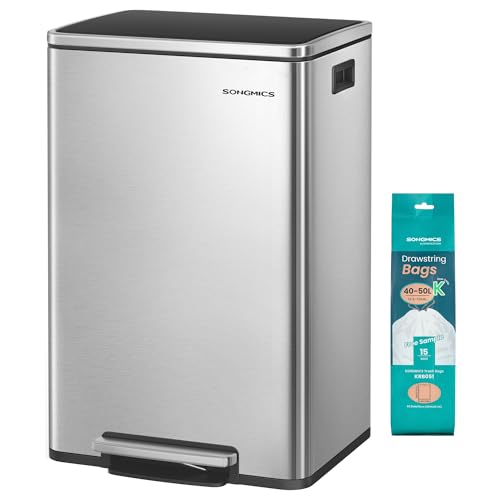
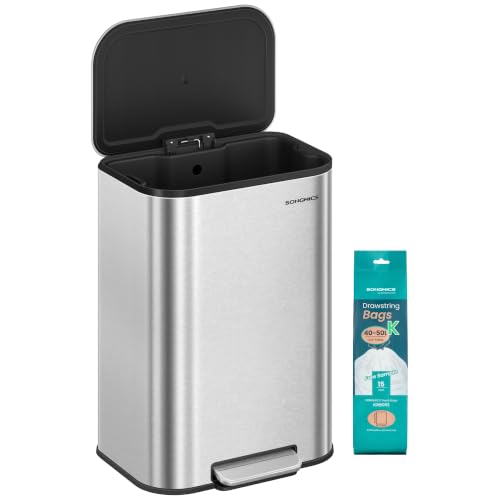
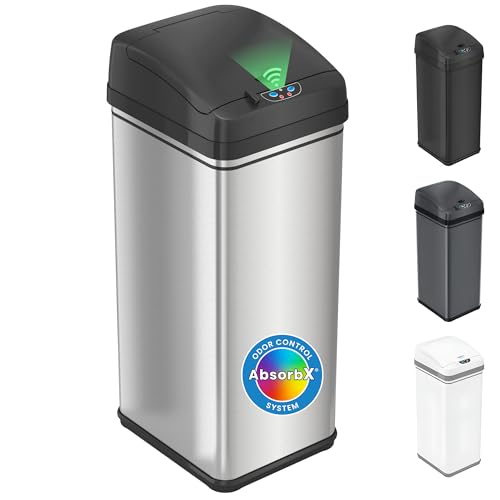
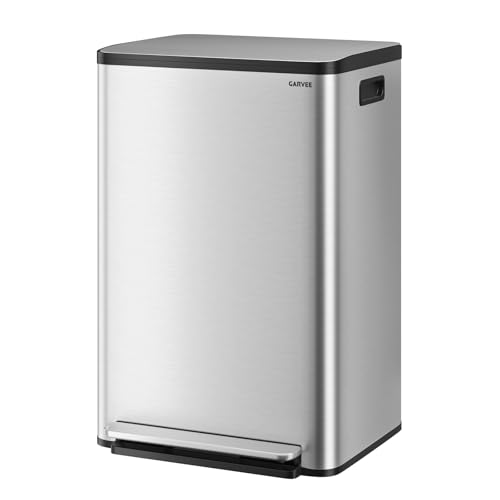
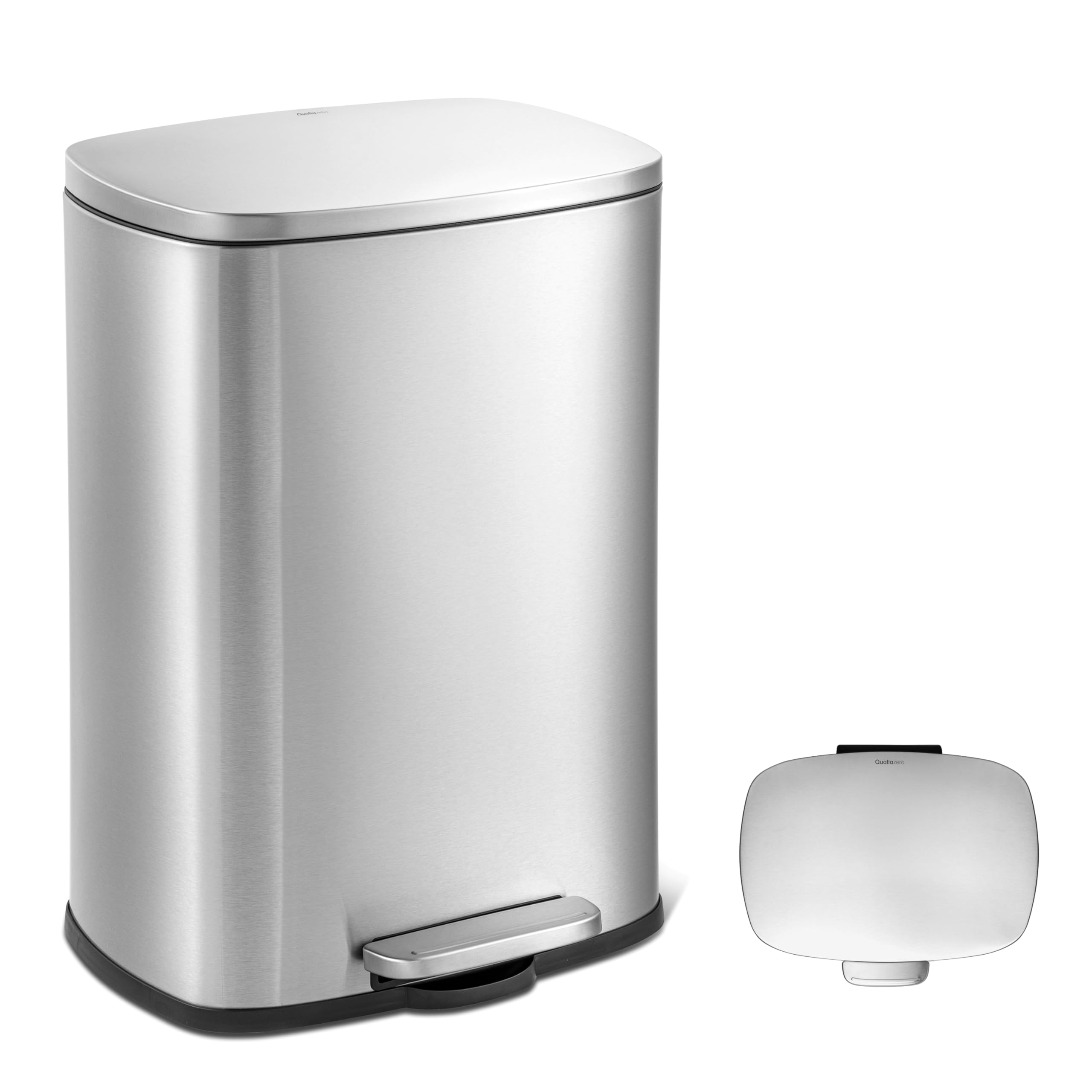
Who Should Buy a Kitchen Trash Can With a Lid?
Homes battling odor and fruit flies
If your kitchen warms up in the afternoon sun or your trash sits for two or three days between pickups, a sealing lid is the single most effective upgrade you can buy. It traps odors between openings and blocks the fruit flies that otherwise colonize the rim. For this group, seal design matters more than capacity: a modest can with a lid that closes flush beats a huge can with a loose, wobbling top.
Pet owners whose animals raid the trash
Dogs learn swing lids in an afternoon, and cats treat an open can as a buffet with a view. A step can or a sensor lid that a pet cannot easily trigger keeps chicken bones and grease soaked paper out of reach, which is also a safety issue, since cooked bones can injure a dog. Look for a lid with some weight or a lock feature, and a can heavy enough that a determined pet cannot tip it over.
Small kitchens where the can lives in the open
When there is no cabinet to hide the trash, the can becomes furniture, and a lid keeps it looking and smelling acceptable a few feet from where you eat. Slim lidded cans tuck against a wall or the side of a counter, and a lid that opens within the can's own footprint, rather than swinging back, saves the wall behind it from scuffs. Appearance counts here, but check the mechanism first: you will open it far more often than you admire it.
Key Features to Compare
Lid style: step, sensor, swing, or lift off
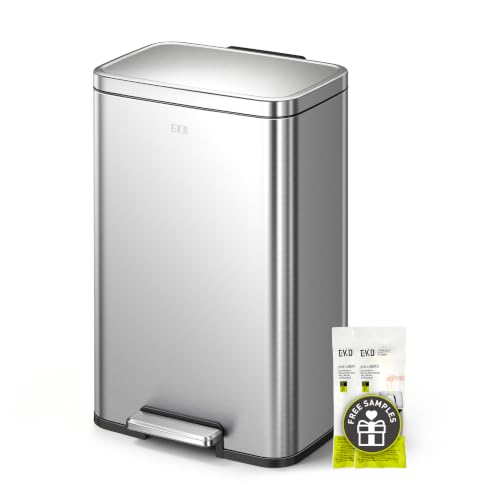
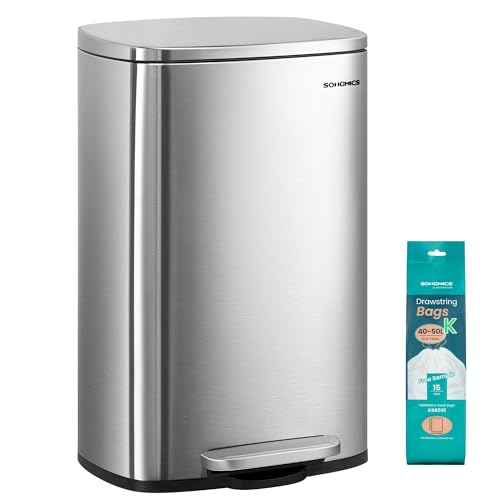
Step lids are the durable default: no power, a firm close, and hands stay clean, though the pedal needs a free foot. Sensor lids open on approach and suit messy prep, but they add batteries and electronics to maintain. Swing lids are cheap and quick for dry waste, yet they brush the trash as it drops and seal poorly. Lift off lids appear on simple cans and small bins; they are fine for a bathroom style role but slow for a main kitchen can you open constantly. Match the style to your waste stream and your patience.
Seal quality and odor control
Run a hand around the closed lid of any can you inspect in a store: gaps at the corners are where odor escapes and flies enter. Better lids overlap the rim or use a flexible edge that settles into place. Soft close mechanisms help the seal too, because a lid that lowers evenly seats fully, while a slamming lid bounces and can rest slightly ajar. Some lids add a carbon filter pocket; treat that as a bonus, not a substitute for a sound mechanical seal and regular washing of the rim.
Opening clearance and lid travel
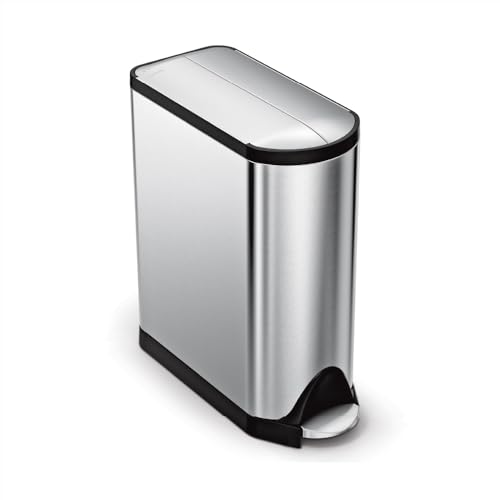
Every lid needs room to open, and the style decides how much. Step and sensor lids hinge at the back and arc upward, so measure from the can's spot to the counter overhang above it. Butterfly lids split down the middle and open sideways, needing far less headroom, which makes them a smart pick under low counters. Swing lids need the least height but the most patience. A quick sketch of your can's spot, with the open height written in, prevents the most common regret with lidded cans.
Capacity and shape
The standard sizing in our best 13 gallon kitchen trash can guide suits most families, while slim shapes around 10 to 12 gallons fit narrow gaps and the best large kitchen trash can formats, running 16 to 20 gallons, serve big households. Shape affects bag use: rectangular cans use the corners that round cans waste, so groceries and boxes stack in more efficiently. Whatever size you choose, confirm it takes standard tall kitchen bags unless you accept the cost of special liners, and check for an inner bucket or bag holder that keeps the liner from slipping when heavy waste lands in it.
Material and cleanability
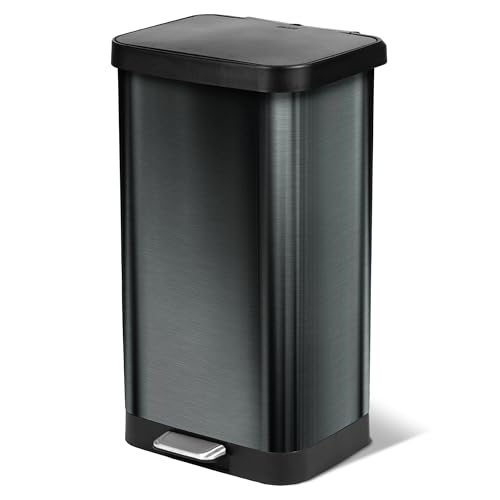
Stainless steel bodies resist odor absorption and look tidy in open kitchens, which is why the best stainless steel kitchen trash can models pair steel bodies with lids designed for daily wiping, but they show fingerprints and need gentle cleaning to keep the finish. Plastic cans are lighter, cheaper, and tolerate a thorough hosing, which suits a cleaning focused routine. The lid itself deserves the same scrutiny as the body: grooves, buttons, and hinges collect grease, so a lid with smooth surfaces you can wipe in one pass stays cleaner with less effort. Removable inner buckets are the easiest design to wash well.
Do You Really Need a Lid, and Which Kind?
For a main kitchen can, a lid earns its place almost every time: it controls odor, blocks pests, hides the mess, and keeps pets out. The real question is mechanism. Choose a step lid if you want the longest lived, lowest upkeep option and your hands are usually free enough to spare a foot. Choose a sensor lid if raw food prep fills your week and you accept battery changes as the trade. Choose a butterfly lid when headroom is tight. Skip swing and lift off lids for the main can; they work better on a small secondary bin for dry recycling by the door.
Common Mistakes to Avoid
- Measuring the can's closed height only, then discovering the open lid hits the counter overhang.
- Picking a swing lid for odor control, when its loose fit barely slows smells or flies.
- Ignoring pedal effort, so kids or older family members cannot open a stiff step can comfortably.
- Buying a lid with deep grooves and exposed hinges that trap grease and resist cleaning.
- Leaving the lid propped open during long cooking sessions, which defeats the seal you paid for.
- Washing a sensor lid under the tap, soaking electronics that should only ever be wiped.
How to Make Your Kitchen Trash Can With Lid Last Longer
The lid lives or dies at its hinge, so keep that area clean: crumbs and grit ground into a hinge make it squeak, wobble, and finally crack. Wipe the rim and seal weekly, wash the body and inner bucket monthly with warm water and dish soap, and dry everything before reassembly so moisture does not feed odors. Treat soft close dampers gently by letting the lid lower itself rather than pushing it down. On stainless finishes, wipe with the grain using a soft cloth and skip abrasive powders. Keep household cleaners stored locked away from children and pets, and follow label directions whenever you disinfect the can.
FAQ
Is a kitchen trash can with lid worth it?
For a main kitchen bin, yes, in almost every home. The lid is what stands between your kitchen air and several days of food waste, and it also keeps pets and flies out. The cases where it adds little are secondary bins for dry, clean recycling. If budget forces a choice, a mid priced can with a well sealing lid usually serves better than a premium can with a loose one.
Which lid style keeps odors in best on a kitchen trash can?
Step and sensor lids with an overlapping rim seal best, because they close under their own weight or motor pressure and sit flush all the way around. Butterfly lids also seal well and solve low clearance problems. Swing lids seal worst by design, since the flap must stay free to move. Whatever the style, an odor filter in the lid helps only at the margins; an intact seal and a clean rim do the real work.
How do you stop a kitchen trash can lid from slamming?
Choose a soft close mechanism, which lowers the lid on a damper for the last part of its travel. If your current lid slams, check for a worn damper or a bent hinge, and clear any buildup around the hinge that makes it drop unevenly. Small adhesive felt pads on the rim are a cheap retrofit that quiets contact, though they need replacing as they compress. Keeping the bag tucked below the rim also prevents the lid resting on trash and bouncing.
How do you keep pets out of a lidded kitchen trash can?
Start with weight and mechanism: a heavier can with a step or locking lid resists noses and paws far better than a light swing top. Some lids include a lock switch meant for exactly this problem. Placement helps too: a can in a corner cannot be rocked as easily. If your dog is large and persistent, moving food scraps to a small sealed caddy in the freezer until trash day removes the reward entirely.
How long does a kitchen trash can with a lid last?
The body can last a decade, while the lid mechanism sets the practical lifespan: pedals, hinges, and dampers wear first. A simple step lid with a metal linkage usually outlasts complex mechanisms, provided the hinge stays clean. When a lid starts sitting crooked, inspect for trapped debris before shopping for a replacement, because a five minute clean often restores the seal and buys the can several more years of service.
Final Thoughts
Decide the lid mechanism first, confirm the open height fits your space, then pick capacity and finish. The product table above compares the main styles on sealing, clearance, and upkeep so you can match one to your kitchen quickly. Chosen well, the best kitchen trash can with lid disappears into the background: odors stay inside, pets stay out, and the lid still closes softly years from now. For a wider look at sizes and finishes beyond the lid question, see our best kitchen trash can overview.


