
Best Sensor Kitchen Trash Can for 2026: A Hands Free Buying Guide
Disclosure: We may earn a commission when you buy through links on this page, at no extra cost to you. As an Amazon Associate I earn from qualifying purchases. Learn more

Sensor range, lid speed, power options and liner fit compared, so you can choose the best sensor kitchen trash can for cleaner, hands free kitchen use.
A sensor trash can promises a small daily luxury: the lid opens when your hands are full of chicken trimmings or a dripping colander, and you never touch a grimy surface mid recipe. When it works well, you forget the mechanism exists. When it works badly, with slow lids and phantom openings, it is worse than a pedal. Choosing the best sensor kitchen trash can comes down to sensor behavior and power, not styling.
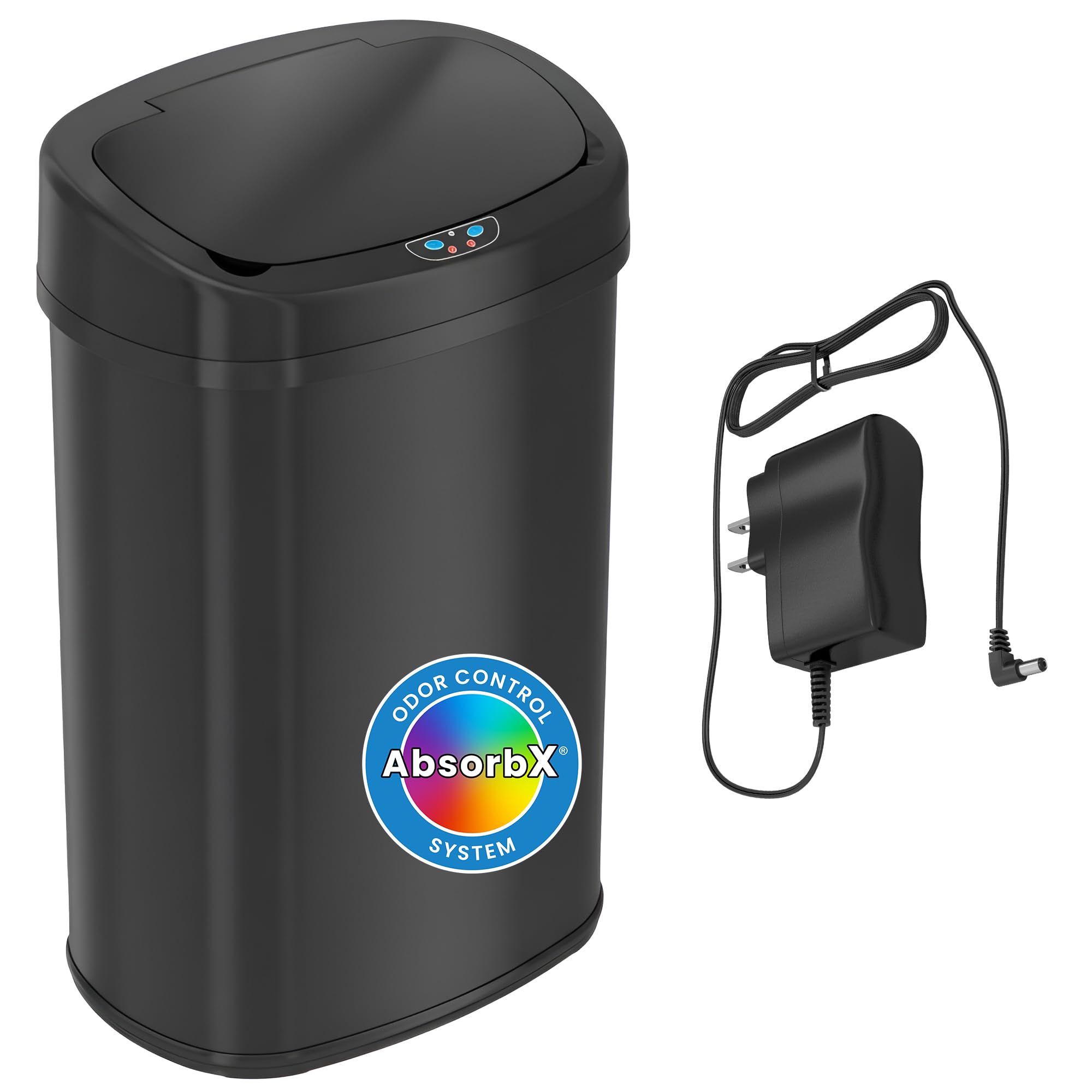
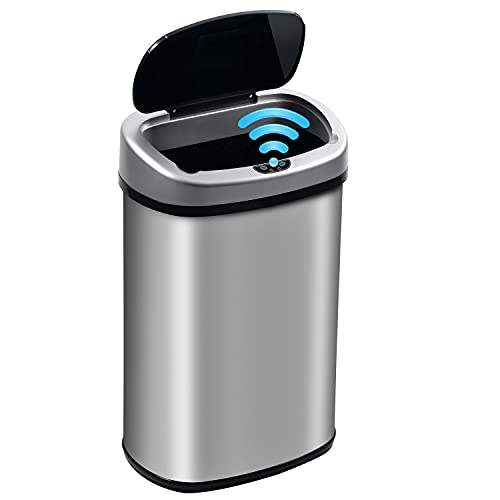
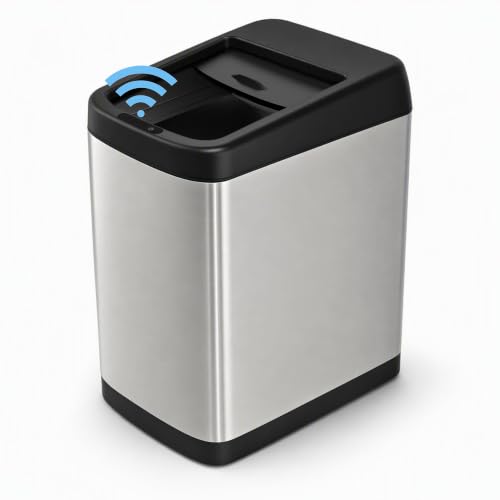
This guide explains how the sensing and lid systems differ, what batteries really cost you over a year, and where these cans should and should not stand. The product table below lists current models before we dig in.
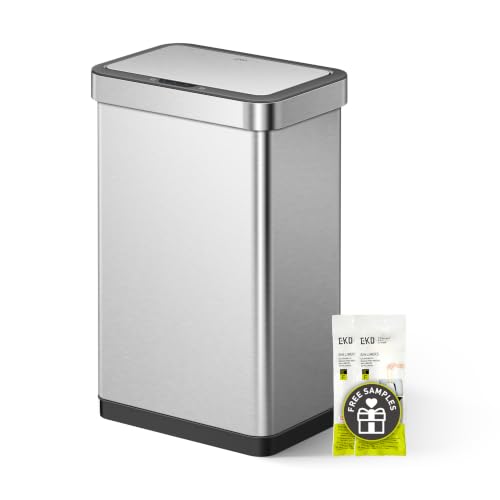
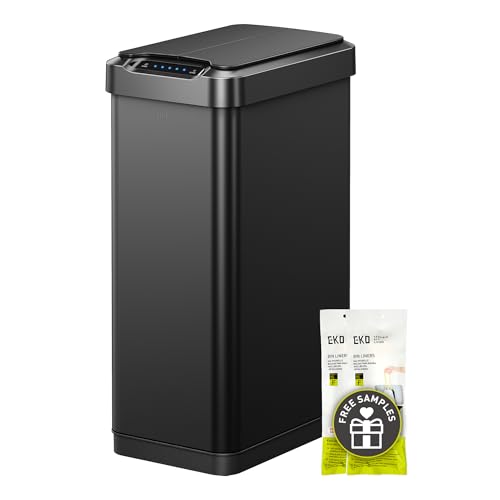
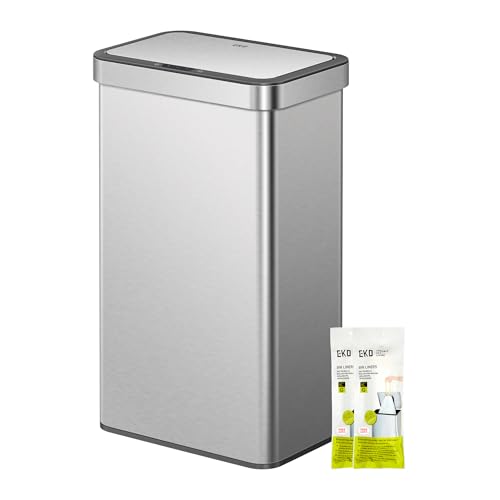
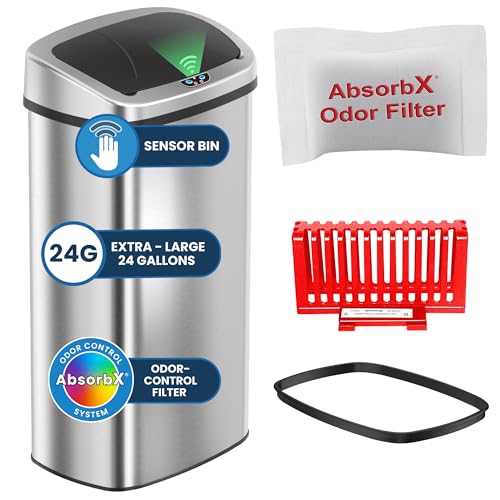
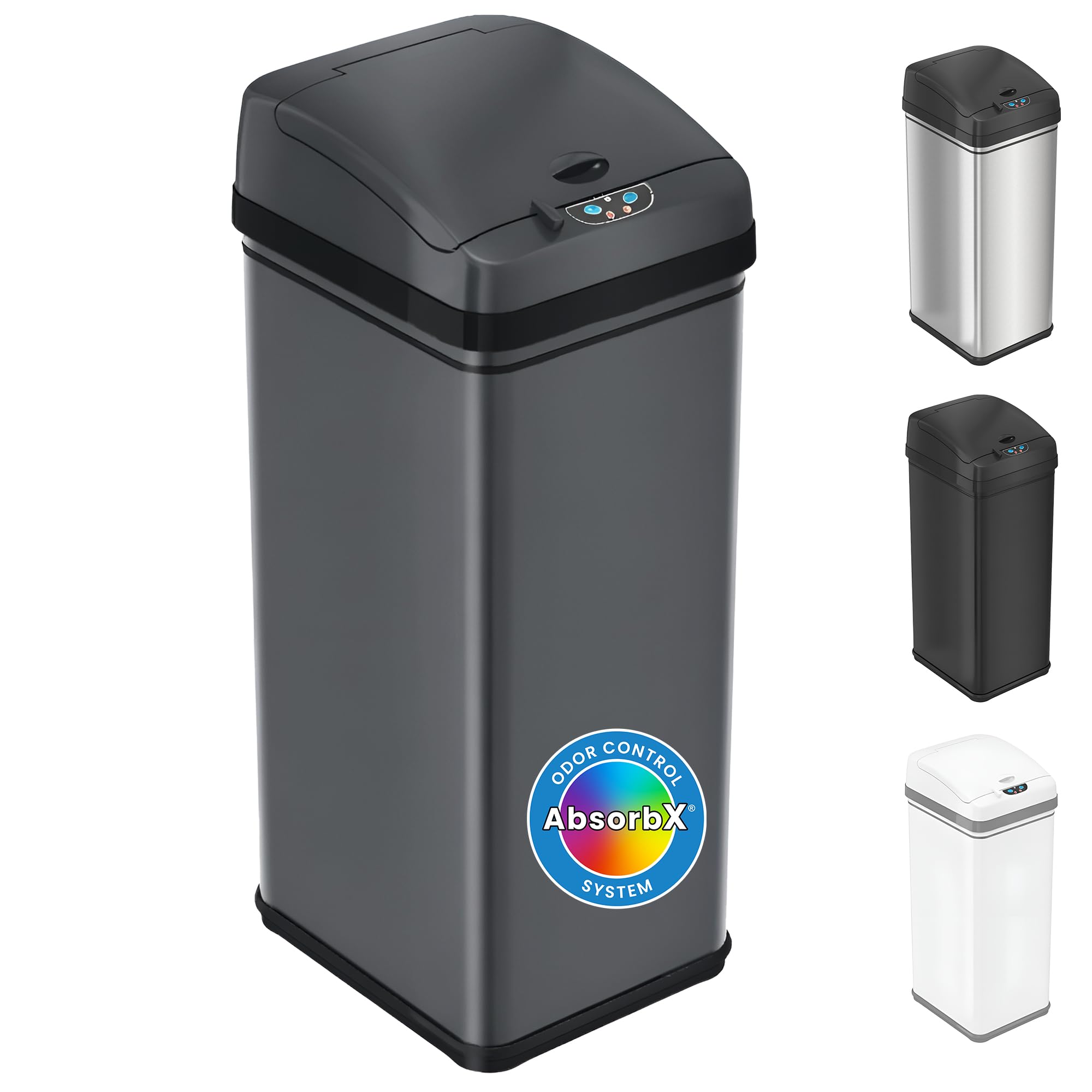
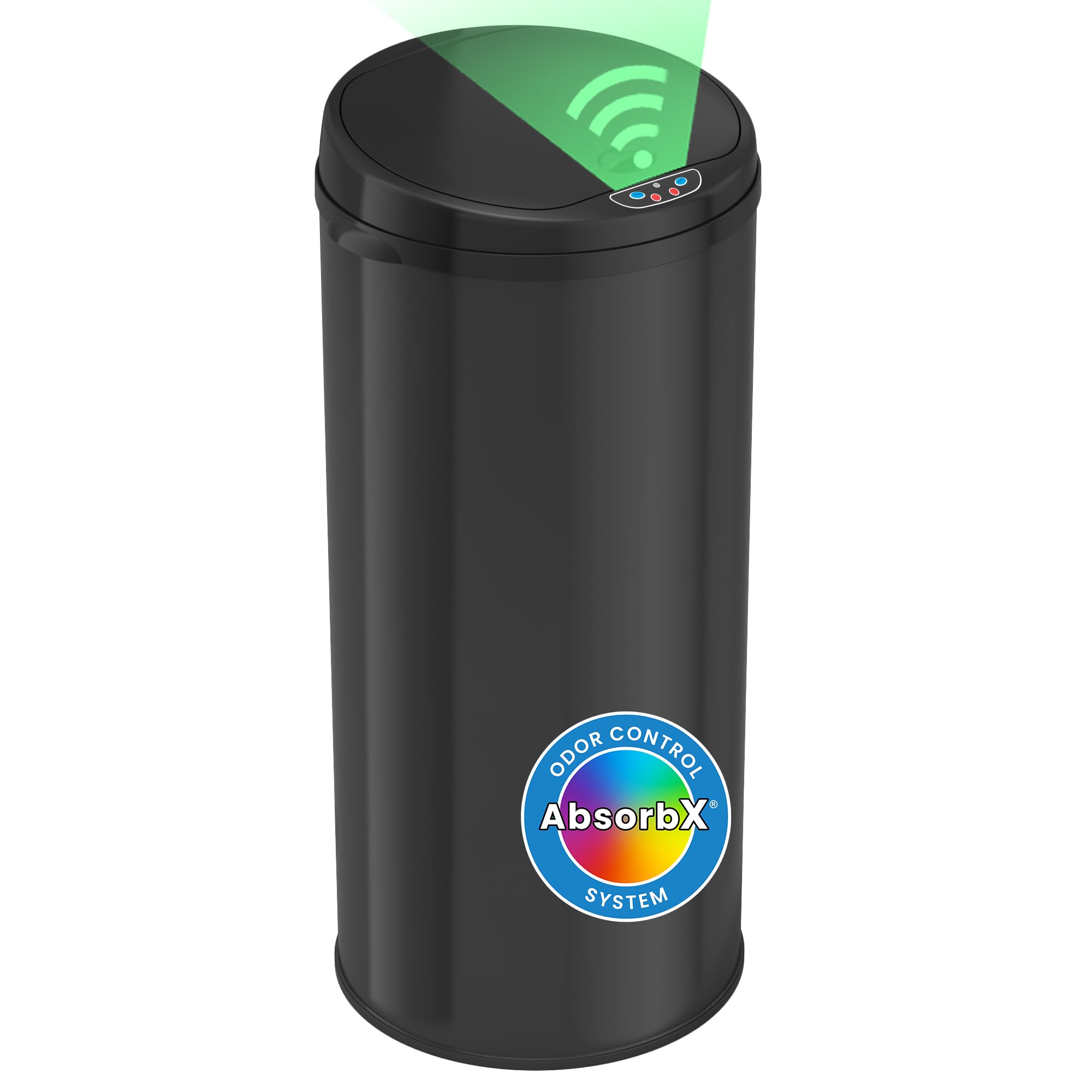
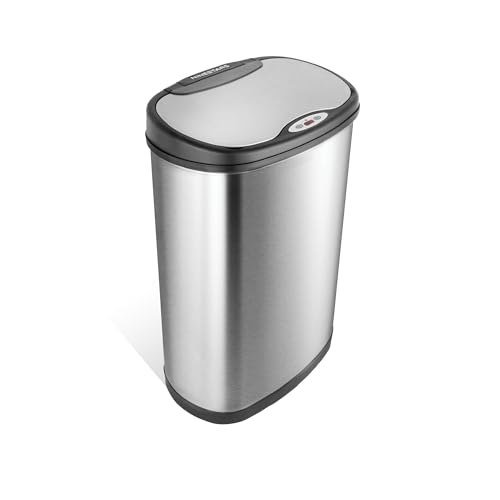
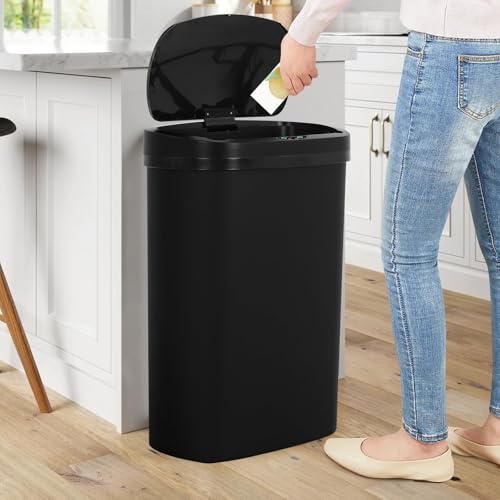
Who Should Buy a Sensor Kitchen Trash Can?
Cooks Who Handle Raw Meat and Messy Prep
Touchless opening shines during prep, when your hands carry salmon skins, flour paste or melon rinds and the pedal is across the room. A wave opens the lid, the scraps drop in, and nothing smears the can. If cross contamination worries you in a busy kitchen, keeping one surface completely out of the hand washing loop is a genuine hygiene gain, not a gimmick.
Parents and Caregivers With Full Hands
Anyone who cooks while holding a child, steadying a toddler or helping an older parent knows the third hand problem. A sensor can solves it without a foot free for a pedal. Households where a family member has limited grip strength or balance also benefit, because waving is easier than pressing a pedal while standing. For a general look at lid styles beyond sensors, our best kitchen trash can guide compares every mechanism.
Pet Owners Fighting Lid Raiders
A lid that only opens on a deliberate wave at the right height defeats most dogs that have mastered pedal cans. The sensor zone sits high and reads a hand sized target, so a nose at floor level does nothing. Determined large dogs can still learn some models, but as a first line of defense a sensor can is far stronger than a swing top.
Key Features to Compare
Sensor Type, Range and Response
Most sensor cans use infrared: an emitter and receiver watch a zone above the lid, and your hand breaking that zone triggers the motor. Better designs read at about 6 to 10 inches, which is close enough to be deliberate and far enough to avoid splashes. Response should feel instant, with the lid moving within half a second. Test the logic in listings: a sensor that also triggers from the side will open every time you walk past, which wastes batteries and patience.
Lid Speed, Soft Close and Hold Open Modes
A good lid opens fully in about a second and closes with a soft, damped motion rather than a clap. Look for a countdown or stay open behavior that keeps the lid up while you scrape a whole cutting board, instead of closing on the second handful. Many models add a manual open button that holds the lid up for long tasks like peeling a bag of potatoes, and a full manual override for when the batteries die at the worst moment.
Power: Batteries, Adapters and Real Battery Life
Battery life claims of six to twelve months assume a handful of openings a day. Busy family kitchens can halve that. Check the cell type and count, since four D cells cost far more per change than AAs, and see whether an optional wall adapter exists for a can that will live beside an outlet. A low battery warning light matters more than it sounds, because a sensor can with dead cells and no manual override is a locked box of trash.
Capacity and Body Shape
Sensor cans concentrate in the 13 gallon class, matching tall kitchen bags, with slim rectangular bodies that fit end of counter gaps. The sensor housing adds height at the back, so measure total height with the lid open against your counter overhang. Round sensor cans exist but waste corner space. Families who cook in volume should confirm the opening is wide enough for a dinner plate to pass without tilting, since a narrow mouth defeats the hands free purpose.
Liner Management and the Inner Ring
The best designs hide the bag. A liner ring or pocket holds the bag edge out of sight and stops it sliding in when you drop something heavy, while a rear bag compartment stores spares. Some best stainless steel kitchen trash can models pair the sensor lid with a fingerprint resistant body and a removable inner bucket, which makes the weekly wash far easier than scrubbing a fixed shell around electronics.
Where a Sensor Can Should Stand in Your Kitchen
Placement decides whether the sensor feels smart or haunted. Keep the can out of direct walkways, because passing hips and swinging grocery bags sit right in the trigger zone of cheaper side reading sensors. Avoid spots where sunlight falls straight onto the sensor window, since strong infrared in sunshine can confuse basic receivers. Steam is another factor: a can parked tight against a dishwasher vent or under a kettle shelf may open when the steam plume crosses the beam. Give the lid swing full clearance from counter edges, and if your kitchen layout forces a traffic lane position, a step can from the best 13 gallon kitchen trash can class may serve you better.
Common Mistakes to Avoid
- Placing the can in a walkway, so the lid opens for every passerby and the batteries die in a month.
- Buying on capacity alone and ignoring the sensor zone, ending up with phantom openings from steam and sunlight.
- Forgetting the power question, then discovering the can eats costly D cells with no adapter option.
- Choosing a can with no manual override, which turns a dead battery day into a lid you must pry open.
- Letting liquids reach the sensor housing during cleaning, which corrodes contacts and kills the electronics early.
How to Make Your Sensor Kitchen Trash Can Last Longer
Keep the electronics dry. Wipe the sensor window weekly with a soft, dry cloth so grease film does not dull its reading, and never hose down or soak a sensor lid. Remove the inner bucket for washing and let it dry fully before it goes back, since trapped moisture rises straight into the lid mechanism. Replace batteries as a full set of the same type, and take them out if the can will sit unused for months, because neglected cells leak. Treat the lid gently: forcing it open by hand against the motor strains the gears that give the soft close its feel.
FAQ
Are sensor kitchen trash cans worth it?
They are worth it for cooks who prep messy food often, households avoiding lid contact, and anyone who struggles with a pedal. The value shows up in hygiene and convenience dozens of times a day. If your kitchen traffic would trigger it constantly, or you dislike managing batteries in a trash can, a good step can delivers most of the benefit with none of the electronics.
How long do batteries last in a sensor trash can?
Typical life runs about six months in a busy family kitchen to a year in a lighter use home. Lid openings per day drive the number more than standby draw. Models with an adapter option remove the question entirely for cans placed near an outlet, and keeping the sensor window clean stops the repeat triggers that waste power.
Can a sensor trash can keep dogs out?
Usually, yes. The sensor reads a high zone sized for a hand, and most dogs cannot trigger it from floor level, unlike a pedal a paw can press. A tall dog rearing up against the can is the exception. For determined raiders, place the can inside a cabinet or choose a model with a lock mode for the lid.
What happens when a sensor trash can loses power?
That depends on the design, which is why the override matters. Good models let you lift the lid by hand or press a button to hold it open once power returns. Basic models resist manual lifting and can damage their gears if forced. Check for a stated manual mode before buying, and keep a spare set of batteries in the drawer.
How do you clean a sensor kitchen trash can?
Remove and wash the inner bucket with hot soapy water, and wipe the shell with a damp cloth. Keep water away from the lid unit: clean it with a cloth that is damp, not wet, and wipe the sensor lens dry afterward. Never submerge the lid or spray it directly, and let the bucket dry completely before reassembly.
Final Thoughts
Judge a sensor can by its trigger discipline, its power plan and its behavior when the batteries die, and the styling questions answer themselves. Picked on those terms, the best sensor kitchen trash can in the product table above will open when you mean it and stay shut when you do not. If electronics in a bin are not for you, the best large kitchen trash can pedal designs remain the reliable classic.


